
Best Cameras for Independent Filmmakers at Every Price for 2026
Disclosure: We may earn a commission when you buy through links on this page, at no extra cost to you. As an Amazon Associate I earn from qualifying purchases. Learn more

Compare the best cameras for independent filmmakers by budget, sensor size, video features, and battery life, and choose a kit for solo shoots and small crews.
Choosing best cameras for independent filmmakers means balancing image quality, sound, battery life, and handling, because a solo shoot leaves little room for a crew to fix problems. The comparison table below lays out the main camera types, while this guide explains which features help a small production most and which extras can wait. A strong story still matters more than any single spec, but the right kit makes that story easier to capture cleanly.
Independent filmmakers often shoot documentaries, short films, music videos, interviews, and client work with one or two people, so reliability matters as much as resolution. A camera that focuses smoothly, records clean audio, runs long enough for a full scene, and stays comfortable on a long day will serve you better than a fragile body with an impressive headline feature. Use this guide to match your budget to the work you actually shoot.
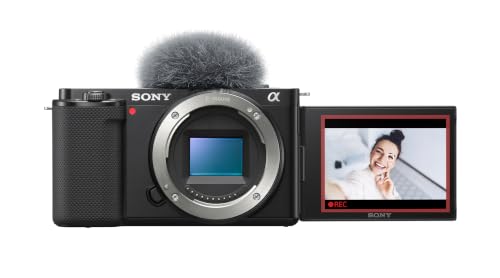


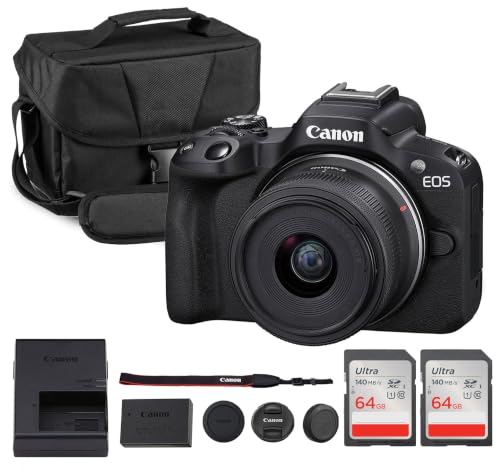
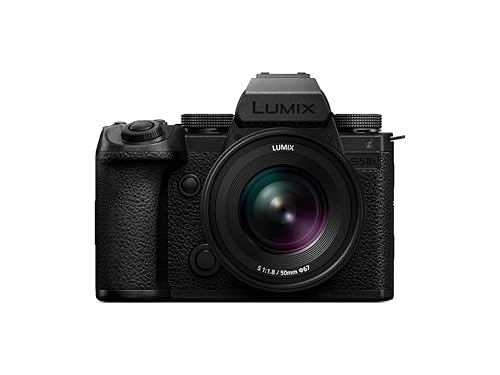

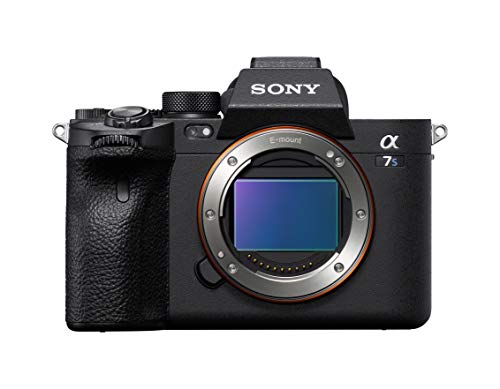
Who Should Buy Which Camera
Solo Filmmakers Working Alone
Solo filmmakers need a camera that can act as camera operator, focus puller, and sound recordist at once. Reliable face and eye tracking, a flip screen, a mic input, and a headphone check option reduce the risk of soft focus or poor audio when no one else is watching the monitor. Light weight and good battery life matter on run and gun days, and a versatile zoom lens avoids lens changes in dust, rain, or a busy street. For this group, dependable autofocus and clean audio outweigh exotic frame rates, and newer filmmakers can also review best cameras for beginner filmmakers for simpler starting points.
Small Crew Documentarians
Documentary crews with two or three people can share roles, so a camera with strong low light performance, dual card slots, and a robust codec becomes more valuable. The ability to match color with a second camera, record longer clips without overheating, and mount easily on a tripod, gimbal, or rig helps a small team stay flexible. Audio inputs for a shotgun mic and a wireless receiver, plus a clear audio meter, keep interviews usable without a separate recorder. Durability also matters, since documentary work often means travel, weather, and long days, and crews comparing film style options can look at best independent film cameras alongside digital models.
Short Form and Client Creators
Creators who deliver short films, branded clips, and social video need fast turnaround, so a camera with good straight out of camera color, simple file handling, and quick card transfers saves editing time. Vertical friendly framing guides, a compact rig, and a lens that covers wide establishing shots and tight portraits can cover most client briefs. If you deliver mainly online, moderate resolution with strong stabilization and clean sound will often beat very large files that slow your workflow. Plan your kit around delivery format, not around specs you rarely use.
What Your Money Gets You at Each Spending Level
Tight Budget Shooting
At a tight budget, expect a compact or entry interchangeable lens camera with solid daylight video, basic stabilization, and a mic input on many models. You may see shorter battery life, a single card slot, and fewer audio controls, so plan for spare batteries and a simple external mic. Autofocus may hunt in dim light, and long takes can test heat management, so schedule breaks and keep clips shorter. This level works well for shorts, interviews in controlled light, and learning the full production process without debt.
Balanced Budget for Regular Projects
A balanced budget usually adds a larger sensor, stronger stabilization, better low light video, and more reliable tracking for moving subjects. You may also get dual card slots, a headphone jack, a fully articulating screen, and more codec choices for editing. These gains help if you shoot paid work, film in mixed light, or need footage that grades well. This level suits filmmakers who shoot every week and want a camera that can handle interviews, b roll, and short narrative scenes with one kit.
Higher Budget for a Full Kit
A higher budget can bring a larger sensor, advanced video formats, stronger heat management, professional audio inputs, and a tougher body built for rigs and long days. You may also get better dynamic range, more lens choices, and faster card options for high bitrate recording. Those features help with cinema style projects, commercial work, and multi camera shoots, but they also raise costs for lenses, cards, storage, and editing hardware. Move to this level when clients, festivals, or broadcast specs require it, not simply because a new model exists.
Features Worth Paying For and Ones to Skip
Battery Life and Charging
Battery life decides whether you finish a scene or stop to swap power at the worst moment, so check real recording time rather than still photo ratings. A camera that charges over USB C while in use, or accepts a larger external battery, can extend a shoot without a bulky rig. Carry at least two spares, label them, and rotate them so one is always charging during breaks. Skip a camera with very short video runtime unless you always shoot near power and can tether safely without tripping hazards.
Features That Matter for Independent Filmmakers
Independent work rewards features that protect a take: smooth autofocus with adjustable speed, a clear audio meter, a headphone jack, and a screen visible in bright sun. Good dynamic range helps when a window and a dark room appear in the same shot, while a flat picture profile gives more grading room if you edit color. A mic input, a wind cover option, and a quiet kit lens matter more than a long list of creative filters. Choose features that reduce retakes, because a small crew cannot always reshoot a moment, and video focused models are covered in our guide to best video cameras for independent filmmakers.
Size, Weight, and Ergonomics
Size and weight shape every shooting day, from handheld interviews to gimbal work and travel. A camera that balances well with your lens, offers a deep grip, and places record, focus, and audio controls within reach will cause less fatigue. Check that the body works with your tripod plate, cage, and follow focus without blocking the battery door or card slot. A compact body sounds appealing, but a slightly larger body with better cooling and a bigger battery often serves a filmmaker better on a long production day.
Sensor Size and Image Quality
Sensor size affects low light cleanliness, depth of field, and dynamic range, while megapixels matter less for video than for large still prints. A one inch sensor can deliver excellent online video, while a larger APS C or full frame sensor usually gives cleaner shadows and softer backgrounds. For independent film, judge a camera by its video samples in mixed light, skin tone handling, and rolling shutter behavior during pans. A good lens, stable support, and careful lighting will improve your image more than a small sensor upgrade alone.
Cameras for Specific Needs
Best Digital Cameras for Independent Filmmakers
Digital cameras built for hybrid photo and video work suit filmmakers who also need stills for posters, press kits, and behind the scenes material. Look for a sensor and processor pairing that handles both tasks without overheating, plus a mic input and a screen that flips for self framing. A versatile zoom lens, a fast prime for interviews, and a simple color workflow can cover most independent projects. See our guide to best digital cameras if still photography will share equal time with video in your work.
Best Prosumer Cameras for Independent Filmmakers
Prosumer cameras sit between consumer models and full cinema bodies, offering stronger codecs, better audio controls, and more rig friendly bodies without cinema level prices. They suit filmmakers who grade footage, use external monitors, and need longer recording times with reliable heat management. Check for a clean HDMI output, timecode options if you run multiple cameras, and a lens mount with affordable lens choices. A prosumer body makes sense when your editing workflow and client delivery specs have outgrown a basic hybrid camera.
Long Term Costs to Factor In
A camera body is only the start of a filmmaking kit, so budget for lenses, memory cards, batteries, audio gear, lights, a tripod or gimbal, and storage. High bitrate video fills cards and hard drives quickly, so plan for backup drives and a clear file naming system from the first shoot. Lenses and audio gear often outlast bodies, so invest in a good shotgun mic, a reliable tripod, and a versatile zoom before chasing a newer sensor.
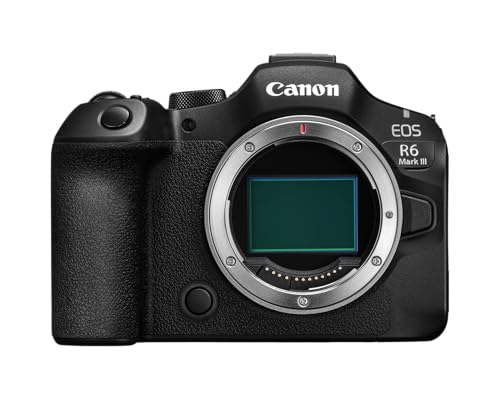
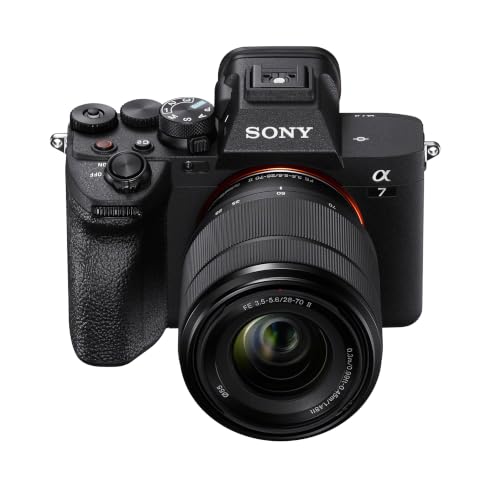
Check warranty, repair access, and battery availability, because downtime on a paid project costs more than a modest accessory upgrade. The product table above can help you compare the main types before you build out a full kit.
Common Mistakes to Avoid
- Judging a camera only by resolution while ignoring audio, autofocus, battery life, and heat management.
- Buying a heavy cinema style rig before you have the crew, lenses, and storage to support it.
- Skipping a headphone check and discovering poor audio only in the edit.
- Using a single slow card for high bitrate video, then losing a take to a write error.
- Overlooking rolling shutter and stabilization when shooting handheld or fast pans.
- Spending the whole budget on the body and leaving nothing for sound, light, and support.
Frequently Asked Questions
What features matter most in cameras for independent filmmakers?
Smooth autofocus, clean audio, reliable battery life, and good low light video matter most for independent filmmakers, because a small crew cannot easily fix those problems after a shoot. A mic input, a headphone jack, a flip screen, and effective stabilization protect interviews and run and gun scenes. Sensor size and codec choice matter next, especially if you grade footage or deliver to clients. Resolution alone should not decide the purchase, since steady focus and clear sound affect the audience far more than a higher pixel count.
What specs matter most for beginners in independent film?
Beginners in independent film should weigh autofocus reliability, audio inputs, battery runtime, stabilization, and low light cleanliness more heavily than maximum resolution or exotic frame rates. A versatile zoom lens, a simple color workflow, and cards fast enough for your chosen codec will keep production smooth. Dual card slots add safety for paid work, while a fully articulating screen helps solo framing. Try the camera on a real interview and a moving subject before you commit, because spec sheets rarely reveal focus hunting or audio noise.
Do independent filmmakers need 4K video?
Not always. 1080p is enough for web delivery and many documentaries, and it keeps files small and editing fast. Choose 4K when clients or festivals ask for it, when you want room to crop or stabilize in the edit, or when you plan to archive footage for future use. Remember that 4K needs faster cards, more storage and a computer that plays it smoothly, so budget for those along with the camera.
Is a smartphone enough instead of a dedicated camera for independent film?
A smartphone is enough for short online clips, behind the scenes material, and learning framing, and its stabilization and computational tools can look strong in good light. A dedicated camera gives you interchangeable lenses, larger sensor options, better low light video, professional audio inputs, and more grading room, which matter for festivals, clients, and longer projects. If you shoot mainly for social media and always carry a phone, a phone plus a good mic can be a smart start. If you deliver paid work, a dedicated camera will give you more control and reliability.
Which camera is better for low light video?
A camera with a larger sensor, a wide aperture lens, and clean high ISO video usually performs better in low light than a small sensor camera with a slow kit lens. Check sample footage in dim rooms and notice whether shadows stay detailed or turn noisy, and whether focus still tracks a moving person. A fast prime lens, a small LED panel, and careful exposure help more than raising ISO alone.
Final Thoughts
The right camera for independent film is the one that lets a small team capture clean sound, steady focus, and usable light without constant troubleshooting. Prioritize audio, battery life, handling, and low light performance, then match sensor and codec choices to your delivery format and editing workflow. Compare the types in the product table above, budget for lenses, cards, sound, and storage, and choose a kit you can carry through a full shooting day. With a reliable setup, best cameras for independent filmmakers will help you focus on story, performance, and the shots that make your project stand out.


