Best Cameras for Young Photographers 2026: Types Compared and How to Choose
Disclosure: We may earn a commission when you buy through links on this page, at no extra cost to you. As an Amazon Associate I earn from qualifying purchases. Learn more

Compare camera types side by side, from compact and vlogging models to mirrorless, and choose the best cameras for young photographers within your budget.
Choosing a first serious camera can feel confusing, because every listing leads with sensor numbers, lens mounts, and video specs. The best cameras for young photographers are the ones you will actually carry, learn on without frustration, and keep using as your skills grow. This guide compares camera types, so you can match a type to your subjects, your budget, and the way you share your work.
Start with the comparison table below to see how each type trades size, creative control, and cost. For a wider view of the category first, see our guide to the best digital cameras.



Types of Cameras Compared for Young Photographers
When you place the best cameras for young photographers side by side, four types cover almost every need a young shooter is likely to have. Read them as descriptions of a working style, not as a ranking.
Compact Cameras for Everyday Shooting
A compact camera keeps lens and body in one small unit that slips into a jacket pocket, so it is the camera most likely to be with you when something worth photographing happens. A fixed lens limits your reach, and the smaller sensor struggles more after dark. Choose this type if you want better quality than a phone without carrying a kit or learning a lens system.
Vlogging Cameras for Video First Creators
Vlogging cameras are built around video, with a screen that flips to face you, a microphone input on many models, and autofocus that follows a face while you talk or move. Still photo controls can feel basic, though, and the lens is rarely made for distant subjects. Choose this type if you publish video every week and photos are a secondary bonus.
Mirrorless Cameras for Growing Skills
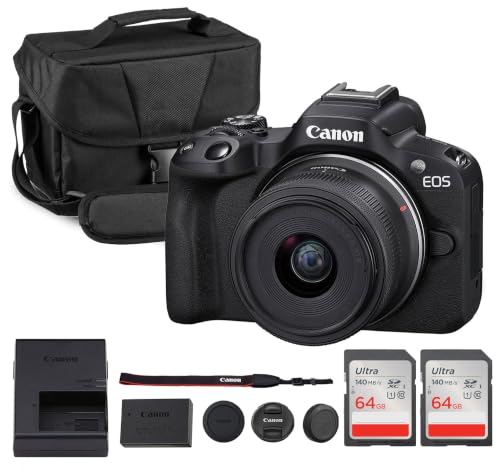
A mirrorless camera has no mirror inside, so the electronic viewfinder shows exactly how your exposure will look before you press the shutter. Lenses swap, which lets one body serve portraits, sports, and landscapes as your interests change. The costs are a higher starting price and more lens decisions over time. Choose this type if you want to learn manual control properly and build a kit gradually.
Instant Cameras for Fun and Instant Prints
An instant camera prints a physical photo seconds after you take it, which makes it popular at parties, on trips with friends, and for journals or bedroom walls. Each print adds a running cost, though, and you give up detailed editing and large prints. Choose this type for shared fun and keepsakes, as a companion to a more capable camera rather than a replacement.
Who Should Buy Which Camera Type?
Young Photographers Who Shoot Friends, School, and Daily Life
If most of your subjects are people nearby, meals, pets, and places you visit on foot, a compact camera fits your day best. Quick automatic modes catch moments before they pass. Spend the savings from skipping interchangeable lenses on a protective case and a larger memory card instead.
Young Photographers Who Publish Video Every Week
A weekly posting schedule makes video features worth paying for, so a vlogging camera is your natural home. Look for a flip screen you can check while recording yourself and autofocus that holds a face without hunting. If you are weighing cameras for a first channel setup, see our guide to the best cameras for starting photographers for beginner friendly choices.
Young Photographers Who Want Full Manual Control
If you already read about aperture and shutter speed for fun and feel limited by automatic modes, go straight to a mirrorless camera. Direct dials teach your hands the exposure triangle far faster than menu diving, and the lens mount leaves room to specialize later. Plan your budget across years, because one well chosen lens bought next year often improves your photos more than a pricier body bought today.
Key Features to Compare
Sensor Basics for Your First Real Camera
The sensor is the light gathering surface inside the camera, and its size shapes how clean your photos look in dim rooms and how soft you can blur a background. Compacts and vlogging cameras often use a 1 inch sensor, mirrorless cameras commonly use APS C, and full frame is the largest mainstream option. A larger sensor collects more light per shot, which helps at concerts, evening sports, and indoor events. For most young photographers, APS C balances quality, size, and price best.
Lens Choice and Optical Zoom Range
Optical zoom changes your view by moving glass inside the lens, so detail stays sharp, while digital zoom simply crops the image and discards pixels. On a fixed lens camera, check that the zoom range covers both group shots indoors and subjects across a field. On a mirrorless camera, the starting kit lens is a general purpose tool, and later lenses add reach or wider views. Aperture numbers such as f/2.8 describe how much light the lens admits, and a smaller number helps in low light.
Focus Help for Portraits, Pets and Cyclists
Autofocus decides how reliably the camera locks onto your subject, and eye detection is the feature young portrait shooters feel most, because it keeps faces sharp even when people shift and laugh. Subject tracking extends the same help to pets, cyclists, and players on a field. Image stabilization steadies the camera against small hand movements, in the body or in the lens, and buys cleaner shots at slower shutter speeds.
Controls, Screens, and Sharing for Young Photographers
Controls shape how fast you learn, so look for at least one dial you can turn by feel, a touch screen for tapping a focus point, and menus in plain language. A tilting screen helps with low angles and self portraits, and WiFi transfer sends finished shots to your phone without a cable. If menus still feel new, see our guide to the best cameras for novice photographers for first time owner choices.
Vlogging Cameras vs Mirrorless Cameras: Which Should Young Photographers Choose?
These two types overlap the most, so compare them on the work you actually plan to do. A vlogging camera wins on size, setup speed, and selfie friendly screens, and its fixed wide lens suits talking to the camera at arm length. A mirrorless camera wins on photo quality, lens choice, and room to grow, and its viewfinder helps in bright sun where screens wash out.
Cost decides many ties. A vlogging camera is usually a single purchase, while a mirrorless body starts a system that rewards later lens spending. If video pays for the camera, choose vlogging. If still photos are your long term passion, choose mirrorless and accept the larger bag.
Common Mistakes to Avoid
- Buying the highest megapixel count, because sensor size and lens quality change your results far more than extra pixels you will never print.
- Spending the whole budget on the body alone, because a camera with no spare battery, card, or bag stays home the first time plans get busy.
- Judging a camera by digital zoom numbers, because cropping in the camera throws away detail that optical zoom would have kept.
- Ignoring how the camera feels in your hands, because controls you cannot reach comfortably will slow every shot and discourage daily practice.
- Skipping the return policy check, because a camera that looked right online may feel wrong within a week.
Setup and Care Tips for Your Camera
Set up a new camera once, properly, before your first real outing. Charge the battery fully, set the date and time so files sort correctly, format the memory card inside the camera, and turn on grid lines to keep horizons level while you learn.
For daily care, wipe the lens with a clean lens cloth rather than your shirt, because shirt fabric can trap grit that scratches coatings. Carry a spare battery on long days, since video and cold weather drain power quickly. Store the camera in a dry, padded bag, with the lens cap on.
FAQ
What features matter most in cameras for young photographers?
Reliable autofocus, a sensor large enough for indoor light, and controls you can learn in layers matter most. One point buyers often miss is total cost of ownership, because cards, a second battery, and a basic editing app add up over the first year.
Which camera type is better for low light photos for young photographers?
A mirrorless camera with an APS C or larger sensor is better for low light photos, because its sensor gathers more light and its lenses open wider than most fixed lenses. For still subjects such as city streets at night, a small tripod helps any type, since a steady camera can use a long exposure that no sensor can match for moving subjects.
Is a smartphone enough instead of a dedicated camera for young photographers?
A smartphone is enough for casual snapshots, but a dedicated camera pulls ahead when you want blurred backgrounds, distant subjects, or large prints. Phones also apply heavy automatic processing you cannot switch off, while a camera lets you shoot raw files that hold far more detail for editing later.
Do young photographers need 4K video on a first camera?
No, young photographers do not need 4K video on a first camera, although it is a pleasant bonus. Most school, club, and social platforms display at lower resolutions, and 1080p files are smaller, faster to edit on a modest laptop, and kinder to memory cards. Choose 4K only if you plan to crop footage while editing or publish on large screens.
How much should young photographers spend on a first camera?
Most young photographers should spend about $300 to $700 on a first camera outfit, including lens, card, and bag. Below that range, used compacts and older mirrorless bodies can still teach you plenty, provided the battery is replaceable. Above it, you mostly buy faster autofocus and better video, which matter only after your basic skills are settled.
Our Verdict
Match the type to your real week, not to an imagined one. Pick a compact for daily life on the move, a vlogging camera for a weekly channel, an instant camera for prints you can hand to friends, and a mirrorless camera when manual control excites you. Whichever route you take, the best cameras for young photographers are the ones that stay charged, stay nearby, and keep teaching you something new. Compare your shortlist once more in the product table above before you order.