
Best Cameras for Women: A Practical Buying Guide for 2026
Disclosure: We may earn a commission when you buy through links on this page, at no extra cost to you. As an Amazon Associate I earn from qualifying purchases. Learn more

A buying guide to the best cameras for women: grip fit, weight, sensor size, autofocus, optical zoom and 4K video, plus mistakes to avoid.
Most camera guides rank models by spec sheets alone and never mention how a camera actually feels in your hands. If your hands are smaller, your bag is compact, or you often shoot one handed, those details decide whether a camera gets used or left at home. The best cameras for women are the ones you can grip securely, control without stretching, and carry all day without thinking about the weight.
This guide skips the spec overload and focuses on fit, weight, and the features that change your photos in real use. Start with the comparison table below to see how the main styles differ, then read on for the details that help you choose with confidence.




Who Should Buy Which Camera Style
Your shooting habits matter more than any single spec. The three groups below cover the ways women most often use a dedicated camera, and each group points to a different style.
Solo Creators Who Film Themselves
If you record videos for work or social channels, you usually shoot alone and need to see yourself while recording. A flip screen that faces forward, reliable face and eye autofocus, and a microphone input should top your list. Mirrorless models and advanced compacts suit you best, and a wide lens keeps you and your background in frame in a small room.
Travelers Who Pack Light and Walk All Day
Travel shooting rewards the camera you forget you are carrying. Look for a body and lens that together stay under about a pound and a half and charge over USB, so one cable covers your phone and camera. A versatile zoom range means you leave extra lenses at the hotel. Point and shoot compacts and small mirrorless kits both work well, and weather sealing helps on rainy or dusty days.
Everyday Shooters Upgrading From a Phone
If your phone photos look fine outdoors but fall apart at indoor birthdays, school concerts, and evening dinners, you are ready for a real camera. You need a larger sensor, a brighter lens, and simple auto modes that still let you grow into manual controls later. A compact with a 1 inch sensor or an entry mirrorless camera with its kit lens gives you that jump in quality while staying easy to share with family.
Key Features to Compare
Once you know your group, compare models on the six factors below. Together they explain nearly every difference you will see in the product table above, and they are the criteria that separate the best cameras for women from models that only look good on paper.
Size, Weight, and Grip Fit for Smaller Hands
Start with your hands, because a camera that feels awkward rarely gets used. Grip depth matters more than body width: your fingers should curl around the grip with your fingertip resting near the shutter button, not stretched flat along the body. Weight includes the lens, so compare full shooting weight rather than the body alone.
Sensor Size and Image Quality
Sensor size is the single biggest driver of image quality. Basic compacts use small sensors that struggle indoors, 1 inch sensors are a clear step up, APS C sensors found in most mirrorless cameras gather far more light, and full frame sensors sit at the top. Megapixels matter less than many shoppers think, because larger pixels on a 20 megapixel sensor often beat a crowded 40 megapixel sensor at night. If image quality is your top priority, browse our guide to the best quality cameras after you finish here.
Low Light Performance
Low light results come from three things working together: sensor size, lens brightness, and how well the camera handles high ISO settings. A bright lens rated at f/1.8 or f/2.8 lets in far more light than a kit zoom that starts at f/3.5, so your shutter speeds stay fast enough to freeze a child blowing out candles. Judge low light claims by sample photos at ISO 3200 and above, not by the maximum ISO printed on the box.
Autofocus and Image Stabilization
Face and eye detection locks onto people even as they move, which changes everything when you photograph kids, pets, or yourself. Touch focus on the rear screen lets you tap a subject instead of hunting through menus, a real help when your other hand is busy. Image stabilization, whether in the body, the lens, or both, reduces blur from hand shake and smooths handheld video. If you shoot moving subjects often, prioritize fast, sticky autofocus over a small gain in resolution.
Video, Flip Screens, and Sound
For video, 4K recording is now the sensible baseline because it stays sharp on large TVs and leaves room to crop in editing. A screen that flips forward matters if you film yourself. Sound deserves equal attention: built in microphones pick up wind and handling noise, so a microphone input or a hot shoe that accepts a small digital mic makes voices far clearer. For a broader view of the category, compare options in our guide to the best digital cameras.
Lens Choice and Optical Zoom
The objective lens shapes your photos more than the camera body does. On fixed lens compacts, judge the optical zoom range and ignore digital zoom numbers, because digital zoom simply crops and softens the image. A 3x to 10x optical range covers portraits through distant details, and higher magnification helps at zoos and school stages. Check the closest focusing distance too if you love food or craft shots, since some lenses cannot focus up close.
Camera Types Explained
Four styles cover almost every need. Each paragraph below sums up who a style suits and where it falls short.
Point and Shoot Compacts
Point and shoot compacts put a decent sensor and a zoom lens in a pocket sized body with almost no learning curve. Better models use a 1 inch sensor and a bright lens, making them far stronger indoors. You give up lens swapping and some manual control, but you gain a camera that is always with you. They suit travelers, parents, and anyone who wants better photos without carrying a system.
Action Cameras
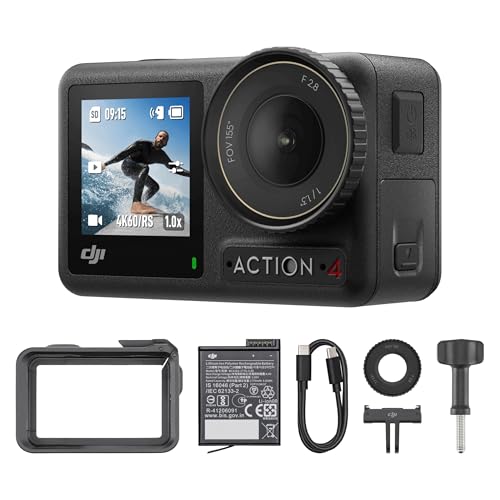
Action cameras are tiny, rugged, and waterproof, built for pools, slopes, bikes, and beach days where a regular camera would stay in the bag. Strong stabilization keeps video smooth while you move, and voice control helps when your hands are busy. Photo quality trails larger cameras, especially indoors, and the fixed ultrawide view distorts close faces. Treat one as a second camera for adventure days rather than your only camera.
Mirrorless Cameras
Mirrorless cameras pair interchangeable lenses with sensors from APS C up to full frame, giving you the best quality and the most room to grow. Compact bodies with small prime lenses can still travel light. Costs rise as you add lenses, so plan a simple path: kit zoom first, one bright prime later. If photography itself is becoming your hobby, see our guide to the best cameras for photography for the next level of detail.
Instant Cameras
Instant cameras print a small photo seconds after you press the shutter, which makes them favorites at parties, weddings, and family gatherings. There are no settings to learn and no files to sort later. Prints cost money per shot, image quality is modest, and low light results are hit or miss, so one works best as a fun extra, not your main camera.
How to Check Fit Before You Buy
Fit is hard to judge from photos, so build a short hands on routine before you commit. In a store, hold the camera with one hand and change a setting with your thumb. If you must shift your grip to reach the dial, the layout will annoy you daily. Take a few shots wearing the strap, and check that it adjusts short enough for a smaller wrist.
Shopping online takes a little more planning. Read the return window first, then spend the first weekend shooting as you normally do: indoors, outdoors, one handed, and on the move. A camera that passes those four tests is a safer buy than one with a slightly better spec sheet.
Common Mistakes to Avoid
- Buying on megapixels alone, which leads to a camera that still struggles in dim indoor light.
- Judging weight by the body only, then discovering the lens makes the kit too heavy to carry daily.
- Paying for digital zoom numbers, which crop the image and leave you with soft, grainy photos.
- Skipping the flip screen as a creator, then guessing at framing every time you film yourself.
- Choosing a grip that feels fine for one minute in a store but tires your fingers on a full day out.
- Spending the whole budget on the body, leaving nothing for a memory card, a case, and a spare battery.
Care Tips to Get the Most From Your Camera
A few small habits protect your camera and improve your photos at the same time.
- Clean the lens with a cloth, not your shirt. Shirt fabric can drag grit across the glass and leave fine scratches, so keep a microfiber cloth in your bag.
- Carry a spare battery. Mirrorless cameras and heavy video use drain batteries quickly, and a charged spare saves the end of a trip day or an event.
- Store the camera in a dry, padded bag. Padding guards against knocks in a tote or backpack, and a dry home storage spot keeps moisture away from the lens and sensor.
- Update the firmware. Makers often improve autofocus speed and accuracy through free updates, so check the support page for your model a few times a year.
Frequently Asked Questions
What makes a camera easier for women with smaller hands to use?
A camera feels easier when the grip is deep enough for a secure hold, the shutter button sits where your index finger naturally rests, and the main dial falls under your thumb without stretching. Touchscreen controls help as well. One point many shoppers miss is strap fit: an adjustable strap that cinches short keeps the camera snug against a smaller frame instead of swinging while you walk.
Is a smartphone enough, or do you need a separate camera?
A smartphone is enough for bright outdoor snapshots and quick sharing, and its software tricks hide small sensor limits in daylight. A separate camera pulls ahead when light drops, when you need real optical zoom at a recital or a game, and when you want large prints that stay sharp. Check your own photo library: if most disappointing shots are indoors or at a distance, a dedicated camera fixes exactly those cases.
Which camera type handles low light photos best?
Mirrorless cameras with APS C or full frame sensors handle low light best, especially when paired with a bright prime lens around f/1.8. That lens gathers several times more light than a typical kit zoom, so you can keep ISO lower and faces cleaner. Premium compacts with 1 inch sensors come second and travel far lighter. Turn on image stabilization for still scenes, but remember it cannot freeze a moving child, so shutter speed still matters.
How much should you spend on a first camera?
Most first time buyers land in a sensible range of about $300 to $700 for the camera and its first lens or a premium compact. Below that range, sensors shrink and low light results suffer; above it, you pay for speed and build beginners rarely notice. Keep roughly a fifth of your budget aside for a memory card, a padded case, and a spare battery.
How do you move camera photos to a phone quickly?
Nearly every modern camera pairs with a free phone app over WiFi or Bluetooth. The fastest routine is to mark your favorite shots in the camera during a quiet moment, then send only those, because full transfers take a while. Many apps also add location data from your phone and send smaller copies sized for social posts.
Final Thoughts
Choosing well comes down to three checks: the camera fits your hands, the full kit weight fits your daily carry, and the sensor and lens fit the light you shoot in most. Match those to your group above, compare your shortlist in the product table above, and you will land on the best cameras for women for the way you actually live and shoot. A camera that feels right gets carried, and the camera that gets carried takes the photos you keep.


