
Best Cameras for Wildlife Photos: A First Time Buyer's Guide for 2026
Disclosure: We may earn a commission when you buy through links on this page, at no extra cost to you. As an Amazon Associate I earn from qualifying purchases. Learn more

Shopping for the best cameras for wildlife photos for the first time? Learn the terms, compare camera types, and avoid rookie mistakes with this easy guide.
Photographing animals is one of the most rewarding reasons to buy a camera, and one of the easiest ways to buy the wrong one. The best cameras for wildlife photos are not simply the most expensive ones. They are the ones whose reach, focus speed, and handling match the animals you can actually get close to.
This guide walks a first time buyer through the basics in plain English, from what the specs mean to which camera type fits a small budget. The comparison table below gives a quick overview of the main types, and the sections after it explain how to choose with confidence.




Wildlife Camera Basics for New Buyers
Wildlife photography asks more of a camera than almost any other beginner subject. Your subject will not pose, move closer, or wait for better light, so the camera has to close the distance and freeze the moment for you. Three abilities matter above everything else: reach, focusing speed, and burst shooting.
Reach describes how much of the frame a distant animal fills, and it is measured mainly by lens focal length in millimeters. A general camera for portraits or travel usually tops out at focal lengths that leave a bird looking like a small dot. The best cameras for wildlife photos start where those general cameras stop.
Focusing speed matters because animals move in short, unpredictable bursts, and burst shooting lets the camera fire a rapid sequence so one frame in ten catches the raised head or spread wing. Image stabilization helps too, because long lenses magnify every small shake of your hands. If you are coming from everyday photography, our overview of best photo cameras explains the general stills types, while this guide focuses on the extra reach and speed that animals demand.
Key Specs Explained in Plain English
Spec sheets look intimidating, but only a handful of numbers decide whether a camera suits animals. Each section below explains one of them in plain English, with the level a beginner should aim for.
Features That Matter for Wildlife Photos
Start with burst rate and autofocus tracking, the two features wildlife uses hardest. A burst rate of about 10 frames per second or more gives you a real chance at fleeting behavior, such as a heron striking at a fish. Autofocus tracking should lock onto a moving subject and hold it while you follow through the viewfinder. A deep buffer matters too, because it decides how long the camera can keep firing before it pauses to write files. If animals in motion are your main interest, see our guide to the best cameras for shooting wildlife for a closer look at these action features.
Sensor Size and Image Quality
Sensors come in three common sizes for this job: 1 inch in premium compacts and bridge cameras, APS C in most beginner interchangeable lens cameras, and full frame in advanced models. A larger sensor generally handles dim dawn and dusk light more cleanly and leaves more room to crop a distant subject. Megapixels matter less than marketing suggests, since a sharp 20 megapixel file beats a soft 30 megapixel one. For a first camera, an APS C sensor is a sensible balance of price, lens size, and image quality, while 1 inch bridge cameras trade some quality for far more zoom in a smaller body.
Durability and Weather Sealing
Wildlife time is spent outdoors in dew, drizzle, and dust, so build quality is a buying factor, not a luxury. Weather sealing means gaskets around doors and dials that resist splashes and fine dust. It does not mean waterproof, and no sealed camera should be held under a tap or dropped in a stream. A simple rain cover costing a few dollars protects any camera, sealed or not, during a shower.
Cold weather shortens battery life noticeably, so keep a spare battery in an inside pocket where your body heat keeps it ready. Grip texture also matters when your hands are cold or wet, because a long lens makes the whole kit front heavy and awkward to hold.
Ease of Use for Your Skill Level
A first camera should help you, not fight you. Full auto and scene modes let you concentrate on finding animals while the camera handles exposure, and most models add subject detection that recognizes animals and prioritizes their eyes. That feature is genuinely useful for beginners, because a sharp eye makes the whole photo look sharp. Check how the menus feel in your hands, since you will change settings with gloves on and light fading. A companion app that moves photos to your phone over WiFi is a pleasant extra for sharing, but it should never outrank reach or focus speed.
Video Capabilities
Most modern cameras record 4K video, and short clips are a lovely bonus when an animal does something stills cannot capture, such as a fox pouncing into snow. Frame rates around 60 frames per second let you slow the motion slightly for a smoother look. Video drains batteries faster than stills and fills cards quickly, so treat it as a secondary feature on a first purchase. If video matters to you, look for a microphone input and a screen that flips forward, but never let video extras push you toward a camera with less zoom or slower focus.
Lens and Zoom Range
Zoom is the spec that sells wildlife cameras, and it is also the easiest to misread. Optical zoom uses the lens itself to magnify, and it keeps full image quality. Digital zoom simply crops and enlarges the middle of the picture, which you can do better later on a computer. For interchangeable lenses, birds and shy mammals usually call for an equivalent reach of about 400 to 600 mm, while larger animals in parks can work at about 200 to 300 mm. Maximum aperture, written as an f number, decides how much light the lens gathers at full zoom. Smaller numbers gather more light and cost more money.
Picking the Right Camera for Your First Subjects
With the specs translated, the honest next step is matching a camera type to the animals you can actually reach in your first year.
Start With the Animals You Can Reach
Be honest about your first subjects, because they decide your budget more than any spec sheet. Garden birds at a feeder, deer in a local park, and animals at the zoo are realistic and rewarding, and modest gear handles them well. Wild bears, wolves, and distant safari animals are a different league, where the trip, the guide, and very long fast lenses push costs into many thousands of dollars. There is no shame in starting small. Local subjects teach you timing, patience, and settings, and those lessons transfer to bigger trips later. Buy for the animals within an hour of home, not for a trip you might take once.
Bridge Superzoom Cameras: The One Box Answer
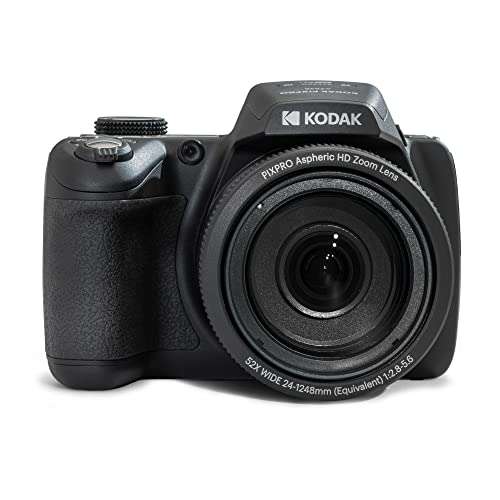
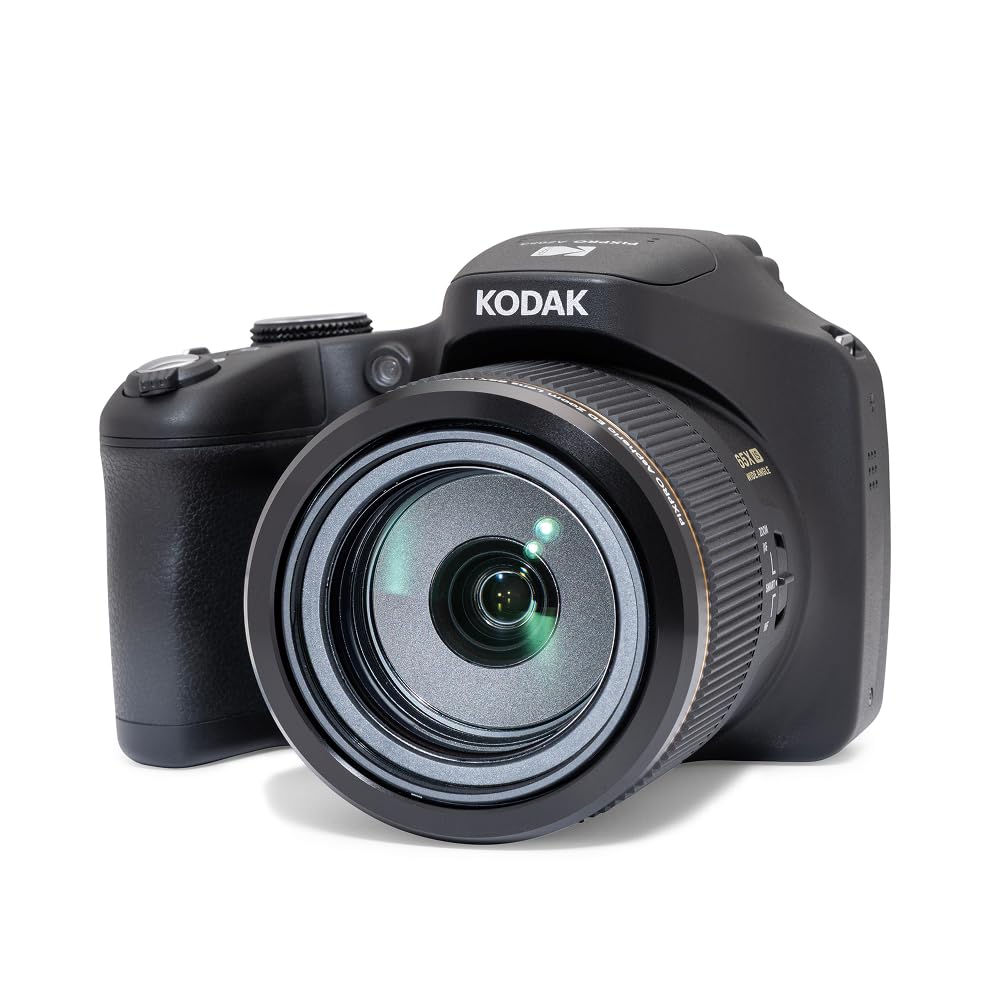
A bridge camera looks like a small DSLR but has one fixed lens that zooms from wide views to extreme telephoto. That single box answers the beginner problem neatly: no lens changes, no dust on the sensor, and reach that would cost far more in an interchangeable system. Prices run about $300 to $600 for capable models. The trade off is a small sensor, so dawn and dusk images look grainier and autofocus slows in dim light. It is also the easiest type to carry all day, which means it is the camera you actually bring. For feeder birds, zoo visits, and learning the craft, that trade is usually worth it.
| Camera Type | Typical Reach | Low Light Ability | Typical Price |
|---|---|---|---|
| Bridge superzoom | Very long, fixed lens | Fair | about $300 to $600 |
| Mirrorless with telephoto zoom | Long, lenses can grow | Good | about $900 to $1,800 |
| Used interchangeable lens kit | Long, lenses can grow | Good | about $600 to $1,200 |
Best Digital Cameras for Wildlife Photos: Tips for First Time Buyers
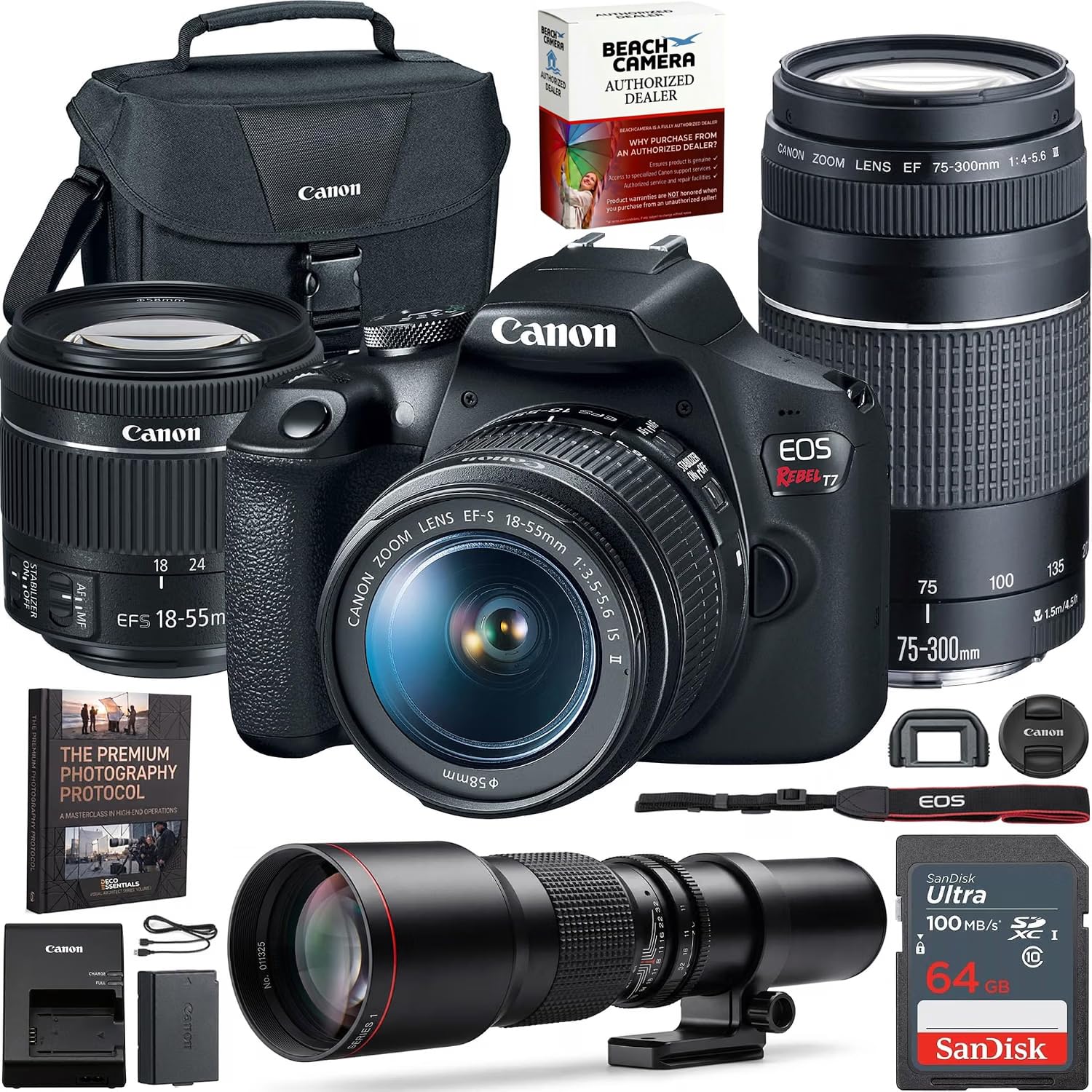
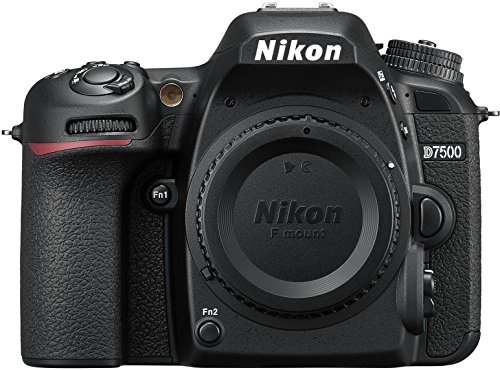
The growth route is a digital interchangeable lens camera bought used. A previous generation mirrorless or DSLR body with a starter telephoto zoom costs about $600 to $1,200 from a reputable used seller, and it outperforms a bridge camera in dim light and focus speed. Check the shutter count if it is listed, since a very high count means a harder previous life, and confirm the sale includes a battery and charger. The real advantage is the future: the same body accepts a longer, faster lens later, so your first purchase becomes a system instead of a dead end. Our roundup of the best digital cameras explains the main digital types if you want broader background before choosing this route.
Budget for Support Gear From Day One
A long lens is hard to hold steady, so support gear belongs in the first budget, not on a later wish list. A monopod takes the weight during long waits and steadies the frame, while a tripod suits patient hide and feeder setups. Expect about $100 to $200 for a serviceable monopod or tripod, a padded bag that fits the camera with its long lens attached, a spare battery, and extra memory cards. Skipping these items is the most common reason a good camera underperforms, because tired arms and a full card end more sessions than any spec does.
Rookie Mistakes to Avoid
Most beginner regrets come from the same few buying decisions.
- Paying for the highest megapixel count while ignoring zoom reach, so distant animals stay tiny no matter how large the file is.
- Believing digital zoom figures on the box, then discovering the images look cropped and smudged at home.
- Buying the heaviest pro style kit, then leaving it behind because a long walk with it feels like work.
- Spending the whole budget on the camera and keeping nothing back for a support, spare battery, or memory cards.
- Chasing shy animals on foot instead of waiting quietly, which scares more subjects away than any lens can recover.
Getting Started: Setup and First Use
Your first week matters more than your first purchase. Charge the battery fully, format the memory card in the camera, and set continuous autofocus with a moderate burst rate before you go anywhere. Spend your first sessions somewhere forgiving, such as a garden feeder or a park pond, where animals are used to people. Practice following a moving subject through the viewfinder at full zoom, since that skill takes longer to learn than any menu.
Clean the front lens element with a lens cloth, never your shirt, because grit on fabric scratches coatings. Carry a spare battery and a second card every time, and review your images each evening to note which settings worked, so the next outing starts smarter. Set the clock and date correctly too, because sorting a season of photos later is far easier when the files are honest.
Frequently Asked Questions
What features matter most in a camera for wildlife photos?
Reach, autofocus tracking, and burst rate matter most, in that order. One factor the main sections only touch on is shutter sound: a loud mechanical shutter can startle birds at close range, so a camera with a quiet or electronic shutter mode earns its keep near feeders and hides. Weather sealing comes next for anyone who shoots outdoors all year. Megapixels, video extras, and touchscreen gimmicks all rank below those points, because none of them help if the animal is tiny, blurred, or gone.
How much zoom do I need for birds and small animals?
For small birds, plan on an equivalent reach of about 400 to 600 mm or a bridge zoom in the 50x class and beyond. You can reduce the reach you need by changing the setup instead of the lens: a feeder placed about 10 to 15 feet from a window or hide lets a modest zoom fill the frame. Distance shrinks fast outdoors, so a subject that looks close to your eyes is usually farther than it feels. Positioning beats purchasing at this level.
Is a smartphone enough for wildlife photos?
A smartphone is enough for tame and close subjects, such as zoo animals near the glass, park squirrels, and pets. Its wide lens is the limit, because distant animals record as a few pixels that fall apart when cropped. Use the phone for habitat scenes, casual snapshots, and quick notes on where animals appeared. If phone photos of the local heron keep frustrating you, that frustration is the clearest sign you are ready for a camera with real optical reach.
Which camera type is best for low light at dawn and dusk?
Interchangeable lens cameras with APS C or full frame sensors handle dawn and dusk best, especially paired with a lens that has a wide maximum aperture. Animals are most active in those dim hours, so this advantage matters more than it first appears. A monopod helps here in a way the earlier sections did not cover: it steadies the camera enough to use slower shutter speeds on animals that are standing still. Bridge cameras remain usable at dawn, but expect grainier files and slower focusing.
How much should I spend on my first wildlife camera?
A realistic first budget is about $400 to $800 all in. That covers a capable bridge camera at about $300 to $600 plus the support gear, spare battery, and cards described earlier. If you prefer the used interchangeable route at about $600 to $1,200, the same rule applies: hold back money for support and storage. Spending more mainly buys low light quality and faster focus, not better pictures by itself. Your fieldcraft will improve your results faster than an upgrade in your first season.
The Bottom Line
Your first wildlife camera should match the animals within easy reach of home. Judge every option by reach, autofocus tracking, and burst rate, then check that the total price leaves room for a support, spare battery, and cards. A bridge superzoom is the simplest start, and a used interchangeable lens kit is the route that grows with you. Start local, learn the craft, and upgrade the lens before the body when the time comes.
The product table above pulls the main types into one quick comparison. Choose the best cameras for wildlife photos that you will happily carry on an ordinary Saturday, because the camera in your bag beats the perfect camera left at home.


