
Best Cameras for Wildlife Photographers for 2026
Disclosure: We may earn a commission when you buy through links on this page, at no extra cost to you. As an Amazon Associate I earn from qualifying purchases. Learn more

Find cameras for wildlife photographers with checks on autofocus, sensor size, lens reach, low light and weather sealing for birds and mammals.
Wildlife rarely waits, poses or comes close. A bird lifts off in a second, a deer steps into shadow, and the distance between you and the animal is set by safety and respect, not by your feet. The best cameras for wildlife photographers close that gap with fast autofocus and real lens reach, and the comparison table below lets you check those points.
Start with the animals you photograph most. Birds in flight demand tracking and burst speed, mammals at dawn demand low light quality and quiet shooting, and hikers demand low weight. The sections below match each need to a camera type, a sensor and a lens plan.


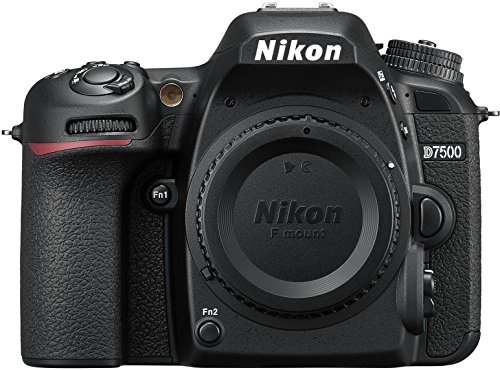

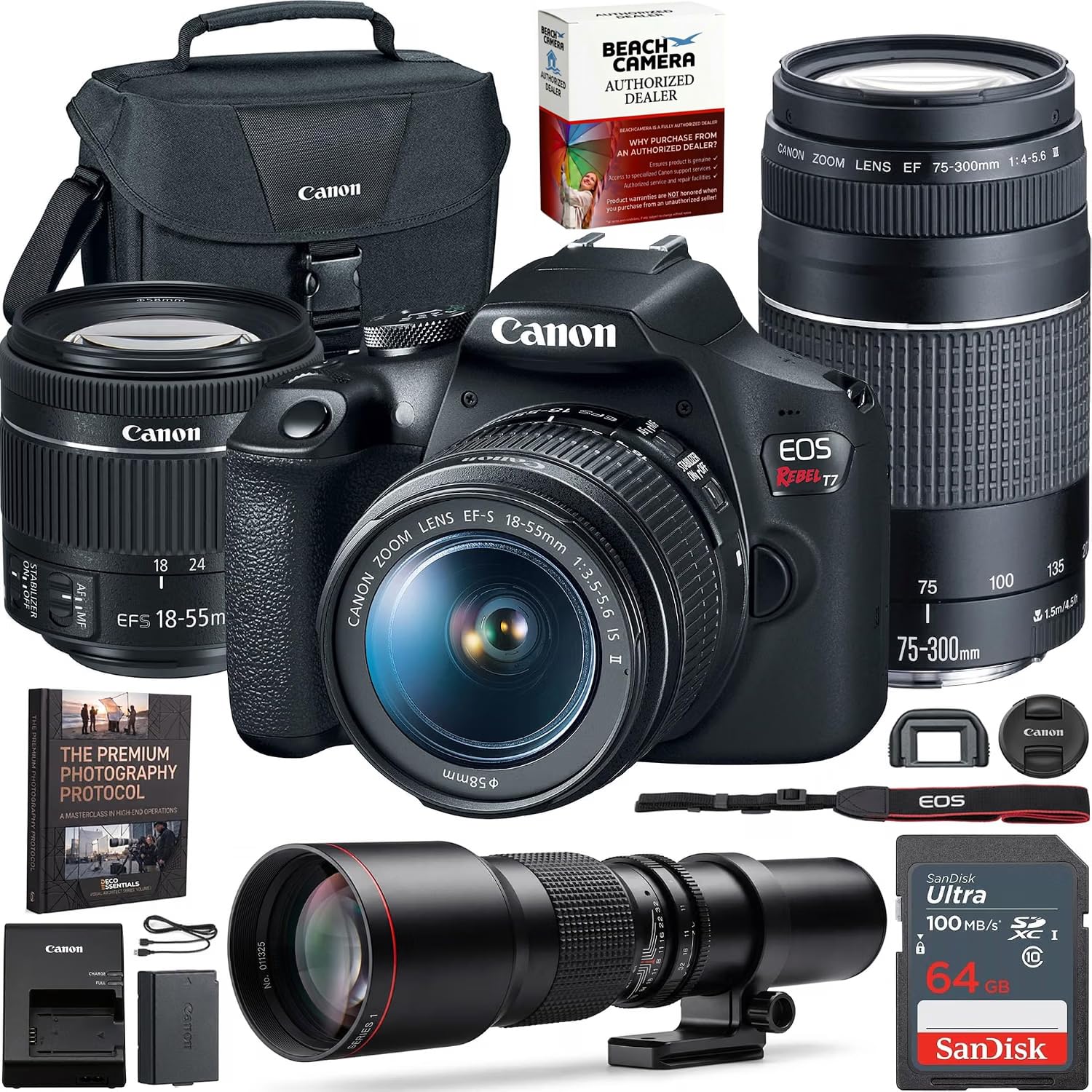
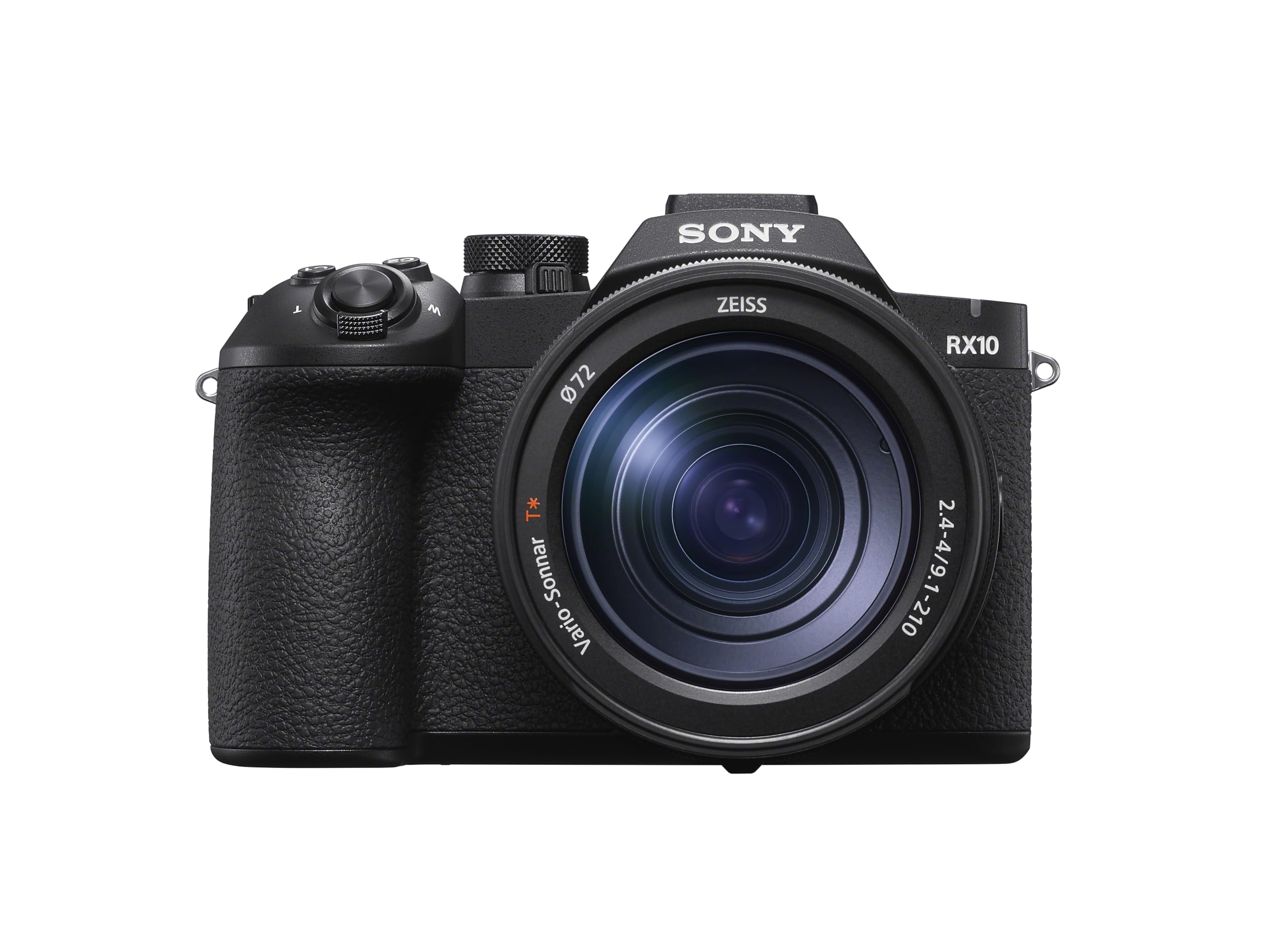
Who Should Buy Which Camera for Wildlife Work?
Your subject decides your priorities more than any brand does. Choose the group below that matches most of your outings, then carry its priorities into the feature checks.
Bird Photographers Who Follow Fast Movement
You need autofocus that finds a small bird against sky or branches and holds it while the wings move. Put burst rate, buffer depth and animal eye detection at the top of your list, paired with a long telephoto lens. Resolution also matters, because cropping turns a distant bird into a frame filling image.
Mammal Photographers Who Work at Dawn and Dusk
You often shoot in the dimmest useful light, when deer, foxes and bears are active and the woods are still dark. Put clean high ISO results, a bright lens aperture and a silent shutter ahead of headline burst speed. Steady support matters too, because slow shutter speeds are common under tree cover.
Hiking Photographers Who Carry Gear All Day
You earn your images on foot, so every pound competes with water, layers and food. A smaller APS C body or a bridge camera gives useful reach at a weight you will carry to the far end of a trail. Accept a modest loss in low light quality if it means the camera comes along, and keep weather sealing for wet days.
Key Features to Compare
Compare these factors in order, because weak autofocus or lens reach cannot be fixed by a higher pixel count.
Autofocus Speed and Animal Eye Detection
Autofocus decides how many of your chances become sharp frames. Look for subject detection that recognises animals and birds and a dedicated mode for eyes, since focus placed on a shoulder leaves the eye soft. Notice how tracking behaves when the animal passes behind grass, because brief blocks are normal in the field. Focus area choices help you tell the camera to ignore foreground reeds.
Sensor Size, Resolution and Room to Crop
A full frame sensor gathers more light and usually gives cleaner results as ISO rises, which suits dawn and forest work. An APS C sensor narrows the field of view for a given lens, which effectively adds reach and keeps long lenses smaller and cheaper. Resolution of about 24 to 45 megapixels gives room to crop, but very high counts fill cards faster.
Lens Reach and the Lens System Behind the Body
Reach comes from the objective lens, not the body alone, so judge a camera by the telephoto lenses available for it. For most birds and shy mammals, about 400 to 600 mm on full frame is the working range, while APS C bodies reach similar framing with shorter glass. For broader format comparisons, see our guide to the best digital cameras.
Burst Rate, Buffer and Silent Shooting
A burst rate of about 10 to 20 frames per second captures wing positions and brief expressions that single shots miss. The buffer decides how long that rate lasts, so a fast headline figure with a shallow buffer suits only short moments. An electronic shutter gives silent shooting and the highest rates, though it can distort very fast wings on some bodies.
Low Light Results and Steady Handheld Shots
Low light results depend on sensor size, the ISO range you are willing to use and the widest aperture of your lens. Image stabilization in the body or lens steadies slow shutter speeds for still animals, letting you hold ISO down and keep detail in fur and feathers. It cannot freeze a moving subject, so shutter speed still rules action shots. For framing ideas, see our guide to the best cameras for wildlife photos.
Battery Life, Weather Sealing and Build
Cold mornings drain batteries faster than screen ratings suggest, so plan on a spare and check whether USB C charging works from a power bank. Weather sealing with gaskets at doors and dials shrugs off drizzle and dust when paired with a sealed lens, though no camera should sit unprotected in heavy rain. Shots per charge of about 300 to 700 are typical for mirrorless bodies.
Types of Cameras for Wildlife Work
Three body types cover nearly every wildlife need, and this is where the choice of best cameras for wildlife photographers becomes practical, about lens plans and weight rather than numbers.
Mirrorless Cameras with Interchangeable Lenses
Mirrorless bodies lead on subject detection, silent shooting and video, and their viewfinders show exposure before you press the shutter. They pair with the newest long telephoto lenses and teleconverters. The costs are shorter battery life and higher prices for the fastest bodies. For action focused setups, see our guide to the best cameras for shooting wildlife.
DSLR Cameras with Optical Viewfinders
A DSLR gives you a bright optical view with no lag, long battery life and access to a deep pool of used telephoto lenses at lower prices. Animal eye detection is usually less advanced than on recent mirrorless bodies, and weight is the main drawback on long walks. A DSLR still suits blind based work, where the camera stays on a tripod for hours.
Bridge Cameras with Built In Superzoom Lenses
A bridge camera puts a very long optical zoom into one sealed unit, with effective reach that can pass 1000 mm in full frame terms. You gain a light, simple kit with no lens changes in dust or rain. You give up low light quality and fast tracking, because the small sensor cannot match larger formats in dim light. Bridge models suit travel and learning field craft on a modest budget.
Common Mistakes to Avoid
Most regrets come from buying the body first and thinking about lenses and distance later.
- Buying a body with no affordable long lens leaves you too far from shy animals.
- Judging a camera by megapixels alone leads to noisy images when a smaller, cleaner file would print better.
- Ignoring buffer depth means the camera slows during the wingbeat sequence you waited hours for.
- Carrying one battery in cold weather ends the session early, because cold cells lose charge fast.
- Trusting weather sealing in heavy rain without a cover risks water at the lens mount.
- Choosing the heaviest kit for hiking means the camera stays in the car when animals are far from the road.
How to Make Your Wildlife Camera Last Longer
Field gear fails from moisture, grit and knocks more often than from age. Use a lens cloth, not your shirt, to clear the front element, because shirt fabric can drag grit across the coating. Blow dust off mounts before you wipe anything, and change lenses with the body facing down, inside your jacket when you can, so rain stays off the sensor.
Carry a spare battery warm in an inside pocket and rotate the pair so both age evenly. Store the camera in a dry, padded bag with the lens cap on, and let a damp body air dry before you close the bag. Update firmware when the maker releases autofocus improvements, and check strap lugs and tripod plates each season, since a loose plate causes falls.
FAQ
What features matter most in a camera for a wildlife photographer who tracks birds?
Tracking autofocus with bird eye detection matters most, followed closely by buffer depth. One point worth adding is focus recall, a control that returns focus to a saved distance, which helps when a bird leaves a known perch and returns. A small focus area on the head also beats a wide area that grabs a nearer branch.
How much should a wildlife photographer spend on a first dedicated camera?
A sensible first budget is about $800 to $2,000 for a body and a starter telephoto lens bought together, with the larger share spent on the lens. Readers moving up from a phone can also see our guide to the best cameras for starting photographers for first kit basics. Used lenses stretch that budget well.
Is a smartphone enough for wildlife photography?
No, a smartphone is not enough for most wildlife photography, because its small sensor and short fixed lens cannot frame distant animals with detail. Computational zoom enlarges pixels rather than adding real optical reach, so feathers soften quickly. A phone still earns a place for habitat shots and location notes, as a field notebook that supports the main camera.
Do wildlife photographers need 4K video in a stills camera?
No, 4K video is optional for a stills led wildlife photographer, but it adds value when you record behaviour or calls. Some bodies also offer higher frame rates in 4K for slow motion of takeoffs and strikes. Check recording limits and heat behaviour before a long blind session, because a body that stops mid sequence loses the moment.
How can a wildlife photographer check a used telephoto lens before buying?
Check a used telephoto lens by photographing a flat, detailed subject at its widest aperture and inspecting both edges at full magnification. Uneven sharpness from side to side can signal a decentered element from a past knock. Also work the zoom and focus rings through their full travel, listen for grit, and confirm that stabilization settles without jumping.
Final Thoughts
Put autofocus, lens reach and low light quality ahead of every other claim, and let your main subject set the order. Bird specialists should weight tracking and buffer, mammal specialists should weight clean high ISO results, and hikers should weight the kit they will carry. Compare your shortlist in the product table above.
Chosen that way, the best cameras for wildlife photographers are simply the ones that put a sharp eye and honest detail on the animals you meet. Start with the lens plan, buy the body that serves it, and spend saved hours on field craft.


