
Best Car Travel Crates for Dogs of 2026: Complete Buying Guide
Disclosure: We may earn a commission when you buy through links on this page, at no extra cost to you. As an Amazon Associate I earn from qualifying purchases. Learn more

Learn how to choose the best car travel crates for dogs with sizing, safety, ventilation, and value checks for calmer and safer trips every week.
A loose dog in a moving car can distract you, get hurt during a sudden stop, and turn a short drive into a stressful event for everyone. Choosing the best car travel crates for dogs gives your dog a calm, contained space and gives you a clearer view of the road. This guide explains sizing, safety, materials, and setup so you can compare options with confidence.
Start with your dog and your vehicle, not with a brand name or a sale price. The comparison table below will make more sense once you know the interior space your dog needs, the cargo area you can spare, and how you will secure the crate on every trip.
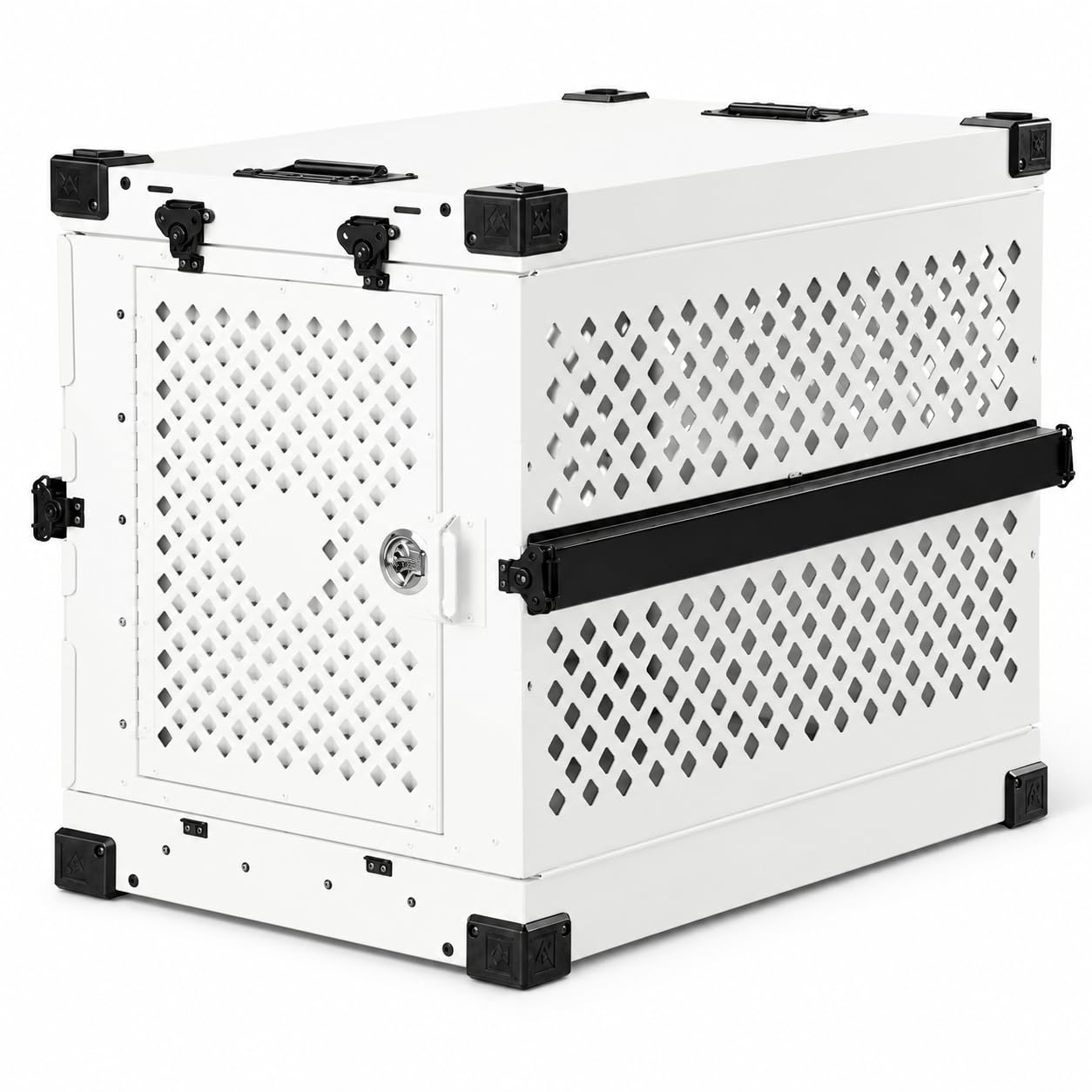
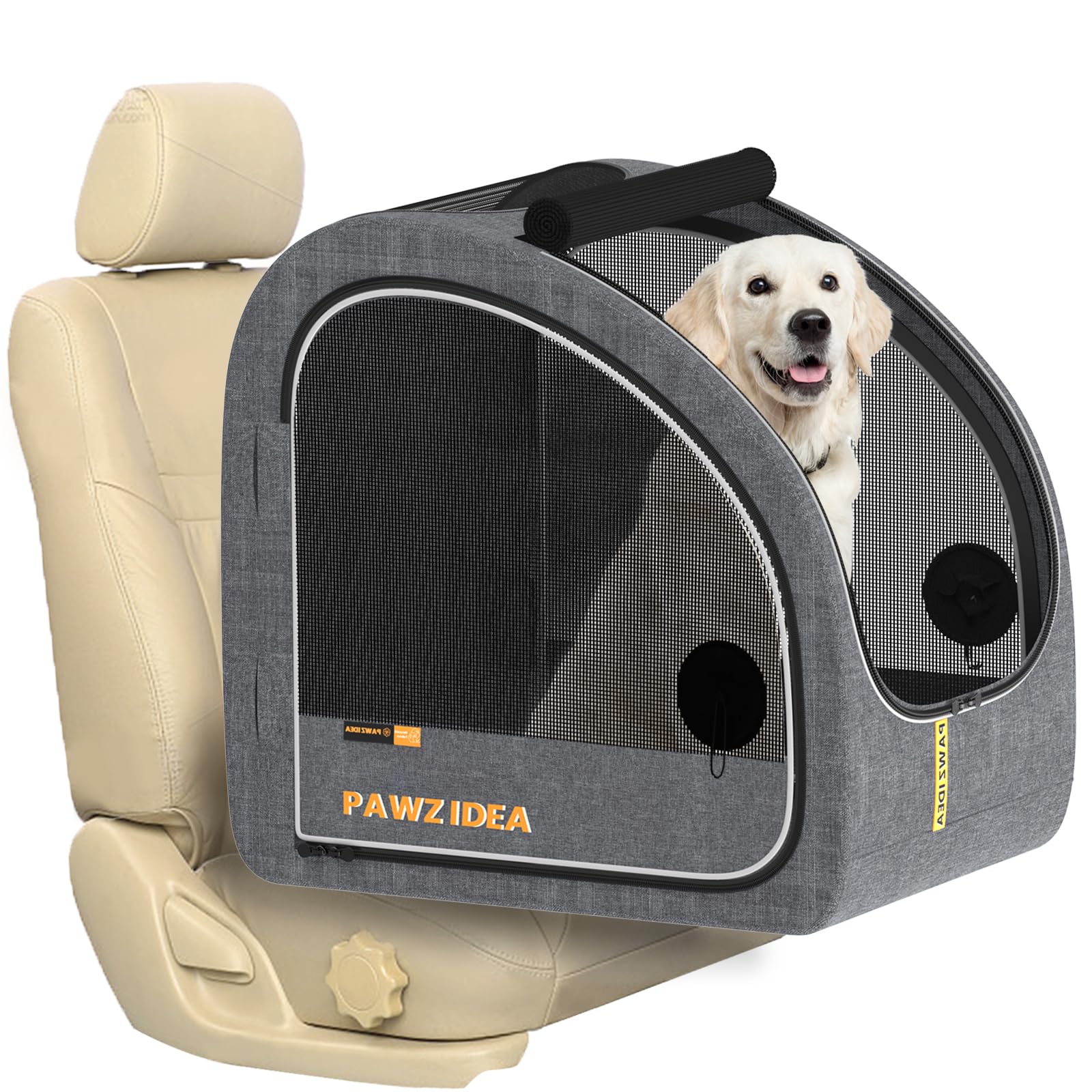


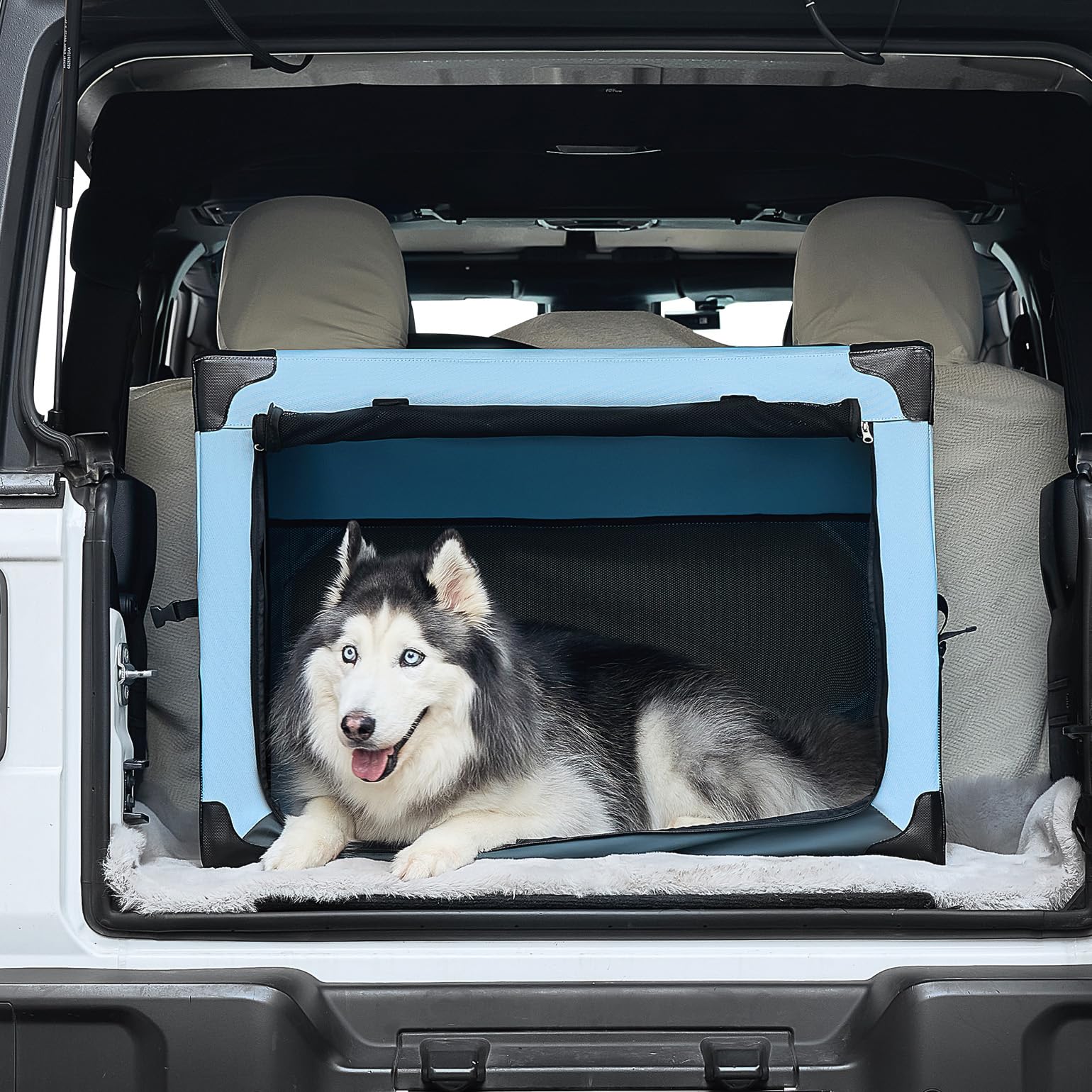
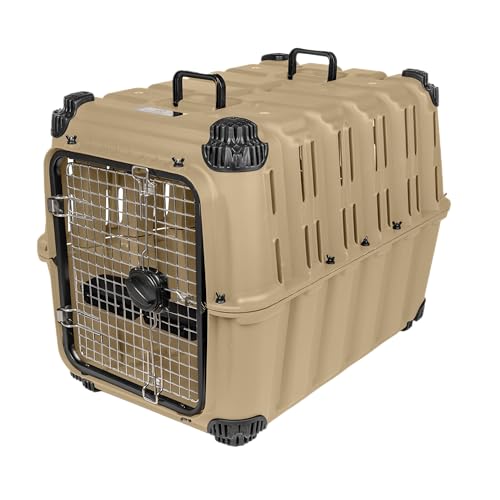

How to Think About Value at a Glance
Three value lenses cover what most buyers need. Use them to decide what matters before you look at the product table above, then match those priorities to the details listed there.
Overall Approach
The strongest all around choice balances crash aware design, solid ventilation, a secure door latch, and a size that fits your cargo area without rattling. Look for thick walls, reinforced corners, and tie down points that let you strap the crate to anchor points in the vehicle. It should feel stable when you push it from the side and quiet when the door is closed. A crate that is excellent on paper but too large to secure properly is not a good overall choice for your car.
Value Approach
Value means safety and durability at a fair total cost, not the lowest sticker price. A mid priced crate with a replaceable door, washable interior, and a clear warranty often costs less over time than a thin crate that cracks or rusts. Check what is included, such as a divider, a leak proof tray, or straps, so you do not pay extra later. If you travel a few times a month, value also means light enough weight that you will actually use it every time.
Beginner Approach
If this is your first crate for car use, prioritize simple assembly, clear instructions, and a door that opens smoothly with one hand. A forgiving size, good airflow, and a design your dog can enter without ducking too low will make training easier. Avoid complex folding systems until you know your routine. Beginners also benefit from a crate that cleans quickly, because early trips often involve mud, shedding, or car sickness, and easy cleaning keeps you willing to practice short drives.
How to Choose the Best Car Travel Crates: Buying Guide
The right crate protects your dog, fits your vehicle, and matches your travel pattern. The sections below break the decision into the checks that matter most for best car travel crates for dogs shoppers who want safety first and convenience second.
Features That Matter for Dogs
Dogs need space to turn around, lie down flat, and change position on longer drives without standing hunched. Ventilation should run along at least two sides so air moves even when one side faces a seat back. The interior should have no sharp edges, no wide gaps where a paw can catch, and a floor that stays dry and grippy. A calm dog also benefits from partial visual cover, which can reduce barking at passing cars and people.
Chewing matters too. If your dog chews when anxious, look for smooth interior walls and a door frame that does not expose soft plastic edges. For heavy shedders, a removable tray and smooth surfaces will save time after every trip.
Measuring for Size and Portability
Measure your dog from nose to the base of the tail while standing, then add about 4 to 6 inches for length. Measure height from floor to the top of the ears or head, whichever is higher, and add about 3 to 5 inches. Then measure your cargo area width, depth, and hatch opening height, because a crate can fit inside yet fail to pass through the door.
Portability is a trade off. A heavier crate often feels sturdier, but if you lift it daily you may prefer a lighter model you can carry with two handles. Wheels help in garages and vet parking lots, yet they add weight and must lock or remove before driving.
Intended Use and Who It Is For
Daily commuters to dog day care need quick loading, easy cleaning, and a crate that stays in the car. Families who take weekend trips need comfort for two to three hours and room for a familiar blanket. Owners who drive to training, hiking, or vet visits in all weather need stronger weather resistance and a door that works with gloves on. If you fly sometimes, note that a car crate is not automatically approved for air travel, so check airline rules separately.
Think also about who else rides in the car. If children sit in the back seat, a crate placed in the cargo area with a solid divider may keep everyone calmer than a crate squeezed beside a child seat.
Key Performance Specs
Look at door latch strength, wall thickness, and how the crate attaches to the vehicle. Tie down slots or strap guides matter more than decorative features. Vent area, measured as open slots spread across sides, affects cooling on warm days. Weight capacity claims should exceed your dog weight by a comfortable margin, and the door opening should be wide enough that your dog does not have to twist sideways to enter. A quiet ride is a performance spec too, so check for rubber buffers that reduce rattling.
Size, Weight, and Fit for Your Space
Fit is three dimensional. A crate may match the floor footprint but block the hatch from closing because of its height at the rear slope of an SUV roof. Place a cardboard box of similar size in the car as a test if you are unsure. Leave space around the crate for airflow and for straps to reach anchor points at a good angle. Never wedge a crate so tightly that you cannot open the door fully in an emergency.
Weight affects fuel use only slightly, but it affects your back every time you lift it. Consider storing the crate in the vehicle if lifting is hard, and choose a model with a finish that tolerates heat in a parked car when empty.
Warranty and Customer Support
A clear warranty that covers latches, hinges, and cracks in normal use tells you the maker expects the crate to last. Check how replacement parts are ordered and whether support replies with sizing help before purchase. Keep your receipt and register the product if the maker offers it. Good support matters most in the first month, when you may discover a fit issue and need an exchange rather than a workaround that compromises safety.
Types of Car Travel Crates
Different constructions suit different dogs and vehicles. If your dog is calm and you want airflow and light weight, you might explore the guide to the best soft dog crates for car travel for trips where a soft sided option is appropriate. For most car use, compare the tiers below by build and purpose.
Premium Options
Premium crates use thick molded plastic or metal, reinforced doors, and hardware built for frequent use. They suit large or strong dogs, long drives, and owners who keep one crate for many years. The cost is higher and the weight is greater, but stability and durability are the payoff. They make sense when safety and long service life matter more than easy lifting.
Mid Range Options
Mid range crates balance solid walls, decent latches, and manageable weight at a moderate price. They fit most family dogs and most SUVs, wagons, and hatchbacks. You may give up some premium hardware, but you gain a crate you can move between vehicles. For many households, this tier offers the best mix of durability, quality, and value for weekly travel.
Compact Options
Compact crates are shaped for small dogs and smaller cargo areas, with lower height and narrower width. They load easily and leave room for groceries or luggage. The limit is obvious: a growing puppy or a tall small breed can outgrow them quickly. Measure carefully and consider your dog full grown size before choosing compact to save space.
Budget Options
Budget crates cover basic containment for calm, crate trained dogs on short drives. Walls and latches are usually lighter, so inspect them often and secure the crate especially well. They can be a sensible starter option while you learn your routine, provided you do not rely on them for a strong chewer or an anxious dog that pushes hard on doors. Replace a budget crate at the first sign of cracking.
If your needs extend beyond the car, our overview of the best travel crates for dogs explains how home and travel use differ. Owners of bigger dogs should also read the notes in the best travel crates for large dogs guide, because large dog fit changes door size and strap placement.
Tips to Get the Most From Your Car Travel Crate
- Read the manual before first use: Confirm strap routing, door operation, and any weight limits before your dog gets in.
- Clean and inspect regularly: Wash the tray weekly, wipe walls, and check latches and hinges for cracks or loose screws.
- Store in a dry place: Dry the crate fully before storing to prevent odor and rust on metal parts.
- Register the product for warranty: Registration can speed up parts requests and proof of purchase if a latch fails.
- Practice at home first: Let your dog rest in the crate in the house, then in the parked car, then on very short drives.
- Secure every trip: Use straps to vehicle anchor points even for a five minute drive, because most incidents happen close to home.
Vehicle choice also shapes fit, and the guide to the best car for dog crates shows what cargo shapes work best. If you are comparing formats more broadly, the best crates for car travel overview helps you see how car specific designs differ from general crates.
Car Travel Crates: Your Questions Answered
What features matter most in car travel crates for dogs?
A secure latch, tie down points, and ventilation on at least two sides matter most. Add a size that lets your dog turn and lie flat, plus a washable floor. A quiet, rattle free fit in your cargo area is also key, because noise raises stress on long drives and can distract you.
Are expensive car travel crates worth it?
They can be worth it if you travel often, have a large or strong dog, or want a crate that lasts through several years of daily use. The extra cost usually buys thicker walls and better hardware. For a calm small dog on rare short trips, a well secured mid range crate may meet your needs without the premium price.
How do I maintain a car travel crate?
Remove bedding and shake out hair after each trip, wash the tray with mild soap, and dry all parts fully. Monthly, inspect the door frame, hinges, and strap slots for wear. Lubricate only if the maker advises it, and replace worn straps right away. Clean crates smell better and encourage your dog to settle willingly.
How long does a car travel crate last?
A quality crate often lasts five years or more with regular care, while a light budget crate may show wear in one to two years of heavy use. Sun exposure, chewing, and frequent folding shorten life. Retire any crate with a cracked wall, a bent door, or a latch that pops open when you pull firmly.
How much should I spend on a car travel crate?
Many families spend about $80 to $250 for a solid mid range crate, with premium metal or heavily reinforced models costing more. Small dog crates can cost less. Budget for straps if they are not included. Spending a bit more for correct size is wiser than saving money on a crate your dog cannot lie in comfortably.
What features matter most when buying car travel crates?
Start with fit for both dog and vehicle, then check door security and ventilation. Next look at cleaning, weight, and warranty. Easy to use details such as two handles and a door that swings clear of the hatch save frustration daily. Features that do not improve safety, comfort, or cleaning can be skipped.
Final Thoughts
Measure your dog and your cargo area, prioritize a secure door and proper tie down, and choose ventilation that keeps your dog cool and calm. Those three checks will narrow the field more honestly than any brand claim. When you compare the product table above with those priorities, the best car travel crates for dogs for your family should become clear, and every drive can start with a settled dog and a focused driver.


