
Best Cameras for Vacation Pictures: A First Time Buyer's Guide for 2026
Disclosure: We may earn a commission when you buy through links on this page, at no extra cost to you. As an Amazon Associate I earn from qualifying purchases. Learn more

Shopping for cameras for vacation pictures? Learn sensor size, zoom, weather sealing, and battery life so you can pick a travel friendly camera with confidence.
Choosing best cameras for vacation pictures for the first time can feel confusing, because every listing seems to promise sharper photos and easier travel. This guide starts with the basics, explains the specs in plain language, and helps you match a camera to the kind of trip you actually take. The comparison table below can help you line up the main types side by side before you decide.
A vacation camera does not need to do everything. It needs to be easy to carry, quick to use, and reliable in bright sun, dim restaurants, rain, and crowded streets. Keep that test in mind as you read, and you will avoid paying for features you will rarely use on a trip.






Cameras 101: The Basics
A camera records light through a lens onto a sensor, and the sensor turns that light into a photo file. The lens controls how much of a scene fits in the frame and how much light reaches the sensor. The sensor size, the lens quality, and the processing inside the camera together shape how clean and detailed the final picture looks.
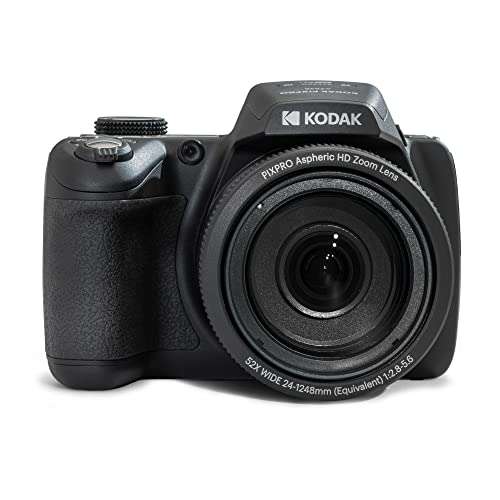
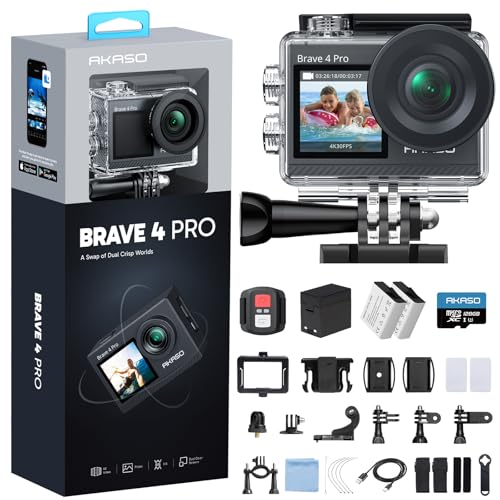
For travel, the main types are compact cameras, mirrorless cameras, action cameras, and instant cameras. Compact cameras are small and simple. Mirrorless cameras give you more control and better low light results, but they are larger and need more learning. Action cameras are tough and tiny, and they suit beaches, boats, and active days.
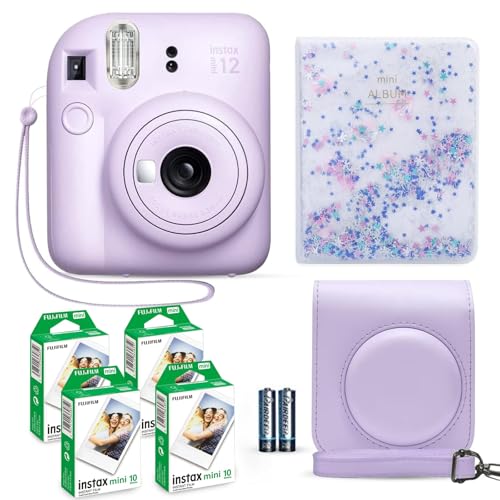
Instant cameras print a small photo on the spot, which suits keepsakes more than detailed travel albums. For a closer look at general picture taking options, see our guide to best cameras for pictures.
Key Specs Explained in Plain English
Specs matter only when you know what they change in a real photo. The sections below explain each one in simple terms and give a sensible starting point for a first time buyer.
Features That Matter for Vacation Pictures
Vacation pictures need fast focus, dependable exposure, and a camera you will actually carry all day. Look for quick autofocus that locks onto people and moving subjects, image stabilization that steadies handheld shots, and a simple auto mode that handles mixed light well. A tilting screen helps for overhead shots and low angles, and a built in flash or a good high sensitivity setting helps indoors. If you plan beach days, boat rides, or mountain walks, weather sealing and a secure grip matter as much as any headline spec.
Sensor Size and Image Quality
Sensor size describes the light gathering area inside the camera, and larger sensors usually handle dim light and fine detail better. Common sizes include 1 inch, APS C, and full frame, with larger sizes generally costing more and needing larger lenses. Megapixels alone do not tell the whole story, because a well designed sensor with good lenses can beat a crowded sensor with weak optics. For most vacation albums, a 1 inch or APS C sensor gives a clear step up from a phone without forcing you into heavy gear.
Lens and Zoom Range
The lens decides how wide a street scene you can capture and how close you can pull a distant landmark. Optical zoom uses the lens itself to magnify, so it keeps detail far better than digital zoom, which simply crops the image. A range from wide angle to moderate telephoto suits most trips, because it covers rooms, landscapes, and portraits without constant lens changes. A wide maximum aperture, written as a low f number, lets in more light and helps in dim rooms and evening streets.
If you want a broader travel overview, see our guide to best cameras for vacation.
Durability and Weather Sealing
Vacation cameras face sand, spray, humidity, and sudden rain, so build quality deserves real attention. Weather sealing helps keep moisture and dust out of buttons and seams, but it does not make every camera safe to dunk in water. A truly waterproof model is rated for immersion, while a weather sealed model is meant to survive splashes and light rain. Fogging can also ruin a morning shoot, so look for sealed construction and keep the camera in a dry bag when moving between air conditioning and humid air.
A wrist strap or neck strap is a cheap safeguard against drops on boats, viewpoints, and busy streets.
Size, Weight, and Ergonomics
The best travel camera is the one you still enjoy carrying after eight hours on foot. A smaller body fits in a jacket pocket or a small day bag, while a larger body may offer a better grip, a larger battery, and easier controls. Hold the camera in mind as you shop: check that buttons fall under your thumb, that the grip feels secure with one hand, and that the screen stays readable in sunlight. Weight adds up fast once you add a spare battery, a charger, and a case, so count the full kit, not just the body alone.
Battery Life and Charging
Battery life is often listed as shots per charge, and that number assumes a mix of screen use, flash, and zoom. Cold weather, video clips, and heavy screen use will lower it, so a second battery is one of the smartest first accessories for a trip. USB C charging is convenient because you can top up from a power bank, a laptop, or a hotel outlet with one cable. Check whether the camera charges while in use or only when switched off, since that detail matters on long sightseeing days.
For a fun side option that prints on the spot, see our guide to best instant picture cameras.
Rookie Mistakes to Avoid
- Buying on megapixels alone, which can hide a small sensor, a slow lens, and weak low light performance.
- Choosing the longest zoom without checking weight, because a heavy lens often stays in the hotel room.
- Skipping weather protection, which leaves sand and spray free to damage a camera on the first beach day.
- Forgetting a spare battery and memory card, which can end a great day of shooting far too early.
- Leaving everything on auto without learning focus and exposure basics, which wastes the advantage of a better camera.
Getting Started: Setup and First Use
When the camera arrives, charge the battery fully, set the date and time, and format the memory card inside the camera. Take a short practice walk before the trip and try the same scene in auto mode, in portrait mode, and in landscape mode, so you learn which setting you trust. Use a lens cloth, not your shirt, to clean the front glass, because fabric and grit can scratch coatings over time. Pack a spare battery, a card case, and a simple cleaning cloth, and keep the camera in a padded pouch inside your day bag.
On the first day of the trip, start with familiar subjects and simple light, then try harder scenes as your confidence grows. Review a few photos on the screen at full size, not just as thumbnails, so focus problems show up early. If a shot looks soft, check whether the camera focused on the background instead of your subject, and try a single focus point next time. Small habits like these will improve your pictures faster than any new accessory.
Cameras: Your Questions Answered
What features matter most in cameras for vacation pictures?
Fast autofocus, effective stabilization, and a lens range that covers wide scenes and portraits matter most for vacation pictures. A camera that focuses quickly will catch street moments and family reactions before they pass. Stabilization helps in dim museums and evening streets, where slower shutter speeds would otherwise blur handheld shots. Add weather resistance and a comfortable carry size, and you have a kit that works across a full trip.
A huge zoom or a very high megapixel count matters less if the camera is too heavy or too slow to use.
How much should I spend on my first one?
A sensible first budget depends on how often you travel and how large you plan to print or share your photos. Around $300 to $600 buys a capable compact or entry mirrorless setup for most vacation albums. Around $600 to $1,000 opens up larger sensors, better lenses, and stronger low light performance. Spending more mainly buys speed, durability, and lens choice, not a guarantee of better pictures.
Start near the lower end if you are still learning, and put any leftover budget toward a spare battery, a memory card, and a protective case.
Do I need a tripod for vacation pictures?
Not usually. Stabilization, a steady railing and a slightly higher sensitivity setting cover most dim scenes, and a full size tripod is heavy to carry. A small tabletop tripod is worth the space for night skylines and group timer shots.
Check its folded size against your day bag, and practice using the timer at home so you are quick on the trip.
Which is better for low light?
A larger sensor with a wide aperture lens usually gives the cleanest low light results, because it gathers more light before noise becomes visible. Stabilization also helps, since it lets you use slower shutter speeds without blur from hand movement. A camera with a good high sensitivity setting will keep indoor and evening photos usable, though some grain is normal in very dim scenes. Avoid relying on a harsh built in flash for people photos, because it can flatten faces and darken backgrounds.
Try a wider aperture first, then raise sensitivity gradually until the picture looks natural.
Is a smartphone enough instead?
A modern smartphone is enough for many vacation snapshots, especially in bright daylight and for quick sharing. A dedicated camera earns its place when you want a real optical zoom, better low light detail, a larger sensor, or more control over focus and exposure. It also helps when you print large photos or shoot in rain, sand, or cold weather with a sealed body. If you already enjoy phone photos and rarely feel limited by them, a camera may add weight without adding joy.
What specs matter most for beginners?
Beginners should focus on sensor size, lens range, autofocus speed, stabilization, and battery life, in that order. Those five specs decide whether photos look clean, whether distant subjects stay sharp, and whether the camera keeps working through a long day. Menu simplicity and a clear auto mode matter too, because a camera you understand will get used far more than a complex one left on auto. For a general comparison across camera types, see our guide to best digital cameras.
Final Thoughts
Start with size, sensor, lens range, and battery life, then let your trip style narrow the choice. A light, weather resistant camera with fast focus will serve most first time buyers better than a heavy kit with specs they never use. Check the product table above once more, compare the types that fit your budget, and choose the camera you can picture yourself carrying happily all day. With best cameras for vacation pictures as your guide, a little practice before departure will do more for your album than any single feature.


