
Best Cameras for Vacation of 2026: Complete Buying Guide
Disclosure: We may earn a commission when you buy through links on this page, at no extra cost to you. As an Amazon Associate I earn from qualifying purchases. Learn more

Compare vacation camera types, sensor sizes, zoom ranges and battery plans, and learn how to choose a light camera for beaches, cities and family trips.
Finding the best cameras for vacation starts with how you actually spend your days away, because a beach trip, a city break and a family road trip reward different strengths. The comparison table below groups cameras by type and price level, so you can see the main trade offs before you weigh sensor size, zoom range and battery life.
A good vacation camera should be easy to carry, quick to start and forgiving when light changes fast, from bright sand to shaded streets. It should record the moments you care about without forcing you to manage settings all day, and it should survive dust, splashes and long days in a day bag. The sections below walk through spending levels, key features and camera types in that order.





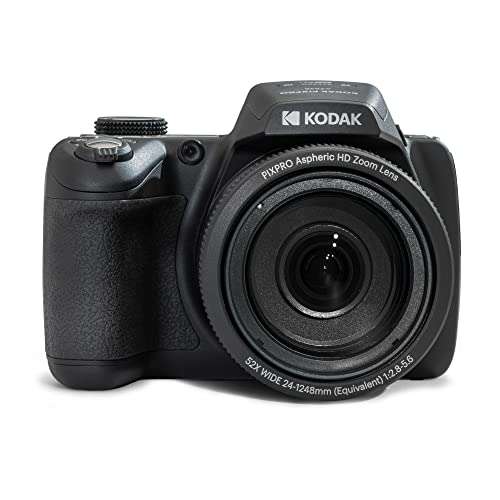


Spending Levels for Vacation Cameras
Price bands help you decide where extra money buys real benefit and where it mainly buys weight and complexity. Use these levels as a planning guide, and match the level to how often you will use the camera after the trip.
Everyday Value Level
The everyday value level, at about $200 to $500, suits travelers who want better zoom and low light results than a phone, without a large kit. Cameras in this band usually offer a fixed zoom lens, simple controls and a pocket friendly body, which makes them easy to carry to dinner, markets and viewpoints. You may give up some low light headroom and lens choice, but you gain simplicity, and that matters when you want to enjoy the trip rather than manage gear.
Confident Mid Level
The confident mid level, at about $500 to $1000, suits travelers who shoot daily, print favorite photos or edit short videos after the trip. Cameras here often pair a larger sensor with a brighter lens, faster autofocus and better stabilization, which helps in dim restaurants and evening streets. You still keep the kit fairly light, especially with a compact interchangeable lens body and one versatile zoom.
Serious Trip Level
The serious trip level, at about $1000 to $2000, suits travelers who plan shoots around light, landscapes or wildlife and who accept a larger bag for that control. Larger sensors, wider lens choice and stronger weather sealing help in demanding conditions, from coastal spray to mountain rain. This level only makes sense if you will carry the kit all day and use the extra control often, because weight and cost rise quickly once lenses and accessories join the bag.
How to Choose the Best Cameras: Buying Guide
The features below matter in different ways on vacation, so read them as a checklist for your own trip style. A beach traveler needs sealing and sand resistance, a city traveler needs low light strength and discreet size, and a family traveler needs fast autofocus and simple sharing.
Features That Matter for Vacation
Vacation shooting rewards fast startup, reliable autofocus and a screen you can see in sunlight, because moments pass quickly and light changes from street to shade in seconds. A zoom range that covers wide streets and distant details reduces lens changes, while good stabilization keeps handheld video and dusk photos usable. Battery life matters too, because charging points may be scarce on long sightseeing days, so check shot counts and USB C charging before you travel.
Sensor Size and Image Quality
Sensor size shapes low light performance, background softness and the ability to hold detail in bright skies and dark shadows at the same time. A 1 inch sensor usually improves on a much smaller sensor in dim rooms, while an APS C sensor gives more headroom for evening scenes. Full frame sensors offer the most low light range, but they bring larger lenses and a heavier bag. Megapixel count alone does not decide quality, because lens quality, processing and stabilization shape the final picture just as much.
Low Light Performance
Low light results depend on sensor size, lens brightness and how the camera handles noise at higher ISO settings. A brighter lens, shown by a smaller f number, lets in more light and can keep photos cleaner without harsh gain. Watch sample images at dusk rather than judging a single bright daylight photo, and look for smeared detail and color shifts in video.
Lens and Zoom Range
Zoom range decides whether one camera can cover a wide plaza, a portrait at a cafe table and a distant tower without a lens change. Optical zoom uses the lens itself and keeps detail, while digital zoom crops the image and usually softens it, so favor optical range in your comparison. A versatile travel zoom often starts wide, near 24mm, and reaches into the short telephoto range, which covers most vacation scenes.
Size, Weight, and Ergonomics
A vacation camera should feel comfortable after hours of walking, with a grip that suits your hand and controls you can reach without looking down. Pocket models win for dinners and light days, while larger bodies suit travelers who accept a shoulder bag for better low light results and lens choice. Check the screen angle too, because a tilting screen helps with low angles, overhead crowds and self portraits. Maker guidance on charging and battery care also belongs in this decision, because a comfortable camera that dies by mid afternoon will miss the evening light you traveled to see.
Battery Life and Charging
Battery life varies with screen use, video length, stabilization and cold weather, so treat maker shot counts as a rough guide rather than a guarantee. Carry a spare battery in a case for long days, and favor cameras that charge over USB C, which lets you top up from a portable charger on a train or at a cafe. Turn off constant wireless connections when you do not need them, and keep spare cards in the same pocket as the spare battery. See our guide to best digital cameras for a broader comparison of battery and size trade offs.
Types of Cameras
Vacation cameras fall into a few broad types, and each one trades size, control and cost in a different way.
Compact Travel Cameras
Compact travel cameras pair a fixed zoom lens with a pocket friendly body, which makes them ideal for light days, city walks and travelers who want one camera for everything. They start fast, slip into a jacket pocket and handle most daylight and dusk scenes well. Their limits show in very low light and in distant wildlife, where a longer lens or a larger sensor would help, but their simplicity often means you shoot more and fuss less.
Larger Interchangeable Lens Cameras
Larger interchangeable lens cameras give you lens choice, stronger low light results and better audio control for video, at the cost of size, weight and a larger budget. You can pair one body with a wide zoom for streets and a longer zoom for landmarks. This type suits travelers who plan shoots, print photos or edit video after the trip, and who will carry a dedicated bag without regret.
Vlogging Cameras
Vlogging cameras put video first, with flip screens, face tracking, strong stabilization and microphone options that suit talking to the camera on the move. They also take good stills, but their real strength is steady, well framed video with clear speech in wind and crowds. Choose this type when video diaries or short travel films matter as much as photos, and check the product table above to compare size and price with compact travel models. See our guide to best cameras for photography if stills quality leads your plan.
Choosing Cameras for Your Situation
Your situation narrows the field faster than any specification list, because each use rewards a different balance of size, zoom and audio. Match the sections below to your main trip.
Best Phone Cameras for Vacation
The phrase best phone cameras for vacation points to travelers who want one device for photos, maps, tickets and sharing, without a second camera to carry or charge. Look for strong low light handling, a versatile set of lenses and enough storage for a full trip, and protect the phone with a case and a wrist strap near water. A phone wins for speed and sharing, but it can overheat on long video clips and struggle with distant zoom.
Best Small Cameras for Vacation
The phrase best small cameras for vacation points to travelers who want better zoom and low light results than a phone, in a body that still fits a pocket or a small bag. Look for a comfortable grip, a zoom range that covers streets and portraits, and a battery that lasts a full sightseeing day with a spare in reserve. Small cameras suit dinners, markets and viewpoints where a large kit would feel intrusive.
Best 4K Cameras for Vacation
The phrase best 4k cameras for vacation points to travelers who want sharp video for editing, cropping or viewing on a large screen after the trip. Look for steady stabilization, a microphone option and a memory card fast enough for 4K recording, because slow cards can stop clips at the worst moment. Remember that 4K files fill cards and batteries faster, so pack extra storage and a portable charger.
Best Action Cameras for Vacations
The phrase best action cameras for vacations points to travelers who swim, hike, cycle or ride boats and who need a tough, waterproof body that keeps filming when conditions turn rough. Look for a wide view, strong stabilization and a mounting system that suits your activity, from a chest mount for hiking to a float grip for snorkeling. Audio will need help in wind, so plan for a wind cover when speech matters, and keep the camera tethered near water.
How to Make Your Camera Last Longer
- Use a lens cloth, not your shirt, because fabric can trap sand and grit that scratch coatings over time.
- Carry a spare battery in a case, and store it away from keys and coins that could short the contacts.
- Store the camera in a dry, padded bag during rain, dust and beach trips, and wipe sand from seals before you open any door.
- Update firmware only over a stable connection with a full battery, because an interrupted update can cause faults.
- Format memory cards in the camera rather than on a computer, which keeps the file system matched to the camera.
- Check the product table above when you compare models, and keep cleaning tools with your spare cards so care stays easy on the road.
Cameras: Your Questions Answered
What features matter most in cameras for vacation?
Fast autofocus, good stabilization and a screen you can see in sunlight matter most, because they decide whether you capture a moment cleanly or miss it while adjusting settings. Battery life and a useful zoom range come next, since long days punish cameras that die early or force constant lens changes. For best cameras for vacations, pack a spare battery and a fast memory card as well, because those small items protect more trips than any single headline specification.
What specs matter most for beginners?
Beginners should focus on sensor size, lens brightness, stabilization and simple menus, rather than chasing the highest megapixel count. A larger sensor and a brighter lens help in dim rooms, while reliable autofocus keeps moving family members sharp without manual work. A clear auto mode, a flip or tilt screen and USB C charging will help you learn faster than advanced cinema controls you rarely touch.
How much should I spend on my first one?
Most first time vacation buyers do well at about $300 to $700, where pocket and compact models offer good zoom, decent low light results and simple controls without a large kit. Spend more only when you know you need a larger sensor, a longer zoom or stronger video features, because extra money buys little if the camera stays in the hotel. See our guide to best quality cameras for a broader look at what higher price bands add, and set aside part of the budget for a spare battery and a fast card.
Should I bring a tripod on vacation?
Most vacation photographers can leave a full size tripod at home. Stabilization, a wall or railing for support and a higher sensitivity setting handle most evening scenes. A small tabletop tripod is worth the space for night skylines and group timer shots, and it weighs very little in a day bag.
Which is better for low light?
A larger sensor camera with a brighter lens is usually better for low light, because it gathers more light and produces cleaner images at higher ISO settings. Compact cameras with a 1 inch sensor can still handle dusk streets well with good stabilization, but they will show more noise in very dark rooms. Steadying the camera against a wall and avoiding digital zoom in the dark also help.
Final Thoughts
Choose by trip style first, then by sensor, zoom and battery plan, and let size decide between close contenders. Compact models suit light city days, larger lens cameras suit planned shoots and prints, and action models suit water and adventure days. Check the product table above once more, confirm the spare battery and card plan, and pick the best cameras for vacation that you will actually carry every day.

