Best Cameras for under 1000 Dollars in 2026: Which Type Is Right for You?
Disclosure: We may earn a commission when you buy through links on this page, at no extra cost to you. As an Amazon Associate I earn from qualifying purchases. Learn more

Compare mirrorless, DSLR, compact and action types to choose the best cameras for under 1000 dollars by sensor size, lens options and video features.
Choosing among the best cameras for under 1000 dollars feels confusing because four very different types share the same budget. A mirrorless body, a DSLR, a compact camera and an action camera can all cost about $700, yet each suits a different kind of shooting. This guide compares types rather than naming models, so you can match the format to your subjects first.
Start with how you travel, how much control you want and whether video matters as much as still photos. Then use the comparison table below to see how the types line up on price and purpose.


Types of Cameras Compared Under $1000
Every type below can produce strong images within this budget. The real differences are size, lens choice, handling and how well each type copes with motion, darkness and rough conditions.
Interchangeable Lens Mirrorless Bodies Under $1000
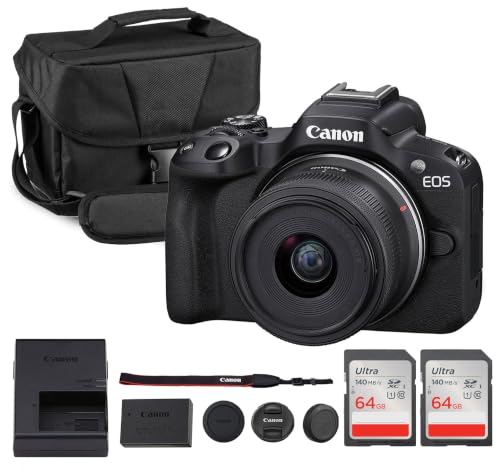
Mirrorless cameras show exactly what the sensor sees through an electronic viewfinder or the rear screen. Most models under $1000 pair an APS C sensor with one kit lens, and you can add lenses later as your interests grow. Bodies stay smaller than DSLRs, and autofocus usually tracks faces and eyes well.
DSLR Cameras With Optical Viewfinders
A DSLR reflects light through a mirror to an optical viewfinder, giving a clear view with no screen lag. These bodies feel larger and sturdier, batteries last far longer per charge, and lens choice is wide, including many used options. To compare formats in more depth, see our guide to the best dslr cameras under 1000 dollars.
Compact Cameras With Fixed Lenses
Compact cameras keep the lens attached and stay small enough for a jacket pocket. Better models in this range use a 1 inch sensor, much larger than a phone sensor, giving cleaner results in dim rooms. You give up lens swapping, yet you gain a camera you will actually carry daily. For a broader look, see our guide to the best digital cameras under 1000 dollars.
Action Cameras for Movement and Water
Action cameras are small, rugged boxes built for mounting on helmets, bikes, boards and chest straps. Most are weatherproof for shallow water without an extra housing, and strong image stabilization keeps bumpy footage watchable. Their tiny sensors and fixed wide lenses limit portraits and dim light quality, so choose one mainly for recording movement.
How to Choose the Right Camera Under $1000
Among the best cameras for under 1000 dollars, the factors below decide image quality and ease of use far more than small differences in megapixel counts. Compare them in this order once the type feels right.
Sensor Size at the $1000 Mark
Sensor size is the strongest predictor of image quality in this price range. A 1 inch sensor suits compact cameras and handles indoor light respectably, while an APS C sensor in mirrorless and DSLR bodies gathers more light and gives softer background blur for portraits. Megapixels matter less than many buyers expect, because about 20 to 26 megapixels already allows large prints and sensible cropping.
Focus Systems and Steady Shots in This Class
Autofocus decides how many moving subjects stay sharp. Face and eye detection helps greatly with children, pets and events, while simple single point focus suits still subjects such as landscapes and products. Image stabilization steadies the camera during handheld shots and video, letting you use slower shutter speeds in dim light. If you shoot active subjects, put autofocus first. If you shoot handheld video or evening scenes, put stabilization first.
Lens and Optical Zoom Range
The lens shapes your photos as much as the camera body does. For interchangeable lens models, check that the mount has affordable lenses in the focal lengths you want, because future lens costs can exceed the body price. For fixed lens models, judge optical zoom rather than digital zoom, since digital zoom only crops the image and lowers detail. A wider maximum aperture, shown by a lower f number, helps in dim light and blurs backgrounds more.
4K Video, Screens and Controls
Most cameras under $1000 now record 4K video, but details differ in ways that affect daily use. Check whether 4K recording crops the frame, whether a microphone input exists, and whether the screen tilts for low angles or flips fully for filming yourself. Physical dials for shutter speed and aperture make learning manual control faster. Decide which of these you will use weekly, and ignore headline video specs you will never open.
Shots Per Charge and USB C Topping Up
Battery ratings for mirrorless and compact cameras often land around 300 to 400 shots per charge, while DSLRs can go far beyond that because the viewfinder uses little power. Video drains batteries much faster, sometimes in about an hour of recording. USB C charging is worth having because you can top up from a power bank while traveling. Budget for one spare battery and a larger memory card, since running out of either ends a shoot.
What You Can Realistically Get Under $1000
A budget of $1000 buys a capable camera, but something always gives. Expect one good kit lens rather than two, and weather sealing that may be partial or absent. Spend roughly $700 to $850 on the body and first lens, and keep the rest for a card, a spare battery and a padded bag. Our overview of the best cameras under 1000 shows how this budget splits across categories.
Choosing Cameras for Your Situation
The same budget serves very different buyers, so match your most common subjects to one situation below instead of chasing the longest feature list.
Best Mirrorless Cameras under 1000 Dollars
The best mirrorless cameras under 1000 dollars suit buyers who want room to grow without carrying a large body. Look for an APS C sensor, reliable eye autofocus and a lens mount with affordable primes and zooms. This route fits learners who plan to add a portrait or travel lens within a year or two.
Travel and Family Photographers
If most photos happen on trips and at family gatherings, a compact camera or a small mirrorless kit keeps weight low and setup simple. Prioritize a useful zoom range, dependable automatic modes and fast startup, because missed moments rarely repeat.
Filmmakers and Content Creators on a Budget
Creators should weight the screen, microphone input and stabilization above still photo burst speed. A flip screen lets you frame yourself alone, and a microphone input improves voices far more than any in camera setting. See our guide to the best cameras for 1000 dollars for how video features trade against sensor size, and leave budget for a basic microphone and tripod.
Common Mistakes to Avoid When Buying a Camera Under $1000
- Spending the whole budget on the body leaves nothing for a card, a spare battery and a bag, so the camera sits unused on its first trip.
- Choosing by megapixel count alone ignores sensor size, so dim light photos look noisy despite an impressive number on the box.
- Buying an interchangeable lens camera without checking lens prices can lock you into a system you cannot afford to expand.
- Trusting digital zoom figures inflates your reach on paper, while actual images lose detail as soon as you crop them.
- Skipping a grip test means controls that felt fine in a store photo may cramp your hand during a long day of shooting.
Setup, Care and Maintenance for Your Camera
On day one, charge the battery fully, format the memory card inside the camera and set the date, time and file quality before your first outing. Update firmware only by following the maker instructions exactly, with a full battery fitted.
Clean the objective lens with a soft lens cloth and a blower, never your shirt, because grit on fabric can scratch coatings. Store the camera in a dry, padded bag away from direct heat, and remove the battery during long storage.
Cameras: Your Questions Answered
Can you get a good camera for under $1000?
Yes, a camera under $1000 can deliver sharp, detailed photos and clean 4K video that clearly beat a phone in dim light and at longer distances. The honest limits are lens choice, weather sealing and burst depth for fast sports. Many buyers find that the best cameras under 1000 dollars feel complete once they resist extra accessories in the first month.
Is a smartphone enough instead of a dedicated camera under $1000?
A smartphone is enough for casual sharing, but a dedicated camera pulls ahead when you need optical zoom, reliable subject tracking or large prints. One practical test is borrowing a camera for a weekend trip, then comparing how many keeper shots each device produced in poor light.
What specs matter most for beginners buying a first camera?
Beginners should rank a comfortable grip, clear menus and dependable automatic focus above exotic video modes. Start with the kit lens for a few months, because your early photos will show you which focal lengths you actually miss before you spend more.
Which camera type is better for low light photos under $1000?
Mirrorless and DSLR cameras with APS C sensors are better for low light photos because their larger sensors gather more light at each setting. A lens with a wide maximum aperture helps just as much, often more than a body upgrade would. Resting the camera on a wall for night shots also helps at no cost, since slower shutter speeds stay sharp when the camera cannot move.
How much should I spend on my first camera under $1000?
Spend about $600 to $850 on the camera and first lens, and reserve the remainder for the card, battery, bag and perhaps a short photography course. Take a higher model on sale only when the lens and essentials still fit the total.
Wrapping Up
Pick the camera type that matches your subjects, then judge sensor size, autofocus and lens options before video extras. That order keeps a $1000 budget focused on image quality and daily ease of use. When you are ready to compare specific options, revisit the product table above and shortlist the best cameras for under 1000 dollars that fit the type you chose.