
Best Cameras for Tweens: Buying Guide for 2026
Disclosure: We may earn a commission when you buy through links on this page, at no extra cost to you. As an Amazon Associate I earn from qualifying purchases. Learn more

A clear buying guide to cameras for tweens, covering size, durability, image quality, battery life and video so families can choose with confidence.
Choosing best cameras for tweens starts with a simple question: what will a young photographer actually enjoy using week after week? A camera that is too heavy, too complicated or too fragile will sit in a drawer, while a camera that fits small hands and survives real life will get carried everywhere. This guide compares the features that matter most for tweens, so you can match a camera to age, interests and budget.
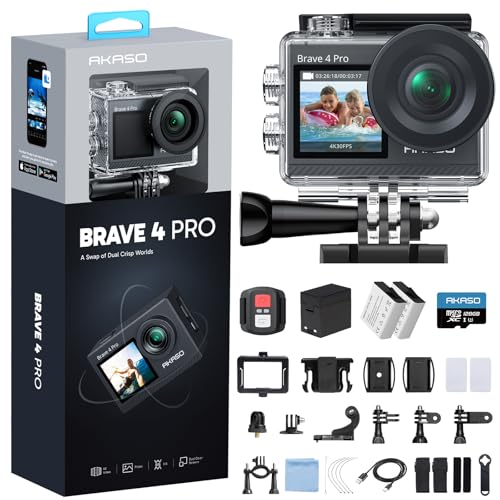
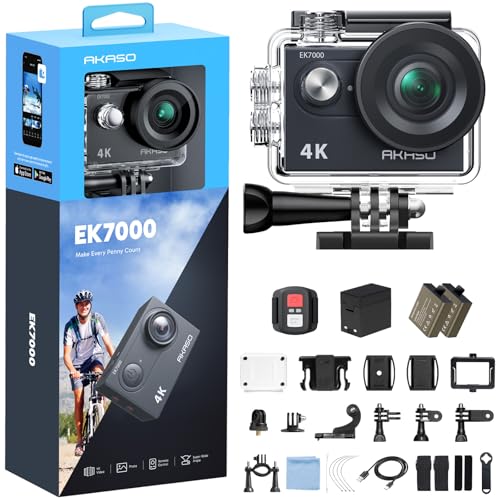
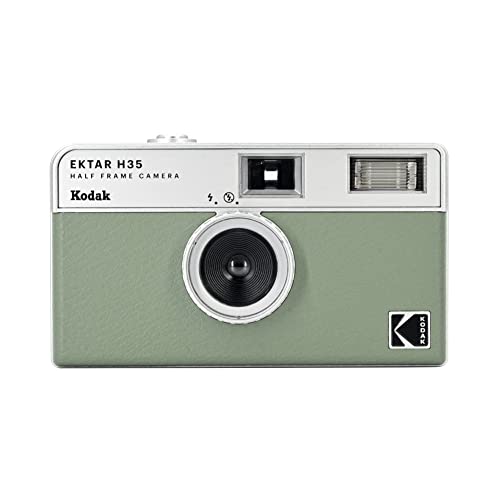
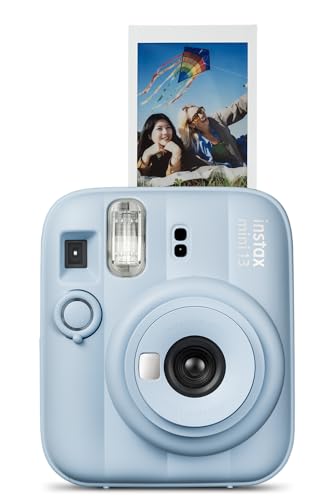
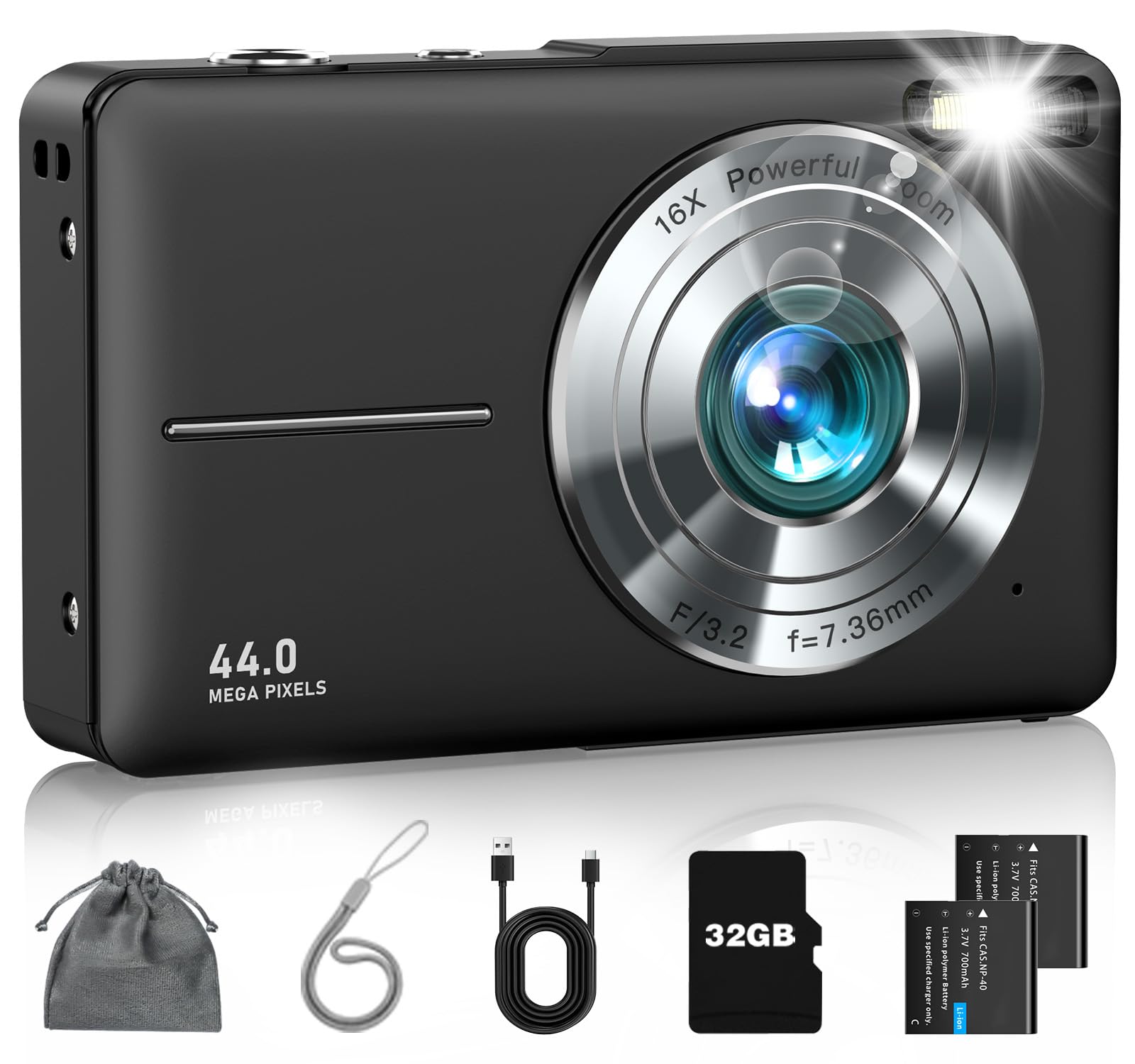
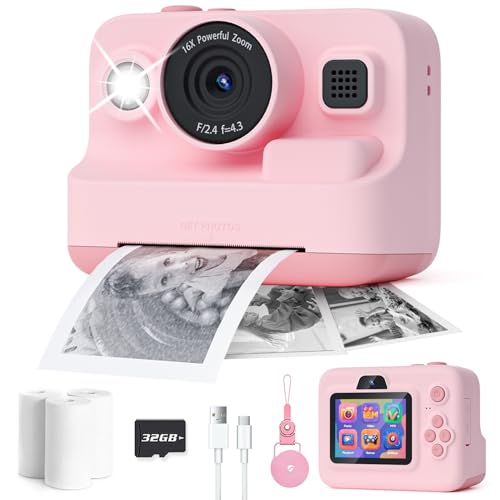
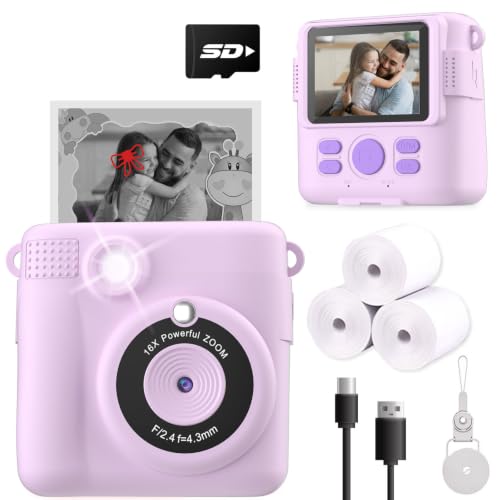
The comparison table below lays out the main camera types side by side. Use it to narrow the field first, then read the buying guide to check size, durability, image quality and video before you decide.



Spending Levels That Fit Different Tween Photographers
Price is a useful starting point, but it should never be the only factor. A lower priced camera can be the right choice for a tween who is still discovering photography, while a higher priced camera makes more sense for a tween who already shoots often and wants more creative control. The product table above shows the spread, and the levels below explain what each level usually buys.
Starting Out on a Small Budget
At this level, look for a simple camera with a sturdy body, a clear screen and controls that a tween can learn in an afternoon. Image quality will be good in daylight, and the camera should handle drops, dust and the odd splash without drama. This level suits birthdays, school trips and first projects, and it keeps the risk low if interest fades. Expect to spend about $80 to $150 for a capable starter camera at this level.
A Step Up for Growing Interest
The middle level adds better low light performance, faster focus and more useful video, which matters when a tween starts shooting indoors, at events or in the evening. Controls become more flexible, so a young photographer can learn about exposure and composition without jumping to a fully manual camera. This level suits tweens who already take photos every week and want their pictures to look better in harder conditions. Expect to spend about $150 to $350 for a strong all round camera at this level.
Room to Grow for Serious Young Photographers
The upper level buys larger sensors, better lenses and more advanced video, which rewards a tween who is ready to learn technique and edit photos. These cameras are usually heavier and need more care, so they suit older tweens who already treat gear carefully and shoot with a purpose. The extra cost only pays off if the camera will be used often, so weigh enthusiasm and responsibility before spending more. Expect to spend about $350 to $700 for a camera with real room to grow at this level.
How to Choose the Right Camera
This section covers the features that decide whether a camera will be loved or left behind. Read it with your tween in mind, because the best camera is the one that fits their hands, their patience and the places they shoot.
Features That Matter for Tweens
Tweens need a camera that is light enough to carry, simple enough to learn and tough enough to survive school bags, bikes and playgrounds. A bright, clear screen helps with framing in sunlight, while a grip that fits smaller hands reduces drops and blurry shots. Controls should be easy to reach, and menus should make sense without a manual. For a closer look at starter options, see our guide to best starter cameras.
Sensor Size and Image Quality
Sensor size shapes how much light a camera can gather and how clean pictures look indoors or at dusk. Larger sensors generally give cleaner images and softer backgrounds, while smaller sensors keep cameras compact and affordable. Megapixels alone do not decide quality, because lens quality, focus and processing matter just as much. For most tweens, a mid sized sensor with a good lens will beat a high megapixel count paired with a weak lens.
Durability and Weather Sealing
Tweens stress gear in ways adults rarely do, so build quality deserves real attention. Look for a solid body, a protected lens cover and buttons that feel firm rather than loose. Weather sealing helps in rain and dust, but it does not make a camera waterproof, so read the maker guidance before taking any camera near water.
A padded case and a neck strap add cheap protection and make the camera easier to carry safely. Maker age guidance matters here too, since some cameras include small parts or straps that need adult supervision for younger tweens.
Low Light Performance
Low light performance decides whether indoor birthdays, evening walks and school halls produce usable pictures or muddy ones. A camera that handles higher ISO settings cleanly will capture more detail without harsh flash, and a wider lens opening lets in more light. Image stabilization also helps, because it lets the camera use slower shutter speeds without blur from shaky hands. If your tween shoots mostly outdoors in daylight, low light matters less, but if evenings and indoors dominate, make it a priority.
Battery Life and Charging
Battery life shapes how long a tween can shoot before the fun stops. Look for a camera that delivers a full day of casual shooting on one charge, and check whether it charges over USB C, which makes topping up at home or school much easier. A spare battery is a practical extra for trips, but only if your tween can swap it safely and store it properly.
Teach charging habits early, such as charging on a flat surface away from bedding and unplugging when the charge is done. For general camera advice that covers power and storage, see our guide to best digital cameras.
Autofocus and Stabilization
Fast, reliable autofocus keeps moving subjects sharp, which matters for pets, sports and friends who never sit still. Eye focus can help with portraits, while continuous focus helps with action, but both need practice to use well. Stabilization, whether in the body or the lens, reduces blur from hand movement and makes video smoother. Together, these features forgive the small shakes and quick movements that are normal for young photographers.
Video Capabilities
Many tweens care as much about video as still photos, so check video quality, sound and ease of use before buying. A flip screen helps with self filming, while a mic input improves sound for projects and vlogs. High resolution video looks impressive, but it also fills memory cards faster and needs more storage, so balance resolution against practical use. Simple editing on a phone or tablet is often enough for tween projects, and a camera that transfers files easily will encourage more creating and less frustration.
Types of Cameras
Camera types differ in size, control and purpose, and the right type depends on how your tween likes to shoot. The sections below explain each type in plain terms.
Compact Cameras
Compact cameras are small, light and ready to shoot, which makes them a natural first camera for many tweens. They fit in a pocket or small bag, start quickly and handle everyday photos with little fuss. Their smaller sensors limit low light performance, and zoom range is often modest, but ease of use is their great strength.
Choose a compact camera when portability and simplicity matter more than advanced control. For tween specific options, see our guide to best digital cameras for tweens.
Action Cameras
Action cameras are built for movement, water and rough play, which suits tweens who ride, swim or climb. They are small and rugged, shoot strong video and survive drops that would damage a larger camera. Their tiny controls and wide lenses make them less ideal for portraits or careful composition, and small screens can frustrate framing. Choose an action camera when adventure and video come first, and pair it with a mount that keeps hands free and the camera secure.
Instant Cameras
An instant camera prints a small photo within minutes of the shot, which tweens enjoy at parties, on trips and for school projects. Film is the real cost, since every frame is paid for whether the shot works or not, and quality is softer than a digital camera. It suits occasional fun more than regular learning, so treat it as a second camera rather than the first one.
Check the maker age guidance and charging or film safety notes before buying, and let a parent handle film loading and battery changes for younger tweens.
Best Cameras for Specific Needs
Best Cameras for Tween Photographers
Tween photographers who want to learn the craft need a camera that teaches as it shoots. Look for manual controls that are easy to find, a viewfinder or screen that shows exposure clearly, and a lens that rewards careful framing. A camera with room to add lenses or accessories later will grow with skill, while a camera that only shoots automatically may feel limiting within a year. For broader photography guidance, see our guide to best cameras for photography.
Tips to Get the Most From Your Camera
- Use a lens cloth, not a shirt, because fabric and grit can scratch coatings and leave smears that soften every picture.
- Carry a spare battery on trips, and store it in a case so contacts stay clean and the battery stays safe in a bag.
- Store the camera in a dry, padded bag, away from sand, water and direct sun when it is not in use.
- Update firmware only with adult help, and only from the maker site, because updates can improve focus but a failed update can disable a camera.
- Back up photos regularly to a computer or cloud account managed by a parent, so a lost card does not mean lost memories.
- Set a strap habit from day one, with the strap around the neck or wrist before the camera leaves the bag.
Cameras: Your Questions Answered
What features matter most in cameras for tweens?
Size, durability, simple controls and reliable focus matter most for tweens, because a camera must be easy to carry, hard to break and quick to learn. A clear screen, a comfortable grip and good battery life support daily use, while image quality and video cover the results. Low light performance matters more once a tween shoots indoors often. Start with those basics, then add advanced features only if your tween shows steady interest and care.
How much should I spend on my first camera for a tween?
Most families do well starting at about $80 to $200, which buys a capable camera without a painful loss if interest fades or the camera is damaged. Spending more makes sense when a tween already shoots weekly, cares for gear and asks for specific features such as better low light or manual control. Avoid buying the most expensive camera first, because skill and enthusiasm, not price, decide whether photos improve. The product table above shows how spending levels compare.
Which camera is better for low light?
A camera with a larger sensor, a wider lens opening and effective stabilization usually performs better in low light than a small sensor camera with a narrow lens. Higher ISO capability helps, but only if pictures stay clean rather than noisy at those settings. A camera that handles indoor light well will also cope better at dusk and in halls. If low light is a priority, compare sample pictures taken indoors before deciding, and remember that a steady hand and a still subject help any camera.
What specs matter most for beginners?
Beginners should focus on sensor size, focus speed, battery life and ease of use rather than megapixel counts or long spec lists. A camera that focuses quickly and feels comfortable will produce more good pictures than a camera with impressive numbers and confusing menus. Video quality, screen clarity and storage also matter for daily use.
Once basics feel easy, a beginner can learn exposure and composition, which improve pictures more than any single spec. For quality focused options, see our guide to best quality cameras.
Can a tween use an instant camera as a first camera?
An instant camera is fun for parties and scrapbooks because the print appears in minutes, but it makes a poor only camera. Film costs add up with every shot, image quality is soft, and there is no zoom or video. Many families pair a simple digital camera for learning with an instant camera as an occasional extra, which keeps costs and waste down while the young photographer experiments.
Is a smartphone enough instead of a camera for a tween?
A smartphone is enough for casual snapshots, and many tweens already carry one, so it can be a fine starting point. A dedicated camera still offers advantages, including a real zoom, better low light, longer battery life for shooting and a distraction free tool for learning photography. A camera also teaches framing and patience in a way a phone, with its apps and messages, often does not. If a tween already shoots daily on a phone and wants more control, a camera is a natural next step.
Wrapping Up
The right camera for a tween balances size, durability, image quality and price, and it should match how your tween actually shoots. Start with a camera that feels good in small hands, survives real life and makes learning fun, then let interest guide future upgrades. Check the product table above one more time, compare spending levels and choose the camera your tween will want to carry tomorrow. With best cameras for tweens as your guide, a thoughtful choice now can spark a hobby that lasts for years.


