
Best Cameras for Travel Under 200 2026: Every Type Explained Side by Side
Disclosure: We may earn a commission when you buy through links on this page, at no extra cost to you. As an Amazon Associate I earn from qualifying purchases. Learn more

Confused by all the camera types? Compare compact, action, instant and rugged options side by side and choose the best cameras for travel under 200.
A budget of $200 sounds simple until you find compact, action, instant and rugged cameras all promising great travel photos. They work in very different ways, so the right pick depends on how you travel. This guide walks through the best cameras for travel under 200 by type, so you can match each design to your trips before you spend anything.
Rather than ranking individual models, we compare what each type does well and which features matter on the road. Use the comparison table below to see the types side by side, then read on for details a spec list cannot show.




Types of Travel Cameras Compared
Four types fit this budget as new cameras, and a fifth option appears if you buy used. Each type below covers how it works, rough cost, and who should choose it.
Point and Shoot Compact Cameras
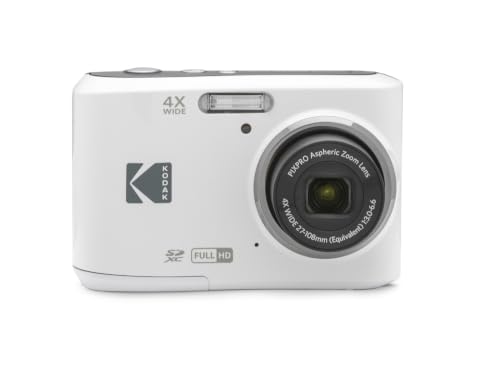
A point and shoot compact is the classic travel camera, with a fixed zoom lens in a small body that slips into a jacket pocket. You frame the shot on the rear screen, press the shutter, and the camera handles focus and exposure. Most models cost about $100 to $200 and offer optical zoom a phone cannot match. Choose this type for simple controls and photos that look good with no editing.
Action Cameras
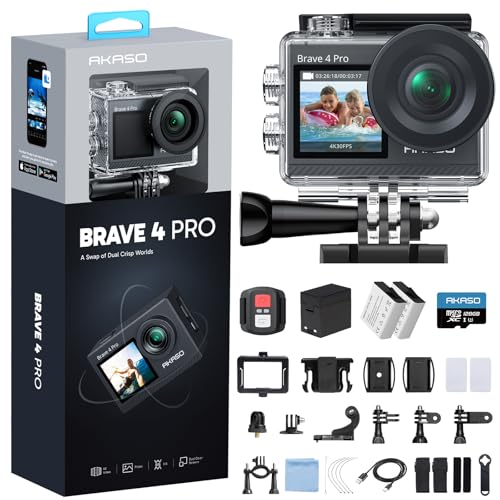
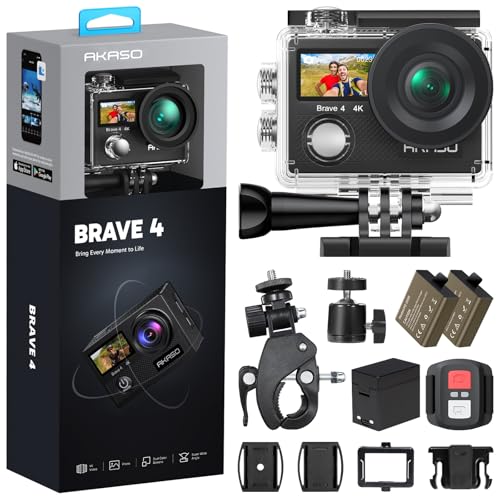
An action camera is a tiny, tough box with a very wide lens, made to record video and stills while mounted on a helmet, a bike or your chest. Most are waterproof in their housing and shrug off drops that would end a compact. Prices run about $80 to $200, though video quality varies a lot. Choose this type if your trips center on movement and water.
Instant Cameras
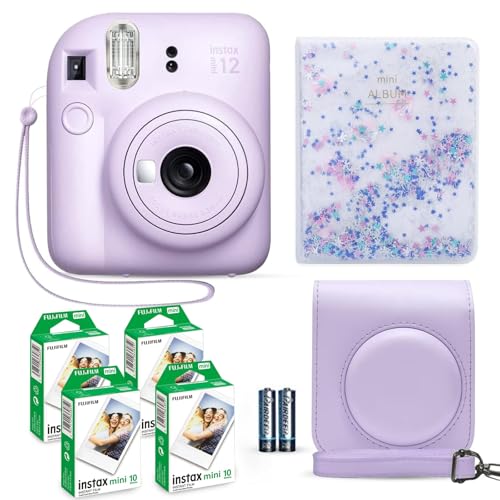
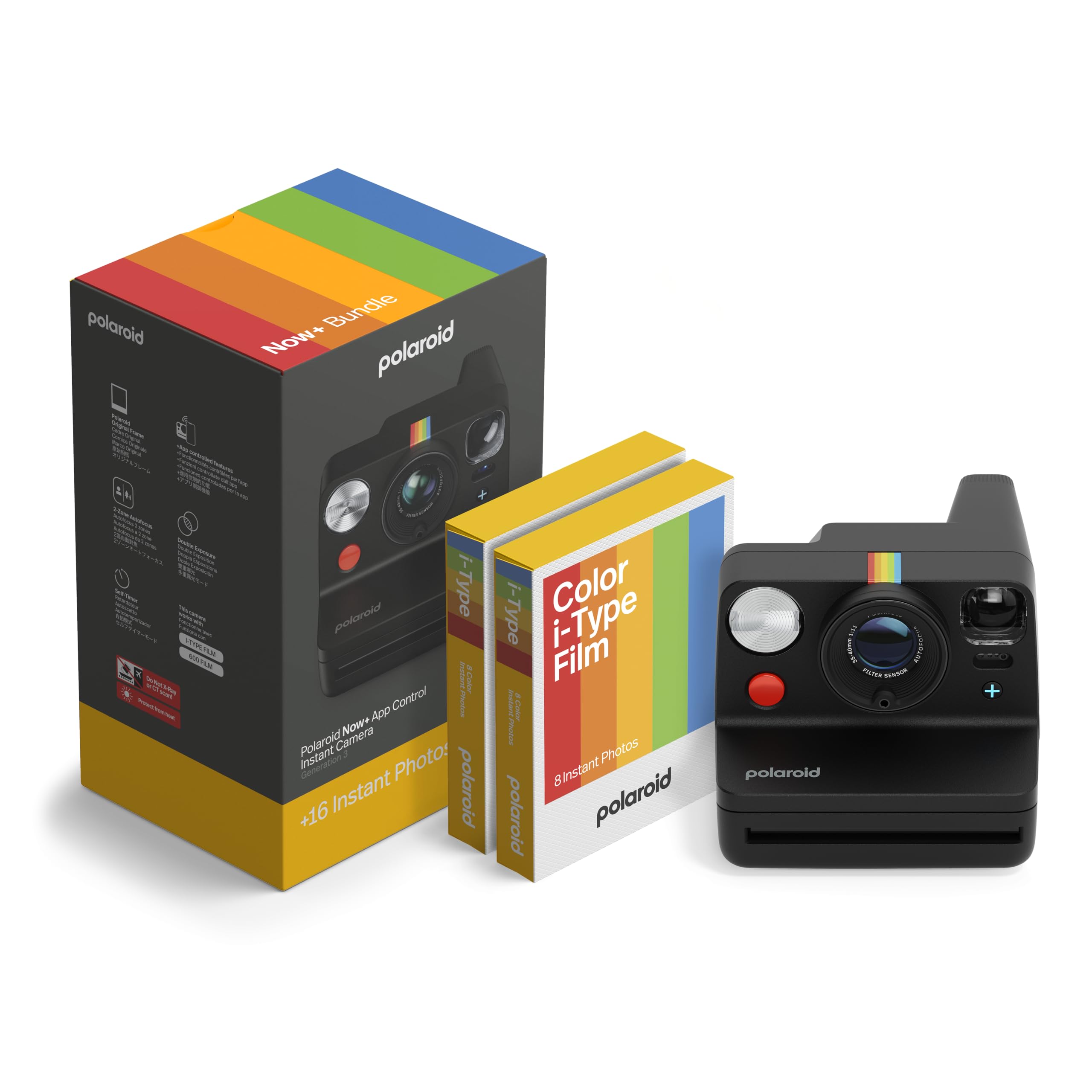
An instant camera prints a physical photo seconds after you press the shutter, using film packs that load into the body. The camera often costs under $120, but film is the real expense, since every print adds cost whether the shot works or not. Image quality is soft and colors are stylized, which is exactly the charm. Choose this type where a print you can hand to someone matters more than detail.
Rugged and Waterproof Cameras
A rugged camera looks like a chunkier compact, but its body is sealed against water, dust and drops, and it can go underwater to a stated depth without a case. The lens zooms less than a slim compact and the sensor is small, so low light photos are its weak point. Expect about $120 to $200. Choose this type for beach trips and snorkeling, where one splash would ruin a standard camera.
Used Mirrorless Cameras
A mirrorless camera uses interchangeable lenses and a larger sensor, and it is the type keen photographers grow into. New bodies start well above this budget, so under $200 you are looking at older used bodies, often sold without a lens, and a kit lens pushes the total past $200. Choose this route only if you enjoy manual settings and accept used gear risk.
Point and Shoot vs Action Camera: Which Should You Choose?
These two types compete for the same money most often. For still photos, the compact wins, because its optical zoom keeps faces and buildings clean at distance. For video of movement, the action camera wins, because its wide view and strong stabilization smooth out walking and boat rides.
Durability splits them further. A compact has a moving lens that sand and drops can damage, while an action camera is built to be knocked around. Pick the compact for sightseeing, and the action camera when the trip itself is the sport.
How to Choose the Right Travel Camera Under $200
Start with the type that fits your trips, then compare models within that type. Shoppers searching for the best cameras for travel under 200 often find that two or three factors matter far more than the rest of the spec sheet.
Lens and Optical Zoom Range
Optical zoom moves real glass to magnify the scene, so detail stays sharp, while digital zoom only crops the image and throws detail away. At this price, compacts commonly offer about 5x to 10x optical zoom, covering street scenes and distant landmarks. A wide setting near 24 mm equivalent helps in tight interiors. If a listing shouts about huge zoom numbers, check how much is optical.
What Small Sensors Deliver on a Tight Travel Budget
The sensor captures light, and a bigger sensor generally means cleaner photos in dim light and softer backgrounds. Most cameras under $200 use a small 1/2.3 inch or 1 inch class sensor. Megapixels matter less, because more pixels on a tiny sensor add noise rather than detail. For more on sensor trade offs, see our guide to the best digital cameras under 200.
Focus and Shake Control for Holiday Snapshots
Autofocus decides how fast and reliably the camera locks onto your subject, and face detection matters most for portraits and group shots. Image stabilization steadies the lens or sensor against hand shake, which helps at the long end of the zoom and in low light. Slow focus is a common budget weakness, so favor quick autofocus over long feature lists.
What You Can Realistically Get Under $200
At this price you get a capable daylight camera, not a flagship. Expect a small sensor, modest low light results and video that may claim 4K while looking softer than the number suggests. Do not accept a fixed focus lens or a dim screen you cannot see in sunlight. Our guide to the best quality cameras under 200 explains where spending near the top of the range pays off.
Features That Matter for Travel
Travel punishes size and weight, so a camera you leave at the hotel has no value, however good its specs look. Battery life and USB charging matter because outlets are scarce on trains and in hostels, and charging from a power bank saves hassle. WiFi transfer helps you share photos to your phone without a laptop.
Best Travel Cameras for Specific Needs
Once the type is settled, match it to the way you actually travel. City sightseeing rewards zoom and quick focus, beach trips reward sealing and toughness, and social trips reward instant prints. Our guide to the best cameras for under 200 dollars compares options by total spend.
Best Pocket Cameras for Travel under 200: Which Type Works Best
The pocket test is stricter than most listings admit, since a camera only counts if it rides in a jacket pocket all day. Slim point and shoot compacts pass that test, while rugged models are usually too thick. Within the slim compacts, favor a lens that retracts flush with the body and a weight under about 200 grams. Our guide to the best compact cameras under 200 focuses on this pocket friendly class.
Common Mistakes to Avoid
- Buying by megapixels alone, so you end up with noisy low light photos from a tiny sensor.
- Trusting digital zoom numbers, so distant shots come out cropped and soft.
- Choosing an action camera for sightseeing, so every landmark looks far away through its wide lens.
- Forgetting the cost of instant film, memory cards and a spare battery, so the real budget passes $200.
- Buying a used mirrorless body with no lens, so the camera sits unused until you spend more.
- Ignoring waterproof depth ratings, so a splash rated camera fails on the first snorkeling trip.
Care and Maintenance Tips for Travel Cameras
Clean the lens with a soft lens cloth, not your shirt, because shirt fabric traps grit that can scratch the coating. Carry a spare battery and memory card in a separate pocket, so one loss does not end shooting for the day. Store the camera in a dry, padded bag, and let a cold camera warm up slowly inside it, which keeps condensation off the lens. After beach days, wipe the body with a damp cloth.
Frequently Asked Questions
Can you get a good travel camera for under $200?
Yes, you can get a good travel camera for under $200 if your expectations match the price. Daylight photos from a decent compact look clean, and optical zoom gives framing a phone cannot match. The limits show up after dark. One point many buyers miss is resale value, since popular compact types hold value well if you upgrade later.
What features matter most in a camera for travel?
Fast start up, reliable autofocus and a usable screen matter most in a camera for travel, because travel moments rarely wait for you. A shot missed while a camera wakes up is gone for good, and a screen you cannot read in bright sun leads to badly framed photos. Also check grip shape one handed, since you will often hold a map with the other hand.
Is a smartphone enough instead of a travel camera under $200?
A smartphone is enough for many travelers, and it is the honest comparison at this budget. Phones win on sharing, editing and carrying nothing extra. A dedicated camera wins on optical zoom and battery independence. A practical test is to count how many of your last trip photos needed more zoom, since that count shows whether a camera would have earned its space.
How much should I spend on my first travel camera?
Spend about $120 to $200 on a first travel camera, and keep some budget back for a card, a case and a spare battery. Below about $120, compromises in lens and screen quality grow steep, while the top of the range buys features you will actually notice. A common type from a known maker also makes accessories easier to find second hand.
What specs matter most for beginners buying a travel camera?
The specs that matter most for beginners are optical zoom range, sensor size and the quality of the automatic mode. A good automatic mode matters because beginners shoot on auto for months, and cameras differ in how well auto handles mixed light and skin tones. Skip manual dials at first.
Our Verdict
For most travelers, a slim point and shoot compact is the safest use of this budget, with action and rugged types for water and movement. Judge candidates on optical zoom, sensor size and carry comfort. Chosen that way, the best cameras for travel under 200 become the camera that is actually with you. Check the product table above to compare current options.


