Best Affordable Cameras for Travel: A 2026 Buyer Checklist
Disclosure: We may earn a commission when you buy through links on this page, at no extra cost to you. As an Amazon Associate I earn from qualifying purchases. Learn more

The best affordable cameras for travel are small, zoom far, and charge by USB. Use this checklist to match a budget band to your trip.
A travel camera earns its place in your bag only if it beats the phone already in your pocket on the shots your trip actually offers. This checklist judges the best affordable cameras for travel in the order a trip tests them: size first, then zoom, battery, and image quality. Work through it in order, compare your shortlist with the product table, and you will know exactly what your budget buys and what it leaves out.
Affordable here means under about $900, with most strong choices between about $300 and $600. Readers whose budget stretches further can compare the wider field of best cameras for travel, but most travelers lose nothing by staying in this class. The checklist also flags where makers cut corners, so a low price never hides a weak lens, a dim screen, or a battery that fades before lunch.

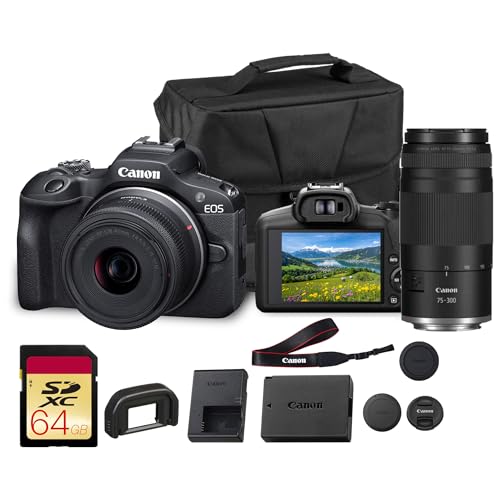


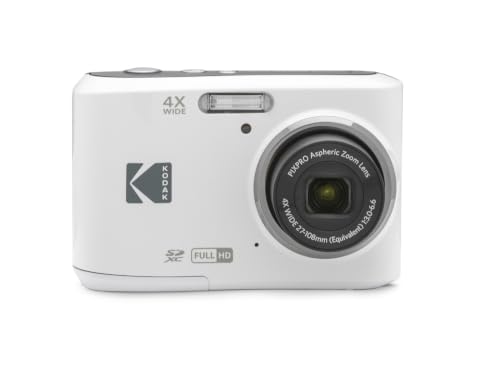
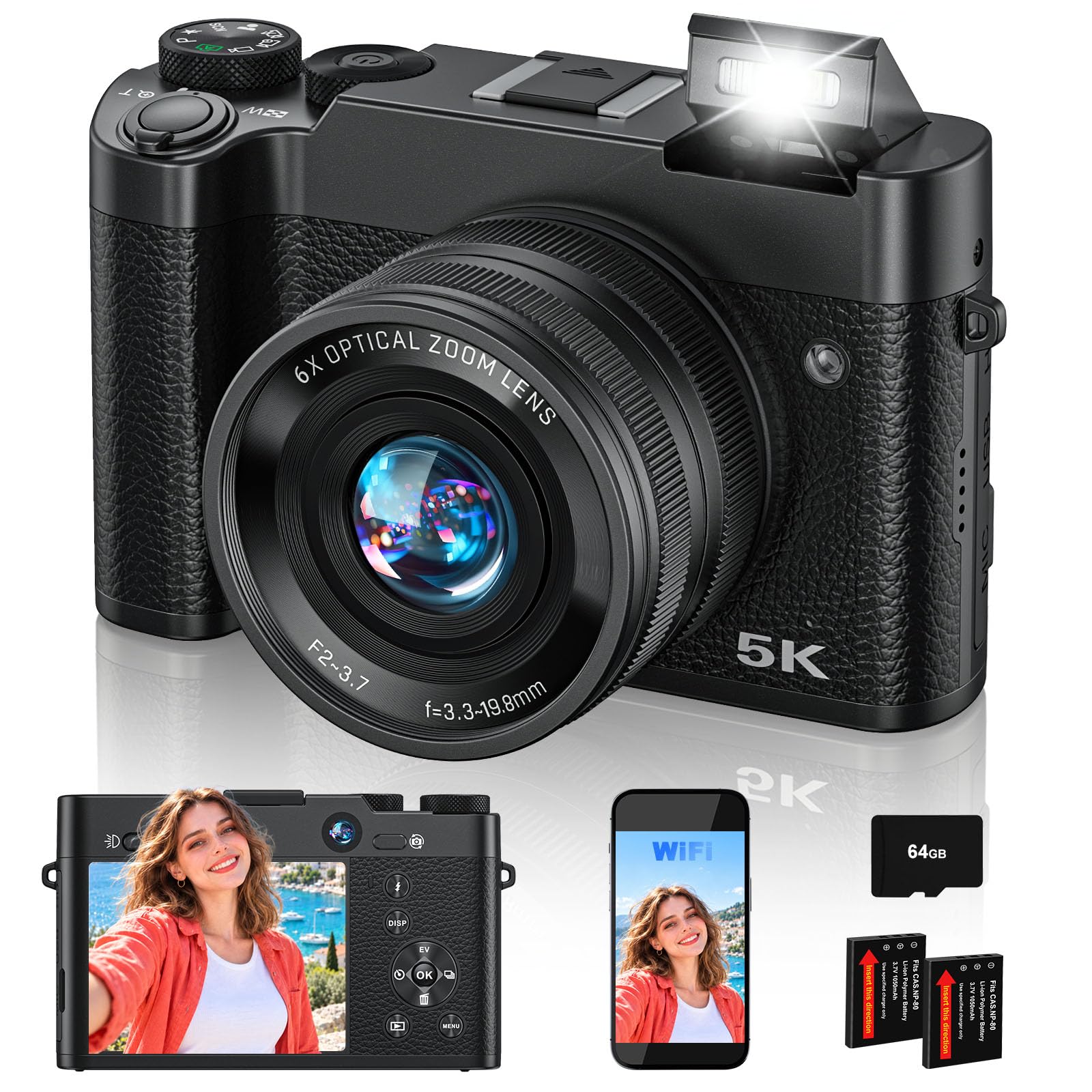

Best Affordable Cameras for Travel: The Checklist in Order
What You Can Realistically Get on a Budget
At these prices a dedicated camera must justify itself against the phone you already own, and it does so with real zoom, a larger sensor, and controls that work with cold or gloved fingers. The best affordable cameras for travel share one trait: they spend the budget on the lens and sensor instead of gimmicks. Expect corners cut on weather sealing, screen brightness, and burst speed.
One honest advantage of this class is loss realism: a camera that costs about $400 hurts far less if it is stolen, dropped, or left in a taxi than a flagship would. Nearly everything here is digital, and the companion guide to best affordable digital cameras maps the same value ground.
Size and Weight: The First Check
A camera left at the hotel takes no photos, so size decides more travel shots than any sensor. Hold the dressed weight in mind: body, lens, battery, and strap together. Compact classes under about 500 grams ride in a jacket pocket or a small sling all day.
Interchangeable lens bodies double that weight once a second lens joins the bag, and that is the moment many travelers quietly switch back to a phone. Choose the largest camera you will still carry on the last tired day of the trip, not the first eager one.
Zoom Reach for Landmarks and Distant Detail
Travel puts subjects at every distance: a cathedral across a plaza, wildlife from a boat, a street performer down the block. Optical zoom is the honest measure, given as a range such as 24 to 200 mm in full frame terms; digital zoom only crops and softens the picture. Bridge classes stretch the far end for safaris and viewpoints, while compact classes trade reach for pocket size. Check the wide end too, because 24 mm or wider saves interiors and tight old town streets where you cannot step back.
Battery Life and USB Charging
A travel day runs longer than a battery rated for home use, and maker shot counts are measured in gentle conditions. Look for USB charging, ideally USB C, so the camera refills from the same power bank and cable as your phone overnight. That single feature removes a separate charger from your bag and saves a dead camera on multi day treks where outlets are scarce. Carry a spare battery regardless: cold mornings, long video clips, and heavy screen use all drain a pack faster than the rating suggests.
Sensor Size and Image Quality
Sensor size shapes low light results more than megapixel counts do. One inch sensors in better compacts gather far more light than phone sensors and stay clean at the ISOs that evening streets demand. Larger APS C sensors in entry interchangeable bodies go a step further, at the cost of size.
Judge sample images at the ISOs you will actually use, and ignore headline megapixels beyond about 20, because travel prints and screens gain nothing from more. A fast lens opening, around f/2.8 at the wide end, helps as much as sensor class.
Low Light and Evening Shooting
Trips do not end at sunset, and the shots after dark are where affordable cameras separate. A lens that opens to around f/2.8 or wider at its wide end, paired with usable results at ISO 1600 to 3200, covers lit streets, restaurants, and night markets without flash. Image stabilization matters here too, because it lets slower shutter speeds stay sharp for still scenes. Judge listings by evening sample images rather than daylight ones, since any camera looks good at noon.
Ease of Use and Video Basics
On a trip you shoot fast or miss the moment, so a trustworthy automatic mode matters more than deep menus. Look for a screen you can read in bright sun, simple controls you can work one handed, and wireless transfer to your phone for same day sharing. For video, stabilization you can feel in walking shots beats a 4K badge on a shaky camera, and a microphone input only matters if you plan to narrate. Try the grip in a shop if you can; sore fingers by day three mean a camera stays in the bag.
Three Budget Bands and What Each One Buys
Prices below describe classes, not specific models, and the wider market survey of best cameras affordable tracks how these bands shift. Match your trip style to a band before comparing individual listings.
The Under $300 Band: Simple Compacts for Casual Trips
Expect pocket compacts with small sensors, modest zoom, and fully automatic shooting. Image quality beats a phone mainly in daylight zoom shots, and the class makes sense for travelers who want a real camera feel without a learning curve. Loss and damage sting least in this band, which suits festivals, beaches, and group trips where gear gets passed around. Skip any listing that advertises huge digital zoom numbers as its main claim, because cropping is not zoom and the results show it.
Treat this band as a trial class: if the habit sticks after two or three trips, the checklist above points at the band where an upgrade actually shows.
The $300 to $600 Band: Where Travel Value Peaks
Most travelers should land here. This band buys one inch sensor compacts with bright lenses and useful zoom, plus entry interchangeable lens bodies with room to grow. USB charging, tilting screens, and reliable autofocus are standard expectations rather than luxuries at this level.
The class handles dawn markets, museum interiors without flash, and printed enlargements with ease. If your trips mix cities and countryside several times a year, this is the band that stops feeling like a compromise.
The $600 to $900 Band: Serious Travel Without Flagship Prices
Spending more buys larger sensors, faster lenses, better screens, and bodies that shrug off light rain. This band suits travelers who print large, shoot in dim places often, or keep a camera for many years of trips. The honest trade is weight: every gain here adds grams, and the size check from the start of this checklist still applies. Beyond this band, prices climb steeply for gains most trip albums never show, which is why the checklist treats about $900 as the ceiling of affordable.
Quick Buyer Checklist
Answer these before ordering. A no on the first three questions usually means a different class, not a different brand.
- Can I carry this camera, with its lens and strap, all day without resenting it?
- Does its optical zoom cover both wide interiors and distant landmarks on my route?
- Can it charge from USB, so one cable serves my phone and camera?
- Does it beat my phone clearly on zoom reach or low light shots?
- Have I budgeted for a memory card, a case, and a spare battery as well?
- Would losing this camera ruin the trip budget, or only the afternoon?
- Can I work its main controls one handed while walking?
Red Flags to Watch For
A low price is only a bargain when the basics are honest. Walk away from listings that show these signs.
- Digital zoom advertised in huge numbers while the optical range stays vague or missing.
- No named sensor size, which usually means the smallest class and weak evening results.
- Battery life quoted only by a maker's own rating method, with no USB charging and no spare batteries sold.
- Kit bundles padded with filters, bags, and cards of unknown quality to inflate the apparent value.
- Warranty terms that exclude the country you live in, or a seller who cannot name the warranty at all.
Best Cameras for Specific Needs
One group deserves its own note, because its needs reverse several checklist priorities.
Best Simple and Affordable Cameras for Travel
For travelers who want the camera to decide, the best simple and affordable cameras for travel are the automatic compacts with a short control list: a power switch, a zoom lever, and a screen that previews the shot honestly. Judge this class on startup speed and screen clarity rather than manual modes you will never open. A wrist strap and a hard case matter more here than any spec, since these cameras live in coat pockets and daypacks, passed between family members without a briefing.
Setup and Care Tips
Before the trip, format the memory card in the camera, set the date, and charge both batteries so day one starts clean. On the road, wipe the lens with a cloth rather than a shirt, and keep the camera in a dry padded pouch when rain threatens. Your camera will spend the trip inside your luggage system, and the guide to best backpacks for travel covers carry options that protect gear without a dedicated camera bag. Back up each evening to a phone or a second card, because a lost card loses the whole trip.
Questions Answered About Affordable Travel Cameras
Is a smartphone enough for travel photos instead of a separate camera?
For many trips, honestly, yes: a current phone handles city scenes, food, and group shots well, and it is always with you. A dedicated camera earns its space when your trip leans on zoom, dawn and evening light, or prints larger than a screen. The deciding factor is your itinerary: safaris, viewpoints, and dim interiors reward a real camera, while a weekend of cafes and friends rarely punishes a phone. Buy the camera for the shots your phone visibly fails, not for the ones it already takes.
How much should I spend on my first travel camera?
Plan the budget as a kit, not a camera. A body in the $300 to $600 band plus a memory card, a case, and a spare battery usually lands around $380 to $720 all in, and that total is the honest figure to compare against your trip fund. Spending the whole budget on the body alone is the classic first buyer error, because the extras are not optional on the road. If the total strains the budget, drop one band rather than skipping the spare battery.
Does a travel camera need weather sealing?
Only if your trips regularly include rain, dust, or boat spray. Sealing on affordable bodies is partial at best, guarding against splashes rather than downpours, and it never covers an open lens mount during a lens change. Travelers in dry cities and museums can skip the feature and rely on a rain cover or a plastic bag in a storm. If your route includes trekking or coastlines, treat sealing as a genuine checklist item and pair it with a dry bag habit.
Can an affordable travel camera record good travel video?
Yes, within limits you should know before relying on it. Stabilization in this class smooths walking shots well, and 4K recording is common, but wind noise overwhelms built in microphones and small batteries fade fast during long clips. Record shorter clips, shield the microphone with your hand in wind, and carry the spare battery from the checklist. Travelers who narrate often should budget for a small external microphone where the body accepts one, which many in the upper band do.
Should I buy a travel camera before the trip or at my destination?
Buy before the trip, with time to learn it. A new camera needs at least a few days of casual shooting at home so its controls feel automatic when a moment arrives abroad. Destination purchases also complicate warranties, which are often regional, and holiday time spent reading menus is time not spent traveling. The one exception is a replacement after a loss mid trip, and even then the simple automatic classes from this guide are the safest quick purchase.
Final Thoughts
Run the checklist in order and the right class usually picks itself: size you will carry, zoom your route needs, charging that shares your phone cable, and a sensor that handles evening light. The product table lets you compare the current field against those four points in minutes. Chosen well, the best affordable cameras for travel disappear into the trip and return with the pictures your phone could not take. Start with the band that fits your budget, and let your itinerary make the final call.