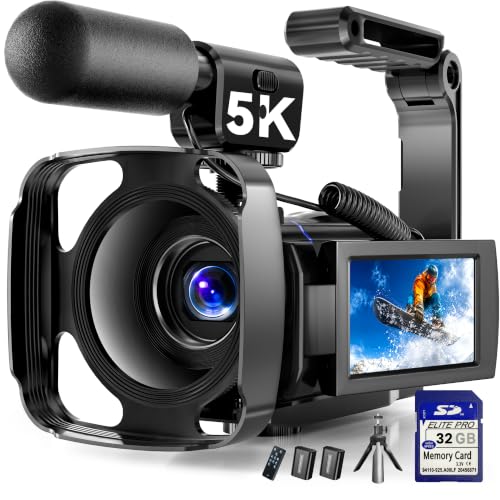
Best Cameras for Time Lapse: The Buyer Checklist to Use for 2026
Disclosure: We may earn a commission when you buy through links on this page, at no extra cost to you. As an Amazon Associate I earn from qualifying purchases. Learn more

Use this buyer checklist for the best cameras for time lapse, covering interval shooting, power, weather sealing, focus control and storage for smooth results.
A time lapse turns hours of slow change into a short, smooth sequence, but only when the camera, power, and settings work together for the whole shoot. Choosing best cameras for time lapse therefore means looking past still photo quality and judging interval control, battery endurance, focus stability, and weather handling. The comparison table below gives a broad starting point before the checklist detail.
Good time lapse work depends on consistency. Exposure, white balance, and focus should stay steady from frame to frame, or the final video will flicker and jump. Storage must hold hundreds or thousands of frames, and power must last through the full scene. This guide turns those needs into a buyer checklist, explains each factor in plain terms, and helps you match a camera to outdoor, budget, and trail style shooting.

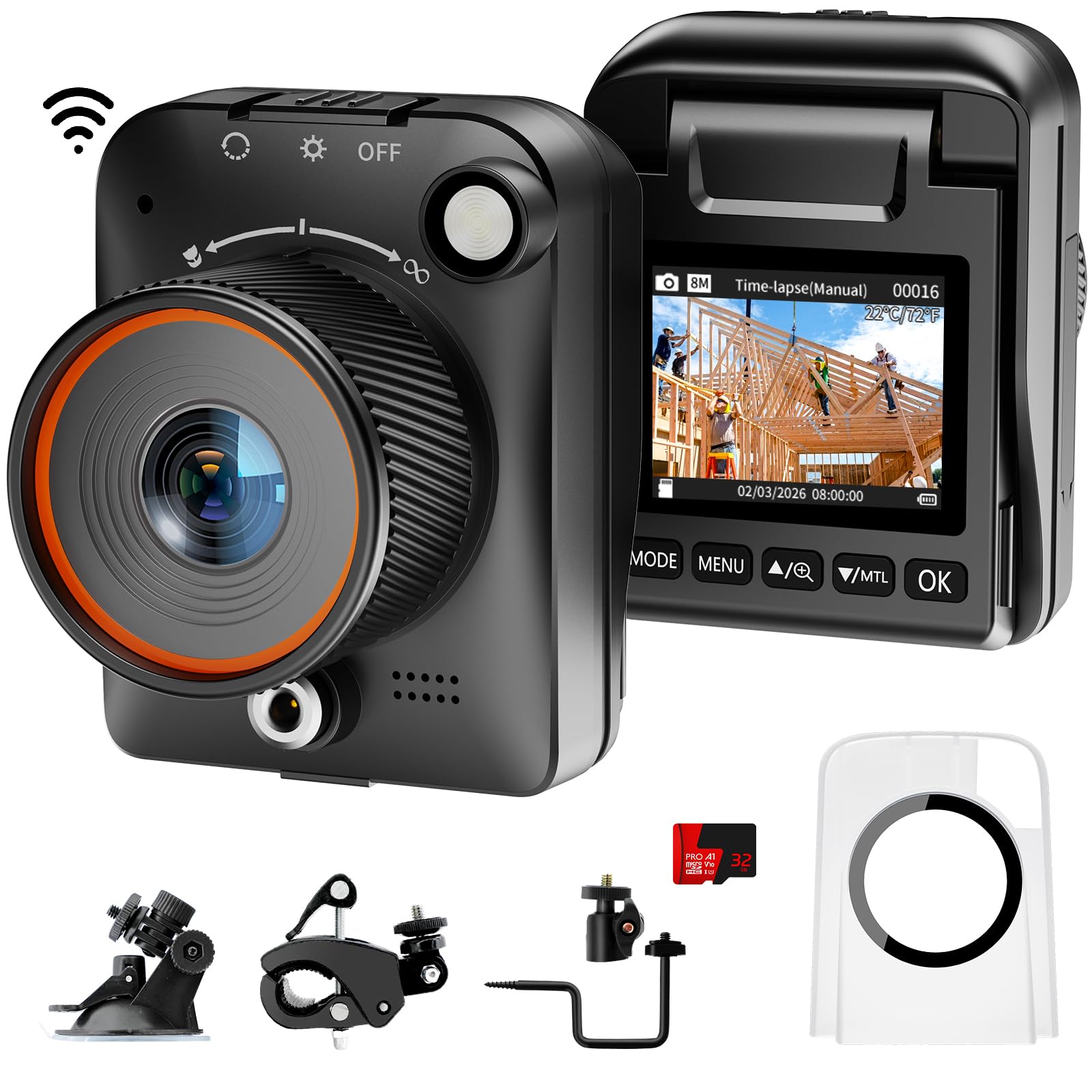
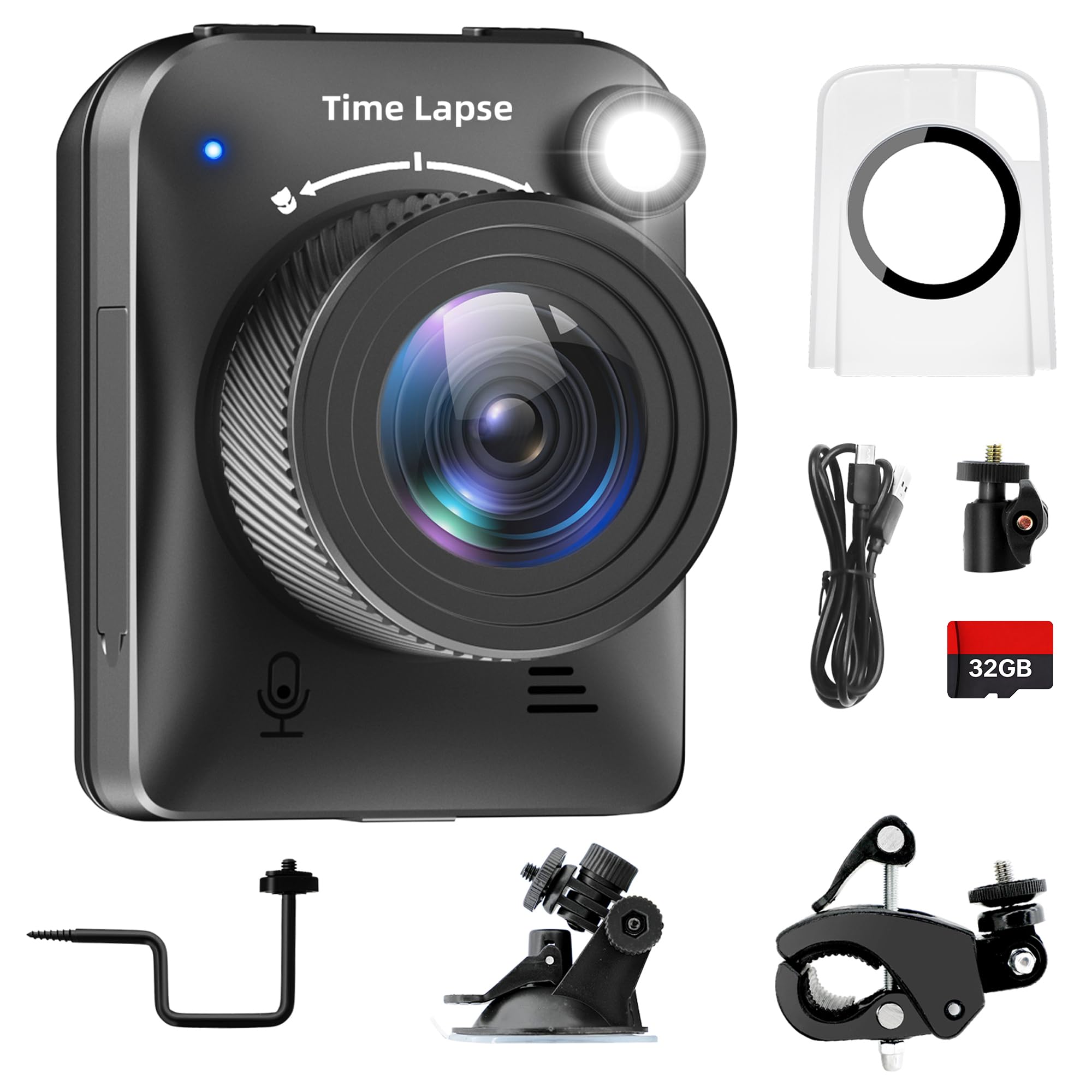
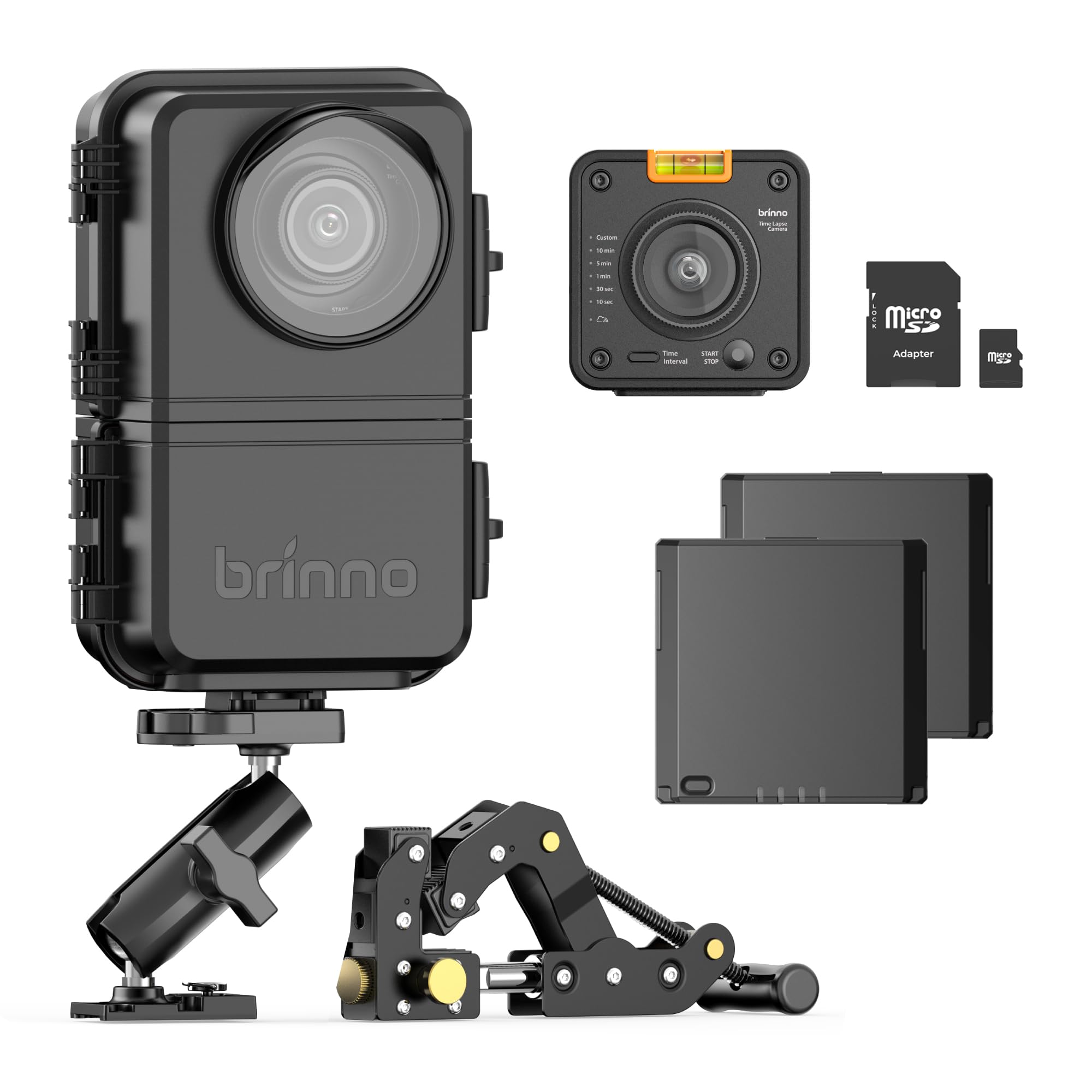


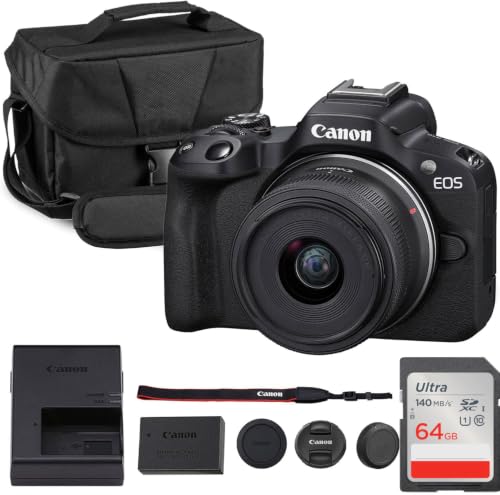


Key Features to Compare for Time Lapse Shooting
Use this section as your main checklist. Each factor below can make or break a long sequence, and a weakness in one area can spoil strength elsewhere. Read the maker manual for interval options, power limits, and file handling before you buy, since those details vary more than headline resolution.
Features That Matter for Time Lapse
Time lapse shooting needs a built in interval timer or a reliable external interval control, plus a way to set frame count, interval length, and total duration. Look for manual exposure, manual white balance, and manual focus options, since automatic changes between frames cause flicker. A silent or electronic shutter option can reduce wear and vibration during very long shoots. Also check whether the camera can assemble a video in camera or only saves still frames for later assembly, since that choice affects storage and editing time.
Sensor Size and Image Quality
Sensor size affects low light cleanliness, dynamic range, and how much you can crop while keeping a sharp final video. Larger sensors, such as APS C and full frame types, usually handle dawn, dusk, and night skies better than very small sensors. A 1 inch sensor can be a useful middle ground in a compact body. Megapixel count alone is a weak guide for time lapse, because the final video resolution is often far below still resolution, and steady exposure matters more than extra pixels.
Low Light Performance
Low light performance matters for sunsets, stars, city lights, and indoor scenes that change slowly. A lens with a wide maximum aperture gathers more light, and a larger sensor keeps noise lower at higher ISO settings. Manual exposure control prevents sudden brightness jumps as light changes.
For night sequences, check long exposure support, noise handling, and whether the camera can keep a steady interval during very long exposures. A camera that pauses or drops frames in the dark will break an otherwise smooth sequence.
Lens and Zoom Range
Lens choice shapes the story a time lapse tells. A wide lens covers skies, streets, and building sites, while a longer lens isolates a flower, a bird feeder, or a distant peak. Optical zoom keeps detail, while heavy digital zoom crops frames and can soften the result.
Check focus behavior at your chosen focal length, and prefer manual focus once framing is set, since autofocus can hunt and shift sharpness between frames. Focal length, aperture, and focus control are the useful numbers here.
Video Capabilities
Video capability matters in two ways: the quality of any assembled time lapse video, and the quality of normal video when you also shoot clips. Look for 4K output options, sensible frame rates, and clean file formats that your editing software accepts. A flip screen helps with framing low or high setups, and a microphone input helps when you add normal video or narration. For time lapse itself, still frame quality and interval flexibility matter more than advanced video profiles, so do not pay for video features you will rarely use.
Ease of Use for Your Skill Level
Ease of use decides whether long shoots feel simple or stressful. Clear interval menus, saved presets, and a simple way to check remaining frames, battery, and card space reduce errors in the field. App transfer can help you preview a sequence, but it should not replace a clear on camera display.
Beginners benefit from guided interval modes and exposure smoothing options, while experienced shooters benefit from full manual control and custom buttons. Choose the level of control you will actually use on a cold morning or a busy work site.
Autofocus and Stabilization
Autofocus and stabilization play a smaller role in time lapse than in handheld video, but they still matter. A sturdy tripod does most stabilization work, so in body or lens stabilization is mainly useful for normal video and stills. For time lapse, focus stability matters more than focus speed: once you set manual focus, it should stay put.
Eye focus and tracking are useful for normal shooting, but they can harm a time lapse if the camera refocuses between frames. Learn how to lock focus and exposure before a long shoot.
Spending Levels
Time lapse cameras span a wide price range, and the right level depends on shoot length, weather, and output goals. Lower cost options often include basic interval timers, smaller sensors, and shorter battery life, which suit short daylight sequences and learning. Middle cost options often add better low light results, longer battery options, weather sealing, and more flexible interval controls.
Higher cost options tend to add larger sensors, stronger sealing, longer exposure control, and more lens choice. Compare power accessories, card capacity, and tripod needs at each level, since those extras shape the true cost of a long shoot.
Quick Buyer Checklist
Run through these questions before you order. A clear yes across the list means the camera fits your planned shoots, while a no points to the accessory or upgrade you still need.
- Can you set interval, frame count, and total duration without an extra app or accessory?
- Can you lock exposure, white balance, and focus for the whole sequence?
- Will power last for your longest planned scene, with a spare battery or external power option?
- Will your card hold the full frame count at your chosen still size?
- Does the body and lens sealing fit your outdoor weather and dust exposure?
- Can you preview framing, focus, and exposure clearly on screen before you start?
- Does the maker manual confirm interval limits, file formats, and power behavior during long shoots?
- Will the final frame size and video output match the platform where you will share the result?
Red Flags to Watch For
Watch for vague interval claims that do not state maximum frames, minimum interval, or behavior during long exposures. Be wary of listings that promise flawless results in all conditions, or hide battery life behind best case figures. Short warranties, unclear repair support, and missing maker guidance on power and weather use are also warning signs.
Follow maker electrical safety guidance at all times, including using approved chargers and batteries, keeping vents clear, and avoiding damaged cables or swollen batteries. A clear manual and honest limits are better signs than bold marketing claims.
Picking the Right Cameras for Different Uses
Time lapse is not one use case. An outdoor sky sequence, a budget learning project, and a trail setup each stress different features. The uses below show how to weigh power, sealing, interval control, and lens choice for each situation.
Choosing by Camera Maker
When you consider a camera from a maker known for still photography, check interval timer depth, long exposure support, and lens focus behavior rather than brand reputation alone. Confirm whether interval shooting works with your chosen lens, whether exposure smoothing is available, and how the camera handles power during multi hour shoots. Lens choice matters too: a sharp wide lens suits skies and landscapes, while a longer lens suits wildlife and distant detail. Use the same checklist as for any maker, and judge the specific body and lens combination on its manual specifications.
Time Lapse Outside
Outdoor shooting rewards weather sealing, a sturdy tripod mount, a clear screen in sunlight, and power that survives cold or heat. Check maker guidance on temperature limits, rain exposure, and dust, and use a rain cover or housing when conditions exceed the body rating. A secure strap and a weighted tripod reduce wind shake, which ruins otherwise smooth sequences.
For long outdoor shoots, carry spare cards and batteries, and test the full setup in your garden or a local park before a remote trip. See our guide to best time lapse cameras for construction when your outdoor work involves long job site sequences.
Time Lapse on a Tight Budget
Under 100 dollars, focus on interval control, battery life, and ease of use rather than sensor size or advanced video formats. Many options at this level suit short daylight sequences, classroom projects, and learning the basics of interval, framing, and assembly. Check card support, file formats, and whether the camera saves still frames you can assemble later.
Expect limits in low light and weather sealing, and plan shorter shoots in kind conditions. A simple, reliable setup you understand well will teach you more than a complex setup you cannot control.
Trail Cameras with a Time Lapse Feature
Trail style cameras with a time lapse feature suit wildlife, gardens, and remote scenes where you leave the camera in place. Check interval range, trigger behavior, power source, and how files are stored and retrieved. Confirm whether the time lapse mode runs on a schedule, how it handles night frames, and whether motion detection interferes with timed frames.
Weather resistance, camouflage, and mount security matter for unattended use. Also follow local rules on placement, land access, and recording, since trail cameras can capture people and private land as well as wildlife.
Tips to Get the Most From Your Camera
Start with a firm tripod, a level horizon, and a test sequence of a few minutes before committing to hours of shooting. Clean the lens with a proper lens cloth, not your shirt, since fibers and grit can scratch coatings. Carry a spare battery, store the camera in a dry, padded bag, and label cards by scene and date.
Check the first frames on screen for focus, exposure, and unwanted objects at the edges. Small habits like these protect long shoots far better than any single specification.
Cameras: Your Questions Answered
What features matter most in cameras for time lapse?
Interval control, manual exposure, manual white balance, manual focus, power endurance, and storage capacity matter most for time lapse. These features keep frames consistent and prevent a sequence from stopping early. Sensor size and lens quality come next, since they shape low light results and framing.
Video profiles matter less than interval flexibility, because most time lapse work starts as still frames. A final point is reliability: a camera that behaves predictably over hours beats a feature rich camera with unclear interval limits.
Is a smartphone enough instead?
A smartphone can be enough for short, casual time lapse clips in good light, especially with a tripod and a simple interval app. It offers instant preview and easy sharing. A dedicated camera earns its place for long sequences, low light scenes, interchangeable lenses, and weather exposed shoots.
Phones can overheat, run low on power, and limit manual control during very long sessions. If your scenes are short and simple, start with a phone and a tripod before investing in dedicated interval gear.
What specs matter most for beginners?
Beginners should focus on interval range, battery life, card capacity, and clear manual controls for exposure, white balance, and focus. These specs decide whether a sequence finishes smoothly. A flip screen, a simple menu, and saved interval presets reduce setup errors.
Lens range matters too, since a flexible zoom covers more scenes than a single narrow lens. A final beginner friendly point is weight and tripod fit, since a stable, portable setup encourages practice in varied locations.
Which is better for low light?
Larger sensors with wide aperture lenses usually give the cleanest low light time lapse results, since they gather more light and need less aggressive noise reduction. Manual exposure control prevents brightness jumps as light changes during dawn or dusk. Longer exposures can smooth motion in clouds and water, but they also lengthen the minimum interval, so check that balance before a night shoot. A small sensor camera can still handle casual evening scenes, but it will show more noise and less detail in deep shadows.
Our Verdict
Match the camera to your longest, hardest planned sequence, not to your easiest one. Interval control, manual consistency, power, storage, and weather handling decide success more than resolution or video profiles. Review the product table above, run through the quick checklist, and choose the setup you can operate confidently in the field.
That practical match is what makes best cameras for time lapse a sound purchase for smooth, flicker free sequences. See our guide to best digital cameras and our guide to best cameras for photography when you also want a camera that serves everyday still shooting well.