
Best Cameras for Tiktok at Every Price: What Your Money Really Gets You in 2026
Disclosure: We may earn a commission when you buy through links on this page, at no extra cost to you. As an Amazon Associate I earn from qualifying purchases. Learn more
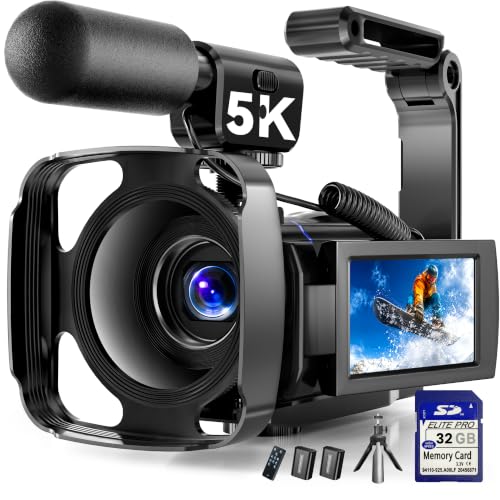
Learn what different price levels buy you in a camera for short form video, which features matter for TikTok, and which costs to plan for before you buy.
If you are shopping for best cameras for tiktok, the price spread can feel confusing, because models at very different prices can look similar in a listing. This guide explains what changes as you spend more, which features actually help short form video, and where extra money may not help your clips at all. Use the comparison table below to compare the main types side by side before you narrow the choice.
Short form video rewards quick focus, steady handheld footage, clear sound, and simple transfer to your phone. A camera that is strong for still photos may still be awkward for talking clips, dance clips, or outdoor clips if it focuses slowly or if its files are hard to move. The sections below match camera types to filming habits first, then explain price levels, so you pay for the strengths you will use every week.

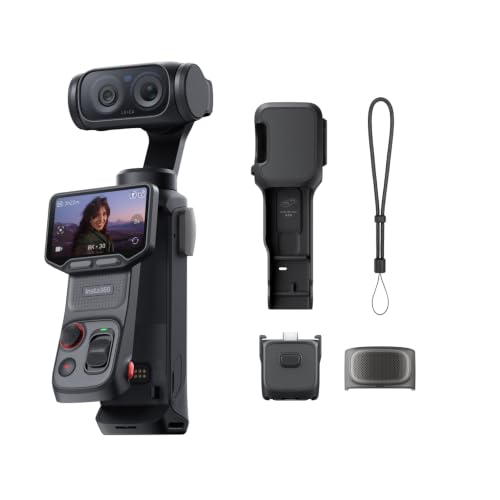
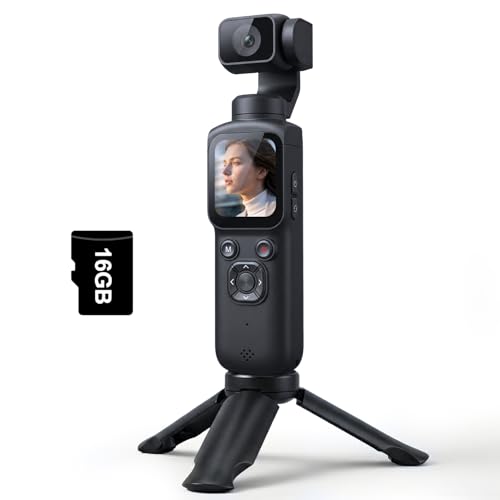



Who Should Buy Which Type of Camera for Short Form Video
Casual Posters Who Film at Home
If you film mostly indoors, in one room, with steady light, you need simple controls, reliable face focus, and a flip screen so you can frame yourself. A compact camera or a small mirrorless camera with a kit lens can cover this work well, and you do not need a long zoom or heavy weather sealing. Spend your attention on clean audio, because viewers notice muffled sound faster than they notice a small gain in sharpness. A mic input, even if you add a mic later, gives you room to grow, and our guide to best starter cameras covers simple first cameras in more detail.
Regular Creators Who Film in Many Places
If you film outdoors, in cafes, on streets, and in cars, portability and fast focus matter more than raw resolution. You need a camera that starts quickly, locks onto a moving subject, and holds exposure when you step from shade into sunlight. Good stabilization helps here, because handheld walking clips can look shaky without it. A light body also matters, because a heavy setup stays home on days when you planned to film.
Creators Who Go Live or Film Long Sessions
If you record long talking sessions, tutorials, or live streams, battery life, heat control, and clean output to a computer matter more than zoom range. Look for a camera that can run while plugged in, that does not overheat quickly, and that offers a simple way to send video to streaming software. A tripod mount and a mic input are practical here, and a larger sensor can help in a dim room, but only if the rest of the setup is steady and well lit.
What Your Money Gets You at Each Price Level
Starting Point Spending
At the starting point, around $200 to $400, you can expect a compact camera or an entry mirrorless camera with decent video, basic stabilization, and simple automatic modes. Autofocus may hunt in low light, and the built in mic may pick up room noise, so plan for a basic external mic if sound matters to you. You still get real benefits over a phone in some cases, such as a larger sensor, optical zoom, and a flip screen, but you should not expect strong low light video or fast tracking of fast movement.
Middle Ground Spending
In the middle ground, about $500 to $900, cameras usually add faster and more reliable subject tracking, better stabilization, cleaner video at higher sensitivity, and more control over exposure and sound. This level suits creators who post several times a week and who film in varied light, because the camera handles more situations without constant adjustment. You may also get a better flip screen, a mic input and a headphone jack, and longer battery life, all of which save time during a shoot. This is often the level where spending more gives the clearest jump in usable clips, and our guide to best quality cameras compares overall quality at this level.
Higher End Spending
At higher spending, about $1,000 and above, you pay for larger sensors, stronger low light performance, faster processors, and more advanced video formats that give you room to edit color and crop. These strengths help if you edit heavily, film in dim venues, or print still frames from video, but they do not automatically make a short clip more engaging. A higher end camera also tends to be larger and heavier, and it may need extra lenses, cards, and batteries, so the total cost rises beyond the body price. Buy at this level when a specific limit, such as low light noise or slow tracking, is holding back your work.
Features Worth Paying For and Ones to Skip
Sensor Size and Image Quality
Sensor size affects how much light the camera gathers and how clean the image looks in dim rooms. A 1 inch sensor can be a good step up from a phone sensor, while an APS C sensor gives more room for low light and background blur, and a full frame sensor gives the most room of all. Megapixel count alone does not tell you how good video will look, because video uses only part of the sensor and because processing, focus, and stabilization matter just as much. Judge image quality by low light cleanliness, color, and focus behavior, not by the largest number on the box, and see our guide to best digital cameras for a broader sensor comparison.
Durability and Weather Sealing
Weather sealing helps if you film outdoors in rain, dust, or near water, but it does not make a camera waterproof, and sealed bodies still need care around sand and salt spray. For indoor creators, sealing is less important than a solid grip, a sturdy screen hinge, and a battery door that closes firmly. If you film travel clips, look for a body that feels secure in one hand and for a lens that does not extend in a fragile way when you walk. A simple rain cover and a padded bag often protect a camera better than sealing alone.
Lens and Zoom Range
Optical zoom changes the picture by moving glass, while digital zoom crops the image and lowers quality, so compare optical zoom first. A wide to short telephoto range covers most talking clips, room tours, and street clips, while a very long zoom helps only if you film subjects from far away. A fast aperture, shown as a low f number, lets in more light and can soften a busy background, but it also narrows the sharp zone, so focus must be accurate. For short form video, a flexible standard zoom usually beats an extreme zoom you rarely use, and our guide to best cameras for photography explains still photo priorities in more detail.
Features That Matter for Tiktok
For TikTok, vertical framing support, a flip screen, reliable face and eye tracking, and quick transfer to a phone matter more than extreme resolution. A camera that shoots vertical video directly, or that crops cleanly to vertical without losing too much detail, saves editing time. Good stabilization, a mic input, and a simple way to move files over cable or wireless connection also save time every day. On the other hand, very high frame rates, long telephoto reach, and advanced color formats matter only if your editing style uses them, so do not pay for them by default.
Long Term Costs to Factor In
The camera body is only part of the total cost, because memory cards, spare batteries, a charger, a tripod or grip, a mic, and a bag add up quickly. Lenses are the largest long term cost for interchangeable lens cameras, so check lens prices before you commit to a system, not after. Also factor in warranty terms, repair options, and how often you will replace cards and batteries with heavy use. A lower body price with expensive lenses can cost more over two years than a higher body price in a system with affordable lenses.
Frequently Asked Questions
What features matter most in cameras for tiktok?
Reliable face tracking, steady handheld video, clear audio input, and fast transfer to your phone matter most for short form clips. A flip screen helps you frame yourself, and good low light performance helps in rooms and evening streets. Resolution beyond 4K rarely changes how a short clip looks on a phone screen, so focus on focus speed, stabilization, and sound first. If you film outdoors often, add weather resistance and a secure grip to that list.
What specs matter most for beginners buying a camera for tiktok?
Beginners should look for simple automatic modes, a flip screen, a mic input, and a standard zoom that covers wide to short telephoto views. A sensor larger than a phone sensor helps in dim light, but you do not need the largest sensor to start. Battery life and easy file transfer matter more than advanced video formats, because they affect whether you actually finish and post clips. Choose controls you understand, and learn one new setting at a time.
Is a smartphone enough instead of a camera for tiktok?
A recent smartphone is enough for many creators, because it offers fast focus, strong stabilization, simple editing apps, and instant posting. A dedicated camera can still help if you want a larger sensor, optical zoom, a flip screen with better visibility outdoors, or cleaner audio through a mic input. The trade off is extra steps, because you must transfer files and learn camera menus. If your phone already gives you clips you like, spend on lighting and sound before you buy a camera.
How much should I spend on my first camera for tiktok?
Most first time buyers do well in the starting point to middle ground range, about $200 to $900, depending on how often they film and whether they need interchangeable lenses. Start lower if you film casually at home, and move higher if you film weekly in varied light or if you plan to edit heavily. Set aside part of your budget for a card, a spare battery, and a mic, because those items affect daily use more than a small sensor upgrade. You can upgrade the body later once you know which limit bothers you most.
Which camera type is better for low light tiktok video?
Cameras with larger sensors and fast lenses usually perform better in low light, because they gather more light and produce less visible noise. A camera with good stabilization also helps, because it lets you use slower shutter speeds without blur from hand movement. Still, lighting matters more than any single spec, because even a strong camera struggles in a very dark room. Add a small portable light for talking clips, and test low light samples at the sensitivity you will actually use.
Final Thoughts
The right choice depends on how often you film, where you film, and which limit is hurting your clips today. A starting point camera can be enough for home clips, a middle ground camera suits regular creators in varied light, and a higher end camera pays off mainly for heavy editing or dim venues. Check the product table above once more, compare the types that fit your filming habit, and reserve budget for sound, storage, and power. With that balance in place, best cameras for tiktok becomes a practical choice rather than a guess based on price alone.


