Best Cameras for Tiktok Videos by Budget in 2026
Disclosure: We may earn a commission when you buy through links on this page, at no extra cost to you. As an Amazon Associate I earn from qualifying purchases. Learn more
Compare cameras for Tiktok videos by budget level, with guidance on autofocus, stabilization, low light, vertical video, and long term costs.
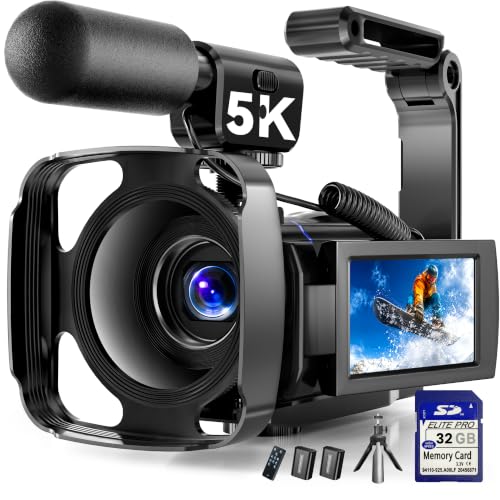
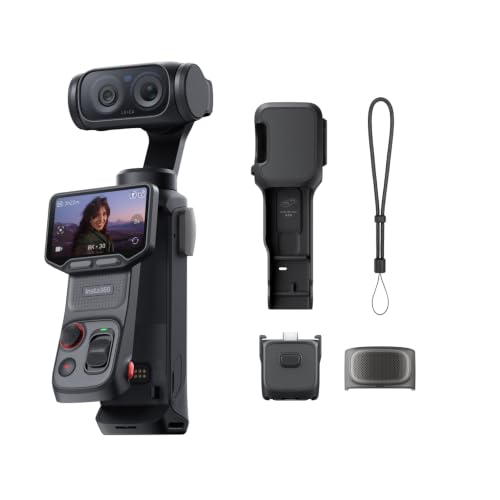
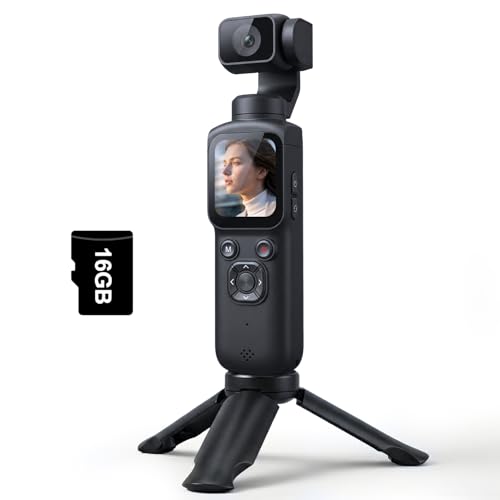
Prices for video cameras vary widely, so best cameras for tiktok videos should be judged by what each budget level actually delivers for short vertical clips. The comparison table below gives a quick overview, while this guide explains where extra spending helps and where it mainly adds weight, complexity, or features you may rarely use. The goal is a setup that feels easy to pick up, record, and share.
Short form video rewards speed and simplicity. You need quick focus, steady handheld footage, clear sound, and a vertical framing option that does not force awkward cropping. A camera that takes too long to set up, drains quickly, or needs heavy editing will slow you down, even if its still photo specs look strong. The sections below focus on video first, so you can match spending to the kind of clips you make most.




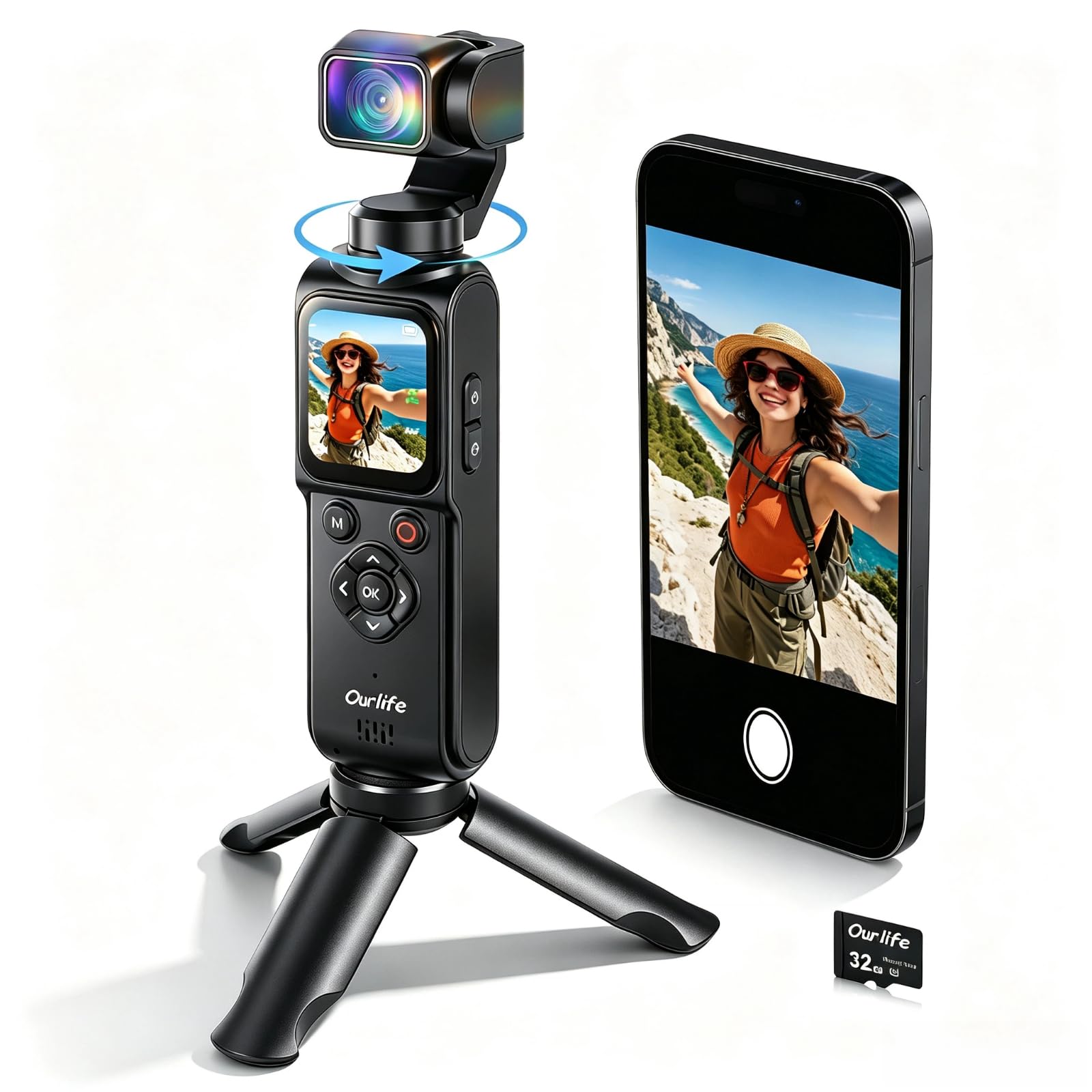
What Each Budget Level Gets You
Budget levels differ mainly in focus reliability, stabilization, low light handling, and ease of use. Entry level options suit bright rooms and outdoor daylight, while higher levels handle mixed light, movement, and longer sessions with more confidence. For general video choices, see our guide to the best cameras for video. Use the levels below as a planning guide, not as a ranking, since the right level depends on your content, location, and editing habits.
Entry Level Spending
Entry level spending, about $200 to $500, usually covers simple vertical video, basic autofocus, and usable daylight quality. These cameras often work best when you shoot near a window, outdoors, or in a well lit room. Stabilization may be basic, so a small tripod or steady hand helps for walking shots. Sound may also need help, so check whether a mic input is included before you buy.
Mid Level Spending
Mid level spending, about $600 to $1,200, often adds stronger eye focus, smoother stabilization, better low light results, and a flip screen for self framing. These improvements matter most for talking head clips, dance or movement clips, and rooms with mixed lighting. You may also get faster wireless transfer and longer recording times, which help when you film several clips in one session.
Higher Level Spending
Higher level spending, about $1,300 and up, usually brings larger sensors, wider lens choices, stronger video codecs, and more manual control. That flexibility helps creators who shoot in varied locations, work with changing light, or want cleaner footage for editing. It also adds size, cost, and learning time, so choose this level only when your current setup clearly limits your ideas or your footage quality.
Matching Camera Style to Your Video Style
Different video styles place different demands on a camera. A talking head clip needs reliable face focus and clean audio, while a movement clip needs strong stabilization and fast focus recovery. A travel or outdoor clip needs weather resistance, good battery life, and a light kit you can carry all day. Match the camera to your most common clip first, rather than buying for a style you rarely make.
Talking Head and Tutorial Clips
Talking head clips benefit from eye focus that stays locked while you move slightly, a flip screen for framing, and a mic input for clear voice. A simple background blur can help the subject stand out, but it should not distract from the message. Keep the setup close and simple, since a long lens or complex rig can make quick filming feel like a chore.
Movement and Dance Clips
Movement clips benefit from fast autofocus, effective stabilization, and a wide enough view to keep the full body in frame. A higher frame rate can make motion look smoother, but it also creates larger files and may need more light. Test the camera while moving, not just while standing still, because stabilization that looks fine in a shop demo can struggle with quick turns or steps.
Outdoor and Travel Clips
Outdoor clips benefit from good battery life, a bright screen, and sealing against dust and light rain. A light, compact body helps when you walk for hours, and a spare battery matters more than a small spec advantage. For rugged handheld options, see our guide to the best action video cameras. Check how the camera handles wind noise too, since a built in mic alone may not suit breezy locations.
Features Worth Paying For and Ones to Skip
Some features improve short video every day, while others sound useful but rarely change the final clip. The list below separates the two, so you can spend on handling, focus, and sound before chasing extreme specs.
Autofocus and Stabilization
Reliable eye focus and smooth stabilization are worth paying for, because they affect almost every clip. Look for focus that stays on a face during small movements and stabilization that handles walking without a jerky feel. A gimbal can help for complex movement, but built in stabilization is often enough for simple handheld clips. Skip extreme focus claims that only work in perfect light.
Lens and Zoom Range
A flexible standard zoom suits most short video, since it covers wide room shots and closer portraits without lens changes. A very long zoom adds weight and cost and rarely helps for vertical clips filmed at close range.
Low Light Performance
Low light performance matters when you film indoors, in the evening, or in rooms with mixed lighting. A larger sensor and a wider aperture usually help, but clean high ISO handling and good color matter too. Skip claims about extreme ISO numbers that produce noisy or washed out footage. Instead, look for usable results at the ISO levels you actually use, and add a simple light when a room stays dark.
Features That Matter for Tiktok Videos
Short vertical video needs a vertical framing option, fast start up, easy transfer to a phone, and controls that work with one hand. A flip screen helps for self framing, while a mic input helps voice stay clear over room noise. For short form platform choices, see our guide to the best cameras for tiktok. For longer talking head formats, see our guide to the best cameras for video blogging.
Battery life matters for batch filming, and file sizes should suit your phone storage and editing app. Skip features built mainly for long cinema projects, since they add menus and cost without improving short clips.
Sensor Size and Image Quality
Sensor size affects light gathering, background blur, and crop flexibility. Larger sensors often handle low light better, while smaller sensors pair with lighter bodies and simpler lenses. For general camera choices, see our guide to the best digital cameras.
Do not judge quality by megapixel count alone, because focus accuracy, color, and stabilization affect short video just as much. A clean, stable clip from a balanced camera often looks better than a shaky clip from a higher resolution camera.
Long Term Costs to Factor In
Long term costs include spare batteries, memory cards, a tripod or small rig, a mic, and a protective case. Lenses, lights, and editing apps can add cost over time, so plan for the items you will actually use in the first few months. Warranty length and repair options also matter, especially if you film outdoors or travel often. Add those costs to the camera price before deciding, so the total stays within your budget.
Frequently Asked Questions
What features matter most in cameras for tiktok videos?
Eye focus, stabilization, vertical framing, clear audio, and easy transfer matter most for cameras for tiktok videos. A camera that locks focus quickly and keeps footage steady will improve almost every clip, while a mic input helps voice stay clear. Battery life and a flip screen also help for batch filming and self framing. Resolution alone matters less than these practical points, because a stable, well lit, well framed clip usually performs better than a shaky high resolution clip.
How much should I spend on my first one?
A first setup for bright rooms and outdoor clips can start at about $200 to $500, while a setup with stronger focus, stabilization, and low light handling often costs about $600 to $1,200. Spend more only when your current setup limits your ideas, such as poor focus in mixed light or shaky movement clips. Remember to budget for a spare battery, a memory card, and a mic or tripod if you need them. A simple light can also improve results more than a costlier camera body.
Which is better for low light?
A larger sensor, a wider aperture lens, and clean high ISO handling usually work better for low light than a very high megapixel count. Good stabilization also helps, since it lets you use slower shutter speeds without blur in some situations. For indoor clips, a small light often helps more than a new camera, because it improves skin tones and reduces noise. Test footage in your actual room light before deciding, since shop lighting can hide low light weaknesses.
What specs matter most for beginners?
Beginners should focus on reliable eye focus, simple controls, a flip screen, good battery life, and easy phone transfer. A standard zoom that covers wide and portrait views suits most short video without lens changes. Avoid complex manual settings at first, and learn one or two focus modes well before adding more gear. A setup that feels easy to pick up will lead to more practice, and practice improves framing, lighting, and timing faster than a spec upgrade.
Our Verdict
Choose a camera that makes filming easy: reliable focus, steady handheld video, clear sound, and a vertical option that suits your style. Match spending to your light, movement, and editing habits, and leave room in the budget for a battery, a card, and sound help. The product table above can help you compare styles, but real use matters most.
When you compare options, weigh best cameras for tiktok videos against the clips you make every week, not against a feature list alone. A setup that starts fast, stays steady, and transfers easily will help you film more often, and that habit will improve your videos more than any single feature.