
Best Cameras for Studio Photography 2026: Which One Fits the Way You Use It?
Disclosure: We may earn a commission when you buy through links on this page, at no extra cost to you. As an Amazon Associate I earn from qualifying purchases. Learn more

Match the best cameras for studio photography to your routine, with tethering, flash sync, resolution and lens advice for portraits, products and studio work.
There is no single studio camera that suits every routine. A portrait shooter working with flash all day needs different things from a product photographer shooting small items on a table, and both differ from a student learning with one light. This guide matches best cameras for studio photography to the way you actually work.
Start with your routine below, then compare tethering, lighting sync, resolution, and lens choice in the feature sections. The comparison table below lays out the main camera classes side by side, so you can shortlist before reading the detail.


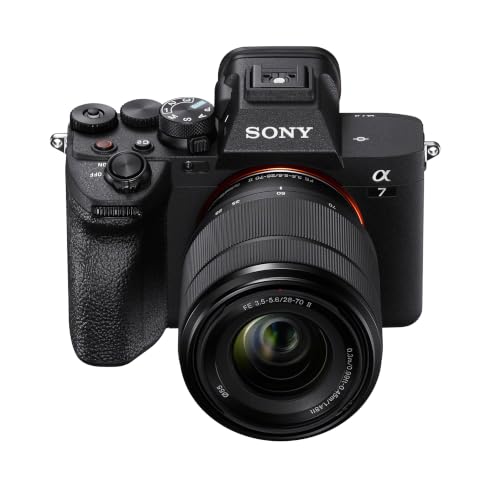
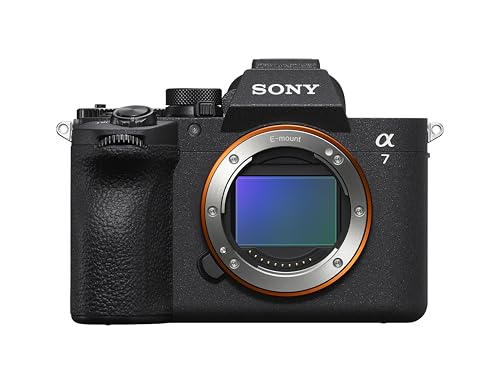
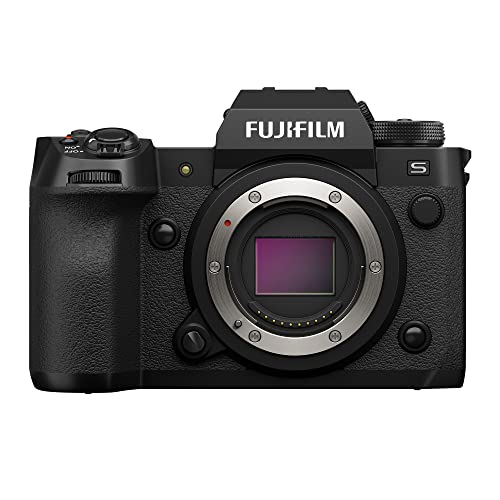
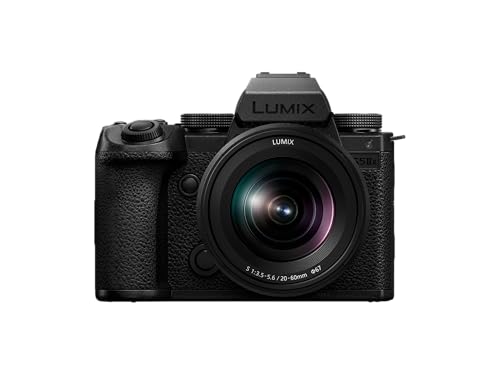



Who Should Buy Which Studio Camera?
For Students Learning Studio Basics
Students need a camera that stays out of the way while they learn light. A modest APS C or older full frame body with manual controls, a hot shoe for a basic trigger, and cheap used lenses teaches more than an expensive body ever will. Battery life through a full class session and clear menus matter more than headline specs. Money saved on the body buys the first light and stand, which change photos far more.
For Portrait and Product Creators
Portrait and product creators live on repeatable results. They should favour reliable autofocus on eyes, a screen that tilts for table work, and tethered shooting so clients can see frames at full size. Colour that stays consistent across a long session matters more than extreme resolution. Readers coming from general shooting can compare broader options in guides to best cameras for photography, then narrow by these studio needs.
For Busy Studios Shooting Every Day
A working studio shooting daily needs durability and speed of handling above all. Dual card slots protect paid work, a deep grip suits long handheld sessions between tripod sets, and fast file transfer keeps the day moving. Shutter life ratings and ready access to service count as real buying factors here. This group should also keep a backup body, because a studio day lost to a failure costs more than the spare camera.
Picking the Right Camera for Different Uses
Value Studio Bodies
Value studio bodies earn their place by getting the controlled light basics right. In a studio you supply the light, so an older or smaller sensor still delivers clean files at low ISO settings, and that is where the savings hide. Spend first on a body with a hot shoe, full manual control, and a lens mount with plenty of affordable used glass. Skip paying extra for extreme autofocus speed or very high frame rates, because studio subjects mostly hold still, and a sensible value setup with one good lens lands at about $500 to $1,000 all in.
Key Features to Compare
Tethering and Reviewing on a Big Screen
Tethering governs how you review studio work, because shots travel down a cable or over WiFi to a computer where you see them on a big screen at full size. Focus errors, stray hairs, and uneven light show up at once, while they hide on a small rear screen. Look for stable tether support in common studio software and a port that locks the cable so a tug does not end the session. Portrait and product shooters gain the most, since clients can approve frames as the shoot goes on.
Lighting and Flash Sync
Lighting is the real studio spend, and flash sync governs how well the camera works with that light. A hot shoe plus a simple radio trigger fires most studio strobes, and a sync speed around 1/160 to 1/250 of a second covers normal portrait and product work. The camera itself mostly records the light you build, so clean files at base ISO matter more than high ISO heroics. Budget for lights, stands, and modifiers first, because they shape the photo far more than a pricier body does.
Resolution for Prints and Cropping
Resolution governs how large you can print and how hard you can crop. Around 24 megapixels covers most portrait prints and online product work with room to spare. Higher counts around 45 megapixels help when a client crops into a group shot or prints very large, but they also fill cards and drives faster and show up weak technique. Match the count to your real output: screens and modest prints need far less than gallery walls and heavy cropping do.
Lens Choice for Studio Work
Lenses shape studio photos more than bodies do. Portrait work favours short telephoto lenses around 85 mm on full frame, which flatter faces and give comfortable working distance. Product work leans on standard lenses around 50 mm and macro lenses for small items, where even focus across the frame matters. Zoom lenses covering about 24 to 70 mm suit mixed daily work, while fixed focal length lenses usually give sharper results for less money, so buy the lens for the job you shoot most.
Sensor Size and Image Quality
Sensor size matters less in the studio than outdoors, because you control the light. Full frame bodies give shallower depth of field for portraits and cleaner files when you do raise the ISO. APS C bodies cost less, and their extra depth of field can even help product shots stay sharp front to back. First time studio buyers comparing formats will find friendly starting points among best beginning photography cameras, and any format can produce professional studio results with good light.
Common Mistakes to Avoid When Buying Studio Cameras
- Buying the most expensive body and leaving nothing for lights, even though light shapes studio photos more than the camera does.
- Ignoring tethering support, then finding the camera cannot send files to the software your studio relies on.
- Chasing the highest megapixel count when your prints and screens never need it, while paying for it in storage and slower files.
- Forgetting the lens budget, so a fine body ends up paired with a slow zoom that limits portrait and product work.
- Skipping a second card slot or a backup plan for paid sessions, where a single card failure can lose a whole shoot.
How to Make Your Studio Camera Last Longer
Studio gear lives a sheltered life, and simple habits stretch it further. Keep the camera on a strap or a secure mount near edges, because most studio damage comes from a tripod knock or a cable tug. Blow dust off the sensor with a hand blower, cap lenses when they sit on shelves, and store bodies in a dry cabinet away from steamy prep areas. Carry a spare battery and charge packs after each session day, and clean contacts and check cables monthly, since tether faults often turn out to be worn leads rather than camera problems.
FAQs
What features matter most in a camera for studio photography?
Tethering, flash sync, and clean files at base ISO matter most. Tethering lets you judge focus and light on a big screen during the session, sync support makes the camera work with studio strobes, and clean low ISO files suit the controlled light you supply. Readers upgrading from a first body can shortlist from best cameras for starter photography and then check those three studio factors before spending.
Does a studio camera need strong low light performance?
No, a studio camera does not need strong low light performance. You build the light in a studio, so the camera works near its base ISO most of the time, where almost any modern sensor looks clean. Strong high ISO ability still helps for mixed light events or location work in dim rooms. For pure studio use, put the money toward lights and lenses instead of paying extra for low light specs.
How much should a beginner spend on a first studio camera?
About $500 to $1,000 buys a sensible first studio setup. That range covers a value body, a standard lens, and the start of a lighting kit, which together matter more than a costly body alone. Buying a clean used body is a smart route, since studio cameras often live gentle lives on tripods. Add a second light and a modifier before you think about upgrading the camera itself.
Is a smartphone enough for studio photography?
A smartphone is enough for casual product shots for online listings, but it is not enough for serious studio work. Phones give limited flash sync options, no true tethering workflow, and small sensors that show noise when you shape light at low levels. They are fine for behind the scenes photos and quick tests of a set. Paid portrait and product work calls for a camera with manual control, interchangeable lenses, and strobe support.
Can a film camera work in a modern studio?
Yes, a film camera can work in a modern studio, and many photographers enjoy the slower pace. Studio strobes sync with film bodies through a standard cable or trigger, and the controlled light suits film well. The trade offs are cost per frame, no instant review on a screen, and slower turnaround for clients. Guides to best film photography cameras explain the formats if you want to add film alongside your digital body.
What lens should a new studio photographer buy first?
A standard lens around 50 mm is the best first buy for a new studio photographer. It suits portraits at a natural distance, handles product work on a table, and stays affordable in fast versions that blur backgrounds gently. Add a short telephoto for tighter portraits or a macro lens for small products as your work settles into a pattern. One good lens you know well beats a bag of lenses you rarely use.
The Bottom Line
Match the camera to your routine, put tethering and lighting ahead of headline specs, and leave real money for lights and lenses. The product table above compares the main classes on the points that matter in a working studio. Survey the dedicated range in guides to best studio cameras once your routine is clear, and choose the body that supports it without strain. Chosen that way, best cameras for studio photography will fit your sessions from the first shoot onward.


