Best Cameras for Streaming on PC by Budget: Smart Buying Guide for 2026
Disclosure: We may earn a commission when you buy through links on this page, at no extra cost to you. As an Amazon Associate I earn from qualifying purchases. Learn more
Compare cameras for streaming on pc by spending level, with guidance on video quality, autofocus, low light performance, audio, and lighting before you buy.
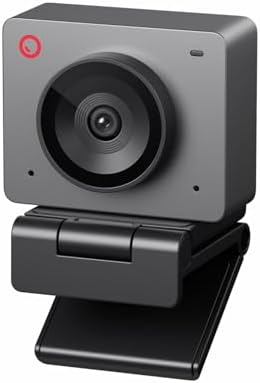
Streaming cameras now span a very wide price range, from simple plug in webcams to larger cameras that need extra gear to connect to a computer. This guide to best cameras for streaming on pc explains what your money actually buys at each level, so you can spend where it shows on screen and save where it does not. You will learn how resolution, autofocus, low light behavior, and audio shape a stream, and which extras are worth adding later. The comparison table below can help you line up the main camera types before you compare prices.
Before choosing, think about what you stream most: talking head videos, gaming with a face camera, crafts, music, or outdoor scenes from a desk setup. A quiet room with good lighting forgives a modest camera, while a dim room or a fast moving subject exposes weak autofocus and noisy video quickly.


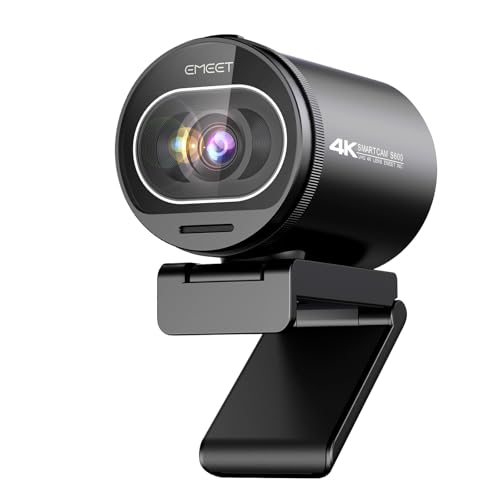
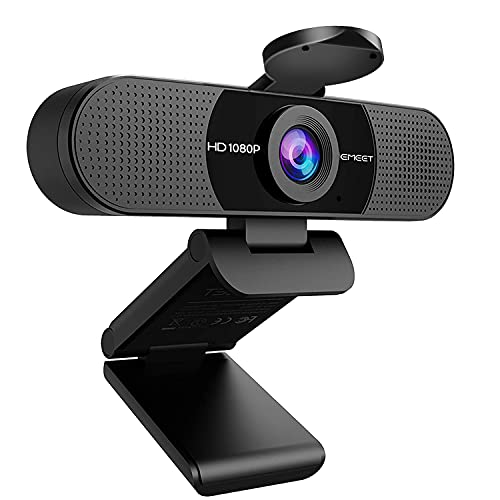
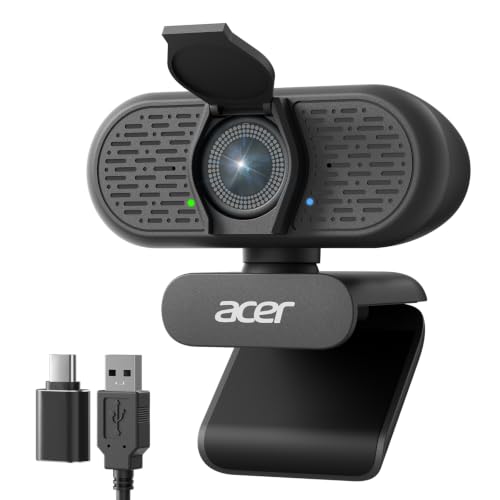

Spending Levels at a Glance
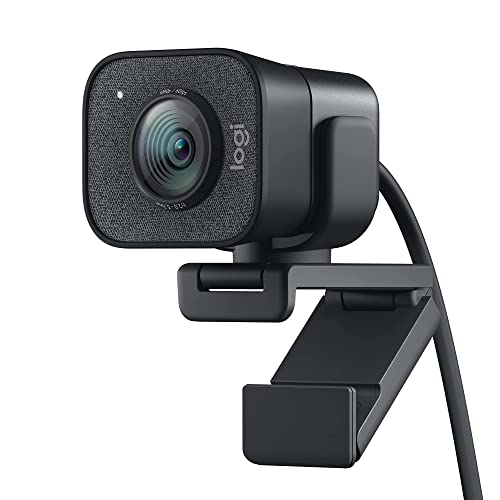
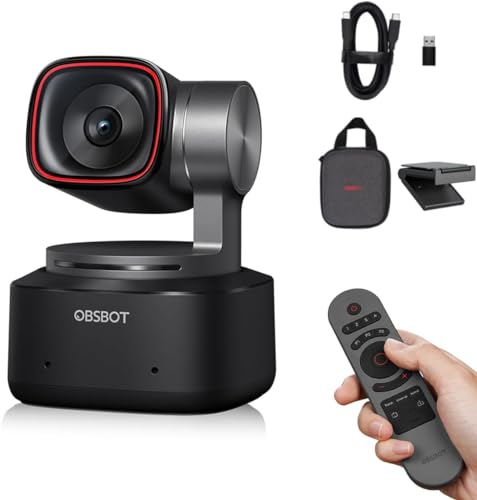
The three levels below describe what to expect, not specific products to buy.
A Modest Start That Covers the Basics
At a modest level, expect about $50 to about $150 for a simple webcam with 1080p video, a fixed or basic autofocus system, and a built in microphone. Video will look clean in good light but may soften in dim rooms, and the built in microphone will sound thin compared with a separate microphone. Invest in a lamp or window light, and this level can look surprisingly professional.
A Balanced Step Up for Regular Streamers
In the middle range, around $150 to about $400, you will usually find sharper video, faster autofocus, better low light handling, and wider fields of view. Many cameras in this range add a better lens, a privacy shutter, and software controls for exposure and color. This level suits streamers who broadcast several times a week, move around on camera, or want a cleaner image without a complex setup.
A Full Studio Feel for Demanding Setups
Above about $400, cameras often offer larger sensors, interchangeable lenses, and cleaner video output that needs a capture device to reach a computer. This level suits dedicated studios, multi camera setups, and streamers who want shallow background blur or very clean low light video. The trade is complexity: you may need a mount, a capture device, extra cables, and more desk space, plus time to learn manual exposure. Buy at this level only when your content clearly needs it, not simply because the image looks better in a brightly lit demo.
What Your Money Gets You at Each Price Tier
Price tiers in streaming cameras track sensor quality, lens quality, focus speed, and connection options more than raw resolution alone. Compare the tiers below with your own room and content in mind, and weigh the total setup cost, including mounts, lighting, and audio, before deciding.
Budget Tier: What to Expect
Budget cameras focus on simplicity: plug in with USB, mount on a monitor, and start streaming with minimal setup. Expect 1080p video, a fixed or slow autofocus system, and a narrow set of manual controls. Color may shift under mixed lighting, and noise appears sooner in dim rooms.
Midrange Tier: A Clearer Step Forward
Midrange cameras add faster autofocus that tracks your face as you move, better handling of backlight from a window, and cleaner video in evening light. Software controls for brightness, contrast, and white balance let you tune the image once and reuse those settings. For related options that connect directly to a computer, see our guide to best pc cameras for streaming while you compare connection types and software features.
Premium Tier: When Extra Spending Pays Off
Premium cameras reward streamers who control light, sound, and framing carefully and who stream long enough for small quality gains to matter. Larger sensors gather more light, interchangeable lenses allow a chosen field of view and background blur, and clean video output avoids on screen menus and overlays.
Features Worth Paying For (and Ones to Skip)
Not every headline feature improves a stream. Resolution gets the most attention, but focus, light handling, and audio often matter more to viewers, who notice a blurry face or echoing voice before they notice a resolution number.
Video Capabilities
Resolution and frame rate set the ceiling for image quality, but they are not the whole story.
Smooth 1080p video at 30 or 60 frames per second looks better than uneven 4K video that stutters on a modest computer or connection. For webcam style options, see our guide to best web cameras for streaming alongside this section. Skip very high resolution claims if your streaming platform, computer, or upload speed cannot carry them cleanly.
Features That Matter for Streaming on PC
A streaming camera must work smoothly with your computer, your software, and your connection, not just produce a good image on its own. Check that it connects by USB or through a capture device your software supports, that drivers or companion software run on your operating system, and that you can adjust exposure and focus without leaving your broadcast software.
Low latency matters for gaming and conversation, because a delayed face camera feels out of sync with gameplay or speech. A dedicated streaming camera guide, such as our guide to best streaming camera, can help you compare these workflow points with image quality. Test the full chain before a live show, and keep small parts, cables, and mounts away from children.
Low Light Performance
Low light performance decides whether your face stays clear when evening arrives or when your only light is a desk lamp. A larger sensor and a wider aperture lens gather more light, while software noise reduction can smooth grain at the cost of fine detail.
In practice, a single soft light placed in front of you improves low light video more than a pricier sensor alone, because it gives the camera clean light to work with. Test in your real streaming light, not in a store demo, before judging a camera.
Sensor Size and Image Quality
Sensor size affects light gathering, background blur, and noise, but it interacts with lens quality and software processing. A small sensor with a good lens and clean processing can look excellent in a bright room, while a larger sensor with a poor lens can disappoint. Megapixel count alone is a weak guide for streaming, because most platforms compress video heavily and a stream rarely shows full sensor detail.
Long Term Costs to Factor In
The camera price is only part of the total cost. Add a mount or tripod, a capture device if you choose a larger camera, extra cables, lighting, and a separate microphone if the built in audio disappoints. Replacement parts, such as mounts and cables, and software subscriptions for advanced camera controls can add up over time, so check warranty terms and whether software features require ongoing payment. A modest camera with good lighting and audio often costs less over a year than a premium camera that still needs those same upgrades, so budget for the full setup rather than the camera alone.
Cameras: Your Questions Answered
What features matter most in cameras for streaming on pc?
Reliable autofocus, clean low light video, smooth frame rates, and easy computer compatibility matter most for streaming. A camera that holds focus on your face, handles evening light without heavy noise, and connects without extra adapters will serve most streamers better than a higher resolution camera that stutters or needs complex setup. Audio matters too, though many streamers soon add a separate microphone for clearer voice.
Is a smartphone enough instead?
A modern phone can serve as a capable streaming camera, especially with a mount, good lighting, and a separate microphone. Phones offer strong video processing and autofocus, and many streaming apps accept a phone as a video source.
A dedicated camera pulls ahead for long sessions, because it avoids phone overheating, battery drain, and incoming call interruptions. For occasional streams, a phone is a sensible start; for regular broadcasting, a dedicated camera usually proves more reliable.
Which is better for low light?
A larger sensor with a wider aperture lens usually performs best in low light, because it gathers more light and keeps noise lower. Software noise reduction can help, but it may soften facial detail if pushed too far. In practice, adding a soft light in front of you often improves low light video more than upgrading the sensor alone, because it gives the camera clean light to work with.
How much should I spend on my first one?
Most first time streamers do well spending about $50 to about $200 on a camera, then putting remaining budget toward lighting and audio. That range buys clean 1080p video, usable autofocus, and simple USB setup for talking head streams and casual gaming streams. Spend more only when you stream regularly, need better low light video, or want a multi camera studio setup.
The Bottom Line
Match the camera to your content, your room, and your computer, and let lighting and audio share the budget with the camera itself. A modest camera in a well lit, quiet room can look and sound better than a premium camera fighting dim light and echo, and the product table above can help you compare the main types side by side. With a realistic budget and a test run in your real setup, best cameras for streaming on pc stops being a search for the highest specification and becomes a practical choice you can stream with confidently week after week.