Best Cameras for Storm Chasing: Buying Guide for 2026
Disclosure: We may earn a commission when you buy through links on this page, at no extra cost to you. As an Amazon Associate I earn from qualifying purchases. Learn more

Compare the best cameras for storm chasing by sealing, burst speed, sensor size and zoom, with price bands and safety first advice for shooting severe weather.
Storm photography asks a lot of a camera. Light drops fast under a dark sky, rain arrives sideways, and the scene can change in seconds, so the body in your hands has to focus quickly, seal out water, and keep shooting without fuss. This guide explains how to choose best cameras for storm chasing by the factors that matter in the field.
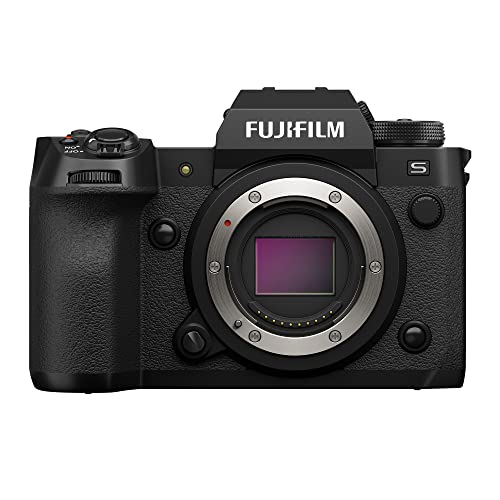
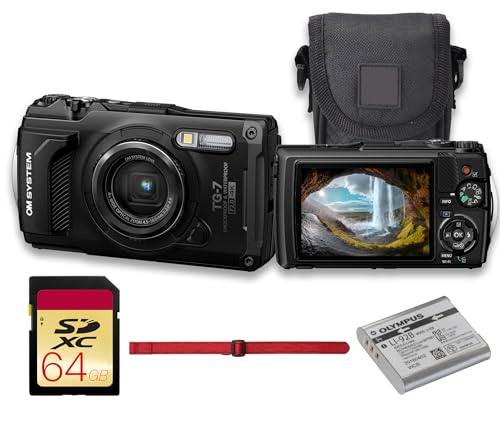
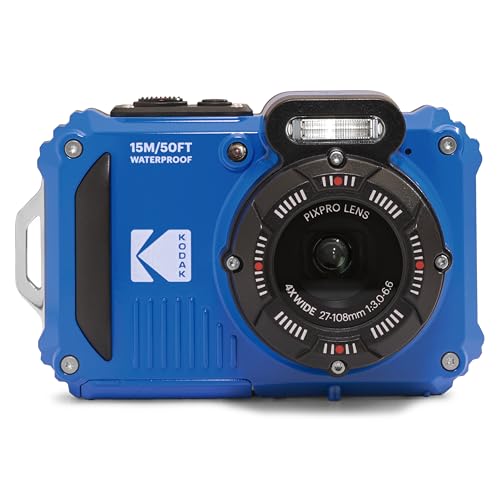
You will find the safety rules first, then the specs that hold up in bad weather, the main camera types, and honest price bands. The comparison table below gives a quick side by side view before the detail that follows.




Safety Comes Before Every Photo
Distance and the road govern every storm shoot, and no photo is worth a risk to your life. Work from a safe distance with a clear escape route on paved roads, and never stop on a highway shoulder, under an overpass, or in a low spot that can flood. If the storm is close enough that you feel rushed, you are already too close, and it is time to leave.
Lightning is the most common danger, and it can strike well ahead of the rain. Stay inside the vehicle while lightning is near, wait a good while after the last thunder before stepping out, and keep away from fences, poles, and lone trees. A camera with a long lens lets you frame a storm cell from far away, which is exactly how this kind of photography should work.
Treat weather information as part of your kit. Check forecasts and radar before you go, tell someone your route, and set a firm turn back time. Readers who are new to severe weather should learn storm structure and road safety from official weather services and experienced local groups before chasing with any camera at all.
How to Choose: A Storm Camera Buying Guide
The factors below decide whether a camera survives a wet evening and still brings home sharp frames. Work through them in order, because sealing and speed matter more here than they do for everyday shooting with best cameras for photography.
Weather Sealing and Rain Protection
Weather sealing and a simple rain cover govern how a camera handles a wet shoot. Look for sealed buttons, dials, and lens mounts, and remember that the lens needs sealing too, since water enters at the mount and the front element. A low cost rain cover or even a clear bag with a hole for the lens adds a second layer when rain turns heavy. After a wet session, dry the body slowly at room temperature and leave the lens mount open so trapped moisture can escape.
Burst Speed and Buffer Depth
Burst speed and buffer depth govern lightning work and fast moving cloud structure. A camera that fires about 8 to 12 frames per second gives you a real chance of catching a lightning bolt during a long exposure sequence or a burst. Buffer depth matters just as much, because a shallow buffer stops the burst right when the storm gets interesting. Fast memory cards keep the buffer clearing, so budget for cards that match the camera write speed.
Sensor Size and Image Quality
Sensor size shapes how clean your files look when the light fades. A 1 inch sensor in a compact body is fine for bright daytime cells, while APS C and full frame sensors hold shadow detail better at dusk, which is when many storms look their best. Megapixel count matters less than clean high ISO files, because storm scenes often need shadow lifting in editing. Judge a camera by how its files look at the ISO settings you will really use.
Low Light Performance
Storm light is dim light, so strong low light performance earns its place near the top of your list when comparing best cameras for storm chasing for evening work. A lens that opens to about f/2.8 gathers far more light than a slow kit zoom, and in body stabilisation helps with handheld shots from the roadside. Clean files at ISO 1600 to 3200 give you room to keep shutter speeds up when wind shakes the tripod. Noise you can live with beats detail lost to blur every time.
Lens and Zoom Range
Reach is a safety feature in this hobby, because a longer lens keeps you farther from the storm. A zoom range covering wide views around 24 mm up to about 200 mm or beyond handles both full storm structure and tight shots of a distant funnel or shelf cloud. Wide angles capture the whole cell and the landscape under it, while the long end isolates details from a safe spot. Check that the lens is sealed if the body is, since the pair only stays dry when both are protected.
Size, Weight, and Handling
You shoot from roadsides, fields, and the open door of a vehicle, so handling with cold or wet hands matters. Big dials, a deep grip, and buttons you can find by touch beat a slim body that needs careful fingers. Weight cuts both ways: a heavier body steadies in wind, but a lighter kit is easier to carry on a long day. Many chasers keep a compact second body ready for quick shots while the main camera sits on a tripod.
Types of Cameras for Storm Work
Three broad types cover most chasers. Interchangeable lens cameras give the best sealing, reach, and low light results, and they suit readers who already own lenses. Tough compact cameras shrug off rain and drops and live happily in a glove box, though their small sensors limit dusk work. Action cameras mount on a vehicle and record the whole drive, which makes them a useful extra rather than a main stills camera.
What Storm Cameras Cost
Prices spread widely, and the product table above shows how the classes compare. Tough compacts and action cameras sit at about $250 to $500. Sealed mirrorless bodies with a kit zoom land around $700 to $1,500, and full frame bodies with long sealed lenses run about $1,800 to $3,500. A tripod, rain covers, spare batteries, and fast cards add roughly $150 to $300 to any setup, so count them in the budget from the start.
Setup and Care Tips
- Set your focus and exposure presets before the storm arrives, so you are not digging through menus in the rain.
- Carry at least one spare battery, because cold wind and long bursts drain packs faster than a normal day out.
- Wipe the lens with a clean microfibre cloth, not your shirt, since grit on wet glass scratches coatings.
- Dry every item slowly at home, and store the kit in a padded bag with a moisture absorbing pack.
- Update the camera firmware at home on a calm day, because updates can improve autofocus and stability.
- Clean the sensor only when spots show in your photos, and use a blower before any wet cleaning method.
Storm Camera Questions Answered
What features matter most in a camera for storm chasing?
Weather sealing, burst speed, and low light performance matter most. Sealing keeps the camera working in rain, burst speed with a deep buffer catches lightning and fast cloud motion, and clean high ISO files save dusk shots. A first time reader comparing general models can start with best digital cameras and then narrow the list by those three storm factors.
What camera specs matter most for a beginner storm photographer?
Simple controls, good sealing, and a versatile zoom matter most for a beginner. Auto modes that behave well in dull light let you watch the sky instead of the menu, and a lens covering wide to telephoto views removes the need to swap lenses in the rain. Guides to best starter cameras cover friendly first bodies, and any pick still needs the sealing this weather demands.
Which camera type handles low light storms best?
A full frame interchangeable lens camera handles low light storms best. Its larger sensor keeps files cleaner at high ISO settings, and fast lenses gather more of the dim light under a storm sky. APS C bodies come close for less money, while small sensor compacts struggle once the light drops. Whichever type you pick, a steady tripod and a lens that opens wide help more than extra megapixels.
How far from a storm should a photographer stay?
Stay far enough away that you can leave in any direction without crossing the storm path, and let the lens do the closing in. Many experienced chasers work several miles from the most intense part of the cell and use long lenses for tight frames. Advice written for best cameras for novices readers applies here too: learn the weather first, and treat the photography as the second skill, never the first.
How much should a first time storm chaser spend on a camera?
About $500 to $1,200 covers a sensible first setup. That budget buys a sealed body with a kit zoom or a good tough compact, plus a tripod, rain cover, and spare battery. Spending more mainly adds low light quality and reach, neither of which helps until your weather judgement is sound. Grow the kit one piece at a time as your experience and your safety habits grow with it.
Is a smartphone enough for storm photography?
A smartphone is enough for casual shots from a safe place, but it is not enough as a main storm camera. Phones lack real telephoto reach, their small lenses flare in wet light, and touch screens misbehave in rain. They are handy for radar, communication, and quick snapshots. For planned storm work, a sealed camera with a proper zoom and physical controls is the safer and far more capable tool.
Wrapping Up
Choose sealing first, burst speed second, and reach third, and let safety rule every decision you make near severe weather. The product table above sums up how the main types compare on those points. Pick the class that fits your experience and your budget, practise with it in mild rain, and build your skills slowly. Chosen with care, best cameras for storm chasing will serve you for many seasons of dramatic skies.