
Best Cameras for Sporting Events by Budget: Smart Picks for 2026
Disclosure: We may earn a commission when you buy through links on this page, at no extra cost to you. As an Amazon Associate I earn from qualifying purchases. Learn more
Compare the best cameras for sporting events by budget, with guidance on zoom, autofocus, and low light features that matter from the stands.
Sports camera prices stretch from budget action cameras to premium mirrorless setups that cost many times more. Paying more does not help if the zoom is too short for your seat or the autofocus cannot follow a runner. Choosing best cameras for sporting events starts with your distance from the action and your usual light.
This guide shows what each budget actually buys, which features earn their cost, and which extras you can skip. Use the comparison table below to check zoom range, sensor size, and video options side by side, then read on for the trade offs behind those numbers.




How to Match a Camera to Your Seat and Your Sport
Your seat matters more than any single spec. A parent ten yards from a youth soccer field needs very different reach than a fan high above a football stadium. Before you set a budget, picture where you will stand, how fast the play moves, and whether you want still photos, video clips, or both.
Parents Filming Youth Games From the Sideline
You are close to the action, but the play is fast and spread across a wide field. Moderate optical zoom, quick autofocus, and simple auto modes let you follow your child without fussing with settings between plays. Light weight matters too, since you may hold the camera for a full game.
Video deserves real weight in your choice. Short 4K video clips are easy to share with family, and image stabilization helps when you pan by hand. If you also shoot other family occasions, see our guide to the best digital cameras for models that balance everyday photos with sports use.
Fans Shooting From the Stands
Distance is your main problem. From the stands, players look small even through a standard zoom, so a long optical zoom or a telephoto objective lens decides whether your photos feel close or distant. Digital zoom does not solve this, since it crops the image and discards detail.
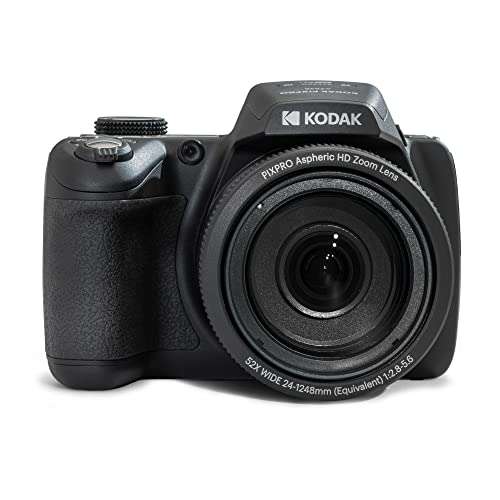
A superzoom bridge camera often suits this job best, since it packs a very long lens into one body with no lens changes in a crowded row. Image stabilization is essential at full zoom, where small hand movements blur the frame. Brace your elbows and shoot in short bursts.
Creators Recording Highlights and Clips
If your goal is highlight reels or content for a team page, prioritize smooth video, reliable subject tracking, and good sound. Look for 4K video without heavy cropping, focus that holds on a moving player, and a port for an external microphone. Fast burst shooting also helps you capture a sharp still at a peak moment.
Creators who cover ceremonies and games in the same week may want broader guidance, so see our guide to the best event cameras for cameras built around mixed still and video work. Buy a fast memory card, since slow cards can stall burst shooting and high bit rate video.
What Your Money Gets You at Each Price Tier
Price tiers map closely to three things: how far the lens can reach, how well the camera focuses on moving subjects, and how clean the image stays as light fades. The product table above gives the raw numbers. This section explains what they feel like on game day.
Budget Tier: What to Expect
Cameras around $100 to $300 include most action cameras, basic point and shoot models, and older superzoom designs. Expect a small sensor, modest optical zoom, and auto modes that work well in bright daylight. They are a clear step up from a phone when the sun is out, especially if you want real zoom or a waterproof body.
The trade offs appear at dusk and indoors. Small sensors struggle in low light, and autofocus can hunt when play speeds up. For casual photos of weekend games in good light, this tier is honest value. For night games, save toward the next tier instead.
Midrange Tier: The Sweet Spot for Most Buyers
Cameras about $300 to $800 bring the biggest jump in daily usefulness. You typically get a larger sensor, a 1 inch sensor on many premium compacts, faster autofocus with subject detection, and stronger image stabilization. Superzoom models here reach far enough for stadium seats while keeping detail budget models lose.
This is also where 4K video becomes standard, screens tilt for low or high angles, and WiFi transfer gets fast enough to share clips at half time. Most parents, fans, and school team photographers should shop here first, since you pay for reach, focus speed, and low light ability without paying for professional build quality.
Premium Tier: When Spending More Pays Off
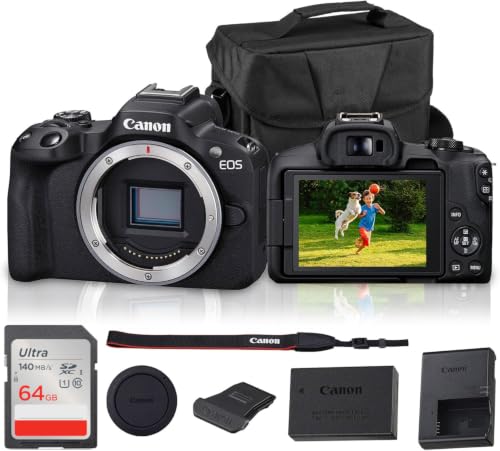
At about $800 and up, and often about $1,500 with a lens added, you enter mirrorless territory with APS C or full frame sensors. Autofocus tracks eyes and subjects through clutter, burst rates catch a bat swing, and large sensors hold clean detail in gyms and under stadium lights.
You also pay in size, weight, and complexity. A separate telephoto objective lens is a second purchase and a second item to carry. Spend at this level if you shoot often, shoot at night, or print large photos. For a few daytime games each season, this tier buys ability you will rarely use.
Features Worth Paying For and Ones to Skip
Spec sheets push megapixels and digital zoom numbers because they are easy to print in large type. When you compare the best cameras for sporting events, the features below matter far more. Note the tier where each one usually appears, so you can judge whether a higher price buys something real.
Ease of Use for Your Skill Level
Good auto modes are not a shortcut for beginners only. They are how you keep shooting when play restarts while you are still changing a battery. Look for a sports scene mode, subject detection for people, and a burst control you can reach without opening a menu.
App transfer matters more than most buyers expect. If sending a clip to your phone takes ten minutes and three tries, you will stop sharing from the venue. Cameras that connect over WiFi and send short clips quickly get used more. Skip complex color profiles unless you already edit footage, since they add cost and menu clutter.
Durability and Weather Sealing
Outdoor sports mean dust, drizzle, and the occasional splash from a wet field. Weather sealing on premium bodies slows moisture entry, but it is not waterproofing, and it only works when the lens is sealed too. Action cameras sit at the other end of this scale, with waterproof housings that suit rain and muddy sidelines.
For most buyers, a cheap rain cover and wiping the camera dry after a wet game protect a midrange camera well enough. Pay for full sealing if you shoot in rain often. Skip rugged models if your sports are indoors, since you would pay for protection your venues never test.
Low Light Performance
Evening games, indoor courts, and overcast days all starve a camera of light. The camera answers by raising ISO, which adds grain, or by slowing the shutter, which blurs moving players. A larger sensor size is the most reliable fix, since bigger sensors gather more light and hold cleaner images at high ISO. A bright lens helps too.
Judge low light claims by sensor and lens, not by a night mode label. Software night modes blend frames and work for still scenes, but players do not hold still for them. If most of your games happen after sunset or in a gym, weight this factor above extra zoom.
Features That Matter for Sporting Events
Three specs decide most sports results. First, optical zoom and lens reach, since magnification from real glass keeps detail while digital zoom only crops. Second, continuous autofocus that predicts where a moving subject will be. Third, burst speed paired with a deep buffer, so the camera keeps firing through a play.
Image stabilization belongs on this list too, because it steadies long lens shots and handheld video. For stills of fast play, though, a fast shutter speed does the main work of freezing motion. If you also watch as much as you shoot, see our guide to the best binoculars for sporting events for following distant play between photos.
Sensor Size and Image Quality
Sensor size shapes almost everything else in the image. Small sensors in budget cameras collect less light and show more grain as ISO rises. A 1 inch sensor is a clear step up for compacts, while APS C and full frame sensors give the cleanest files and the best results when you crop later.
Megapixel count is the least useful number on the box. More megapixels do not fix missed focus, motion blur, or weak light. For online posting, moderate resolution from a larger sensor looks better than high resolution from a tiny one. Skip built in filters and face beautifying modes, and put that money toward lens reach instead. Photographers who also shoot awards nights can compare crossover options in our guide to the best cameras for event photography.
Long Term Costs to Factor In
The camera body is only the first purchase. Budget for a spare battery, since cold weather and long video sessions drain power fast, and for two fast memory cards so a full card never ends your coverage mid game. Mirrorless buyers should price the telephoto lens they need before choosing a body, since the lens can cost as much as the camera.
Ongoing costs stay modest if you plan for them. A padded bag guards against bleacher bumps, a lens cloth handles dust, and an external drive helps as 4K video storage adds up over a season. For long tournament days at the field, see our guide to the best chairs for sporting events for seating that matches your shooting day.
Frequently Asked Questions
What features matter most in a camera for sporting events?
Optical zoom, continuous autofocus, and burst speed matter most in a camera for sporting events. Reach gets you close, tracking focus keeps a moving player sharp, and a fast burst lets you choose the peak moment later. One point buyers often miss is buffer depth, since a fast burst with a shallow buffer stops early during long plays.
Is a smartphone enough instead of a camera for sporting events?
A smartphone is enough for close sideline photos in bright light, but it falls short from the stands and after dark. Phones rely on digital cropping for distant subjects, so jersey numbers and faces lose detail fast. A dedicated camera also gives you physical controls and optical magnification a phone cannot match, so use it when distance or light gets difficult.
What does optical zoom mean on a camera for sporting events?
Optical zoom means the lens itself changes magnification using glass, so detail stays sharp as you zoom in. A rating like 30x tells you how much farther the longest setting reaches than the widest. The useful extra check is the full frame equivalent focal length, often printed as a range like 24 to 720 mm, which lets you compare reach across camera types.
Which camera type is better for low light sporting events?
A mirrorless camera with an APS C or full frame sensor is better for low light sporting events than a compact or action camera. The larger sensor holds cleaner detail at the high ISO settings gyms and night games demand. If mirrorless is out of reach, pick the compact with the largest sensor you can afford.
What specs matter most for beginners buying a camera for sporting events?
Beginners should focus on autofocus with subject detection, a simple sports mode, image stabilization, and a zoom that matches their usual seat. Skip manual exposure dials and advanced video settings at first, since they slow you down while you learn. One helpful extra is a guided menu, which explains settings in plain words on the screen.
How much should a first time buyer spend on a camera for sporting events?
Most first time buyers should spend about $300 to $800 on a camera for sporting events. That range buys real optical reach, tracking autofocus, and usable low light results without professional cost or complexity. Spend below it only for casual daytime use, and above it only if night games or large prints are regular plans. Reserve part of the budget for a spare battery.
Final Thoughts
Match the camera to your seat first, your light second, and your budget third, and most other choices fall into place. Use the product table above to compare zoom reach, sensor size, and autofocus across tiers, then pick the simplest camera that covers your distance and game times. Chosen that way, the best cameras for sporting events for you will be the ones that keep focus and are easy to bring to every game.


