
Best Cameras for Event Photography: A Practical Buying Guide for 2026
Disclosure: We may earn a commission when you buy through links on this page, at no extra cost to you. As an Amazon Associate I earn from qualifying purchases. Learn more

Compare the best cameras for event photography by sensor, autofocus speed, low light skill, and price, with guidance for weddings, parties, and stage work.
Events do not wait for your camera. A first dance, a blown out candle, or a speaker stepping up to the podium happens once, in light that is often dim and mixed, and the moment is gone in seconds. Choosing the best cameras for event photography means matching the body to that pressure: fast focus, clean files in poor light, and controls you can change without looking down.
This guide walks through the spending levels, the features that actually decide your results, and the main camera types, so you can shortlist with confidence. The comparison table below sums up the key options side by side.

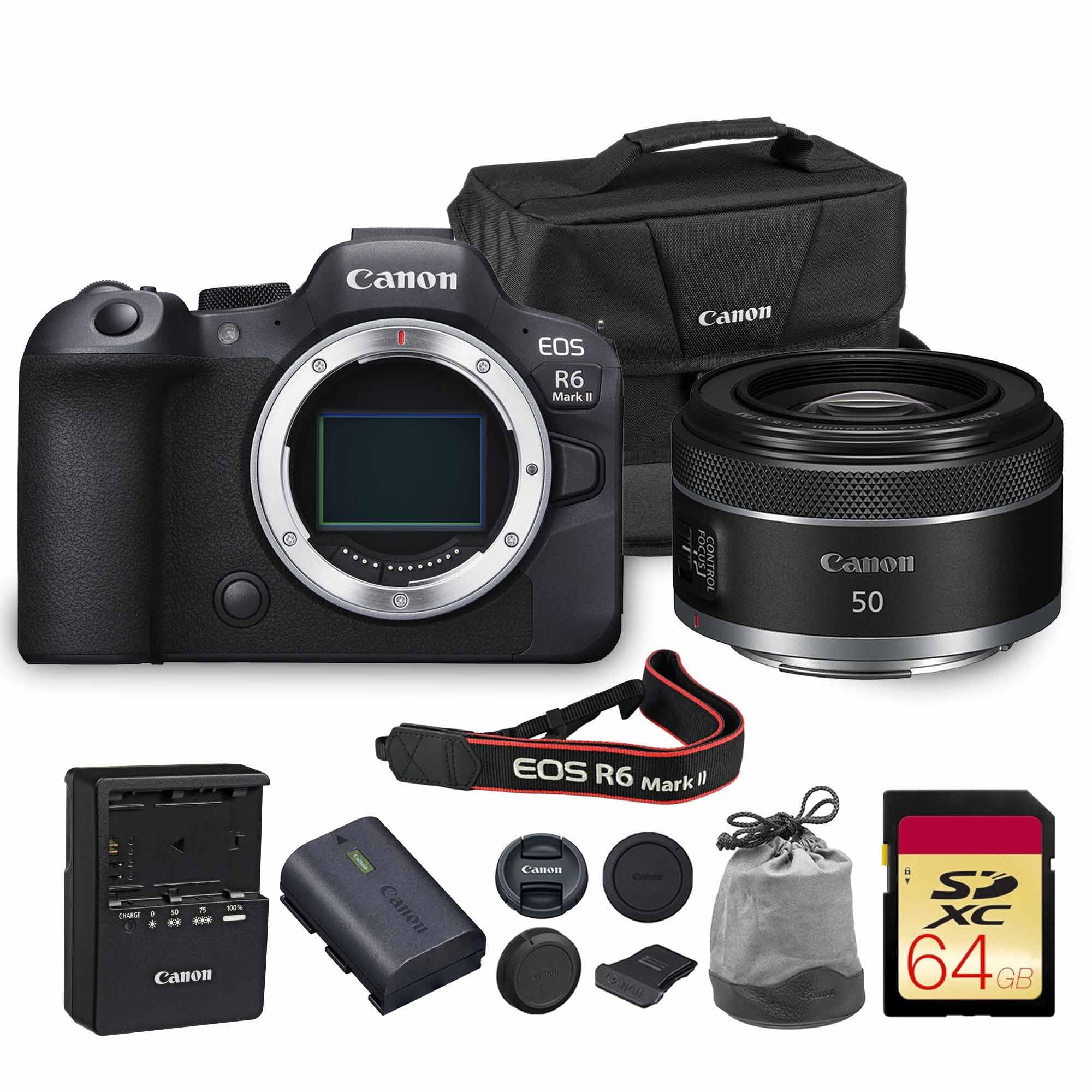


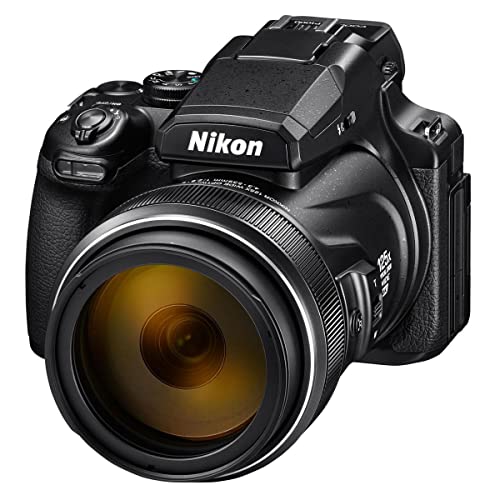

What Each Spending Level Gets You
Price buys you low light headroom, focus speed, and backup safety more than it buys megapixels. The three levels below describe what each budget realistically delivers at weddings, parties, and stage shows.
The Sensible Starting Point
At about $500 to $900 for a body, or about $700 to $1,100 with a kit lens, you get an APS C mirrorless camera with reliable face detection and usable files at moderately high ISO settings. This level suits school concerts, family parties, and community events where the light is workable. If you are new to paid or volunteer event work, start by reading up on the best beginning photography cameras, because handling skills matter more than gear at this stage.
The Working Middle Ground
Spending about $1,200 to $2,200 on the body adds a brighter viewfinder, faster burst rates, and two memory card slots, which let you record every shot to a backup card at the same time. Full frame models enter the picture here, and their larger sensors hold detail in dark reception halls. This is the level most working event shooters settle on, since it covers a full wedding day without forcing you to nurse the settings.
The Flagship Step Up
At about $2,500 to $4,000 and up, you are paying for the fastest subject tracking, the deepest buffers for long bursts, and the toughest weather sealing. These bodies earn their keep at arena concerts, press events, and multi day festivals where failure is not an option. For most buyers the gains are about reliability under pressure, not a dramatic jump in image quality over the middle ground.
How to Choose: The Buying Guide That Matters
Spec sheets list dozens of numbers, but event work rewards a short list of them. Work through the factors below in order and the right class of camera usually becomes obvious.
Features That Matter for Event Photography
Events combine three hard conditions at once: dim and mixed lighting, subjects who move without warning, and no second chances. That is why the best cameras for event photography are judged on focus reliability, high ISO cleanliness, and battery stamina across a long day, rather than on resolution alone. A camera that locks onto a face instantly and keeps shooting for six hours beats a sharper camera that hunts for focus in the dark.
Sensor Size and Image Quality
Sensor size decides how gracefully a camera handles weak light. One inch sensors in premium compacts are fine for bright venues, APS C sensors are the value sweet spot, and full frame sensors gather the most light for the cleanest files at high ISO. Megapixels matter far less: 24 megapixels is plenty for large prints, and chasing 45 megapixels mainly costs you storage and slower file handling.
Lens and Zoom Range
The lens often matters more than the body. A bright standard zoom covering about 24 to 70 mm with an f/2.8 aperture handles most ceremonies and receptions, while a 70 to 200 mm telephoto zoom lets you shoot candids from the back of a hall without intruding. Fixed aperture zooms hold their brightness at every focal length, which keeps your exposure steady as you zoom during a procession or a toast.
Autofocus and Stabilization
Look for eye detection autofocus that finds faces in a crowd and holds them as people turn and move. Subject tracking that follows a dancer or an athlete across the frame saves shots that single point focus would miss. In body image stabilization steadies slower shutter speeds for still subjects in dark rooms, which helps with speeches and table details, though it cannot freeze a moving guest.
Durability and Weather Sealing
Outdoor ceremonies, festivals, and stadium events expose gear to drizzle, dust, and knocks from the crowd. Sealed bodies and lenses shrug off light rain, and a magnesium alloy chassis tolerates bumps better than plastic. Sealing is not waterproofing, so a downpour still calls for a rain cover. Also remember a basic safety habit at outdoor events: never look directly at the sun through an optical viewfinder while framing a backlit ceremony.
Low Light Performance
Reception halls and evening stages push cameras to ISO 3200, 6400, or beyond. Judge a camera by how much detail and color it keeps at those settings, not by its maximum ISO number on the box. A fast lens does half the work here: opening to f/2.8 gathers four times the light of an f/5.6 kit zoom, so your ISO can stay lower and your files cleaner.
Types of Cameras for Event Work
Four camera families cover nearly every event assignment. Each trades size, lens choice, and price in a different way.
Mirrorless Cameras
Mirrorless bodies are the default choice for events today. They show your exposure in the viewfinder before you shoot, focus silently, and pair with the widest range of modern fast lenses. Silent electronic shutter modes are a real advantage during ceremonies and speeches, where a clicking shutter would distract the room.
DSLR Cameras
DSLRs remain capable and often cost less on the used market, with optical viewfinders that never lag and batteries that last a full day easily. Their live view focusing is slower, and new lens development has slowed, but for staged events and portraits they still deliver excellent files. Many shooters keep one as a dependable second body.
Point and Shoot Compacts
A premium compact with a one inch sensor suits small gatherings where carrying a system camera feels intrusive, such as house parties and restaurant celebrations. You give up interchangeable lenses and the best low light results, but you gain a camera that fits a jacket pocket and is ready in a second. Our roundup of the best cameras for photography explains where compacts sit in the wider market.
Bridge Cameras with Long Zoom
Bridge cameras pair a fixed superzoom lens with a small sensor, reaching distant stages and podiums without a lens swap. They fit school plays, graduations, and outdoor ceremonies where you cannot move closer. Image quality in dim halls trails larger sensor cameras, so treat them as a reach tool for daylight and well lit venues rather than an all purpose event body. For a narrower shortlist of bodies built around event work, see our guide to the best event cameras.
Care and Maintenance Tips
- Use a lens cloth, not your shirt: shirt fabric traps grit that can scratch coatings, so keep a microfiber cloth in every bag pocket.
- Carry a spare battery and a spare card: events run long, and a full card or flat battery during the first dance ends your coverage.
- Store gear in a dry, padded bag: padding guards against crowd knocks, and a dry cabinet at home keeps fungus off lens elements.
- Update the firmware: makers regularly improve autofocus behavior and eye detection through free updates, so check every few months.
- Format cards in the camera before each event: this clears old files cleanly and reduces the risk of a card error mid shoot.
Frequently Asked Questions
What features matter most in a camera for event photography?
Fast and reliable eye detection autofocus matters most, because events give you no second take. Clean high ISO files come next, since venues are rarely bright, followed by a fast standard zoom lens and two card slots for instant backup. A beginner friendly way to judge a shortlist is to ask whether the camera can focus on a moving face in dim light without hunting. If it can, the remaining specs are secondary.
Is a smartphone enough for event photography?
A smartphone is enough for casual snapshots at a birthday or a backyard party, and its computational modes handle mixed light surprisingly well. It falls short when you need reach across a hall, fast focus on moving subjects in the dark, or files that hold up in large prints and albums. For any event where someone is counting on your photos, a dedicated camera with a bright zoom is the safer tool.
How many lenses does an event photographer really need?
Two lenses cover most events well: a bright 24 to 70 mm standard zoom for groups, ceremonies, and details, plus a 70 to 200 mm telephoto for candid moments from a distance. Add a fast 35 mm or 50 mm prime later if you shoot many dark receptions, since its wide aperture buys you lower ISO settings. Renting a lens for a single big event is cheaper than buying one you will rarely carry.
Do event cameras need weather sealing?
Weather sealing is worth having if you shoot outdoor ceremonies, festivals, or sports days, where a sudden shower should not end your day. It resists drizzle and dust rather than submersion, so pair it with a simple rain cover in heavy rain. For purely indoor work such as conferences and studio parties, sealing is a nice bonus but should not outrank autofocus or lens brightness in your budget.
How much should I spend on my first event camera?
A sensible first budget is about $800 to $1,500 in total, split between an APS C body and the brightest zoom you can afford. Spending more on the lens than the body pays off, because lenses outlast bodies and shape your low light results more. Buy used from a reputable dealer if needed, and keep some budget aside for a spare battery, fast cards, and a comfortable strap for long days.
The Bottom Line
For most readers, an APS C or full frame mirrorless camera with eye detection focus, a bright standard zoom, and two card slots is the sweet spot. Match the spending level to how dark and how fast your events are, and let the product table above guide your final pick. Choose the best cameras for event photography for the rooms you actually shoot in, and the gear will stop being the limiting factor.

