Best Cameras for Shooting Movies in 2026: Budget, Midrange, and Premium Tiers
Disclosure: We may earn a commission when you buy through links on this page, at no extra cost to you. As an Amazon Associate I earn from qualifying purchases. Learn more

Compare the best cameras for shooting movies at budget, midrange, and premium price points, and learn what each tier adds for control, sound, and stamina.
Movie cameras span a wider price range than almost any other camera category, from a few hundred dollars to the price of a used car. The gap is not mostly about picture quality. It is about control, sound, and how long the camera can keep recording before it needs a rest. This guide walks through the best cameras for shooting movies in three price tiers, so you can see exactly which abilities arrive at each step and which ones you can safely skip.
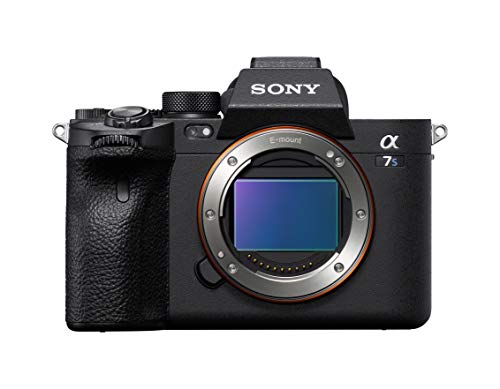
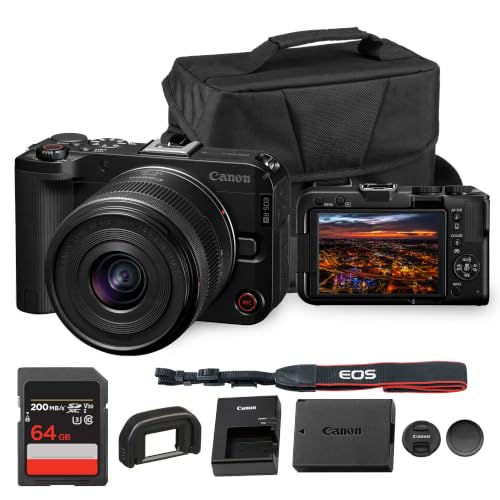
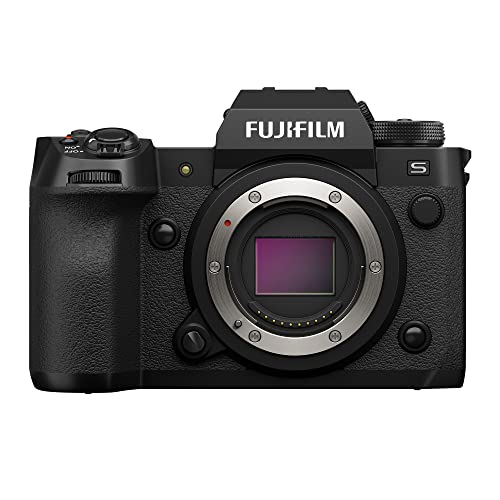
Use the comparison table below to see how current options group by tier, then read the tier notes before you decide where your money belongs. A smaller budget spent on the right limits beats a larger budget spent on the wrong strengths. If your filming leans toward everyday clips rather than planned scenes, the related guide to best cameras for shooting videos covers that lighter brief.






Three Price Tiers, Three Different Toolkits
Price tiers in this category are really control tiers. Each step up buys fewer decisions made for you and more decisions handed to you, along with stronger sound options and longer, heavier recording. Stills shooters weigh these tiers differently, which is why a guide to best cameras for shooting wildlife ranks reach and burst speed first, while movie work ranks sound and stamina first. Nearly every camera in these tiers is a digital stills body that also records video, and the wider shelf is mapped in our guide to best digital cameras.
The Entry Tier: Around $300 to $800
Cameras in this tier record sharp HD and, on many models, 4K video, but they ask you to accept limits. Sensors are smaller, so dim rooms and night streets show more noise. Lenses are often fixed or bundled as a basic kit zoom with a narrow aperture range. Many entry cameras lack an external microphone input, which leaves dialogue at the mercy of the built in microphones near your hands and the lens motors.
What this tier does well is teach. Automatic exposure is forgiving, the bodies are light, and the whole kit fits in a small bag. For short scenes, school projects, and first attempts at scripted work, that forgiveness matters more than raw image quality. Treat any maker claim about dynamic range or low light reach as a class claim only, since makers measure those figures differently and the numbers cannot be compared across brands.
The Middle Tier: Around $800 to $2,000
This is where movie shooting stops feeling like a side feature. Interchangeable lenses open up fast prime lenses for evening scenes and proper zoom lenses for events. An external microphone input becomes common, and a headphone jack joins it on many bodies, so you can hear problems while you can still fix them. Flat picture profiles appear here, giving you footage that holds up better when you adjust color in editing.
Recording limits also relax. Many middle tier bodies record longer takes and manage heat better than entry models, though a camera can still stop mid take on a hot day, so plan coverage for any scene that cannot be repeated. Most buyers who shoot movies regularly land in this tier and stay there, because the next step mostly refines rather than transforms.
The Top Tier: Around $2,000 to $4,500
Premium bodies pair the largest sensor class with the deepest control. You get finer manual control over exposure and focus, higher bit rate recording that survives heavy color grading, and professional audio inputs on cinema oriented bodies. Heat management improves again, with some bodies built to record long takes at high resolutions without a thermal shutdown. Support costs follow the same curve, because heavier bodies want heavier tripods and high bit rate footage wants faster, larger drives.
The honest catch is weight and total cost. A premium body invites premium lenses, heavier support gear, and larger storage, so the camera price is only the entry fee. Buyers running paid productions or long term projects can justify that ladder. Everyone else should notice that this tier polishes problems the middle tier already solves.
| Tier | Typical price | Sensor class | Sound options | Recording character |
|---|---|---|---|---|
| Entry | About $300 to $800 | Smaller sensors, fixed or kit lens | Built in microphones on most | Shorter takes, earlier heat limits |
| Middle | About $800 to $2,000 | Mid size and large sensors, interchangeable lenses | Microphone input common, headphone jack on many | Longer takes, better heat handling |
| Top | About $2,000 to $4,500 | Largest sensor class | Microphone input plus pro audio options on cinema bodies | Highest bit rates, longest takes |
Where the Extra Money Actually Goes
Tier prices only make sense once you know which abilities hide behind them. The three abilities below explain why two cameras at the same price can suit very different productions.
Hands On Control of Exposure and Focus
Cheap cameras decide focus and exposure for you and change their minds mid shot, which shows on screen as hunting focus and pulsing brightness. Paying more buys steadier tools: manual focus with magnification aids, focus peaking, and exposure tools such as zebras and histograms. None of these make a scene good on their own.
They simply stop the camera from fighting the person behind it, which is why control depth, more than resolution, separates the tiers. If your scenes are staged and repeatable, this control is worth real money. If your filming is spontaneous, dependable automatic modes may serve you better.
Sound Inputs Decide More Than Resolution
Audiences forgive a soft picture far sooner than bad dialogue. Entry cameras record sound through built in microphones that also catch handling noise, lens motors, and room echo. The single most valuable upgrade in the middle tier is an external microphone input, paired with a modest shotgun or lapel microphone.
A headphone jack matters almost as much, because it lets you catch a buzzing cable or a rustling shirt during the take instead of during editing, when nothing can be fixed. Judge any camera without these two ports as a camera that plans your sound for you.
Recording Without a Clock Watching You
Many stills first cameras cap a single take at a set length, and high resolution recording generates heat that can force a shutdown on a warm set. Those limits are survivable for short scripted scenes, where takes run a few minutes.
They are painful for ceremonies, stage shows, interviews, and anything else that unfolds in real time. Higher tiers stretch both limits, but no tier removes them entirely. Whatever you buy, read the recording limit in the specifications before you plan a shoot around continuous coverage.
Frame Rates Beyond the Standard Speed
Every tier records the standard frame rates used for ordinary movie work, and what the middle and top tiers add is headroom: higher frame rates that play back as smooth slow motion. Slow motion is a creative spice rather than a quality marker, and a short film may never need it, while event shooters may use it weekly. Check the fine print before paying for it, because on many bodies the highest frame rates record at a reduced resolution or with a cropped view.
A Screen You Can Frame From
Movie work happens on the rear screen, so its movement matters more than its size. A screen that tilts or swings out lets you frame low angles, high angles, and yourself without lying on the floor. Outdoor brightness matters on day shoots, where a dim screen turns careful focus into guesswork. On many bodies the electronic viewfinder serves stills better than video, so treat the screen as the movie tool and judge it in bright light before you buy.
Choosing a Tier for Your Kind of Shoot
Match the tier to the work rather than to ambition. Short scripted scenes with a patient cast forgive entry limits, while one chance events reward the middle tier for its sound and stamina. A companion article on this site, best cameras for making movies, approaches the same shelf from the production side, and a second companion, best cameras to film movies, matches camera classes to specific kinds of projects.
Two examples make the fork concrete. A film student shooting three short scenes a semester gets more from the entry tier plus a rented lens than from a middle tier body alone. A wedding shooter filming one long, unrepeatable day gets more from the middle tier and a second set of batteries than from any single premium feature.
Best Film Cameras for Shooting Movies
A small number of directors still shoot productions on motion picture film, and the appeal is real: a distinct texture and a disciplined set, because every second of stock costs money. The trade offs are heavy. Film stock and lab processing add a running cost no digital card matches, you cannot review a take on set, and the cameras themselves are largely rented or bought used from specialist dealers. For nearly every reader of this guide, film is a creative pilgrimage rather than a practical first camera.
Costs That Keep Arriving After the Camera
Budget for the entourage, not just the body. Lenses usually outspend the camera over time, and movie work adds its own list: fast memory cards, spare batteries, a tripod with a smooth video head, and storage drives for footage that piles up quickly. A middle tier kit honestly totals about $1,500 to $3,000 once the first lens, microphone, cards, and support are counted.
Premium bodies push support and media costs up again, because heavier rigs and higher bit rates demand more of both. A warranty and a maker service network matter more for a camera that works on sets than for one that shoots birthdays, so count support as part of the price too. Renting a specialty lens for a single production often beats buying it, since a lens used for one weekend should not eat a quarter of your budget.
Shooting Movies: Questions Answered
Can an entry tier camera really shoot a complete short film?
Yes, and many festival shorts started on cameras in this tier. The picture is rarely the problem; sound and light are. Spend the savings on a separate audio recorder and simple lighting you control, and keep scenes short enough to respect recording limits. Your second production will tell you exactly which limit is worth paying to remove.
What does a flat picture profile do, and can a beginner ignore it?
A flat profile records a dull, low contrast image on purpose, holding more detail in bright and dark areas for later color work. A beginner can ignore it completely. Standard color looks better straight from the camera and asks nothing in editing. Switch to a flat profile only when you are ready to grade every clip, because ungraded flat footage looks unfinished, and grading a whole film takes real time.
Is renting a premium camera smarter than buying a middle tier one?
For a single short production, often yes. A weekend rental of a premium body and one fine lens can cost about $150 to $400, far less than ownership, and the gear arrives checked and ready. Renting fails when you film often or need the camera at short notice. Buy the middle tier when your shooting calendar fills most months, and rent the hero gear for the biggest days.
Do I need two cameras to film a conversation scene?
No. One camera can cover a dialogue scene by filming the full exchange from each side in turn, as productions have done for decades. Two cameras save time and preserve matching performances, but they also double media, double batteries, and demand matched color between bodies. Buy a second body when your schedule, not your image quality, is what suffers.
How much do memory cards and storage add over a year of filming?
More than most first budgets expect. A few hours of high quality footage each month can pass a terabyte of stored files within a year. Cards fast enough for the highest recording modes cost about $60 to $200 each, and you want at least two, plus backup drives at home. Count media as a subscription your hobby charges you, and keep two copies of finished projects before you wipe a card.
The Short Version
Pick the tier by the decisions you want to make yourself. Entry cameras decide for you and forgive beginners. The middle tier hands you sound inputs, lenses, and stamina, and it is where most of the best cameras for shooting movies for regular use actually sit.
The top tier polishes control and endurance for people whose projects earn it. Spend what remains on glass and sound, because lenses and microphones outlast bodies and carry into your next camera. Choose the tier first, then let the product table above confirm the shortlist.