Best Cameras for Shooting Models by Budget: Smart Picks for 2026
Disclosure: We may earn a commission when you buy through links on this page, at no extra cost to you. As an Amazon Associate I earn from qualifying purchases. Learn more

Compare the best cameras for shooting models at every price point. Learn what you get at budget, midrange, and premium levels and where spending more pays off.
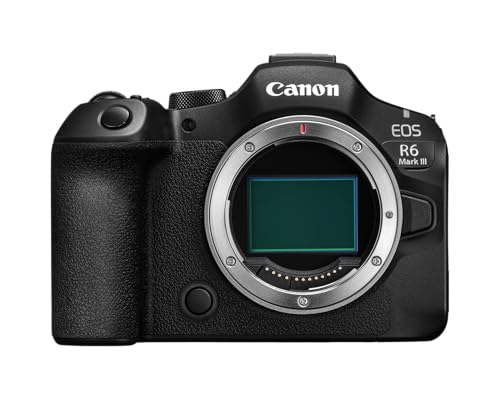
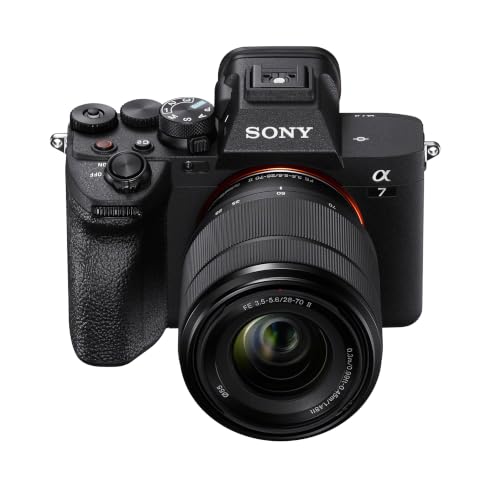
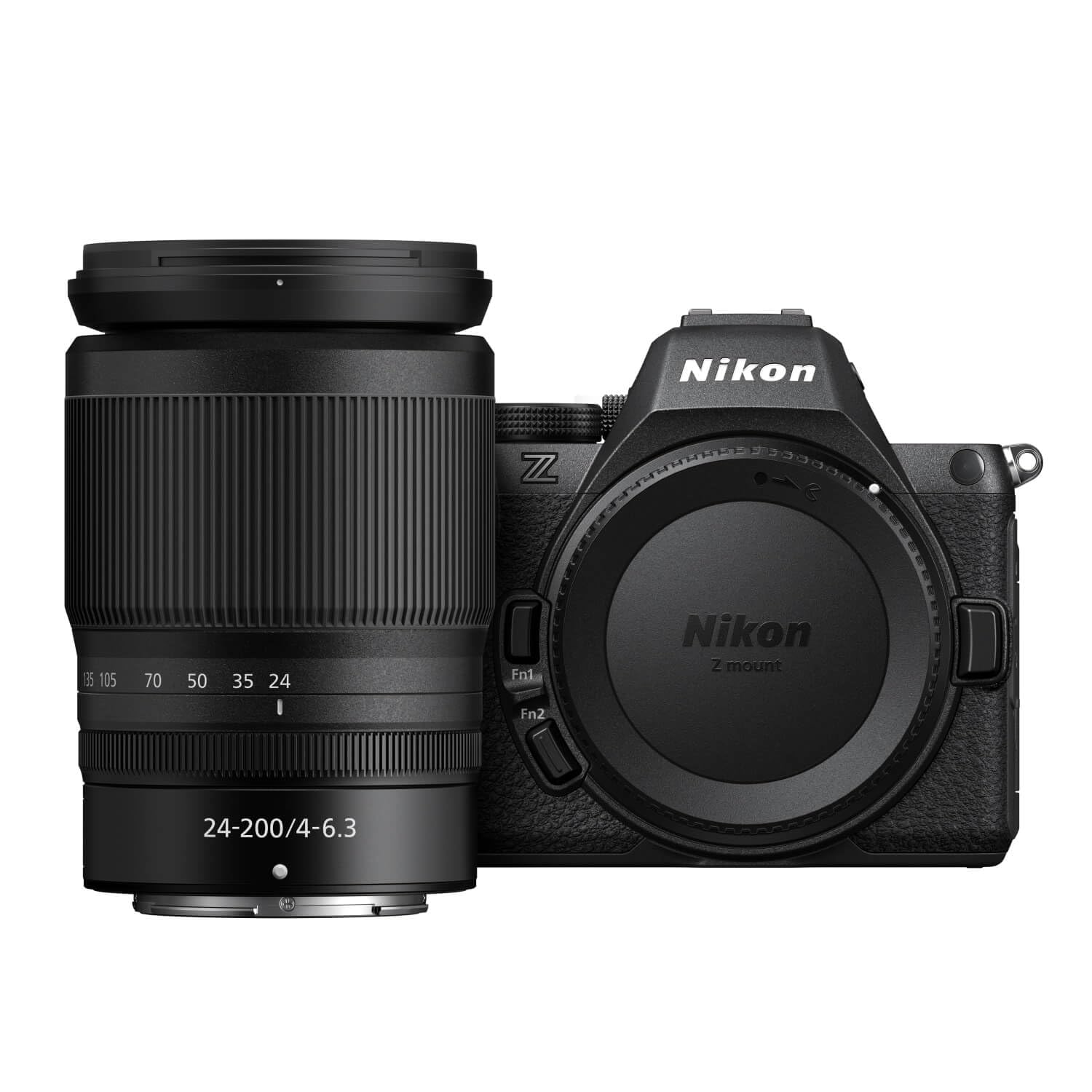
Cameras for model work span a wide price range, and a higher price does not always buy the result you need. Finding the best cameras for shooting models starts with eyes, skin and wardrobe detail, because a portrait fails when focus lands on an ear or colors turn waxy. Use the comparison table below to match each price level to your work.
Start with your setting and your output. Studio portraits reward tethered review and clean files for retouching. Location fashion rewards lighter kits and sealing against dust and light rain. Hybrid creators also need clean video. The sections below sort those needs by budget first, then by key features.






Who Should Buy Which Camera for Model Shoots?
Your model, your lighting and your delivery format decide the right camera more than brand loyalty does. Pick the group closest to your paid or portfolio work, then check the price tiers that follow.
Studio Portrait Photographers Working With Controlled Light
You shoot at a steady pace, review frames on a larger screen and retouch skin with care. Prioritize tethered shooting support, dual card slots and files with wide editing room. Reliable focus and a strong lens matter more here than a long burst rate.
Location and Fashion Photographers Working Outdoors
You move with the model, chase changing light and carry every item yourself. Prioritize a weatherproof body, image stabilization and a grip that stays secure when you switch between horizontal and vertical framing. A lighter APS C kit serves you well here, and a spare battery protects a full afternoon.
Content Creators Photographing Models and Filming Clips
You deliver still portraits and short clips from the same session, often for brand pages and social feeds. Prioritize eye autofocus in both modes, an angled screen for self checks and a microphone input. If video is your main output, see our guide to the best cameras for shooting videos.
Budget, Midrange and Premium Tiers for Model Work
Budget decides which trade offs you accept, and the best cameras for shooting models at each level share one trait, namely honest strengths for portrait work. If your needs go beyond portraits, see our guide to the best digital cameras for a wider view of formats.
Budget Tier: Compact Sensors and Simple Controls for Learning Poses
Bodies at about $400 to $800 usually pair a smaller sensor with a kit zoom and basic eye detection. Point and shoot compacts sit here too, and their optical zoom suits travel, but a fixed lens limits background blur and low light quality. This tier suits practice, castings and social portraits at modest sizes.
Midrange Tier: Sharper Eye Focus and Real Lens Choice for Paid Work
Bodies at about $900 to $1800 bring APS C or entry full frame sensors, stickier eye autofocus and access to affordable prime lenses. Files hold up better when you crop or print for a portfolio book. This tier suits working portrait photographers who need consistent results without paying for flagship speed.
Premium Tier: Full Frame Depth and Endurance for Demanding Client Work
Bodies at about $2000 to $3500 add full frame sensors with cleaner high ISO files, stronger dynamic range and more robust sealing. You also gain faster sustained shooting and deeper lens catalogs. This tier pays off when clients print large and shoots run long.
Key Features to Compare
Compare these factors in order, because a camera for models lives or dies by focus accuracy and file quality before any other spec. Treat headline megapixels as background information only.
Sensor Size and Image Quality for Skin and Fine Detail
Sensor size shapes depth of field, low light cleanliness and how gently tones blend across skin. A full frame sensor gives shallower focus at the same framing and cleaner files when light drops, which flatters portraits and eases retouching. APS C sensors need wider apertures for the same blur but keep kits smaller. Beyond about 24 to 33 megapixels, most model work gains little, and huge files slow delivery.
Autofocus That Holds the Near Eye as the Model Moves
Autofocus for portraits must find the near eye, hold it through small head turns and refind it after a blink. Look for eye detection that works in dim studio light and with backlight, and test it when the model wears glasses or turns to profile. Fast action tracking is a different problem, and you can see our guide to the best cameras for shooting wildlife to compare those demands.
Lens Choice and Portrait Focal Lengths
The lens you mount shapes a portrait more than the body badge does. A fast prime at about 85 mm flatters facial proportions, about 50 mm suits half length frames, and about 35 mm covers full length looks with context. Apertures around f1.4 to f2 give soft backgrounds in busy locations. Budget for one strong portrait prime before you upgrade bodies.
Handling, Image Stabilization and Screens for Long Shoots
A model session can run for hours, so grip depth, button reach and weight decide how steady your framing stays late in the day. Image stabilization helps when you hand hold at slower shutter speeds between lighting setups. A tilting touch screen lets you shoot low angles without kneeling blind, and clear menus speed white balance changes under mixed light.
Video Capabilities for Hybrid Model Work
Clean 4K video matters when a brand asks for motion clips beside stills, and oversampled footage keeps skin detail natural. Look for eye autofocus that stays active while recording, a headphone jack and recording limits that cover a full look change. Log profiles help grading but need extra editing time. For cinema focused needs, see our guide to the best cameras for shooting movies.
Studio Workflow, Lighting Fit and Long Term Costs
A camera earns its keep inside a workflow, so check tethered support, flash trigger fit and sync behavior before you buy. Most studio strobes fire through a standard hot shoe trigger. Dual card slots let one card mirror the other, which protects client work if a card fails mid session.
Long term costs often exceed the body discount that caught your eye. Add a portrait prime, two fast cards, spare batteries, a tether cable and a monitor calibration tool, and the total can rise by about $300 to $900. Weather sealing reduces repair risk outdoors, but seals need intact port covers, so inspect them before rainy work.
Common Mistakes to Avoid
These errors cost model photographers sharp frames and wasted budget.
- Choosing a body on megapixels alone leaves you with missed eye focus in the frames that matter most.
- Spending the full budget on a body leaves no money for a portrait lens, so backgrounds stay busy and distracting.
- Using action cameras for portraits stretches faces near the frame edge, so features look distorted and unflattering.
- Skipping a spare battery and a second card can end a paid session early with no safe backup.
- Ignoring flash trigger fit means your studio lights may not fire until you buy extra adapters.
- Judging skin color on an uncalibrated screen leads to prints that look warmer or greener than expected.
Care and Maintenance for Cameras Used on Model Shoots
Keep a blower in your kit and clear dust from the sensor and lens mounts before a session, because spots show clearly against smooth backdrops. Wipe lenses with a clean microfiber cloth, store caps on both ends and keep silica packs in your bag after humid days.
Charge batteries the night before, format cards in the camera after each safe backup and update firmware when the maker improves eye detection. Store the body in a dry cabinet away from direct sun, and use a service center for sensor cleaning if wet cleaning feels risky.
Cameras for Shooting Models: Your Questions Answered
What features matter most in a camera for shooting models in the studio?
Flash sync speed and tethered review matter most in the studio, alongside accurate color. A sync speed around 1/200 second helps you cut ambient light so strobes shape the look alone. Tethered review on a large screen also lets the model and stylist spot stray hair and wardrobe folds early, when fixes cost seconds instead of retouching time.
How much should a photographer spend on a first camera for shooting models?
A sensible first spend is about $700 to $1200 for a body paired with one fast prime lens. Renting that lens for one weekend first can confirm the working distance suits your space. Put leftover funds toward a simple two light kit, because controlled light improves portraits more than a second body does.
Which lens focal length suits full length model photos in small rooms?
A lens around 35 mm suits full length model photos in small rooms, because it fits head to shoes from a shorter distance. Stand back as far as the room allows and keep the model away from the walls to limit distortion at the frame edges. Cropping slightly in editing is safer than stepping so close that legs look stretched.
Which camera type handles low light model shoots indoors with the least noise?
A full frame camera handles low light model shoots indoors with the least noise at high ISO settings. Add light before you raise sensitivity, because even a small constant panel near the model cleans shadows and helps autofocus lock on. A prime lens with a wide aperture also gathers more light than a kit zoom at the same position.
Do cameras for shooting models need 4K video for social clips?
Cameras for shooting models do not need 4K video for social clips, but recording in 4K gives you cleaner crops for vertical posts. Many platforms compress uploads, so sharp focus and good light matter more than resolution alone. Turn on frame guides if your camera offers them, and keep the model inside the center zone for safe vertical framing.
Final Thoughts
Match the body to your setting first, then spend on eye autofocus, a strong portrait lens and files you can retouch with confidence. Buy the lowest tier that meets your client work without strain.
When you compare best cameras for shooting models with those points in mind, use the product table above to confirm lens fit, card slots and price before you order.