Best Cameras for Semi Professional Photography for 2026: Matching the Right Model to Your Routine
Disclosure: We may earn a commission when you buy through links on this page, at no extra cost to you. As an Amazon Associate I earn from qualifying purchases. Learn more

Compare cameras for semi professional photography by sensor, autofocus, video and lens options, with a practical checklist for paid and personal shoots.
There is no single camera that suits every semi professional routine. A portrait shooter working in a small studio, a creator filming clients outdoors, and a traveler taking occasional paid assignments all need different strengths. The best cameras for semi professional photography share one trait, though. They give you direct manual control, a lens system you can grow into, and files that hold up when a client expects clean, printable results.
Start from your routine rather than from a spec sheet. Note how often you shoot in low light, how much video you record, and how long a typical session lasts. Then use the comparison table below to match those needs against sensor size, autofocus, and lens choice.


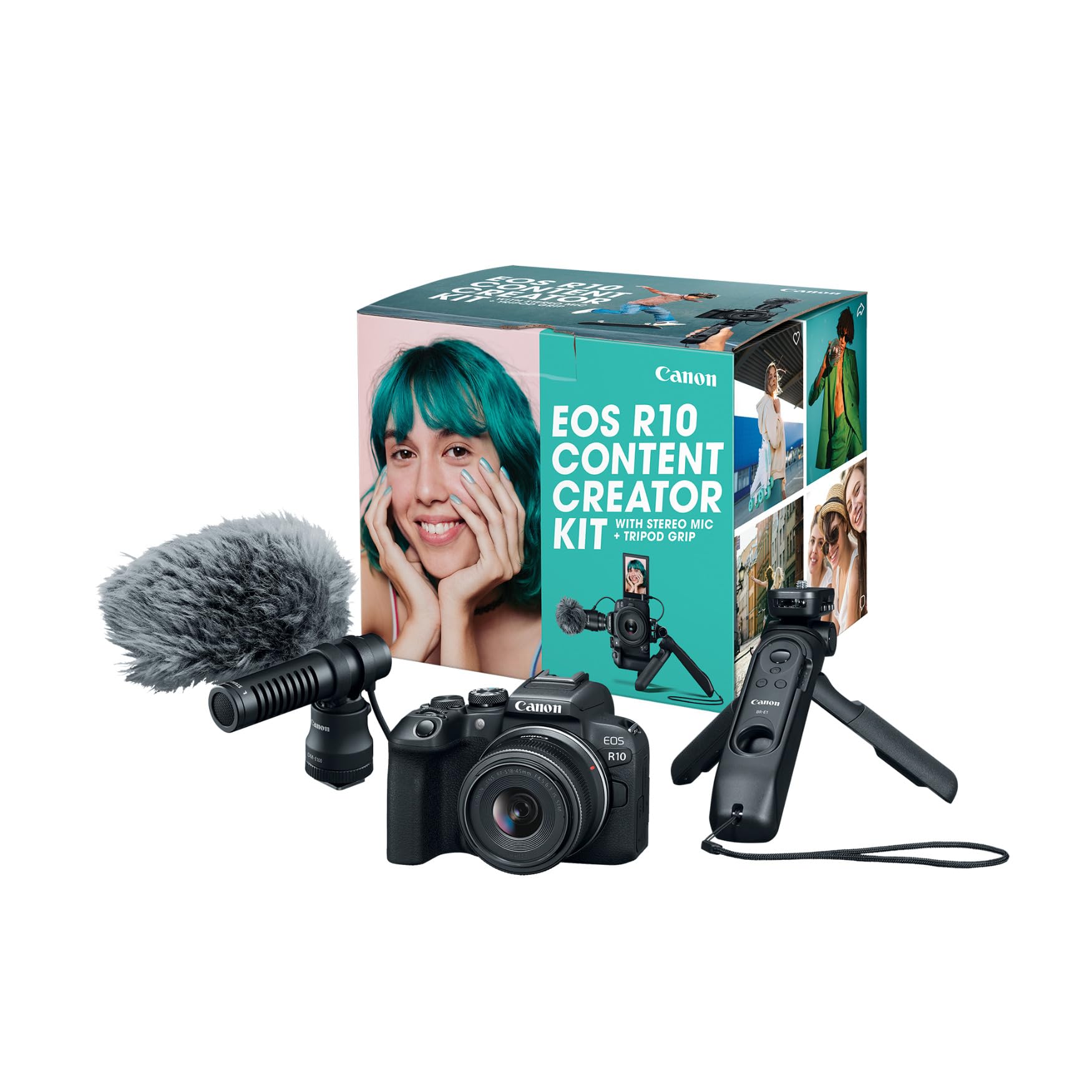

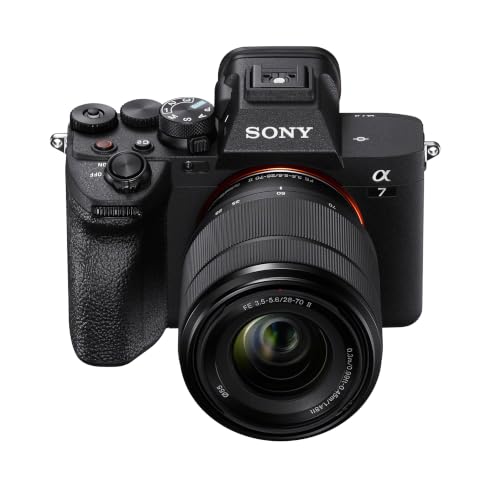


Matching a Camera to Your Kind of Semi Pro Work
For Travelers and Commuters Who Shoot on the Move
You need a compact body that still delivers client ready files, because a camera left at home earns nothing. Prioritize a smaller mirrorless body or an advanced compact, a modest zoom range, and weatherproof sealing for sudden rain. Battery life matters more than top burst speed on the road, and USB C charging lets you top up from a power bank between locations. Choose lighter glass as well, since a heavy kit slows you down.
For Portrait and Event Shooters Building a Client Portfolio
Paid portraits and events reward accurate eye detection autofocus, clean high ISO files, and dual card slots that record a backup copy as you shoot. A full frame or APS C body with fast prime lenses gives you soft backgrounds and reliable focus in dim halls. If your aim is full time client work, see our guide to the best cameras for professional photography to understand the step up path before you commit to a mount.
For Remote Workers and Creators Who Record Video Often
Your camera doubles as a production tool, so clean 4K video, a microphone input, and a screen that flips toward you matter as much as stills quality. Look for reliable subject tracking during recording, a headphone socket for monitoring audio, and image stabilization that smooths handheld clips at a desk or on location. Consistent color in video modes saves editing time, and a body that runs long sessions without overheating protects a paid schedule.
For Students and Everyday Users Stepping Up From a Phone
You want real manual controls to learn on, plus a price that leaves room for a second lens and a bag. An APS C mirrorless body with a kit zoom is a sensible start, because the mount offers an affordable growth path as your skills improve. For tighter budgets, see our guide to the best affordable cameras for professional photography and compare what each price level gives up in sealing and video features.
Key Features to Compare
That balance of control, reliability, and lens choice is what separates the best cameras for semi professional photography from entry models built mainly for automatic shooting. The factors below explain where differences show up daily.
Sensor Size, Cropping Room and Night Quality
Sensor size shapes low light quality, background blur, and how far you can crop before detail softens. One inch sensors suit compact bodies, APS C balances size and quality for most semi professional work, and full frame gathers the most light for dim venues and large prints. Megapixel count matters less than pixel size and lens quality, so a moderate resolution full frame file often looks cleaner at night than a crowded smaller sensor.
Lens Mount and the Lenses You Can Grow Into
An interchangeable lens camera is really a long term lens commitment, so study the mount before the body. Check that fast primes, a standard zoom, and a telephoto option exist at prices you can reach within a year or two. The lens you use most shapes sharpness more than small body differences do. Fixed lens compacts skip this planning, but they also cap your growth, which is why most paid work favors a mount with room to expand.
Autofocus, Burst Speed and Image Stabilization
Modern autofocus tracks eyes, faces, animals, and vehicles, and for semi professional work the question is consistency rather than headline speed. Test how focus behaves in low contrast light, where missed frames cost you a moment that will not repeat. Burst rates of about 8 to 15 frames per second cover most action. Image stabilization in the body or lens lets you handhold slower shutter speeds at events where flash is not allowed.
Manual Controls, Viewfinder and Handling
Two control dials, a joystick or touch focus point selection, and custom buttons let you change settings without lowering the camera from your eye. An electronic viewfinder shows exposure as it will record, which speeds learning and reduces wasted frames. Grip depth matters during long sessions, so a slightly larger body can be the practical choice. Weather sealing around dials and ports adds confidence when a paid shoot continues in light rain.
Shots per Charge, Spares and USB C Refills
Ratings of about 300 to 800 shots per charge vary widely in practice, because video, screen use, and cold weather drain a battery far faster than stills alone. Carry at least one spare for any paid session. USB C charging is useful for travel, but a dedicated charger refills spares while you keep shooting. Dual card slots also belong in this planning, since a backup copy protects client work from a single card failure.
Video Capabilities for Hybrid Shooters
Many semi professional photographers now deliver short clips beside stills, so 4K video at up to 60 frames per second, a microphone input, and a log profile for flexible color grading are worth checking. A flip screen helps solo creators frame themselves, while a headphone socket confirms audio early. If video is only occasional, prioritize stills handling instead, because paying for advanced video modes you rarely open adds cost without improving your photographs.
Camera Types Compared for Semi Professional Work
Mirrorless interchangeable lens cameras are the default choice for most buyers in this class, combining compact bodies, strong autofocus, and deep lens catalogs. They suit routines that blend portraits, events, travel, and video in one kit.
Advanced point and shoot compacts with a one inch sensor and a bright optical zoom serve travelers who want quality without carrying spare lenses. Action cameras work best as a second, rugged viewpoint rather than as your main camera. Older DSLR bodies remain capable for stills on a budget, though their video autofocus now trails mirrorless systems. For a narrower shortlist in this class, see our guide to the best semi professional cameras, and for a broader view, see our guide to the best cameras for photography.
Costly Buying Errors Semi Pro Shooters Make
- Buying on megapixel count alone, so you pay for resolution while the small sensor still struggles in low light.
- Spending the whole budget on a body, so no money remains for the lens, spare battery, and cards the work requires.
- Ignoring the lens mount lineup, so you discover later that the lenses you need cost more than you can justify.
- Skipping dual card slots for paid events, so one failed card can erase images a client cannot recreate.
- Choosing the smallest body without holding it, so cramped controls and a shallow grip tire your hand during long sessions.
Care Habits That Protect a Working Camera
Clean the front element with a lens cloth and a blower, never your shirt, because grit in fabric can scratch coatings. Store the body in a dry, padded bag with the lens cap on, and keep a spare battery rotated so no cell sits empty for months. Format cards in the camera after each safe backup, and update firmware when the maker releases fixes. If dust spots appear in every frame at small apertures, book a professional sensor clean rather than touching the sensor yourself.
Questions Semi Pro Buyers Ask Before Paying
What features matter most in cameras for semi professional photography?
Reliable autofocus, a sensor that stays clean at high ISO settings, and a lens mount with affordable growth options matter most. A useful extra test is store handling for one full hour, because dial placement and menu logic decide how fast you work under pressure. Specs on paper rarely reveal that friction, yet it affects every session you shoot.
Is a smartphone enough instead of a semi professional camera?
A smartphone is enough for casual sharing, but it limits lens choice, shallow depth control, and clean files in dim light. A dedicated camera also gives you physical dials, a viewfinder, and interchangeable lenses for paid work. One practical middle step is keeping the phone for scouting locations while the camera handles the deliverable images clients receive.
Which camera type is better for low light semi professional photography?
Full frame bodies with fast prime lenses are better for low light, because the larger sensor and wide aperture gather more light per exposure. APS C cameras remain workable when you add a bright lens and steady the camera well. Watch shutter speed, since subject movement, not sensor noise, ruins many night event frames.
How much should you spend on a first semi professional camera?
Plan about $600 to $1,500 for a body and kit lens, then reserve part of the budget for a fast prime, a spare battery, and fast cards. Spending everything on the body alone leaves the kit incomplete for real assignments. A sensible split puts roughly a third of your total toward lenses and support items, because those pieces shape your results as much as the body does.
Does magnification matter when choosing lenses for semi professional photography?
Magnification matters mainly for macro and close up work, where a lens rated near 0.5x or 1x reproduction shows fine detail at life size or half size. For portraits and events, focal length and aperture affect your framing far more. Check the minimum focus distance before buying, because a lens that cannot focus close enough will frustrate product and detail shots.
Wrapping Up
Match the camera to your routine first. Weight sensor size, autofocus consistency, and the lens mount above headline resolution, and leave budget for lenses and spares. Chosen that way, the best cameras for semi professional photography become tools you can rely on for paid and personal work alike. Compare your shortlist against the product table above and pick the body your assignments agree on.