Best Cameras for Selfies by Budget for 2026
Disclosure: We may earn a commission when you buy through links on this page, at no extra cost to you. As an Amazon Associate I earn from qualifying purchases. Learn more

Compare cameras for selfies by budget, screen, lens and light, with clear price bands and feature guidance to choose a class for portraits and video.
Prices for selfie cameras stretch from pocket money to serious kit money, and the gap is not explained by megapixels. The best cameras for selfies spend your money on the parts you actually face, namely the screen, the lens at arm length and the light on your skin. A costly body with a fixed rear screen can serve you worse than a modest one that flips.
This guide is ordered by budget, because the budget decides which of those parts you can have. Read the class sections first, check the comparison table below, then use the feature and cost sections to see where extra money truly changes a portrait and where it only adds weight.

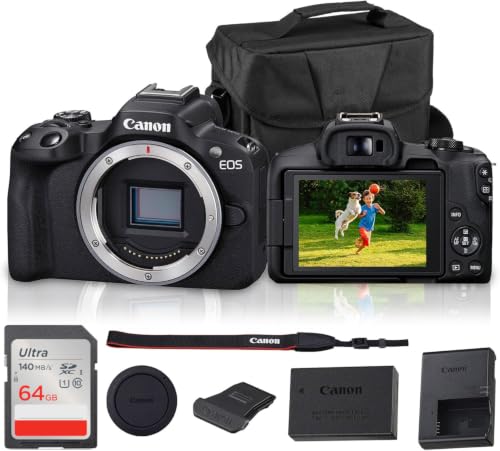
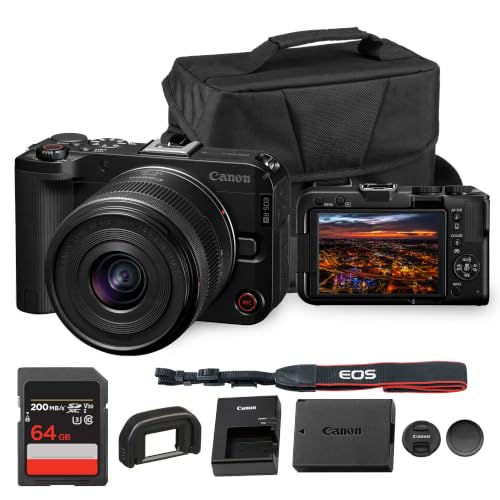


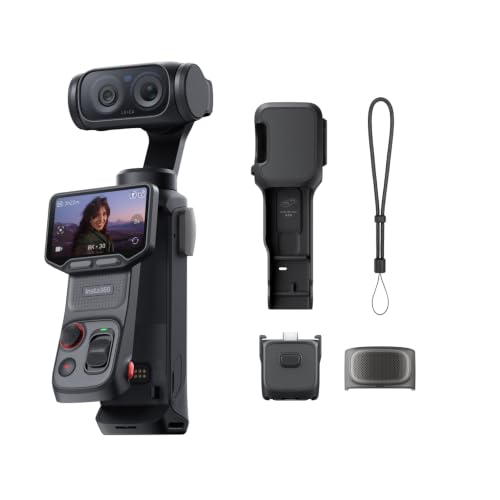
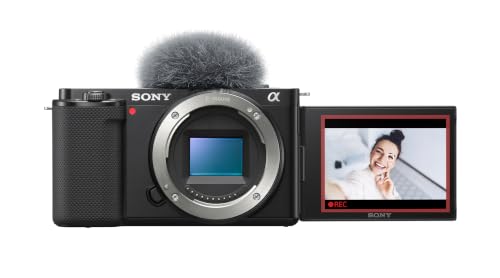

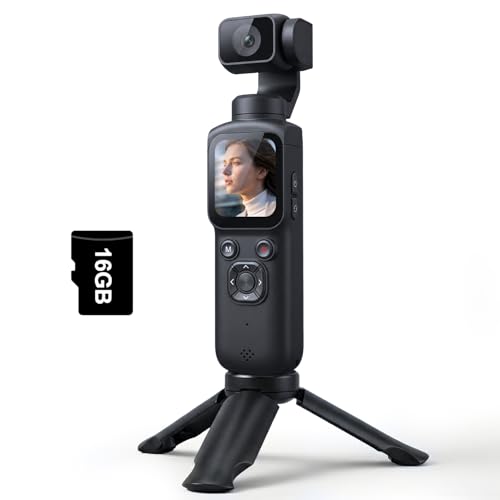
Budget Classes Compared
Three broad classes cover the market, and each one is defined by its screen and lens as much as by its price. The sections below describe what each class feels like in daily use, who it suits and what it asks you to give up. Judge them against how you shoot now, not against a future habit you may never build.
Budget Class: The Screen Comes First
Stated plainly, a selfie camera is judged facing the user, and the screen class you can see yourself in is the product. In the budget class, at about $150 to $350, that means a screen that tilts up or flips around fully, even if the sensor stays small. A camera you can frame with beats a sharper camera you must guess with, every single time.
Expect a fixed lens, simple auto modes and video at full HD or entry 4K, with plastic bodies that travel light. Skin tones in good light can look pleasing, while dim rooms soften detail. This class suits new creators, students and anyone upgrading from guesswork framing on a rear camera. Spend here first if money is tight, and keep some back for light.
Midrange Class: Balance in the Hand
The midrange class, at about $350 to $800, adds a larger sensor, a brighter lens and a grip you can hold at arm length without strain. Screens flip fully, touch focus follows a tap, and face and eye detection hold focus while you move. Files gain room for gentle editing, and video gains cleaner sound options and steadier framing.
This is where most regular selfie shooters should land. The phone is the rival class, and a dedicated camera must win on the screen, the grip or the light to earn its place, and midrange bodies are the first tier that can win on all three at once. You give up the smallest size and the lowest price, and in return you stop fighting your tools.
Premium Class: Control and Reach
Premium selfie cameras, at about $800 to $1,800 and above, bring large sensors, changeable lenses and the strongest video tools. You gain shallow depth behind a face, clean files in dim rooms and lenses chosen for portrait distance rather than for arm length alone. Bodies also add better microphones inputs, longer recording and stronger weather sealing for travel work.
The trade is real. A large body at arm length tires the wrist, draws attention in public and costs enough to change how carefully you carry it. Choose this class when selfies are part of paid work, a channel or a long project. If your portraits are casual and daily, the class below will serve you as well for far less money.
What Your Money Gets You at Each Price Tier
Money buys specific things in this market, and naming them stops you paying for the wrong upgrade. Each tier below lists the typical gains, the trade that comes with them and the buyer they fit. The product table above gives current examples of each tier, so read the two together before you set a final budget.
Budget Tier: What to Expect
At about $150 to $350 you should expect a flip or tilt screen, a wide fixed lens, face detection and simple sharing to a phone. Image quality is good in daylight and fair in indoor light, and video suits short clips and calls. What you give up is sensor size, lens choice and clean high ISO files, so plan to shoot near windows and lamps where this tier looks its strongest.
Midrange Tier: Where Most Buyers Land
At about $350 to $800 the gains are a 1 inch or APS C sensor, a faster lens, reliable eye focus and 4K video with a microphone input on many bodies. Portraits gain softer backgrounds and cleaner skin detail, and the camera stays small enough for daily carry. This tier fits regular posters, small creators and travellers who shoot themselves often and want results a phone cannot match in poor light.
Premium Tier: When Spending More Pays Off
At about $800 to $1,800 and above you pay for sensor size, lens freedom and video depth, including log recording, strong stabilization and dual card slots on some bodies. The gains show most in dim venues, in large prints and in long filming sessions. Casual shooters rarely use that headroom, so buy this tier for a clear need, such as client work or a daily channel, rather than for occasional portraits.
Features Worth Paying For (and Ones to Skip)
Feature lists reward the maker, not always the buyer, so each feature below is judged by one test, namely whether it changes a selfie you will actually take. Pay for the screen, the lens at arm length and focus that finds a face. Skip long zoom numbers, huge megapixel counts and modes you will open once and forget.
Ease of Use for Your Skill Level
Selfies are taken in seconds, often with one hand, so ease decides whether a camera leaves the bag. Look for touch framing, a shutter you can trigger by touch or gesture, and auto modes that expose for the face rather than for a bright window behind you. App transfer matters too, because a portrait that takes ten steps to reach your phone will often never be shared.
Match the controls to your patience. New shooters do well with clean auto modes and a simple dial, while experienced shooters may want manual exposure for video. Either way, test the grip with your weaker hand and with a small bag or strap fitted. A camera that feels awkward at arm length will produce fewer and worse portraits, whatever its sensor promises.
Sensor Size and Image Quality
Sensor size governs how a face survives poor light and editing. Small sensors in budget bodies are fine outdoors, a 1 inch sensor cleans up indoor shots and lifts background blur, and APS C or full frame sensors give the smoothest skin tones and the most editing room. Each step adds cost, size and lens weight, which matters when the camera points back at you.
Megapixels matter less than sensor size for this use. Social platforms compress files hard, and faces fill the frame, so a clean 20 megapixel file beats a noisy file with twice the count. Judge sample portraits at the light level of your real rooms, especially evening rooms lit by a single lamp, rather than by bright shop displays.
Features That Matter for Selfies
Selfie work has its own short list. The lens must be wide enough at arm length, at the equal of about 24 to 28 mm, to frame your face and some place behind you without cutting your chin. Focus must find eyes quickly, skin smoothing should be adjustable rather than forced, and the screen must stay visible in sun.
Light belongs on this list with the same weight as the lens. Faces are lit before they are sharpened, so a light class is the honest neighboring purchase, whether that is a small panel light, a ring light or a plan to shoot beside a window. Readers placing this topic inside the wider craft can see our guide to best cameras for photography for the parent topic in a related passage.
Video Capabilities
Many selfie cameras earn their keep on video, for clips, calls and short lessons as much as for stills. Look for 4K video if you crop or reframe, a flip screen you can monitor while recording, and a microphone input if your voice matters. Image stabilization smooths walking clips, though a seated call needs only a steady surface and a level frame.
Check recording limits and heat behaviour in plain terms before you buy, because some compact bodies stop long sessions early. Also check how the camera handles vertical video if your platforms reward it. A body that frames, focuses and records your face without fuss will be used daily, while a stronger body with awkward video steps will be left for rare planned shoots.
Lens and Zoom Range
For selfies the useful lens range is narrow and specific. A fixed wide lens suits most arms and rooms, while a short optical zoom, roughly 24 to 70 mm in equal terms, lets you step from a wide travel frame to a tighter head shot without moving. Longer zoom ranges add weight and smaller apertures, and they serve distant subjects that a selfie never has.
Aperture matters more than zoom reach here. A bright lens gathers indoor light and softens the background behind a face, which flatters skin and hides a plain room. On changeable lens bodies, one bright wide lens often serves selfie work better than a large kit. Spend on brightness and width first, and let distant reach go.
Picking the Right Cameras for Different Uses
Three common routes bend the budget advice in different directions. A phone route rewards spending on light and support, a compact route rewards the screen and lens pairing, and a platform route rewards framing and fast sharing. Read the route that matches your habit, and let it move money inside your budget rather than raise the budget itself.
Best Phone Cameras for Selfies: Where Your Money Goes
The phone route starts from a device you already own, so new money should go to a small light, a grip or stand and perhaps a simple microphone. Judge a phone for this use by its front camera focus, its screen brightness outdoors and how honestly it renders skin without forced smoothing. Its screen can also act as a soft fill light at close range, a comparison fact dedicated cameras answer with a small panel light. If those three points pass, a dedicated camera must offer a clear step in light or lens quality to justify itself.
Best Compact Cameras for Selfies: Where Your Money Goes
The compact route puts money into a flip screen, a 1 inch sensor and a bright fixed lens in one pocketable body. Judge compacts by screen movement first, then by lens width at arm length, then by how fast portraits reach your phone. This class suits travellers and daily posters who want a clear step above a phone without carrying lenses, and it is the natural home of the midrange budget.
Best Instagram Cameras for Selfies: Where Your Money Goes
The platform route values framing, colour and speed of posting above raw file depth. Judge a camera for best cameras for instagram selfies by vertical framing help, pleasing colour straight from the camera and app transfer that keeps captions and posting quick. Instagram is a platform class here, and any camera that slows the path from face to post will be skipped on busy days, whatever its sensor size.
Long Term Costs to Factor In
The body price is only the first payment. Budget for a spare battery, a fast memory card, a small bag and a light, which together can add about $80 to $250 to a modest kit. Changeable lens bodies may add a second lens later, and premium bodies can add grip, cage or microphone costs that casual listings rarely mention.
Ownership also includes care and replacement. Screens and flip hinges take daily strain, so a case and a wrist strap are cheap protection, and a warranty with accidental cover can suit travellers. Readers comparing the wider category label can note that best digital cameras is the umbrella class for this whole family, a classification point that helps when shops group selfie models under general headings. Keep a small yearly sum aside for cards, batteries and light replacements.
Cameras: Your Questions Answered
What features matter most in cameras for selfies?
The flip screen, the wide lens and face focus matter most. A screen you can see lets you frame and pose with intent, a lens near the equal of 24 to 28 mm fits your face and the place behind you, and eye focus keeps the important plane sharp. Good light completes the set, because even a strong sensor records a dull face in a dark corner.
What specs matter most for beginners taking self portraits?
A flip screen, simple auto exposure for faces and a wide fixed lens matter most for beginners. Those specs remove the three early frustrations of guessing the frame, fighting bright windows and cropping the chin. Touch shutter and quick phone transfer also help new shooters share results while interest is fresh. Readers who phrase the search by the act itself can see our guide to best cameras for taking selfies for the naming sibling of this topic.
Which camera class is better for low light selfies?
A midrange or premium class body with a larger sensor is better for low light selfies. Its bigger sensor and brighter lens keep skin clean at higher ISO settings, where small sensors smear detail and flatten colour. A small panel light can lift a budget body a long way, though, and often costs less than the step between classes. Judge the pairing of light and sensor together, not the body alone.
What does a flip screen do that a fixed screen cannot?
A flip screen lets you see your own framing while the lens faces you. That single change turns guessing into composing, so you can move a lamp, lift your chin or shift a cluttered background before you shoot rather than after. It also makes vertical video and low angle portraits far easier. Fixed screen bodies can still work with a phone app preview, but the extra steps slow every shot.
How much should I spend on my first selfie camera?
Spend about $250 to $600 for a first dedicated camera, and keep part of the sum for light. That range buys a flip screen, a decent sensor and a bright lens without paying for reach or video depth you may never use. If you shoot only in daylight for casual posts, the lower end is enough. If evening rooms and regular posting are your norm, aim higher inside the range.
Is a smartphone enough instead of a dedicated camera?
A current smartphone is enough for casual selfies in good light. Its front camera, bright screen and instant sharing cover daily portraits well, and a small light improves it further for little money. It falls short when you want softer backgrounds, cleaner evening files or a lens and screen pairing built for the job. Our guide to best digital cameras for selfies covers that neighbouring route for readers comparing the two labels side by side.
Wrapping Up
Set the budget by the screen first, the lens at arm length second and the sensor third, and the money will land where a selfie can feel it. Budget bodies serve new shooters, midrange bodies serve most regular posters, and premium bodies serve paid and daily work. Compare your short list against the product table above, and keep light in the same budget conversation.
The best cameras for selfies are not the costliest bodies on the shelf. They are the ones you can frame with, hold with ease and light with honesty, at a price that leaves room for the small tools that finish the job.