
Best Cameras for Instagram Selfies in 2026: Everything to Know Before Your First Purchase
Disclosure: We may earn a commission when you buy through links on this page, at no extra cost to you. As an Amazon Associate I earn from qualifying purchases. Learn more

Shopping for the best cameras for instagram selfies for the first time? Learn the terms, compare options, and avoid rookie mistakes with this easy guide.
Buying your first camera for self portraits can feel confusing, because spec sheets list dozens of terms that say little about how a photo of your own face will look. The best cameras for instagram selfies are not simply the most expensive models. They are the ones that frame you easily, focus on your eyes, and send a clean file to your phone fast. Use the comparison table below to check the basics as you read.
This guide starts with plain language explanations, then matches camera types to the way you actually post. You will learn which features change a selfie and how much a first camera usually needs to cost.


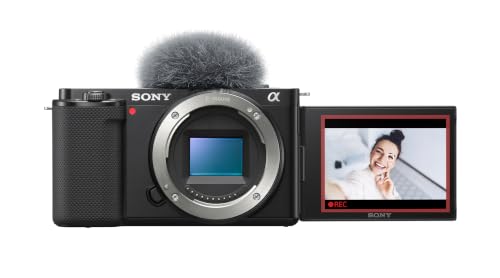



Cameras 101: The Basics for Selfie Buyers
A camera records light through a lens onto a sensor, then saves the result as a photo file you can edit and post. A larger sensor usually gathers more light, which helps skin look smooth and detail stay clear indoors. The lens decides how much of the room fits behind you, while the screen shows the framing before you press the shutter.
Most buyers here choose between compact cameras with a fixed lens and mirrorless cameras with changeable lenses. Compacts are simpler and lighter, while mirrorless models give more control as your skills grow. For the wider category first, see our guide to the best digital cameras.
Who Should Buy a Camera for Instagram Selfies?
Your posting habits should decide the camera type, because a selfie at home, a selfie on a trip, and a selfie for a small business all place different demands on size, speed, and image quality.
Solo Creators Who Shoot Alone at Home
You often work without anyone to hold the camera, so a screen that flips fully toward you and a reliable self timer matter most. A tripod socket and a remote option let you step back for outfit shots. Steady indoor light rewards a larger sensor more than a long zoom.
Beauty and Outfit Creators Who Care About Color
Your followers look closely at skin tone, makeup shades, and fabric color, so accurate color straight from the camera saves editing time. Look for natural portrait color settings and a lens that keeps facial features in proportion.
Travel Creators Who Post on the Go
You shoot in cafes, streets, and hotel rooms, often with one hand and little time to adjust settings. A light body, fast phone transfer, and USB charging suit this routine well. A small camera you actually carry beats a stronger one left at the hotel.
Key Features to Compare
Compare these factors in order, because the first three decide whether a selfie looks sharp and natural, while the last two decide how pleasant the camera is daily. That is why the best cameras for instagram selfies pair a flip screen and eye focus with simple controls, rather than chasing the longest zoom.
Features That Matter for Instagram Selfies
A screen that tilts or flips to face you is the defining feature here, because you cannot frame what you cannot see. Touch focus lets you tap your face to set focus and brightness in one move. Portrait modes that soften skin gently can help, but keep the effect low so texture still looks real. A 4 by 5 crop guide also helps, since that ratio fills more of the Instagram feed than a wide frame.
How Sensor Size Affects Selfie Quality in Low Light
Sensor size affects low light results more than megapixel count does. A one inch sensor is a clear step up from a phone in dim rooms, APS C sensors gather still more light, and full frame sensors sit at the top for clean indoor shots. Megapixels mainly decide how much you can crop, and about 20 to 24 megapixels is plenty for Instagram.
Autofocus and Stabilization for Self Portraits
Eye detection autofocus locks onto the eye nearest the camera and holds focus as you move slightly, which prevents the soft faces that ruin otherwise good shots. Check that eye focus works in both photo and video modes if you also record reels. Stabilization in the body or lens smooths small hand movements at arm length, and electronic stabilization in video can crop the frame a little, so leave headroom.
Lens Field of View and Size, Weight, and Ergonomics
At arm length, a wide field of view fits your face, shoulders, and some background without forcing you to stretch. In full frame terms, about 24 to 28 mm suits handheld selfies, while tighter lenses flatter faces but need a tripod or a friend. Weight matters too, because a heavy camera tilts forward on small tripods and tires your arm.
Ease of Use From First Shots to Manual Control
Full auto and scene modes let a first time buyer post good photos on day one, while aperture and shutter controls leave room to grow. A clear menu and a guided mode that explains each setting in plain words shorten the learning curve. Fast transfer to your phone through WiFi or Bluetooth matters just as much, because a photo that takes ten steps to move will often never get posted.
First Time Setup Steps Before You Shoot
Charge the battery fully, set the date, and format the memory card in the camera before your first session. Turn on grid lines, then take a few test shots near a window to learn how your skin tone records. Save a favorite color setting once you like the result, so later sessions start from a look you trust.
Clean the lens with a lens cloth, not your shirt, because shirt fabric can drag grit across the glass. Carry a spare battery on long shooting days, since constant transfers drain power quickly. For a broader view of framing tools, see our guide to the best cameras for selfies.
Common Mistakes to Avoid
- Buying on megapixels alone leaves you with a camera that still struggles in dim indoor light.
- Shooting with a wide lens inches from your face distorts your features and makes your forehead look larger.
- Skipping the flip screen check forces you to guess your framing and crop out hair or chin by accident.
- Using strong skin smoothing at full strength makes your face look waxy and erases natural texture.
- Forgetting to clean the front lens leaves fingerprints that soften every selfie you take that day.
- Ignoring transfer speed means your best shots sit on a memory card while your feed goes quiet.
Care and Maintenance of Your Selfie Camera
Wipe the lens and screen with a clean microfiber cloth after each outing, and keep the camera in a padded pouch so keys cannot scratch the glass. Store it in a dry place away from bathroom steam, because moisture inside a lens can fog the elements over time. Remove the battery during long storage.
Update the camera software when the maker releases a new version, since updates often improve phone pairing. Check the flip screen hinge gently and stop forcing it if resistance grows, because that joint carries thin cables. A wrist loop is cheap insurance against a dropped camera.
FAQ
What features matter most in a camera for Instagram selfies?
A flip screen, eye detection autofocus, and fast phone transfer matter most, in that order. Together they decide whether you can frame yourself, land sharp focus, and post while the moment still feels current. A bright screen boost also helps in dim cafes, where many cameras raise noise to keep the preview visible.
What specs matter most for first time buyers of selfie cameras?
Start with sensor size, screen movement, and the weight of the camera with its lens fitted. Those three specs predict your results and comfort better than zoom range or burst speed. Also confirm the camera charges over USB if you travel often, because a separate charger is one more item to forget.
Which camera setup is better for low light Instagram selfies?
A larger sensor paired with a bright lens is better, because the lens lets in more light before the camera needs to raise sensitivity. Face a window or a soft lamp rather than standing with the light behind you, since backlight makes faces dark. A small table lamp placed slightly to one side adds gentle modeling that flat ceiling light cannot match.
Does a flip screen help with Instagram selfies taken alone?
Yes, a flip screen helps a great deal when you shoot alone, because you can check your expression, hair, and background before pressing the shutter. Screens that flip fully forward suit video, while screens that tilt up suit stills. If a screen only tilts, test whether you can still see it when the camera sits above eye level on a shelf.
How much should you spend on your first camera for Instagram selfies?
Most first time buyers do well at about $300 to $700, where flip screens, one inch or APS C sensors, and eye focus are common. Spending more mainly buys a larger sensor, better video, and stronger build quality. Keep part of the budget for a small tripod and a spare card, because those low cost items solve more daily problems than a pricier body does. Our guide to the best cameras for instagram puts these budgets in a wider posting context.
Is a smartphone enough instead of a camera for Instagram selfies?
A smartphone is enough if you post in good light and value speed over depth and background blur. A dedicated camera earns its place indoors, at night, and when you want consistent color across a full grid. Many creators keep both, using the phone for stories and the camera for feed posts, a split our guide to the best digital cameras for selfies explores in more depth.
Wrapping Up
Put the flip screen, eye focus, and sensor size at the top of your list, then check weight and transfer speed against your daily routine. A camera that fits your hand and your posting habits will get used far more than one with a longer spec sheet. Compare your shortlist against the product table above before you order.
Chosen with those points in mind, the best cameras for instagram selfies make posting feel simple rather than technical. Start with the type that matches how you shoot most weeks, learn its auto modes well, and upgrade only when a real limit slows you down.

