
Best Cameras for Taking Selfies in 2026: Everything to Know Before Your First Purchase
Disclosure: We may earn a commission when you buy through links on this page, at no extra cost to you. As an Amazon Associate I earn from qualifying purchases. Learn more

Shopping for the best cameras for taking selfies for the first time? Learn the terms, compare options, and avoid rookie mistakes with this easy guide.
Buying your first camera for self portraits can feel confusing, because spec lists mix useful facts with numbers that matter little. This guide starts with the plain basics, then explains the screens, lenses and sensors that shape the best cameras for taking selfies. Use the comparison table below to match each feature to your budget.
You do not need the largest sensor or the longest zoom to look good in your own photos. You need a camera you can frame with one hand, focus without guesswork and carry without complaint.


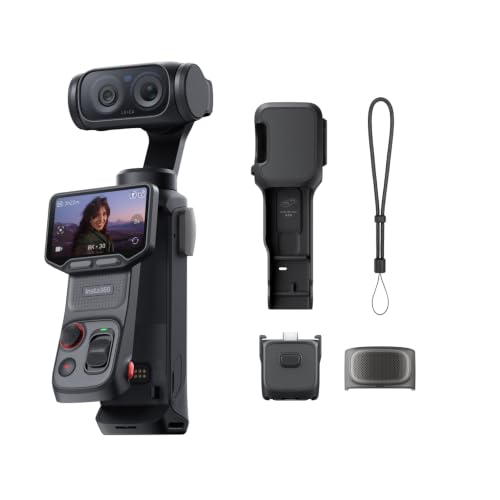
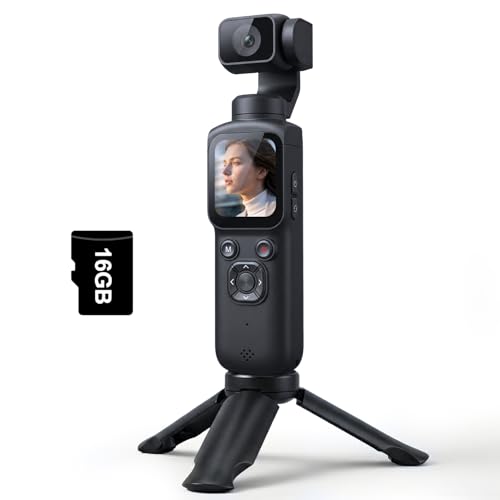
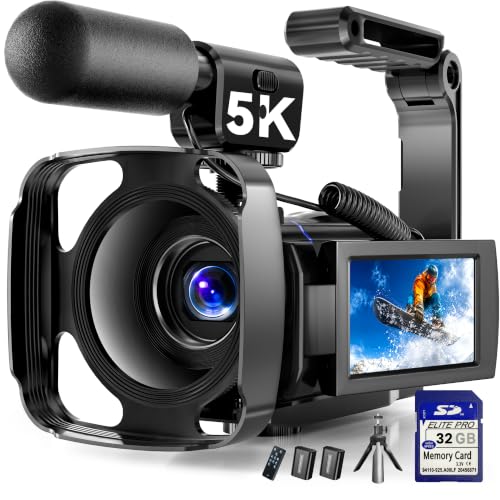
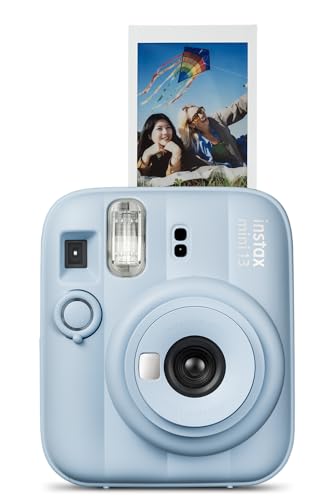


Cameras 101: The Basics for Selfie Shooting
A digital camera records light through a lens onto a sensor, then turns that light into a photo. Sensor size affects how much light the camera gathers, the lens controls how wide the view is, and the screen lets you frame the shot. If you want a broad view of the category first, see our guide to the best digital cameras before you narrow your list.
Three parts do most of the work for selfies. The screen must face you so you can check your position, autofocus must find your face without help, and the lens must be wide enough to include you at arm length. Point and shoot compacts keep these parts simple, while action cameras trade screen size for a wider view and tougher bodies.
Key Features to Compare
When you shop for the best cameras for taking selfies, compare the features below in this order, because the first items affect every photo you take.
A Screen That Faces You for Framing
A screen that flips forward or tilts up lets you see your face, your hair and the background before you press the shutter. Full flip screens also help when you record video, because you can check framing while you speak. Look for a bright screen you can read outdoors and touch controls that let you tap to focus.
Sensor Size and Clean Indoor Selfies
Sensor size describes the physical area that gathers light, and a larger area usually gives cleaner photos indoors and after sunset. Many compacts use a 1 inch sensor, larger models use APS C, and full frame is the biggest common option. Megapixels count detail, but a modest count on a larger sensor often looks better in low light.
Lens and Zoom Range for Selfies
The lens decides how much of the scene fits at arm length, and a wide view around 24 to 28 mm in full frame terms suits single and group selfies. Optical zoom uses the lens to move closer and keeps detail, while digital zoom crops the image and softens it. A bright lens opening, shown as a low f number such as f2.8, admits more light and blurs the background gently.
Autofocus and Stabilization for Handheld Shots
Face and eye autofocus track your face as you move, so the camera keeps your eyes sharp while your arm shifts. This matters because a selfie is usually taken handheld at an awkward angle, where small movements are common. Stabilization in the lens or body steadies that shake and helps both photos and video look calm.
Size, Weight and Ease of Use
A selfie camera must feel secure in one hand, with a grip you can hold while your thumb reaches the shutter button. Light models suit travel and daily carry, while very small bodies can feel slippery and hard to steady. Clear menus and a phone app for transfer over WiFi or Bluetooth help new owners share photos quickly. Simple auto modes also help while you learn.
Durability and Weather Sealing for Outdoor Selfies
Weather sealing uses gaskets around doors and dials to keep out light rain and dust, which helps at the beach, on trails and in busy streets. A sealed body is not the same as a waterproof action camera that can go underwater, so check the stated limit before you trust it near a pool. Choose sealing when you shoot outdoors often, and skip the cost if you mostly shoot indoors.
Which Selfie Camera Fits Your Routine
Best Entry Level Cameras for Taking Selfies
The best entry level cameras for taking selfies keep controls simple while still giving you a flip screen and reliable face autofocus. Look for guided menus, a helpful auto mode and a lens that starts wide, because those three traits shorten the learning curve. Point and shoot compacts in this group often cost about $300 to $600. You give up some manual control, but you gain a camera you can use well on day one.
Solo Creators Who Photograph and Film Themselves
If you record yourself alone, you need a camera that works on a small tripod and starts without a second pair of hands. A remote control or phone app lets you pose before the shot, and a microphone input improves voice clarity for video. Strong 4K video, a fully turning screen and steady stabilization matter more here than a long zoom. For a narrower view, see our guide to the best cameras for selfies.
Friends and Travelers Who Take Group Selfies
Group shots need a wider lens, a timer you can set quickly and a body light enough to hold at the end of an extended arm. A burst mode helps because someone always blinks. If your group also shoots landscapes and street scenes, see our guide to the best photo taking cameras for broader travel use.
First Settings to Dial In Before Shooting
Charge the battery fully, insert a memory card and format the card in the camera before your first outing. Set the date, turn on face tracking, and choose the widest lens setting so practice shots match real arm length framing. Add the wrist strap before you shoot.
- Take three test shots at arm length and check that your eyes are sharp and your head is not cut off.
- Try the timer and remote modes so you can place the camera and step back for group photos.
- Wipe the lens with a lens cloth, not your shirt, because shirt fabric can hold grit that scratches the coating.
- Pack a spare battery and a spare card, because video and screen use drain power faster than still photos.
Rookie Mistakes to Avoid
- Buying on megapixels alone leaves you with a small sensor that looks noisy indoors and at night.
- Choosing a screen that does not face forward forces you to guess framing and retake shots again and again.
- Relying on digital zoom crops your photo and throws away the detail you paid for.
- Holding the camera too close makes your face look stretched and cuts friends out of group shots.
- Ignoring camera weight means the camera stays home, so your phone does the work it was bought to improve.
Care and Maintenance for Selfie Cameras
Keep the lens clean with a soft cloth and a blower, and store the camera in a dry padded case away from sand and loose coins. Sand in pockets and beach bags can reach the lens barrel and screen hinges.
Recharge batteries before they sit empty for months, and keep one spare in a case rather than loose in a bag. Wipe the body with a dry cloth after rain, then leave the doors open in a dry room until any dampness clears. Handle the flip screen by its edges and never force it past its stop.
Selfie Camera Questions Buyers Ask Most
What features matter most in cameras for taking selfies?
A forward facing screen, face autofocus and a wide lens matter most in cameras for taking selfies. Those three decide whether you can frame, focus and fit the shot without help. One extra the body sections did not cover is a self timer you can trigger with a wave or a smile on some models, which lets you lower your arm for a more natural pose.
How much should I spend on my first camera for taking selfies?
Most first buyers should plan on about $300 to $800 for a camera for taking selfies. Simple compacts sit near the lower end, while larger sensors and microphone inputs push prices higher. Set aside a small part of the budget for a memory card, a spare battery and a case, because those items are needed from day one.
Is a smartphone enough instead of a camera for taking selfies?
A smartphone is enough for casual selfies in good light, and its front camera is always with you. A dedicated camera pulls ahead when you zoom, shoot indoors or want larger prints, because its sensor and lens gather more light. If your selfies stay on social feeds, a phone may suffice, but regular creators gain control and consistency from a camera.
Which camera type is better for selfies in low light?
A compact with a 1 inch or larger sensor is better for selfies in low light than a small sensor action camera. The larger sensor gathers more light at the same setting, so faces stay cleaner with less grain. You can help further by facing a window or a lamp, because added light on your face matters more than a small spec gain.
What focal length works best for cameras for taking selfies?
A focal length around 24 to 28 mm in full frame terms works best for cameras for taking selfies. That range fits your head, shoulders and some background at arm length without strong stretching. Very wide settings near 16 to 20 mm suit big groups but can bend faces near the edges, so keep faces near the center. If your lens starts tighter, extend your arm fully or use a small tripod.
Wrapping Up
Start with the screen, the lens width and the sensor, because those three choices shape every selfie you take. Match size and controls to your skill level, then add video or sealing only if your routine calls for it. Use the product table above to compare your short list against your budget.
For most first time buyers, the right best cameras for taking selfies are the ones you can frame with one hand, trust to focus on your eyes and carry all day without thinking about them. Choose that camera, practice the setup steps once, and your first outing will feel easy.


