
Best Cameras for Self Filming Hunts for 2026: Types Compared and How to Choose
Disclosure: We may earn a commission when you buy through links on this page, at no extra cost to you. As an Amazon Associate I earn from qualifying purchases. Learn more

Compare camera types for self filmed hunts, from action cameras to vlogging models, and learn which features hold up in the field and in low light.
Filming your own hunt adds a second job to an already demanding day, so the best cameras for self filming hunts are the ones that keep working when your hands are cold, the light is low, and the action happens fast. You need a camera that starts quickly, holds focus on a distant subject, and survives dust, rain, and rough handling. This guide compares the main types side by side, using the comparison table below as a starting point, so you can choose a setup that fits your style of hunting and your budget.
Self filming is different from filming with a dedicated camera operator. You may be calling, glassing, or waiting quietly for long stretches, then need usable footage within seconds. The sections below explain each camera type in plain terms, compare the closest rivals, and cover the features that matter most in the field, from battery life to weather sealing and mounting options.


Types of Cameras Compared
The table below gives a quick overview of the main types, and the sections that follow explain each one in more detail. Prices are approximate and vary with mounts, lenses, and accessories, so treat them as a rough guide rather than a promise.
| Type | Best For | Pros | Cons | Typical Price |
|---|---|---|---|---|
| Action cameras | Hands free, point of view, and rough conditions | Small, tough, wide view | Small sensor, limited zoom | Around $200 to $500 |
| Vlogging cameras | Talking to camera and flexible handheld shots | Flip screen, good autofocus, compact | Moderate zoom, modest weather sealing | Around $400 to $1,000 |
| Interchangeable lens cameras | Distant subjects and polished footage | Lens choice, large sensor, low light range | Larger, heavier, higher total cost | Around $600 to $2,000 |
Action Cameras
Action cameras are small, rugged cameras that mount to a chest strap, a head mount, a tree arm, or a small clamp, leaving your hands free for calling and shooting. Their wide lens captures the scene around you, and built in stabilization smooths out walking and sudden movement. For a closer look at dedicated hunt filming models, see our guide to the best cameras for filming hunts.
The limits are zoom and low light range. A wide fixed lens cannot bring a distant animal close, and the small sensor turns noisy sooner at dawn and dusk, when much hunting footage happens. Action cameras suit point of view clips, camp footage, and backup angles, but they rarely serve as the only camera when distant detail matters. Choose this type when hands free operation and toughness matter most.
Vlogging Cameras
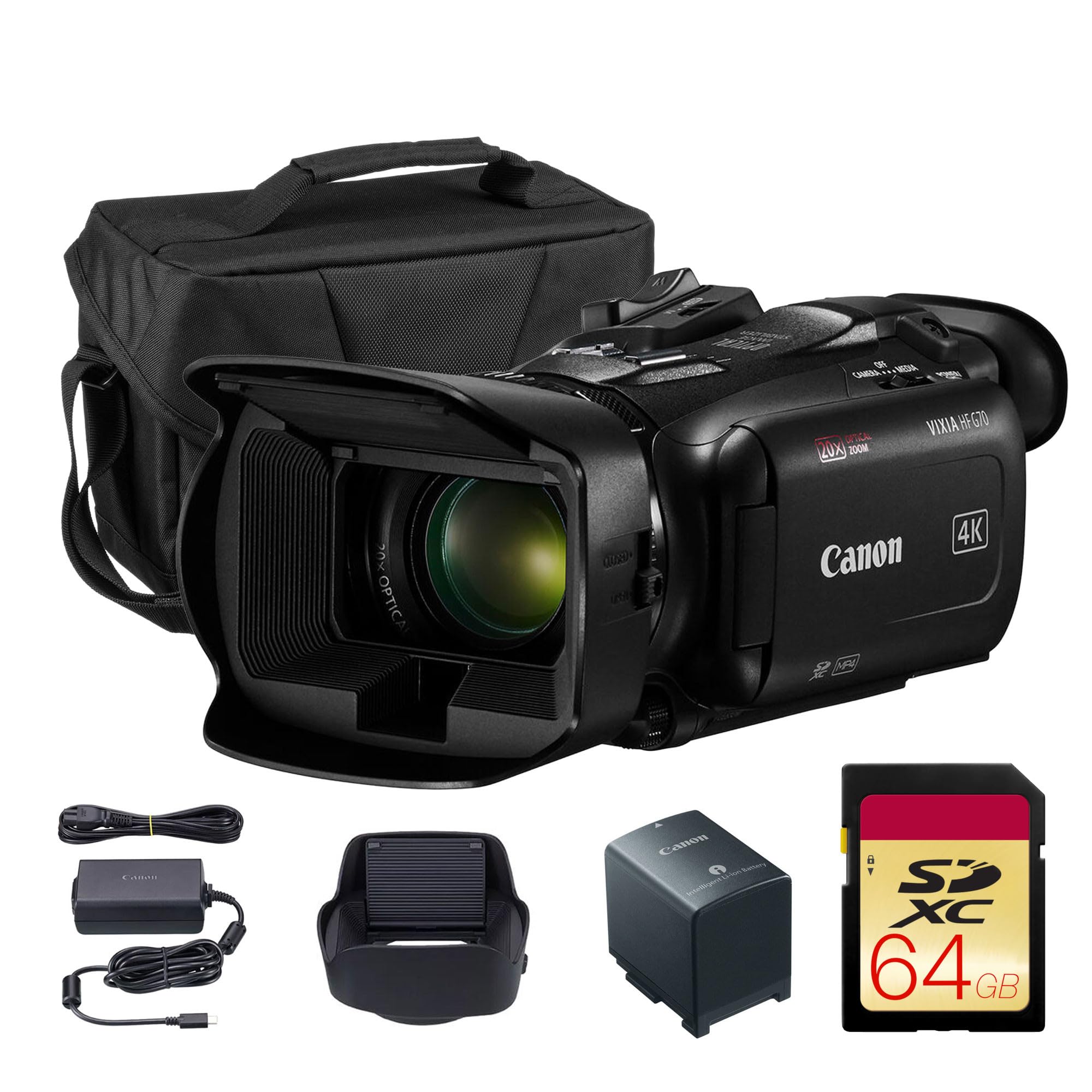
Vlogging cameras combine a compact body with a flip screen, reliable face autofocus, and a built in zoom, which makes them easy to aim at yourself for introductions and recaps. Many record 4K video, offer a microphone input, and weigh little enough to carry all day in a pack or chest pouch. For video focused hunt setups, see our guide to the best video cameras for filming hunts.
The zoom range is modest compared with an interchangeable lens camera, so distant subjects stay small in the frame. Weather sealing also varies, so check rain resistance and plan on a simple rain cover for wet days. Pick a vlogging camera when you want a balance of easy self framing, decent image quality, and a kit that packs down small.
Interchangeable Lens Cameras
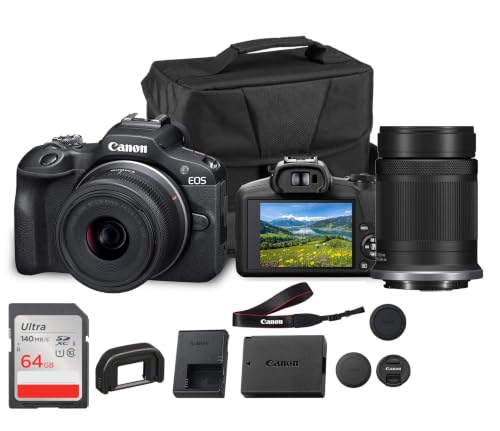
Interchangeable lens cameras give you the most reach and the best low light performance. A telephoto zoom brings distant game into frame, a larger sensor handles dawn and dusk better, and manual controls let you set exposure deliberately instead of trusting automatic modes. For deer specific filming setups, see our guide to the best cameras for filming deer hunts.
That reach comes with size, weight, and complexity. Lenses, mounts, spare batteries, and cards add bulk, and changing lenses in the field risks dust on the sensor. Autofocus behavior matters here too, since a camera that hunts for focus at full zoom will ruin a short window of action. Choose this type when distant detail and low light footage are the priority and you are willing to carry a larger kit.
Action Cameras vs Vlogging Cameras: Which Should You Choose?
Start with how you film. If most of your footage is hands free point of view, or the camera will be mounted and left running, an action camera is simpler and tougher. If you talk to the camera, frame yourself, and want a zoom for mid range shots, a vlogging camera gives you more framing control and a better screen for checking your shot.
Next, weigh sound and low light needs. Vlogging cameras usually accept an external microphone more easily and cope better at dawn and dusk, while action cameras need adapters or separate audio for clean narration. For a simple, durable second angle, pick the action camera; for a main camera you operate yourself, pick the vlogging camera.
How to Choose the Right Camera
Sensor Size and Image Quality
Sensor size shapes low light performance and dynamic range more than megapixels alone do. A 1 inch sensor generally beats a much smaller one at dawn and dusk, while APS C and full frame sensors go further again, with cleaner shadows and more detail in mixed light. Do not chase the highest megapixel count for video work, since readout speed, heat management, and lens quality matter just as much for smooth footage.
Features That Matter for Self Filming Hunts
Self filming demands quick starts, reliable focus, and simple controls you can use with gloves on. Look for a fast power on time, face and subject tracking that holds on a moving animal, and stabilization that works while walking or panning. A microphone input matters for narration, while a flip or tilt screen helps you confirm framing without standing up or breaking cover. Keep the menu simple, since fumbling through settings costs shots.
Lens and Zoom Range
Optical zoom brings a subject closer without losing detail, while digital zoom only crops the image and should be avoided for serious footage. Check the longest focal length and the widest aperture at full zoom, since a slow telephoto struggles at dawn and dusk.
Battery Life and Charging
Long sits in cold weather drain batteries faster than the headline rating suggests, so plan on spare batteries and a power bank. Check how many minutes of 4K recording you can expect per charge, and note whether the camera charges over USB C while recording. A camera that accepts a power bank during a long sit can keep rolling when a spare battery runs out, which often happens on the best days.
Durability and Weather Sealing
Look for weather sealing, fogproof construction, and a body that tolerates dust, rain, and knocks. Nitrogen purged optics resist internal fogging when temperatures swing, and sealed buttons and doors keep out moisture during wet hunts. No camera is indestructible, so pair even a sealed body with a rain cover and a padded case, and dry the kit fully before storing it after a wet day.
How to Make Your Camera Last Longer
Use a lens cloth, not your shirt, to clean the front element, since fabric can drag grit across coatings and leave marks. Carry a spare battery and a spare memory card, and store the camera in a dry, padded bag between hunts. Check mounts and screws before each outing, and keep a small blower handy for dust. Simple habits like these protect image quality and extend the life of the whole kit.
Frequently Asked Questions
What features matter most in cameras for self filming hunts?
Quick startup, reliable subject tracking, good stabilization, and weather sealing matter most, because self filmed hunts combine sudden action, long waits, and harsh conditions. A camera that powers on fast, holds focus on a moving subject, and keeps working in rain or dust will serve you better than one with a longer spec list but slow controls. Check battery life in cold weather too, and test the exact settings you plan to use before the season opens.
Which is better for low light?
Larger sensors and faster lenses generally perform better in low light, because they gather more light and produce cleaner shadows. An interchangeable lens camera with a fast telephoto lens usually beats a small sensor camera at dawn and dusk. That said, keeping the camera steady and avoiding unnecessary digital zoom improves low light footage on any type, so practice your mounting and panning technique before relying on a new body alone.
How much should I spend on my first one?
Most first time self filming hunters do well with a total budget of about $300 to $800 for an action or vlogging camera setup, or about $800 to $1,500 for a basic interchangeable lens kit with one versatile zoom. Spend the rest of your budget on mounts, spare batteries, memory cards, and a microphone, since those items are needed on every outing. Avoid stretching for a flagship body while neglecting the support gear that keeps the camera running all day.
Is a smartphone enough instead?
A modern smartphone can work for camp clips, introductions, and short range footage, especially with a small tripod and an external microphone. Its limits show up at distance, in low light, and in harsh weather, where a dedicated camera with optical zoom and weather sealing pulls ahead. Many hunters use a phone as a second angle and a dedicated camera as the main setup, which keeps the kit simple while covering both close and distant shots.
What specs matter most for beginners?
Beginners should prioritize simple menus, reliable automatic focus, good stabilization, and a screen that flips or tilts for self framing. A camera that is easy to operate lets you focus on the hunt itself, which shapes the footage far more than niche settings. As your skills grow, manual exposure, log profiles, and interchangeable lenses become more valuable, so choose a system with room to grow if you plan to keep filming season after season.
Our Verdict
The right choice comes down to reach, toughness, and how much kit you will carry. Action cameras suit hands free angles, vlogging cameras suit self framed main footage, and interchangeable lens cameras suit distant subjects and low light. Compare autofocus, battery life, weather sealing, and zoom range before deciding, and check the product table above once more against your budget. With those priorities clear, the best cameras for self filming hunts for your work will be the type that keeps recording when the moment arrives, not the one with the longest feature list.
Follow local hunting and recording rules wherever you film, and respect private land and other hunters when choosing a filming position.


