
Which Camelbak Water Bottles Should You Buy? Best Models for Every Home (2026)
Disclosure: We may earn a commission when you buy through links on this page, at no extra cost to you. As an Amazon Associate I earn from qualifying purchases. Learn more

Not sure which camelbak water bottle to pick? We break down the lineup by household size, space and budget so you can choose with confidence.
Picture a weekday morning in a busy kitchen. One bottle goes into a school bag, another rides along in a work tote, and a third waits by the sink for a refill. If your household juggles bottles like this, choosing the best camelbak water bottle for each person saves money and clears clutter.
This guide sorts the Camelbak lineup by what matters at home, including how many people will use the bottle, where it will be stored, and what your budget allows. The product table lists current bottles, and the sections after it cover size, materials, caps, and care.


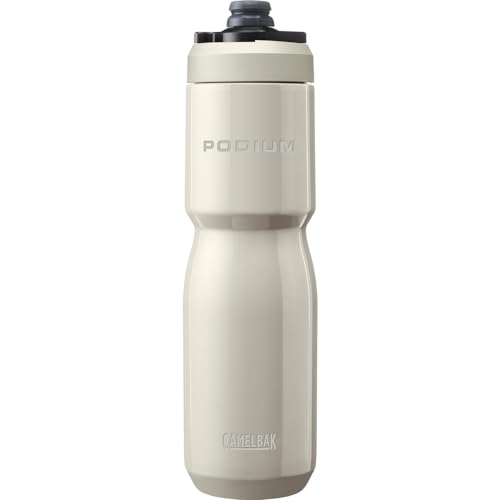

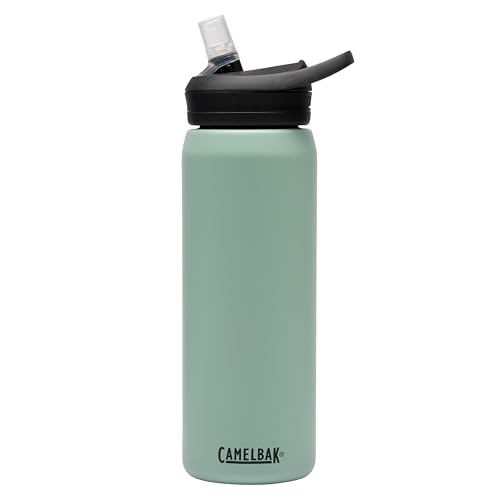


Quick Answer: Three Routes Through the Lineup
Most homes land on one of three routes. Lightweight plastic bottles suit daily use around the house and school runs, since they are light, cheap to replace, and easy for kids to carry. Insulated stainless steel bottles suit commuters who want water to stay cold through a long day away from a tap. Large capacity bottles suit a desk or a home gym corner, where one fill covers hours of drinking. Match the route to the person and the place.
Before You Buy: A Quick Checklist for Choosing a Water Bottle
Size: Match It to Your Space
Camelbak bottles commonly run from about 16 oz up to 40 oz, with larger jugs beyond that for shared use. Sizes around 16 to 20 oz fit fridge doors, cup holders, and smaller hands, so they work well for kids and short trips out. Mid sizes around 24 to 32 oz are the home workhorse, holding enough for a morning at a desk without feeling bulky. Go bigger only if you have storage for it, since a tall 40 oz bottle can crowd a low cabinet shelf. Measure your cup holder and shelf height before ordering.
Which Type Fits Your Routine
Start with material. Plastic Camelbak bottles are light, usually cost the least, and handle daily drops on kitchen tile well. Stainless steel versions weigh more but shrug off dents and keep drinks cold far longer when insulated. Glass is rare in this lineup, so if you prefer drinking from glass at home, compare our guide to the best glass water bottle options first. Straw caps with a bite valve let you sip without tipping the bottle, which suits desks and driving. Chug style caps give a faster flow for workouts. A simple screw cap seals tightest for bags, though it takes two hands to open.
Features Worth Paying For, and Ones to Skip
A carry handle earns its place if the bottle travels between rooms, cars, and sports fields all day, and a wide mouth matters if you like adding ice cubes from a standard tray. A magnetic cap keeper, found on some chug style models, holds the cap out of the way while you drink. Time markers can nudge you to drink through the day, but they add nothing if you already refill on a steady rhythm. Skip built in filters unless your tap water tastes unpleasant, since cartridges add a repeating cost. Fruit infusers and smart caps sound fun, yet most households stop using them within weeks.
Materials and Safety Basics
Look for clear labeling that a plastic bottle is BPA free, and check that printed graphics sit on the outside only, away from the water. Steel bottles in this range are typically food grade steel, which resists rust and does not hold flavors from yesterday juice. If a bottle has a painted finish, hand washing protects that coating from chipping. Families with young kids should check that straws and valves are food grade silicone and pull apart fully for cleaning, because residue trapped in a valve causes most off tastes and smells.
Dishwasher and Heat Safety
Many Camelbak bottles and caps can go in a dishwasher, but details vary by model, so read the care note for the exact bottle you choose. Insulated steel bottles often call for hand washing the body to protect the vacuum seal and outer finish, while their caps may still be dishwasher safe. Keep these bottles out of the microwave and the oven, since plastic can warp, steel cannot go in a microwave at all, and heat can damage seals. Hot drinks belong only in models rated for hot liquids.
Singles, Multipacks, and Spare Parts
Buying single bottles lets each person pick a color and size, which cuts down on mix ups at home. Multipacks cost less per bottle and make sense for school spares, though everyone gets the same size. The quiet advantage of a big brand is spare part support, since replacement caps, straws, and bite valves are sold on their own, so a chewed valve or lost cap does not force you to replace the whole bottle.
Realistic Budget Ranges
Basic plastic bottles in this lineup often cost under $20, which makes them the low risk choice for kids and for trying a new cap style. Insulated stainless steel models usually land at about $25 to $40, and you pay for cold retention and a tougher body rather than extra gadgets. Large capacity models can run about $40 to $60. If you are comparing across the whole category, our overview of the best water bottle choices shows how Camelbak pricing stacks up. Set your budget by daily use, not by the longest feature list.
Camelbak Bottle Types Compared
Lightweight Plastic Bottles for Daily Home Use
These are the bottles most families start with. They are light enough for a child to carry in a full school bag, cheap enough that losing one stings less, and clear enough to see the water level at a glance. Straw cap versions dominate this group because kids can drink without unscrewing anything, which means fewer spills on car seats and homework. The trade off is insulation, since a single wall of plastic lets cold water warm up within a few hours on a hot day.
Insulated Stainless Steel Bottles for Long Days Out
Steel bottles with vacuum insulation keep water cold through a work shift or a summer afternoon at the park, and the body handles drops onto concrete better than plastic. They cost more and weigh more, so they suit adults and older kids more than small children. If cold retention is your top priority across brands, our guide to the best stainless steel water bottle models gives you a wider field to compare. Within this range, pick steel when the user drinks away from home for six hours or more.
Large Capacity Bottles for Desks and Home Workouts
Bottles of 40 oz and up cut refill trips for people who work at a desk all day or train in a garage gym. A sturdy handle matters most here, since a full bottle this size is heavy to lift with one hand when it is wet. They need a tall shelf or a spot on the counter rather than a fridge door, and they are a poor match for travel bags and cup holders, so treat them as stay at home gear. For trips away, a mid size bottle from our guide to the best water bottle for travel will serve you better.
How We Compare Camelbak Bottles
We judge this lineup on the factors a household feels every day. Material and durability come first, since a bottle that cracks or leaks in a bag fails at its main job. Next is how the cap works in real routines, including sipping with one hand, sealing in a tote, and how fully it comes apart for washing. We also weigh size against storage, spare part costs, and plain value for money. Our notes draw on maker specifications and patterns in verified buyer feedback, and we do not claim experience with each bottle. For a fuller checklist, read what to look for when buying a water bottle before you order.
The Camelbak Water Bottle Lineup Explained
Camelbak sorts its bottles mostly by cap and material rather than by fancy tiers. The straw cap family centers on a bite valve you squeeze gently with your teeth while sipping through an internal straw, so the bottle stays upright at a desk or in a car. The chug cap family uses a wide spout for bigger gulps and often adds a magnetic keeper that holds the cap against the bottle while you drink. Steel versions of both families add insulation. Filtered models sit apart from the rest, pairing a bottle with a replaceable filter.
Common Buying Mistakes to Avoid
- Buying the biggest size by default. An oversized bottle that fits no cup holder and no fridge door gets left behind, so it never gets used.
- Ignoring the cap style. A chug cap bought for a child who prefers a straw leads to complaints and spills, and the bottle ends up replaced within months.
- Forgetting spare part costs. Valves and straws wear out, so a cheap bottle with pricey or scarce parts can cost more over two years than a mid priced one.
- Putting insulated steel in the dishwasher. Repeated hot cycles can hurt the finish and the seal.
Cost of Ownership and Care
The purchase price is only part of what a bottle costs you. Bite valves and straws are wear parts, and replacing a set once or twice a year keeps flow strong and tastes clean at a small cost. Wash bottles daily with hot soapy water, pull the straw and valve apart, and let every piece air dry fully before reassembly, since trapped moisture causes musty smells. Our step by step guide on how to clean a water bottle covers deep cleaning for stubborn odors. Store bottles with the cap off, and retire one if the body cracks or the cap stops sealing.
Your Questions, Answered
How long does a Camelbak water bottle last?
A plastic Camelbak bottle often serves for a few years of daily use, and a stainless steel one can last much longer because the body resists cracks and dents. The cap parts decide the real lifespan, since straws and bite valves soften and split with heavy use. Swapping them when flow weakens keeps the bottle in service, and if the body is sound, there is rarely a reason to replace the whole bottle.
Can you put a Camelbak bottle in the freezer?
Freezing is a poor way to chill these bottles. Water expands as it freezes, and that pressure can bulge a plastic body or push a cap seal out of shape, which later shows up as a slow leak in your bag. A safer habit is to fill the bottle partway with ice and top it up with cold water, or chill the filled bottle in the fridge overnight. Insulated steel bottles need no freezing at all, since the insulation does the chilling work for you.
Why does my Camelbak bottle taste odd or smell musty?
A new plastic bottle can carry a faint taste for the first few fills, and washing it with warm water and a little baking soda before first use usually clears that. A musty smell in an older bottle almost always traces back to the valve and straw, where moisture lingers after a quick rinse. Take the cap fully apart, soak the small parts, scrub the straw with a thin brush, and dry everything overnight with the cap off, since storing the bottle sealed while damp restarts the problem.
Which Camelbak bottle size suits a child best?
Most children do well with about 12 to 20 oz, a size they can lift when full and that fits a school bag side pocket without crowding books. A straw cap helps younger kids drink without tipping the bottle over a desk. Check the maker age guidance on the listing, since small detachable parts on some caps are not meant for toddlers. As kids grow into sports and longer days out, a 24 or 32 oz bottle reduces midday refills.
Final Thoughts
The right choice comes down to matching cap, material, and size to the person and the place. Plastic straw bottles keep school days simple, insulated steel earns its price on long days away from home, and a large bottle anchors a desk or home gym. Whichever route you take, the best camelbak water bottle is the one that fits your shelf, your cup holder, and your cleaning routine, so check the product table above against your checklist before you order.


