
Best Cameras for Filming Deer Hunts: Budget, Midrange, and Premium Picks for 2026
Disclosure: We may earn a commission when you buy through links on this page, at no extra cost to you. As an Amazon Associate I earn from qualifying purchases. Learn more

Compare the best cameras for filming deer hunts by budget, zoom, low light skill, and weather sealing, and learn which upgrades are truly worth paying for.
Choosing the best cameras for filming deer hunts starts with the conditions you actually face in the field. Deer move most at dawn and dusk, often at 30 to 80 yards, and they notice movement, shine, and noise. A camera that looks impressive indoors can still miss the moment if its zoom is weak, its focus hunts in dim light, or its controls are hard to reach from a tree stand or blind.
Price alone will not tell you which model fits your hunts. The comparison table below gives you a quick way to sort options by budget. This guide then explains what each price tier really delivers, which features earn their cost, and which extras you can safely skip.
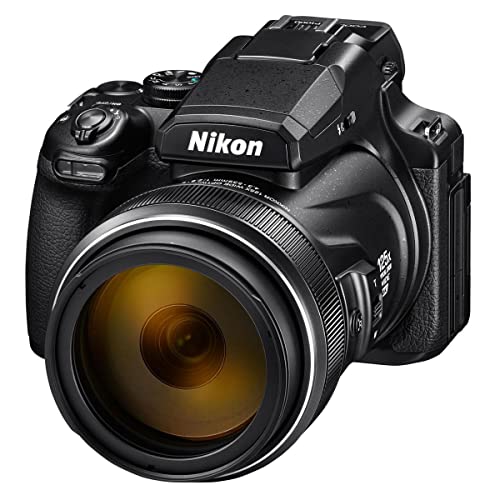


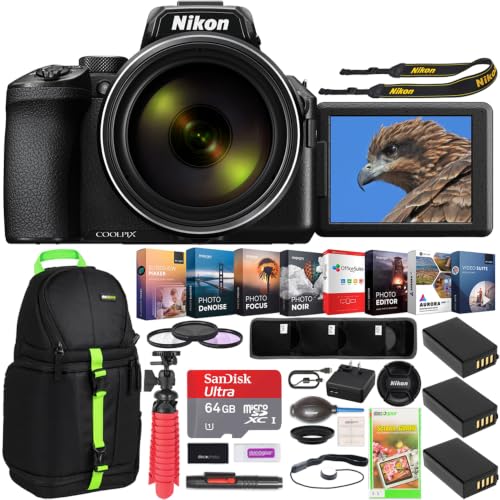
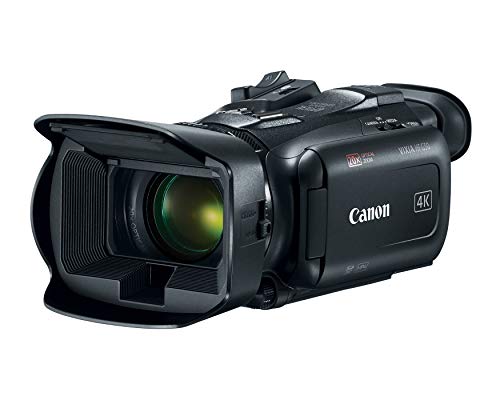


Choosing the Right Camera for Your Budget and Hunting Style
Start by matching the camera to your stand distance, your light, and whether you film alone. If you also film other seasons, see our guide to the best cameras for filming hunts for broader planning ideas.
Budget Buyers: Spend on Reach and Stability First
If this is your first hunt camera, put your money into optical zoom and a stable mount before anything else. A modest camera on a solid camera arm gives steadier, clearer footage than an expensive camera shaking in your hands. Accept simpler menus and a smaller sensor, and plan to film at shorter ranges. In good light, that simple setup can still record a hunt you will enjoy watching for years.
Midrange Buyers: Spend on Light and Focus
Midrange money should buy you better low light footage and autofocus you can trust when a buck steps out at last light. Look for a larger sensor, a brighter lens, and focus tracking that stays on a moving deer instead of drifting to branches. Solo hunters gain a lot here too, since flip screens and remotes are common in this tier. For rig ideas built around filming alone, see our guide to the best cameras for self filming hunts.
Premium Buyers: Spend on Image Quality and Control
Premium cameras make sense when you film often, shoot in poor light, or want footage clean enough for serious editing. You gain larger sensors, stronger lenses, better manual controls, and audio options that hold up in wind. Buy this tier for image quality and control you will actually use, not for a spec sheet you will never touch.
What Your Money Gets You at Each Price Tier
The tiers below describe typical cameras, so use them as a guide to value rather than a promise about any single model.
Budget Tier: What to Expect
Budget cameras start at around $150, and stronger models stay under $400. They usually offer a fixed lens, a small sensor, and strong zoom numbers that lean heavily on digital zoom. Expect decent footage in open fields and bright timber, with softer detail once light fades. Menus are simple and the cameras are light. The trade off is clear: you save money, but you give up reach in dim woods and fine control over focus and exposure.
Midrange Tier: The Sweet Spot for Most Deer Hunters
Midrange cameras cost around $400, with the strongest models under $900. They add larger sensors, better optical zoom, and image stabilization that smooths small movements on a camera arm. Autofocus gets faster and low light clips hold more detail, which matters during the first and last minutes of legal light. Most hunters who film several weekends a season will find this tier covers their needs without the weight or cost of a full premium rig.
Premium Tier: When Spending More Pays Off
Premium cameras start around $900, and top models reach about $2,500. They bring full frame or APS C sensors, interchangeable lenses, and advanced color options for editing. Footage stays cleaner at dawn and focus tools are stronger. Spending more pays off if you film in dark timber, publish your hunts, or already own lenses. If you hunt twice a year in bright fields, the gain will be hard to see.
Features Worth Paying For and Ones to Skip
Judge every feature by how it works quietly at long range in weak light.
Features That Matter for Filming Deer Hunts
Optical zoom is the first feature to check, because it brings a deer at 60 yards close enough to judge and record without cropping the clip later. Magnification from the lens itself keeps detail, while digital zoom only enlarges pixels. Pair that reach with responsive autofocus and a quiet zoom motor, since deer react to sound and sudden movement. Manual audio levels also help, because wind noise can ruin an otherwise perfect recording.
Video Capabilities
Clean 4K video gives you room to crop a wide shot slightly in editing while keeping the deer large enough to follow. A rate of 60 frames per second smooths a walking deer and lets you slow a shot sequence modestly, while 30 frames per second is fine for most stand footage. If video is your main goal, see our guide to the best video cameras for filming hunts.
Sensor Size and Image Quality
Sensor size shapes low light quality more than the megapixel count on the box. A 1 inch sensor is a solid step up from a small camcorder sensor, APS C gathers more light again, and full frame leads in dark timber at the cost of size and price. Bigger sensors also need bigger lenses to keep the same reach. For stand hunting at first light, sensor size and lens brightness usually beat raw resolution.
Durability and Weather Sealing
A weatherproof body and sealed controls matter because deer hunts involve frost, drizzle, dust, and cold hands fumbling in the dark. Weather sealing protects against light rain and splashes, though it does not make a camera safe to submerge. Check that buttons stay usable with gloves and that the lens resists fogging in cold air. A rain cover is cheap insurance even with a sealed camera.
Features You Can Safely Skip
Skip extreme digital zoom ratings, huge megapixel counts meant for still photos, and novelty shooting modes. Built in WiFi editing apps and small internal storage also add little once you own good memory cards. Put that money toward a better lens, a quiet camera arm, or spare batteries instead.
Long Term Costs to Factor In
The camera body is only part of what you will spend. Budget for fast memory cards with room for long sits, spare batteries for cold mornings, and a camera arm or tripod that moves without squeaking. If you choose an interchangeable lens system, remember that the long lens you need for deer may cost as much as the camera itself, so count the full rig before you commit to a tier.
Using Scouting Cameras Alongside Your Main Camera
Scouting and filming are different jobs. A trail camera watches a crossing for weeks and shows you when deer move through, which helps you pick the stand worth filming from. If scouting is your main need, see our guide to the best deer cameras before spending on a filming rig you may not need yet.
On remote land, a cellular trail camera can send scouting photos to your phone and save long drives just to swap cards. For that approach, see our guide to the best cellular deer cameras and weigh its monthly plan cost against the trips it replaces.
Common Mistakes to Avoid
- Buying by digital zoom numbers leaves you with soft, pixelated footage of the deer you waited all season to film.
- Holding the camera by hand creates shake that makes even sharp footage tiring to watch.
- Setting focus to full auto in thick cover lets branches steal focus when a deer steps clear.
- Ignoring battery ratings means a cold morning can drain a battery before the best movement of the day begins.
- Shining a bright screen in a dark blind can alert deer at first light.
- Skipping a practice session at home means you will be learning menus in the dark while deer are already moving.
Care and Maintenance for Your Hunt Camera
After each hunt, wipe moisture and dust from the body and clean the lens only with a lens cloth, since paper and clothing can scratch coatings. Let a cold camera warm up inside a sealed bag indoors so condensation forms on the bag instead of inside the lens. Store batteries partly charged in a cool, dry place, and check them before the season.
Between seasons, back up your footage and store the camera in its padded case away from heat and damp. Test the zoom, focus, and record button at home each fall, and replace worn straps and mount hardware before they fail in the stand.
Frequently Asked Questions
These answers add a few field points the main sections did not cover.
What features matter most in a camera for filming deer hunts?
Optical zoom, low light quality, and autofocus matter most in a camera for filming deer hunts. Together they decide whether a distant deer in dim light comes out clear or unusable. One point hunters overlook is the zoom control itself: a slow, smooth lever lets you tighten the shot gradually, while a touchy control jerks the frame. Test that feel in a store if you can.
Can a smartphone replace a camera for filming deer hunts?
A smartphone can record close deer in good light, but it cannot truly replace a dedicated camera for filming deer hunts. Phone zoom is mostly digital, so distant deer turn soft quickly, and holding a phone steady through a long sit is tiring. A phone still works well as a backup and for quick clips of your setup. Keep it silenced and dimmed, since a ringing phone ends a hunt fast.
What specs matter most for beginners buying a camera for deer hunts?
Beginners should focus on optical zoom range, image stabilization, and simple controls they can run by feel. Those three specs shape your first season of footage more than advanced color modes ever will. A clear battery meter with an early low power warning also helps, because new hunters often forget to check power mid sit. Start simple, and upgrade only when you can name the limit you keep hitting.
Which type of camera is better for low light deer hunt footage?
A larger sensor camera with a bright lens is better for low light deer hunt footage than a small sensor camcorder. It gathers more light at dawn and dusk, so clips stay cleaner with less grain. Position helps too: a stand facing open sky over a field edge gives your camera more light than deep timber does. Choosing brighter setups is a free upgrade that improves every camera.
How much optical zoom does a camera for filming deer hunts need?
Most stand hunters need optical zoom that covers deer at 20 to 80 yards, where most filmed encounters happen. Hunters on large fields may want more reach, while blind hunters on small plots need less. A practical check is to stand at your longest likely distance and confirm a deer sized target fills enough of the frame to judge antlers and body language clearly.
How much should I spend on my first camera for filming deer hunts?
Spend enough to get real optical zoom and image stabilization, which for most beginners means the upper budget tier or the lower midrange tier. Buying the cheapest option often leads to a second purchase within a season or two. Keep part of your budget for the mount and batteries, since a complete modest rig films better than a bare expensive camera.
Final Thoughts
Match your tier to your light, your distances, and how often you film, then spend first on optical zoom, sensor size, and steady support. Use the product table above to compare models that fit the tier you chose, and skip features that do not help in the field. Chosen that way, the best cameras for filming deer hunts for you will be the ones that quietly record the hunt exactly as you remember it. Prices and availability can change, so check the product page before ordering.

