
Best Cameras for Recording Sports: A 2026 Checklist
Disclosure: We may earn a commission when you buy through links on this page, at no extra cost to you. As an Amazon Associate I earn from qualifying purchases. Learn more

Learn what matters when you choose cameras for recording sports, from autofocus and zoom reach to battery life, weather sealing, and spending levels.
Sports move fast, and a camera that works well for still portraits can struggle badly on a sideline. This guide to the best cameras for recording sports focuses on the features that decide whether your footage stays sharp, steady, and easy to watch. Use the comparison table below to narrow the field, then work through the checklist to match a camera to the sport you film most.
Recording a game is different from recording a holiday video. Players change direction without warning, light shifts across a field, and you often film for an hour or more without a break. The sections below explain each factor in plain language, so you can judge any camera on the points that matter for sports rather than on headline numbers alone.


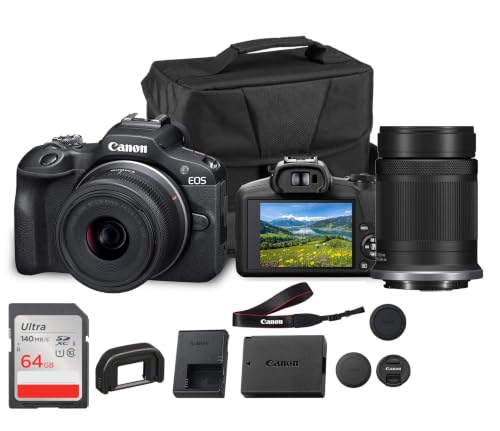

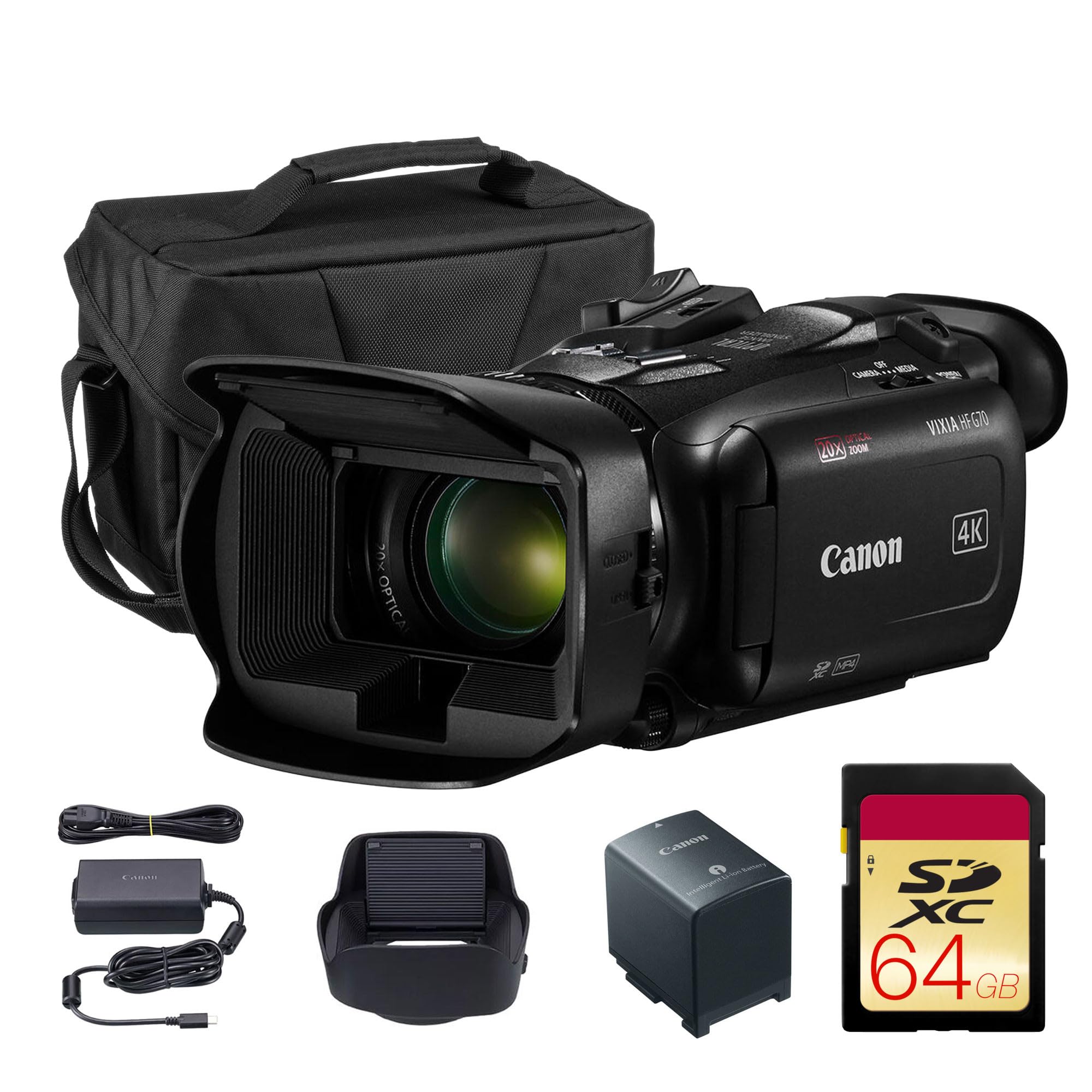
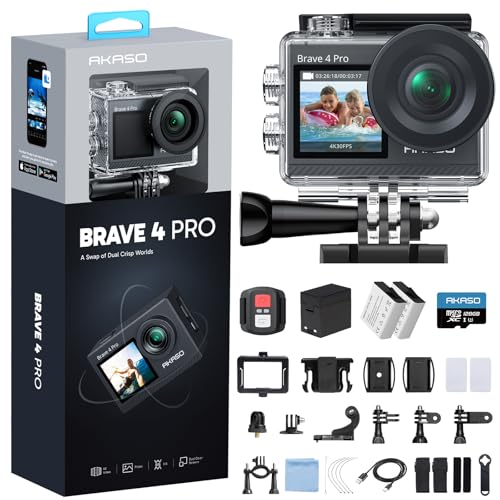
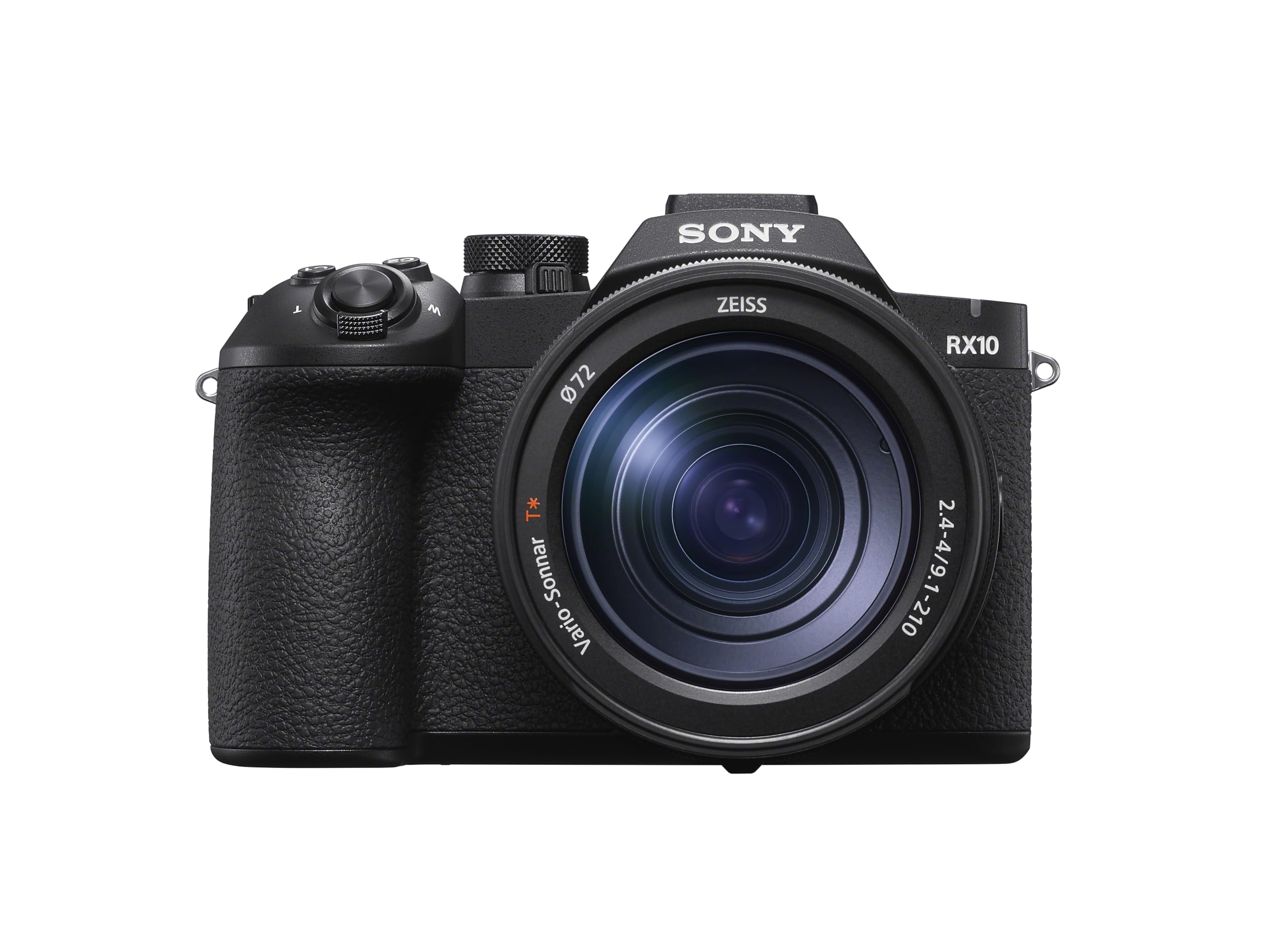
Key Features to Compare
The features below form a practical checklist. A strong sports recording camera does not need to lead on every point, but it should be solid on the three that matter most for your sport: focus tracking, zoom reach, and stamina.
Features That Matter for Recording Sports
Sports recording rewards speed above all else. Look for fast and reliable autofocus that can follow a moving player, a frame rate high enough to keep fast action smooth, and stabilization that steadies handheld footage. A camera that locks focus slowly will lose the moment, and one without useful stabilization will produce footage that is hard to watch.
Check whether the camera can record for a full match or practice session without overheating, and whether its controls are easy to reach while your eye stays on the action. For a broader look at sports shooting, see our guide to best sports cameras.
Sensor Size and Image Quality
Sensor size affects how clean your footage looks, especially under stadium lights or on overcast days. Larger sensors usually handle low light better and give a more pleasing sense of depth, while smaller sensors keep cameras lighter and cheaper. Do not judge image quality by megapixel count alone, since video uses only part of the sensor and processing matters just as much. For most sports recording, a mid sized sensor with good high ISO performance is a sensible balance, and clean footage at moderate sensitivity matters more than an extreme resolution figure.
Video Capabilities
For sports, 4K at 60 frames per second is a useful target because it keeps fast movement smooth and lets you slow a clip down later without heavy judder. Look for a microphone input so you can add a directional mic for commentary or crowd sound, and a flip screen if you film yourself or need to check framing from awkward angles. Some cameras offer log profiles that give more room to adjust color later, but they add editing work, so treat them as a bonus rather than a must have for a first sports camera. When general video features matter more than sport specific ones, see our guide to best recording cameras.
Lens and Zoom Range
Zoom reach decides whether you can fill the frame from the sideline or the stands. A short kit zoom is fine for close action such as a training drill, but field sports usually need a longer telephoto reach. Optical zoom preserves detail, while digital zoom crops the image and softens it, so compare optical figures only.
A wide maximum aperture helps in evening games, though it usually adds weight and cost. Think about the longest distance you will film from, and choose a zoom range that covers it without forcing you to rely on digital cropping. For stills focused coverage, see our guide to best cameras for sports photography.
Size, Weight, and Ergonomics
A sports camera spends long stretches in your hands or on a monopod, so comfort matters. A heavy body with a long lens can tire your arms during a full game, while a very small body can be hard to hold steady. Check the grip shape, the position of the record button, and whether you can change key settings without digging through menus. If you travel to away games, packed size and weight matter too, since the camera, spare batteries, and support gear all share one bag.
Battery Life and Charging
Nothing ends a recording session faster than a flat battery at halftime. Compare rated video recording times rather than still photo counts, and remember that cold weather, 4K recording, and constant autofocus all drain power faster. A camera that charges over USB C is handy on the road, since you can top it up from a power bank between games. Carry at least one spare battery, and test how long your own setup really lasts before an important match, because maker ratings assume gentle use.
Ease of Use for Your Skill Level
Good automatic modes let a beginner get usable footage right away, while manual controls reward a more experienced user who wants consistent exposure across a whole game. Look for reliable automatic exposure and white balance, plus a simple way to lock exposure when light changes across the field. App transfer is useful for sharing clips quickly after a game, but check that the app works smoothly with your phone before you rely on it.
A camera that is simple to run will capture more good moments than a complex one you fight with. For everyday camera choices beyond sports, see our guide to best digital cameras.
Spending Levels That Fit Different Filmmakers
Rather than naming individual products, it helps to think in spending bands. Each band suits a different kind of sports filmmaker, and the right choice depends on how often you film and how demanding your sport is.
A Sensible Starting Budget
A modest budget buys a capable camera for youth games, training sessions, and casual clips for family and friends. Expect solid autofocus, usable 4K video, and a basic zoom range, with some compromise on low light performance and build sealing. This band suits someone filming a few games a month who wants dependable footage without a large investment. Spend the saving on a spare battery and a memory card with fast write speeds.
The Capable All Rounder Band
Stepping up brings faster focus tracking, longer zoom reach, better stabilization, and stronger performance under lights. This band suits regular filmmakers who cover a full season, film several sports, or want footage good enough to edit into highlight reels. Weather sealing often appears here, which helps for outdoor games in rain or dust. If you film weekly, this is usually the band where extra money shows up most clearly in the finished video.
The Serious Season Long Investment
The highest band buys the fastest focus systems, the longest lenses, the best low light video, and bodies built for heavy use in all weather. It suits coaches, clubs, and dedicated creators who film several times a week and need reliable results in hard conditions. Before spending at this level, be sure your editing setup and storage can handle large 4K files, since better footage is only useful if you can store and edit it comfortably.
Quick Buyer Checklist
Run through these questions before you buy:
- Can the autofocus follow a player running across the frame without hunting?
- Does the zoom reach cover the farthest distance you will film from?
- Can it record a full game on one battery, or will you carry spares?
- Is the footage steady when you film handheld for several minutes?
- Does it handle evening games under lights without heavy noise?
- Is the camera comfortable to hold for a full match?
- Does it offer a microphone input if you want better sound?
- Can you transfer and store the video files easily after the game?
Red Flags to Watch For
Be wary of vague specifications that promise extreme zoom without saying whether it is optical or digital, and of listings that hide the sensor size or the real recording limits. Very short warranty terms, missing maker support details, and a flood of nearly identical short reviews can all signal a product to avoid. Also check for recording time limits and overheating reports, since a camera that stops mid game is little use for sports. If a listing cannot state its frame rates, battery life, and weather sealing clearly, treat that silence as a warning.
Choosing Cameras for Your Situation
Different sports place different demands on a camera. Indoor court sports need strong low light performance and fast focus in tight spaces, while outdoor field sports need long zoom reach and weather sealing. Water sports add splash resistance to the list, and motorsports need very fast focus and high frame rates. Match the camera to the sport you film most often, not to a generic list of impressive specifications.
Best Cameras for Recording Sports Technique: What to Check
Technique focused filming, such as reviewing a swing, a stride, or a throw, adds two specific needs beyond general game coverage. First, a high frame rate matters more than resolution, because slow motion reveals form that full speed footage hides. Second, a stable mounting point, such as a tripod or clamp, matters more than handheld comfort, since analysis footage must stay still enough to compare one repetition with the next. Choose a camera that records clean slow motion and pairs easily with a solid mount, and check that its focus stays locked on a single athlete rather than drifting to the background.
Care and Maintenance Tips
Clean the lens with a proper lens cloth, not your shirt, since fabric can drag grit across the glass and leave fine scratches. Carry a spare battery and keep it warm in cold weather, because cold saps charge quickly. Store the camera in a dry, padded bag between games, and wipe it down after rain or dusty matches. Check lens caps, card doors, and mount screws regularly, and format memory cards in the camera rather than on a computer to reduce file errors.
Frequently Asked Questions
What features matter most in cameras for recording sports?
Autofocus tracking, zoom reach, stabilization, and battery life matter most for sports recording. A camera that follows players smoothly, reaches across a field, steadies handheld shots, and lasts a full game will serve you better than one with a higher resolution but weak focus. Low light performance is the next priority, especially for evening games. Judge each feature by how it affects real footage, and test focus tracking on moving subjects rather than on still scenes before you commit.
What specs matter most for beginners?
Beginners should prioritize reliable automatic focus, simple controls, and good battery life over advanced manual features. Look for dependable automatic exposure, a zoom range that suits your usual filming distance, and a flip screen that helps you check framing. A camera that is easy to run will capture more good moments than a complex one. As your skills grow, manual exposure lock and microphone input become more valuable, so a camera that offers both paths gives you room to grow.
How much should I spend on my first one?
A first sports recording camera usually costs about $300 to $800, depending on the sport and how often you film. That band covers capable autofocus, usable 4K video, and a reasonable zoom range for youth and amateur games. Spending less can still work for short, well lit clips, but low light footage and focus tracking often suffer. Spending more makes sense once you film weekly, need longer zoom reach, or want footage good enough for edited highlight reels.
Is a smartphone enough instead?
A modern phone can record decent sports clips in good light, especially for short highlights shared quickly. Phones struggle with long zoom reach, sustained recording in heat, and focus tracking across a wide field, and their batteries drain fast during a full game. A dedicated camera also offers microphone inputs, better stabilization options, and interchangeable lenses for field sports. Use a phone for casual clips, and choose a dedicated camera when zoom, stamina, and consistent focus matter.
Which is better for low light?
A larger sensor with good high sensitivity performance usually gives cleaner low light video than a smaller sensor, even at the same resolution. A lens with a wide maximum aperture also helps, since it gathers more light before the sensor has to amplify the signal. For evening games, prioritize a camera that keeps noise low at moderate sensitivity settings rather than one that claims an extreme maximum sensitivity. Stable support and slower, smoother camera moves also help, since they reduce the blur that makes noisy footage look worse.
The Bottom Line
For most sports filmmakers, the best cameras for recording sports are the ones that track focus reliably, reach across the field, and keep recording for a full game. Start with your sport, your usual filming distance, and how often you film, then choose the spending band that fits those needs. Check the product table above against the checklist in this guide, and pick the camera you will actually enjoy carrying to every game.


