
Best Cameras for Retro Pictures in 2026: How to Choose the Look You Want
Disclosure: We may earn a commission when you buy through links on this page, at no extra cost to you. As an Amazon Associate I earn from qualifying purchases. Learn more

Compare cameras for retro pictures by film look, sensor, lens and manual controls, with a clear checklist for portraits, travel and everyday photos.
A retro picture is not just a modern photo with a filter added later. It has softer color, gentle contrast, visible grain and highlights that roll off without harsh edges. The best cameras for retro pictures create much of that character as you shoot, so you spend less time editing. Use the comparison table below to check color, controls and lenses.
Start by deciding how you want to work. Some cameras give you a finished look with almost no editing, while others give you clean files and full control later. Your choice depends on whether you shoot family moments, travel scenes or careful portraits, and on how much gear you want to carry.


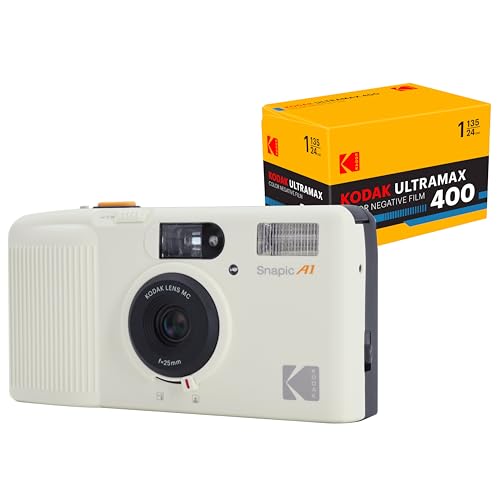
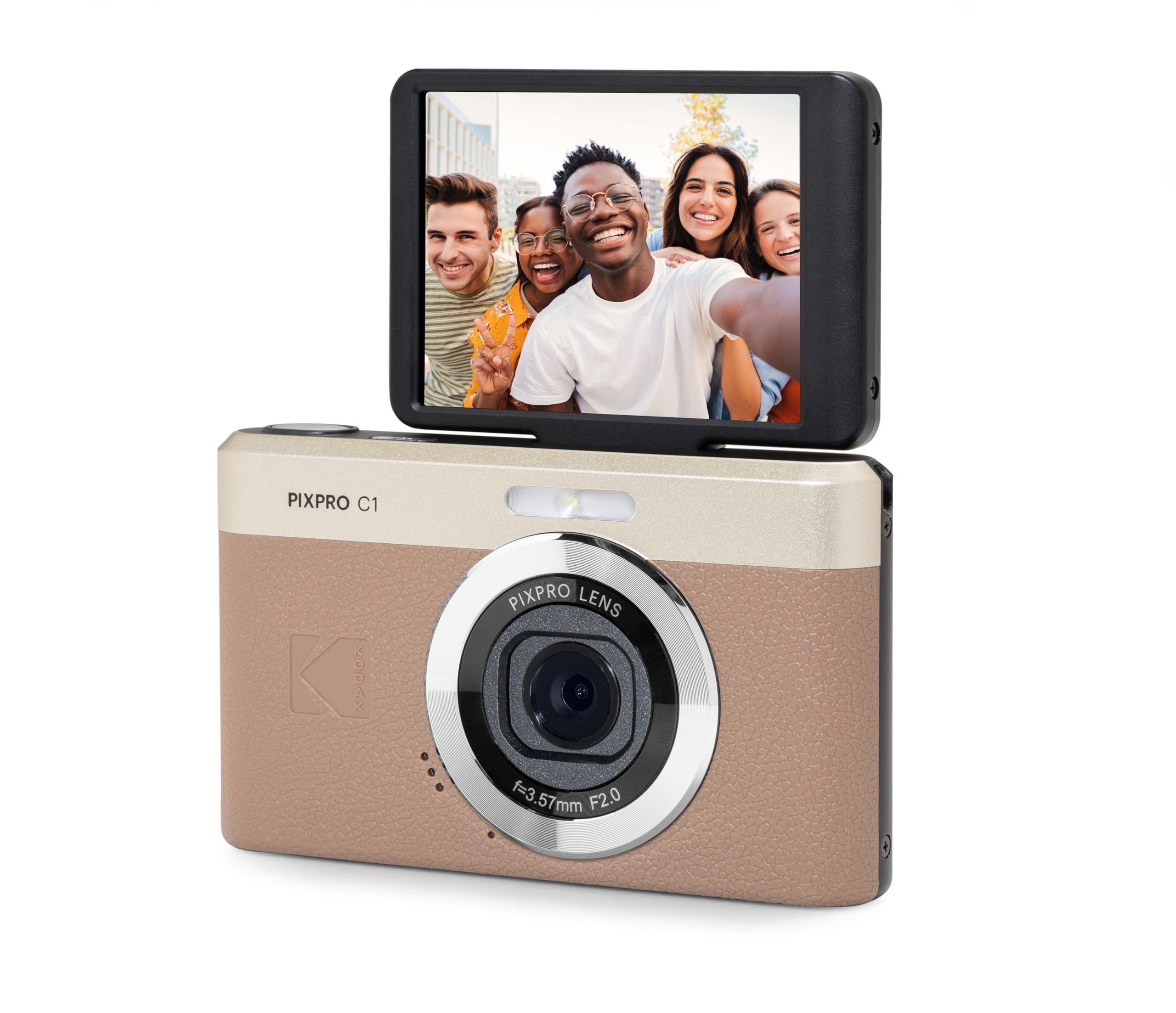
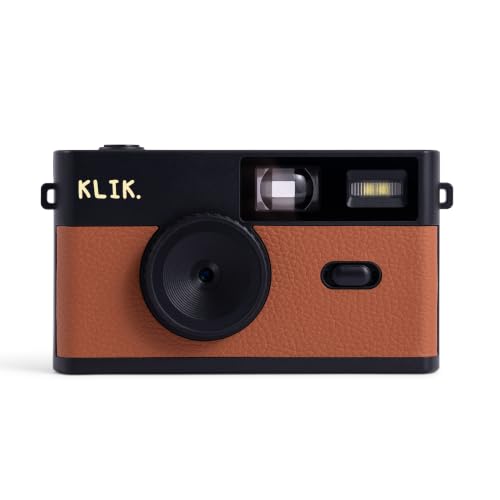
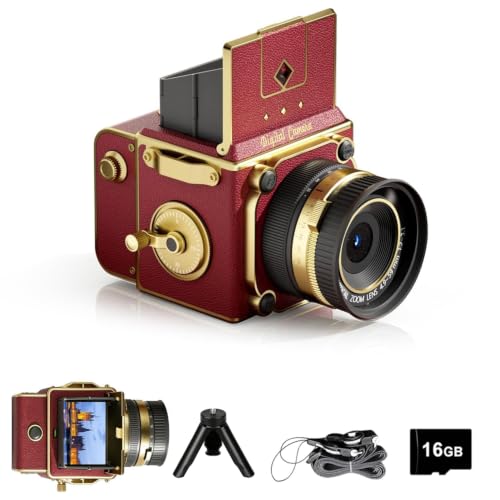
Who Should Buy Which Camera for Retro Pictures?
Match the camera to the way you take pictures. A body that feels inspiring at home can feel like a burden on a long walk.
Portrait and Family Photographers Who Love a Warm Look
You shoot birthdays, holidays and quiet moments at home, often indoors with people close to the camera. Choose gentle color profiles, a lens around 35 to 50 mm in full frame terms, and an aperture around f1.8 to f2.8 for soft backgrounds. Reliable face and eye autofocus matters because children rarely hold a pose.
Travel and Street Photographers Who Shoot as They Go
You walk for hours, shoot in changing light and need a camera ready in seconds. Choose a compact body you will carry daily, a fixed lens or a small zoom, and dials you can change without lowering the camera. Weather sealing helps in light rain, and a quiet shutter keeps candid moments relaxed. If this deliberate style appeals to you, see our guide to the best retro cameras for bodies built around that handling.
New Buyers Who Want the Look Without Heavy Editing
You want pleasing photos straight from the camera, shared the same day with little work on a computer. Choose strong in camera color recipes, clear auto modes and easy phone transfer. A fixed lens model removes lens decisions and keeps the kit small. Spend on look and handling first, because extra resolution adds cost without making a casual photo feel more retro.
Key Features to Compare
When you shop for best cameras for retro pictures, judge the look first and the spec sheet second. A long feature list cannot fix color you dislike or controls you avoid using. Test sample images at the settings you plan to use most.
Film Simulations, Color and Grain Controls
Film simulations are color recipes built into the camera that shape hue, contrast and saturation before you edit anything. Look for recipes with muted greens, warm skin tones and soft highlight handling, plus a grain setting you can adjust in strength and size. Preview the look through the viewfinder if you can, because seeing the effect while you compose changes the exposures you choose.
Sensor Size, Dynamic Range and Low Light Results
Sensor size shapes depth of field, grain texture and how clean shadows look when you lift them later. A 1 inch sensor suits a pocket camera, APS C balances size and quality for most buyers, and full frame gives the shallowest focus and the cleanest files at high ISO settings. Around 20 to 26 megapixels is plenty for large prints, and dynamic range matters more for scenes that mix bright windows with dark interiors.
Lenses, Focal Length and Aperture
The lens does more for a retro feel than the body alone. Prime lenses with apertures around f1.4 to f2.8 give soft backgrounds and a gentle falloff at the edges that suits portraits. Focal lengths around 28 to 35 mm suit travel and rooms, while 50 mm suits closer portraits. A standard zoom with optical zoom around 24 to 70 mm covers most days, though it will usually have a smaller maximum aperture.
Manual Dials and Handling That Slow You Down
Dedicated dials for shutter speed, aperture, ISO and exposure compensation change how you shoot, not only how the camera looks. You can set exposure before you raise the camera and adjust by feel while you watch the scene. That slower pace suits the retro approach, where you compose carefully and shoot fewer frames.
Autofocus, Stabilization and Viewfinder Choice
Modern autofocus helps even a deliberate style, especially for moving children, pets and street subjects. Look for face and eye detection that holds focus as a subject turns. Image stabilization in the body or lens lets you hand hold at slower shutter speeds for interiors and dusk scenes. An electronic viewfinder shows your color recipe before you shoot, while an optical finder gives a direct view but no preview.
Types of Cameras for a Retro Look
Four types can deliver retro pictures, and each asks something different from you in cost, effort and editing.
Instant Cameras for Prints You Can Hand Over
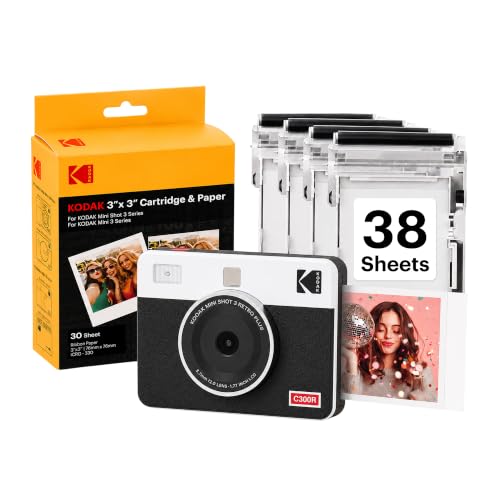
Instant cameras print a small photo seconds after you press the shutter, and the soft color and slight unpredictability are part of the charm. They suit parties and gatherings where a physical print matters more than detail. Film cost per shot adds up, so plan each frame. If prints are your main goal, see our guide to the best instant picture cameras for formats and film costs compared.
Compact Digital Cameras With Built In Recipes
A compact digital camera with a fixed lens is the simplest route for daily retro photos. You get film style recipes, a pocketable body and no lens kit to manage. Most use a 1 inch or APS C sensor, which keeps low light results respectable for their size. For a broader look at everyday models, see our guide to the best digital cameras and note which ones offer strong color recipes.
Mirrorless Bodies With Swappable Lenses
Mirrorless cameras give you the widest choice of lenses, sensors and price levels, from APS C travel kits to full frame portrait setups. Many retro styled bodies pair modern autofocus and 4K video with classic dials and film style color. The cost is a larger kit and more decisions. If you are still learning framing and everyday shooting, see our guide to the best cameras for pictures for a simpler starting point.
Film Cameras for a Fully Analog Workflow
A film camera creates the look at the source, with real grain set by the film stock you load. You get no instant review, a limited number of frames per roll and ongoing costs for film and developing. Check that any used body has working light seals, accurate shutter speeds and a clean lens, because repair costs can exceed the price of the camera.
Common Mistakes to Avoid
Most disappointing purchases come from judging the look on bright sample photos instead of checking the workflow you will live with.
- Buying on body style alone leaves you with color you dislike and editing work on every photo.
- Adding a strong grain setting at capture removes detail you cannot recover later.
- Choosing a fast, costly lens you rarely carry wastes money and leaves the camera at home.
- Shooting only in auto mode wastes the manual dials you paid for and gives inconsistent color.
- Ignoring film, battery and lens costs makes the true price of the camera much higher than the body price.
- Expecting a retro recipe to fix poor light leaves portraits with harsh shadows and dull skin tones.
Looking After a Retro Styled Body
Use a lens cloth, not your shirt, to clean the front element, because shirt fabric can hold grit that scratches coatings. Keep a spare battery charged and rotate it with the main one, and store the camera in a dry, padded bag away from direct sun. Remove the battery during long storage.
Update firmware when the maker releases autofocus or color improvements, and follow the steps fully so the update is not interrupted. Clean contacts and dials with a dry brush, and check the strap lugs for wear.
Frequently Asked Questions
What features matter most in cameras for retro pictures?
Color recipes and lens character matter most, because they set the look before any editing begins. After that, check how the camera handles highlights, since clipped highlights are hard to make feel soft later. A practical extra is saving custom recipe slots, so you can switch between a warm portrait look and a faded street look without digging through menus.
How much should a beginner spend on a first camera for retro pictures?
A beginner should plan about $300 to $800 for a capable compact or entry mirrorless kit, including a card and a spare battery. Spending more mainly buys a larger sensor and faster lenses, not a more authentic look. Leave part of the budget for printing, because how you share the photos shapes how retro they feel day to day.
Which camera type is better for retro pictures in low light?
A mirrorless camera with an APS C or full frame sensor is better in low light, because its larger sensor and fast prime lens gather more light with less noise. Choose a lens around f1.8 and use stabilization for still subjects. Instant cameras can still work at parties, but expect brighter flash and stronger grain in dim rooms.
Is a smartphone enough for retro pictures instead of a dedicated camera?
A smartphone is enough for casual retro pictures, especially with a good film style app and careful light. A dedicated camera earns its place when you want lens based depth, reliable dials and consistent color across a whole set, such as a wedding album.
Do cameras for retro pictures need RAW files, or is JPEG enough?
JPEG is enough if you love the in camera recipe, because the color, grain and contrast are already finished in the file. RAW helps when a scene has tricky mixed light and you want to rescue white balance without breaking the look. A middle path is shooting RAW plus JPEG for important events.
Our Verdict
Choose the camera whose color, lens and controls make you want to shoot more often. For most readers, a compact or APS C mirrorless camera with strong film recipes and dials you will actually use is the sweet spot. Check your shortlist in the product table above.
With light, lens and recipe working together, the best cameras for retro pictures give you photos that feel warm and personal at once.


