Best Cameras for Real Estate Photos: Types Compared and How to Choose for 2026
Disclosure: We may earn a commission when you buy through links on this page, at no extra cost to you. As an Amazon Associate I earn from qualifying purchases. Learn more

Compare types of cameras for real estate photos by width, light and budget, with lens and support guidance to choose a setup for small and large rooms.
Listing rooms punish the wrong camera class quickly. A tight bathroom, a bright living room and a dim hallway each ask for something different, and the best cameras for real estate photos are the ones whose lens, sensor and controls match that mix. Shoppers often compare body prices alone and miss the lens and support costs that decide the result.
This guide compares camera types first, in the order the work presents them. Width comes before sharpness, vertical lines come before clever modes, and budget comes last. Read the type sections, check the comparison table below, then use the choice sections to narrow your short list to one class.



Types of Cameras Compared
Four camera classes cover almost every listing job, and they differ most in lens choice, sensor size and how much control you keep. The table sums up the trade in plain terms. The sections after it explain how each class behaves in real rooms, where window light, mixed bulbs and tight corners expose weak points fast.
| Type | Best For | Pros | Cons | Typical Price |
|---|---|---|---|---|
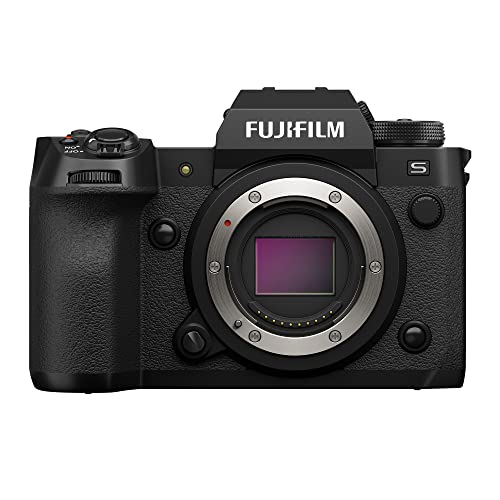
| Mirrorless with a wide lens | Most listings and agents | Changeable lenses, strong video, compact bodies | Lens costs add up | about $700 to $2,500 |
| DSLR | Buyers who value optical viewing | Long battery life, wide used lens choice | Bulkier bodies, weaker live video focus | about $600 to $2,000 |
| Point and shoot compacts | Small flats and quick visits | Simple controls, pocket size, low cost | Fixed lens, weaker low light results | about $250 to $700 |
| Action cameras | Very tight rooms and video walks | Very wide view, tough bodies | Curved edges, limited still control | about $250 to $500 |
Mirrorless Cameras With Wide Lenses
Stated plainly, a room is a width problem. The wide lens class decides what fits in the frame, and no sensor upgrade can rescue a view that crops out the walls that give a space its shape. Mirrorless bodies accept wide lenses in the range of about 14 to 24 mm on a full frame sensor, or about 10 to 18 mm on a cropped sensor, so a normal living room can be shown from one corner without stepping into the garden.
This class also gives you a live view on the rear screen, which makes level framing easier to judge before you press the shutter. Bodies cost more than compacts, and the wide lens is a second purchase, so price the pair together. For most agents and keen sellers, this is the class that grows with the work.
DSLR Cameras and the Vertical Line Habit
Walls lean in a careless frame, so a support class and a level habit are part of the kit, not extra purchases. A DSLR held high or tilted down will bend door frames at the edges, while the same body on a tripod, kept level at about chest height, holds vertical lines straight. The optical viewfinder helps in bright sun, yet the rear screen is the honest tool for checking lines indoors.
DSLR bodies bring long battery life and a deep pool of wide lenses, including older glass that costs less. The trade is size and video focus that trails mirrorless rivals. If you already own suitable lenses, this class can be the cheapest route to a wide, level and repeatable listing set.
Point and Shoot Compacts
Point and shoot compacts fix the lens to the body, so what you carry is what you get. Better examples start wide, at the equal of about 24 mm, carry a 1 inch sensor and record raw files, which gives you room to lift shadows in a dark corner. Lesser examples start too narrow for small rooms and lean hard on digital zoom, which softens detail.
The appeal is speed. You can walk a small flat in minutes, with no lens swaps and little menu work, and the camera fits a coat pocket between visits. The limit is growth, because a fixed lens and a small sensor cap low light quality. Choose this class for volume, simplicity and small spaces rather than for large or prestige homes.
Action Cameras
Action cameras use a very wide fixed lens that takes in tight bathrooms and narrow halls where other classes cannot step back far enough. That width comes with curved edges, so sofas near the frame edge can bow and door lines can swell. A linear or narrow field setting reduces the effect, at the cost of some of the width you bought the camera for.
Stills control is limited, flash options are poor and small sensors struggle once daylight fades. Used with care, this class suits video walks and tiny rooms as a second camera. Used as the only camera for a whole home, it asks the buyer to trust a distorted record, which is the opposite of what listing pictures should do.
Mirrorless vs Point and Shoot Compacts: Which Should You Choose?
Start with room size. Mirrorless bodies with a wide lens fit large, odd shaped and high value rooms where a compact runs out of width, while compacts handle small flats and routine rentals where speed matters more than reach. Next compare light, because the larger mirrorless sensor holds cleaner files at high ISO settings when curtains stay closed.
Then compare control and cost. Mirrorless systems let you set exposure brackets for window scenes, swap lenses and add a flash later, and that flexibility raises the starting price. Compacts cost about $250 to $700 all in, with nothing else to buy. Choose mirrorless for growth and quality, and choose a compact for simple, fast and repeatable work in modest spaces.
If listing video grows in importance, readers comparing the wider moving image route can also see our guide to best cameras for real estate videography for the sibling discipline.
How to Choose the Right Camera
Choosing well means ranking five factors against your rooms, not chasing the longest spec list. Work through each factor below, note the point where your own listings start to fail, and let that failure point set your budget. A camera that solves your hardest room will handle your easy rooms without effort.
Features That Matter for Real Estate Photos
Real estate work rewards width, dynamic range and exposure bracketing above almost everything else. Look for a lens or zoom that starts at the equal of about 24 mm or wider, raw file capture, and a bracket mode that takes three or five frames at different exposures for window scenes. A tilting screen helps with low and high angles, and a hot shoe lets you add light later.
Treat headline megapixels as a minor point. Listing portals compress files, and clients view them on phones, so a clean 20 megapixel file beats a noisy 40 megapixel file in most rooms. Readers who want the broader stills discipline behind these choices can see our guide to best cameras for real estate photography.
Low Light Performance
Interiors mix weak window light with warm bulbs, and that mix tests a sensor more than brightness alone. Larger sensors and wider apertures, such as f2.8 or wider on a wide lens, keep ISO lower and files cleaner. In body stabilization also helps when you work without a tripod in a dim hall, though a support remains the safer answer.
Judge low light claims by the lens and sensor pairing, not by the maximum ISO number on a box. A compact that reaches a very high ISO may still produce smeared detail, while a larger sensor at a moderate setting keeps wood grain and fabric texture. Test any short listed class in the darkest room you shoot often.
Ease of Use for Your Skill Level
Auto modes on current bodies judge most plain rooms well, and scene modes can rescue a rushed visit. What matters more is how fast you can set brackets, check a histogram and send a preview, because listing days are timed. App transfer to a phone helps when an agent needs one hero image sent ahead of the full set.
Be honest about the learning you will actually do. A simpler compact used with a tripod and a level will beat a complex body left on full auto and tilted. If you plan to learn manual exposure, choose dials you can reach without menus. If you will not, spend on width and light instead of on controls you will never touch.
Sensor Size and Image Quality
Sensor size shapes depth, noise and lens choice. A 1 inch sensor in a good compact is a clear step above a phone in dark rooms, an APS C sensor widens the lens pool and lifts shadow detail, and a full frame sensor gives the cleanest files and the widest true lens options. Each step costs more and adds weight.
Megapixels are not the whole story, because pixel size and lens quality decide how much detail survives in corners. Wide lenses stretch corner detail on any sensor, so a sharp lens on a smaller sensor can beat a poor lens on a larger one. Match the sensor to your largest and darkest listings, not to your brightest show home.
Autofocus and Stabilization
Rooms do not move, so autofocus speed matters less here than focus accuracy and repeat placement. Touch focus on a rear screen lets you set the point on a far wall, and focus peaking helps with manual wide lenses. Eye AF, so useful for portraits, plays only a small part in empty rooms, though it helps when an agent steps into a frame.
Stabilization matters more. In body image stabilization steadies handheld frames at slow shutter speeds, and a tripod removes the problem entirely for stills. For moving shots, stabilization in the lens or body smooths small steps, while larger shakes need a gimbal. That moving image side is covered in our guide to best cameras for real estate video for readers whose listings lead with film.
Picking the Right Cameras for Different Uses
Two use cases bend the general advice in specific directions. Smooth moving footage rewards stabilization above sensor size, while the question of which type simply works best rewards width, light and a calm workflow. Treat each case below as a filter on the classes already compared, not as a separate shopping list.
Best Cameras for Real Estate Photos Stabilizer Video
Smooth walk footage depends on how shake is removed, so judge this use by stabilization first. In body stabilization plus a wide lens handles slow, careful steps, while a small gimbal gives the calmest result on stairs and turns. Look for 4K video, a screen you can watch while moving, and focus that does not hunt when you pass a bright window. Action cameras smooth well but bend lines, so mirrorless bodies on a gimbal suit most homes better.
Best Cameras to Use for Real Estate Photos: Which Type Works Best
For stills that must simply work, the deciding points are a wide starting lens, brackets for windows and a level support. Mirrorless bodies meet all three with the least compromise, which is why they anchor most kits. Compacts work when rooms are small and time is short, and DSLR bodies work when you already own wide glass. Judge any class by a full test set in one real home before you commit.
Tips to Get the Most From Your Camera
Small habits protect both the camera and the record it makes. Use a lens cloth, not your shirt, because grit on fabric can mark a front element. Carry a spare battery and a spare card, since a flat battery in the last room costs a second visit. Store the kit in a dry, padded bag, and keep it out of a hot car between appointments.
Clean the sensor only with the tools and care the maker allows, and check for dust spots on pale ceilings after each shoot. Straighten and crop in editing with restraint, because heavy correction throws away width. For a shorter version of this advice, see our guide to best cameras for real estate pictures. Finally, keep a shot list for each room so no listing misses its key angle.
FAQ: Frequently Asked Questions
What features matter most in cameras for real estate photos?
Width, dynamic range and bracketing matter most. A lens that starts at the equal of about 24 mm or wider fits whole rooms, raw files hold window and shadow detail together, and bracketed frames give editing software the range a bright view demands. Add a tilting screen and a tripod thread, then stop chasing longer zoom numbers that listing work rarely uses indoors at all.
Which camera type is better for low light rooms?
A mirrorless or DSLR body with a larger sensor is better for low light rooms. Its bigger pixels gather more light at moderate ISO settings, so files stay clean when curtains are drawn and bulbs are weak. A compact can cope in small, evenly lit rooms, but its files soften sooner. Whichever class you choose, a tripod lets you lower the shutter speed instead of raising ISO.
How much should I spend on my first listing camera?
Spend enough to cover the lens and support, not just the body. A sensible first kit sits at about $700 to $1,500, split across a used or entry body, a wide lens and a steady tripod, while a good compact kit can start at about $300 to $600. Remember the outcome limit as well, because a camera improves the record of a room and never promises a sale, a price or a viewing on its own.
Is a smartphone enough instead of a dedicated camera?
A current smartphone is enough for small, bright and routine listings. Its wide mode, quick sharing and simple brackets cover simple rooms well, and many portals compress files to phone size anyway. It falls short in dark rooms, in large spaces that need a true wide lens, and when you need raw files with calm vertical lines. Treat it as a starting tool, then upgrade when paid work exposes those limits.
What specs matter most for beginners shooting homes?
A wide starting lens, raw capture and a clear auto bracket mode matter most for beginners. Those three specs solve the common early failures of cropped rooms, blown windows and missed exposures without demanding manual skill on day one. A simple level display in the screen also helps more than extra megapixels. Readers starting from the broader topic can see our guide to best cameras for real estate as a starting point.
The Bottom Line
Choose by width first, by vertical control second and by low light strength third, and most listings will look calm and honest. Mirrorless bodies with a wide lens suit most buyers, compacts suit small and fast jobs, and any class improves with a tripod and a level habit. Compare your short list against the product table above before you spend.
Keep the promise of the purchase in proportion. The best cameras for real estate photos give you a faithful, bright and level record of each room, ready for the listing page. Pick the class that fits your hardest room, price the lens and support with the body, and let steady craft do the rest.