Best 3D Cameras for Real Estate in 2026: Which One Fits the Way You Use It?
Disclosure: We may earn a commission when you buy through links on this page, at no extra cost to you. As an Amazon Associate I earn from qualifying purchases. Learn more

Compare 3D cameras for real estate by depth accuracy, HDR, capture speed and tour software so you choose the right setup for listings and floor plans.
There is no single camera that suits every listing, because a small condo and a large family home place very different demands on a virtual tour. The best 3d cameras for real estate for you depends on how many homes you scan each week, how accurate your measurements must be, and how clients will view the finished tour.
Start with your use case, not with a headline specification. An agent who scans one listing a month needs simple controls and low running costs, while a busy photographer needs speed and dependable depth data. Use the product table to match each camera type to your workload and the deliverables your clients expect.




Who Should Buy Which 3D Cameras for Real Estate Tours?
Your shooting volume and your deliverables should decide the category first. Each group below should weight depth accuracy, speed and platform costs differently.
For Listing Agents Who Scan Their Own Homes
You need a camera that sets up in minutes, pairs easily with a phone app and produces a shareable tour without a long editing session. A 360 camera on a small tripod usually fits best, because capture is forgiving and the learning curve is short. Prioritize clear app guidance, automatic stitching and simple link sharing. Agents who also shoot flat listing photos can compare options in our guide to the best cameras for real estate.
For Real Estate Photographers Who Shoot Every Day
Daily work rewards capture speed, consistent depth data and a battery that lasts through several homes. A dedicated depth scanning camera earns its higher price when clients pay for floor plans and measurements on a deadline. Prioritize fast room capture and reliable performance in dim interiors. If still photos remain your main paid product, see our guide to the best cameras for real estate photography for that separate workflow.
For Brokerages and Teams Standardizing Tours
A team needs every operator to produce the same result, so consistency matters more than clever extra modes. Choose one camera type, one tripod height and one tour platform, then train everyone on the same scan routine. Prioritize user permissions, shared folders, branding controls and predictable hosting costs per listing.
Key Features to Compare
When you compare the best 3d cameras for real estate side by side, judge each feature by what happens inside a home. Bright windows, narrow halls, mirrors and low ceilings expose weaknesses that a studio test never shows.
Depth Accuracy and Floor Plan Measurements
Depth data turns a set of panoramic images into a true 3D tour with room dimensions and a floor plan. Cameras that sense depth directly, using structured light or LiDAR, usually measure walls and openings more reliably than cameras that estimate distance from images alone. Check the stated measurement tolerance and whether floor plans cost extra per order. If clients will renovate or measure for appliances from your tour, pay for the more accurate system.
Sensor Size and Interior Image Quality
A larger sensor gathers more light and usually holds cleaner detail in shadow areas, which matters in bedrooms, basements and halls with small windows. Resolution still counts, because viewers zoom into kitchens and finishes, but a very high megapixel count on a tiny sensor can look noisy indoors. Look for sample tours shot in ordinary homes, not only in bright showrooms.
HDR and Low Light Handling in Real Homes
Interiors mix dim corners with sunlit windows in a single view, so the camera must balance both without blowing out the glass or crushing the furniture into darkness. Strong HDR merges several exposures at each scan point and keeps outdoor views visible through windows, a detail buyers love. Ask how many brackets the camera captures and whether processing happens in the app or in the cloud. Slower cloud processing can delay same day delivery.
Capture Speed and Battery Life on Site
Every scan point takes time, and a three bedroom home may need 25 to 40 points for smooth movement between rooms. A camera that captures and aligns each point quickly can cut a full property visit by many minutes. Battery life matters just as much, because a flat battery mid scan can break alignment and force a restart. Look for swappable batteries or USB charging if you plan back to back appointments.
Tour Platform, Hosting and File Delivery
The camera is only half of the system, because the tour lives on a hosting platform that charges by plan or by active model. Check what each plan includes before you buy, such as floor plan generation, measurement tools and embed codes for listing pages. Confirm that clients can view tours on phones without installing an app. Excellent hardware becomes poor value if platform fees erase your margin on every listing.
Three Types of 3D Capture and When Each Fits
360 cameras use two or more lenses to record a full sphere at each point, and software builds the tour from those panoramas. They cost the least, travel light and suit agents who value speed and simplicity, but their depth is estimated, so measurements are approximate. Some platforms let you pull still images from scans, but dedicated stills still matter, and our guide to the best cameras for real estate photos explains that choice.
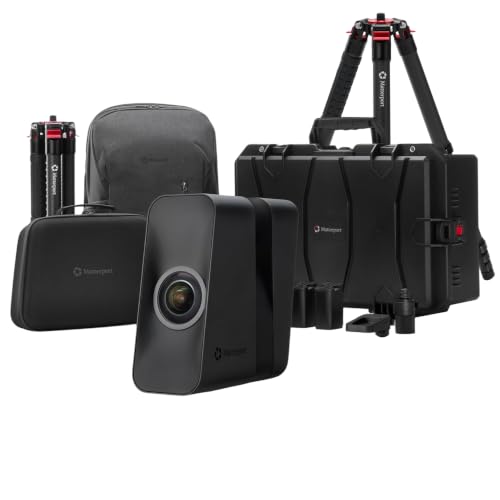
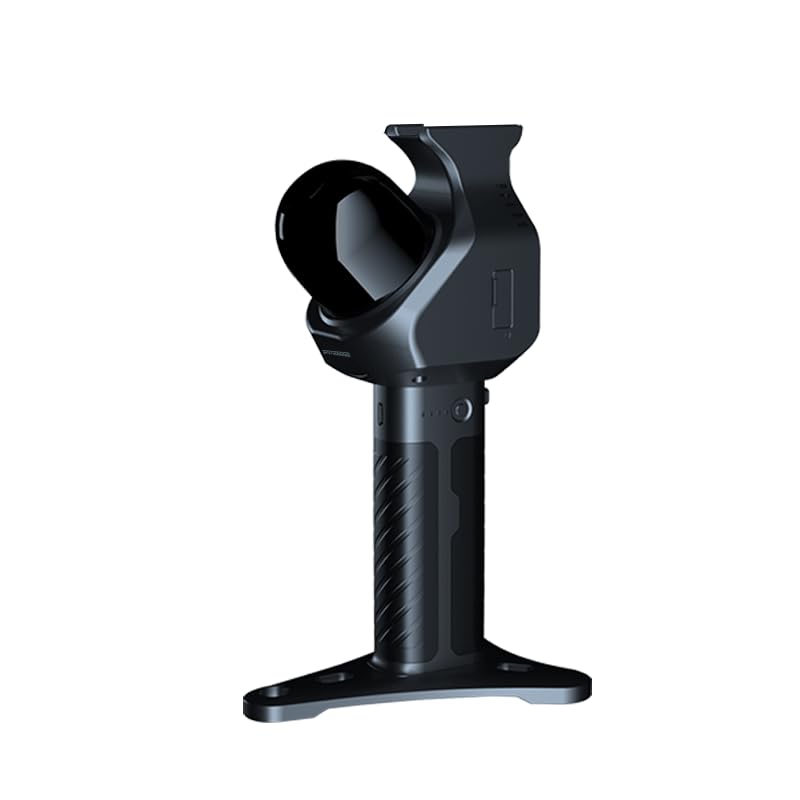
Dedicated depth scanning cameras combine cameras with depth sensors and motorized rotation, capturing precise spatial data at each point. They produce the most trustworthy floor plans and a smooth dollhouse style view of the whole property. The tradeoffs are higher purchase cost, larger size and platform fees. This type fits photographers and teams who sell tours and floor plans as a paid service rather than as an occasional extra.
LiDAR equipped phones and tablets sit between the two, scanning rooms directly into compatible apps at low added cost if you already own the device. They handle small homes and single room updates well. Accuracy and image quality usually trail dedicated cameras, especially in large or dim spaces. If smooth video tours are a separate paid service for you, see our guide to the best cameras for real estate videography.
Common Mistakes to Avoid
Most disappointing tours come from buying and scanning habits, not from the camera alone.
- Choosing by headline resolution alone, because weak depth data still produces tours where walls feel bent and room sizes mislead buyers.
- Scanning with interior doors closed, because the tour then lacks clear paths between rooms and viewers cannot move through the home smoothly.
- Placing scan points too close to walls or furniture, because nearby objects distort and block the view into the rest of the room.
- Ignoring monthly hosting and floor plan fees, because those running costs can exceed the camera saving within the first year of regular use.
- Skipping a short test scan in a dim room, because noise and poor exposure only become obvious after you have left the property.
Care and Maintenance
Clean both lenses before every property with a soft lens cloth, not your shirt, because a single smear repeats in every panorama from that scan point. Inspect the lens surfaces under a bright light at home, where dust and fingerprints are easier to see. Store the camera in a dry, padded bag with the lens cover fitted, away from cleaning sprays and construction dust at vacant listings.
Carry a spare battery and charge everything the night before a booking. Update the camera firmware and the capture app together, then run a short test scan at home to confirm they still pair correctly. Check tripod leg locks monthly, because a slow tilt during rotation can ruin alignment across a whole floor.
3D Cameras for Real Estate: Your Questions Answered
What features matter most in a 3D camera for real estate tours?
Depth accuracy, HDR and a dependable tour platform matter most for real estate tours. Beyond the body sections, check how the finished tour presents on a listing page, because a dollhouse view and a guided highlight path help out of area buyers grasp the layout before they book a visit.
How much should I spend on a first 3D camera for real estate listings?
Most first time buyers should plan about $300 to $800 for a capable 360 camera setup, or about $1,500 and up for dedicated depth scanning gear. Set aside part of that budget for a sturdy tripod, a padded case and your first months of hosting, because those items are required from day one. Renting a camera for two listings is a sensible way to confirm your clients value tours before you commit.
Is a smartphone enough instead of a 3D camera for real estate listings?
A recent smartphone is enough for small condos, rental listings and quick previews where approximate measurements are acceptable. Its limits show in larger homes, where stitching errors, weaker low light results and slower capture make the tour feel rough. If tours become a regular paid offer, a dedicated camera quickly looks more professional.
How do 3D cameras for real estate handle bright windows and dim rooms?
They handle the contrast by merging several exposures at each scan point, but your timing still shapes the result. Scanning in mid morning or mid afternoon, with blinds half open, softens the gap between window light and interior shade. Turn on every room light before you start and keep that lighting consistent for the whole property. Changing light between scan points creates visible jumps as viewers move through the home.
What should beginners check before a first paid 3D scan for a client?
Beginners should walk the property first and plan scan points, mirror angles and closed cupboards before placing the tripod. Mirrors and glass doors can catch your reflection and the camera itself, so note where to stand out of view during each capture. Ask the seller to secure valuables and personal documents, because a published tour shows far more detail than listing photos. Confirm the delivery date in writing.
Our Verdict
Match the camera to your workload first, then compare depth accuracy, HDR and platform costs. Agents scanning occasional listings do well with a simple 360 setup, while photographers selling floor plans should invest in dedicated depth capture. Whichever route you choose, the best 3d cameras for real estate are the ones your clients can open, explore and trust without friction. Compare your shortlist in the product table above before you order.