Best Cameras for Picture Quality in 2026: Which Type Is Right for You?
Disclosure: We may earn a commission when you buy through links on this page, at no extra cost to you. As an Amazon Associate I earn from qualifying purchases. Learn more

Compare camera types side by side and learn which sensor, lens, and stabilization features matter most for photos that fit your space and budget.
Shopping for best cameras for picture quality can feel confusing, because every type promises sharper photos and better color. The truth is simpler: picture quality comes from a mix of sensor size, lens quality, focus, and stabilization, and different camera types balance those factors in different ways. This guide compares the main types side by side, so you can see the comparison table below and match a type to the photos you actually take.
A camera that shines for travel snapshots may disappoint for large prints, and a camera built for action may trade fine detail for toughness. Before you spend, it helps to know which features change your photos and which ones only sound impressive. The sections below walk through each type, the specs that matter, and the mistakes that lead buyers to the wrong choice.






Types of Cameras Compared
The table below gives a quick view of the main types, but the details matter. Each type below explains how it works, where it performs well, and who it suits best. Read the type descriptions with your own shooting habits in mind, not with a wish list of specs.
| Type | Best For | Pros | Cons | Typical Price |
|---|---|---|---|---|
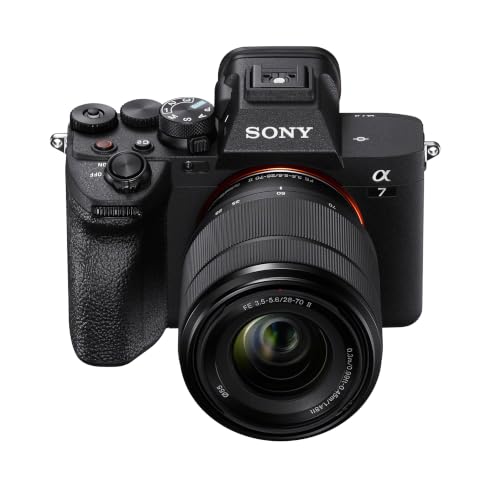
| Mirrorless cameras | Large prints and creative control | Large sensors, lens choice | Higher cost, larger size | About $500 to $2,000 |
| Action cameras | Sports and outdoor video and photos | Small, tough, wide view | Smaller sensor, limited zoom | About $200 to $500 |
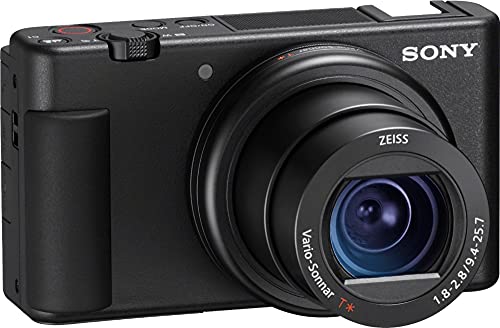
| Compact travel cameras | Everyday carry and trips | Pocket size, simple use | Less lens choice, smaller sensor | About $300 to $800 |
| Point and shoot compacts | Simple family photos | Easy controls, low price | Basic low light results | About $150 to $400 |
Mirrorless Cameras
Mirrorless cameras use an electronic viewfinder or rear screen instead of a mirror box, which keeps the body smaller than older interchangeable lens designs while keeping a large sensor. The large sensor gathers more light, which helps in dim rooms and at dusk, and it gives smoother background blur when you want a subject to stand out. You can change lenses, so one body can cover wide landscapes, portraits, and distant subjects with the right glass. The tradeoff is cost and bulk: lenses add weight and expense, and learning manual controls takes time. Choose this type if you print large, shoot in low light often, or want room to grow your skills.
Action Cameras
Action cameras are small, rugged cameras built to ride on helmets, bikes, and boats, and they record wide angle photos and video in rough conditions. Their strength is toughness and portability, not fine detail at large print sizes, because the small sensor and fixed wide lens limit how much light and zoom they can offer. Image stabilization is usually strong, which keeps moving footage smooth, and waterproofing means rain and splashes are less of a worry. Choose this type if your photos happen during sports, water, and travel adventures where a larger camera would stay in the bag. For still portraits and large prints, another type will serve you better.
Compact Travel Cameras
Compact travel cameras sit between pocket simplicity and serious image quality, with a zoom lens and a sensor larger than a phone sensor in many models. They slip into a jacket pocket, start fast, and handle street scenes, markets, and landscapes without lens changes. The fixed lens limits how far you can reach and how wide you can go, and low light results vary widely between models, so check sensor size and aperture before you buy. Choose this type if you want better photos than a phone without carrying a bag of lenses. It suits travelers who value speed and portability over full creative control.
Point and Shoot Compacts
Point and shoot compacts are the simplest cameras here, with automatic modes that handle exposure, focus, and flash for you. They work well for birthdays, holidays, and everyday family photos where ease matters more than fine control. Image quality is solid in good light, but small sensors struggle indoors and at night, and zoom range is usually modest. Some models add a longer zoom or a larger sensor, which lifts results without adding complexity. Choose this type if you want a camera anyone in the family can pick up and use, and if most of your photos happen in daylight or well lit rooms.
Mirrorless Cameras vs Action Cameras: Which Should You Choose?
Compare these two types across five points: sensor size, lens choice, low light, toughness, and portability. Mirrorless cameras win on sensor size, lens choice, and low light, because a larger sensor and a faster lens capture more detail with less noise. Action cameras win on toughness and portability, because they survive drops, water, and rough handling that would sideline a larger camera. For picture quality alone, mirrorless is the stronger pick, especially for prints and dim scenes. For photos taken while moving, swimming, or climbing, an action camera is the practical pick, because the best camera is the one you can safely carry into the moment.
How to Choose the Right Camera
Use the factors below as a checklist, and weigh them by how you shoot. A feature that matters for night street photos may matter little for beach snapshots, so rank the list for your own use before you compare models.
Features That Matter for Picture Quality
Picture quality depends on the whole imaging chain, not on one number. A larger sensor, a sharp lens, accurate autofocus, and good stabilization together produce cleaner, sharper photos than a high megapixel count alone. Color handling and file options also matter: some cameras let you save RAW files, which keep more data for editing later, while others only save JPEG files. Look for a camera that balances these factors for your subjects, and be wary of a model that advertises one big number while cutting corners on lens quality or focus speed.
Battery Life and Charging
Battery life shapes how many photos you take in a day, and ratings are usually given as shots per charge. Mirrorless cameras often deliver fewer shots per charge than compacts, because the electronic viewfinder and large sensor draw more power, so a spare battery is a wise addition for long days. USB C charging is now common, which lets you top up from a power bank on the road, but check whether the camera charges while in use. If you travel far from outlets, favor a model with a generous rating and a battery you can swap quickly.
Sensor Size and Image Quality
Sensor size is the single most useful guide to image quality, because a larger sensor gathers more light and usually produces less noise in dim scenes. Common sizes run from 1 inch sensors in compacts, through APS C sensors in many mirrorless models, up to full frame sensors in higher end bodies. Megapixels matter less than marketing suggests: once you pass a moderate count, lens sharpness and sensor quality decide fine detail. If you print large or crop heavily, favor a larger sensor; if you share photos online, a smaller sensor with a good lens is often enough.
Lens and Zoom Range
The lens decides how much of a scene you capture and how sharp the result looks. Optical zoom magnifies with glass and keeps detail, while digital zoom crops the image and loses quality, so compare optical zoom figures only. A wide aperture, shown as a low f stop number, lets in more light and helps in dim rooms, and it also softens backgrounds for portraits. For travel, a versatile zoom range covers landscapes and distant details without lens changes. For portraits and low light, a fast prime lens with a fixed focal length often beats a slow zoom.
Size, Weight, and Ergonomics
A camera you leave at home takes no photos, so size and handling deserve real weight in your decision. Hold the camera if you can, and check grip, button layout, and menu clarity, because a confusing control layout slows you down at the decisive moment. Weight matters on long walks and travel days, and a heavier body plus lenses can tire your hands and neck. Balance portability against image quality for your own routine: a pocket camera you carry daily may beat a superb camera that stays on a shelf.
Tips to Get the Most From Your Camera
Good habits lift picture quality without new gear. Use a lens cloth, not your shirt, because fabric can smear coatings and trap grit that scratches glass. Carry a spare battery, since a dead battery ends a shoot faster than any other problem. Store the camera in a dry, padded bag, and keep it away from sand, salt spray, and sudden temperature changes that fog lenses. Learn one new control at a time, starting with exposure compensation, and review your photos to see which settings helped and which ones hurt.
FAQs
What features matter most in cameras for picture quality?
Sensor size, lens quality, autofocus accuracy, and stabilization matter most, because they decide how much light is captured, how sharp the image stays, and how well moving subjects hold focus. A larger sensor helps in low light, a sharp lens keeps fine detail, and good stabilization reduces blur from hand movement. File options also help, since RAW files keep more editing room than JPEG files alone. Together these factors beat a single headline number, so compare the full set rather than chasing megapixels.
Which camera type is better for low light?
Mirrorless cameras with larger sensors and fast lenses usually perform best in low light, because they gather more light and produce less noise at higher sensitivities. Compact cameras with 1 inch sensors are a reasonable middle step, while small sensor models and action cameras struggle sooner as light fades. A tripod or a steady surface helps any camera in dim scenes, and a lens with a wide aperture adds another advantage. If night and indoor photos dominate your shooting, put sensor size and aperture at the top of your list.
How much should I spend on my first picture quality camera?
Most first time buyers find a good balance at about $300 to $800, where compact and entry mirrorless models offer larger sensors, decent lenses, and useful controls without professional cost. Spending less still buys solid daylight photos, but low light and print quality drop off quickly. Spending more buys larger sensors, faster focus, and tougher build, which pay off if you print large or shoot often in hard light. Start by listing your main subjects and print sizes, then let those needs set the budget.
What specs matter most for beginners?
Beginners should focus on sensor size, optical zoom range, autofocus speed, and ease of use, because these specs shape everyday results more than advanced video features. A clear automatic mode with simple exposure compensation helps you learn without fighting menus, and a comfortable grip keeps long sessions pleasant. Ignore headline megapixel counts until the basics are covered, and check battery life so a day out does not end early. A camera that feels natural in your hands will teach you faster than a complex one.
Is a smartphone enough instead of a dedicated camera?
A smartphone is enough for many everyday photos, especially in good light, because modern phones combine smart processing, strong stabilization, and instant sharing. A dedicated camera pulls ahead for large prints, low light, long zoom, and fast moving subjects, where a larger sensor and a real lens make a visible difference. Phones also limit manual control and lens choice, which matters once you want creative depth of field or distant detail. If your photos stay on screens and in daylight, a phone may serve you well.
Our Verdict
The right choice comes down to sensor size, lens quality, and how you actually shoot. Mirrorless cameras lead for large prints and low light, compacts lead for travel and simplicity, and action cameras lead for rough outdoor use. Match the type to your subjects, check the product table above for a side by side view, and let your print size and lighting set the budget. For most buyers, best cameras for picture quality means a camera with a capable sensor and a lens you enjoy using, carried often enough to catch the moments that matter.
See our guide to best instant picture cameras if you want prints on the spot, and compare best cameras for sports pictures when fast action is your main subject. If you also record video, read our guide to best cameras for picture and video, and if simplicity matters most, look at best cameras to take pictures for easy everyday shooting.