Best Cameras for Photography under 300 in 2026: A Clear Buying Guide for First Time Buyers
Disclosure: We may earn a commission when you buy through links on this page, at no extra cost to you. As an Amazon Associate I earn from qualifying purchases. Learn more

Shopping for the best cameras for photography under 300 for the first time? Learn the terms, compare options, and avoid rookie mistakes with this easy guide.
Buying your first real camera can feel confusing, because every box leads with a different number. This guide explains the terms in plain English, so you can judge the best cameras for photography under 300 by how you actually take pictures. The comparison table below is organized around those points.
Start by naming your main subject. Portraits, travel scenes, family events and nature walks each reward a different lens and sensor. The sections below then match that subject to a camera type and a sensible budget for extras.


Cameras 101: The Basics for First Time Buyers
A camera gathers light through a lens, records that light on a sensor, and saves the result as a file you can view, share or print. The lens decides how wide or how close your view looks. The sensor decides how much detail and low light ability you get.
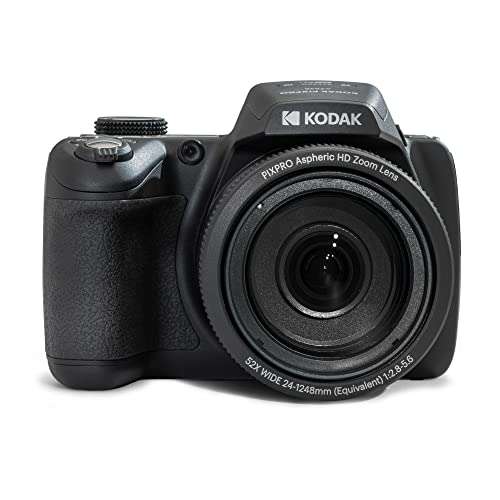
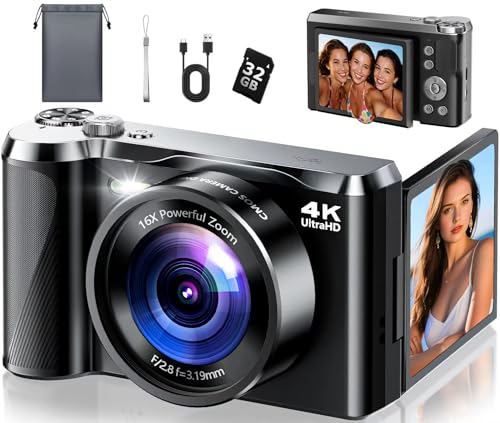
Three types dominate this budget. A compact camera has a fixed lens and fits in a jacket pocket. A bridge camera is larger, with a long zoom lens that also stays fixed. A used interchangeable lens camera lets you swap lenses later, which adds growth room but also adds cost and bulk. For a broader price first view, see our guide to the best cameras under 300.
Who Should Buy a Camera for Photography on a 300 Dollar Budget?
The right choice depends on what you shoot most and how much you want to learn. These three groups cover the readers this budget serves best.
Beginners Who Want to Learn Manual Controls
You want to move past a fully automatic phone and understand aperture, shutter speed and sensitivity. Look for a mode dial with aperture priority, shutter priority and a full manual mode. A clear menu helps you practice one setting at a time, and a steady grip matters because you will change settings often.
Travel and Family Photographers Who Need a Pocket Size Camera
You want better zoom and steadier indoor shots than a phone gives, without carrying a bag of gear. A compact model with optical zoom and image stabilization suits walks, school events and holidays. It starts fast, with little setup before a candid moment passes. For pocket size options in this price range, see our guide to the best compact cameras under 300.
Students and Hobbyists Who Want Room to Grow
You plan to study composition in a class or as a serious hobby, and you may add a lens later. A used interchangeable lens camera gives you that path, plus RAW files that allow deeper editing on a computer. Check lens mount and lens prices first, because the body is only the first purchase in that system.
Spec Tradeoffs When Money Is Tight
Read each spec by asking what changes in your photo, not by chasing the largest number on the box. That trade off sits at the core of shopping for best cameras for photography under 300, because money spent on one strength is money taken from another.
What You Can Realistically Get Under 300 Dollars
At around $300 or less, expect a good fixed lens compact, a long zoom bridge camera, or a used interchangeable lens body with a basic kit lens. You give up the largest sensors, the fastest autofocus tracking and rugged weather resistance found at higher prices. Do not cut corners on lens or sensor to gain extra video modes, because those parts decide still photo quality.
Features That Matter Most for Photography
Still photography rewards direct controls, reliable autofocus and a lens you can use at several focal lengths. Look for single point autofocus you can place on your subject, face detection for people, and exposure compensation that brightens or darkens a scene fast. RAW support matters once you edit, because it keeps more detail in bright skies and dark shadows. Wider budgets are covered in our guide to the best cameras for photography.
Sensor Size and Image Quality in Cameras for Photography
A larger sensor collects more light per photo, so it usually keeps detail cleaner when light falls and sensitivity rises. Most new cameras at this price use a sensor of about 1/2.3 inch, some compacts offer a 1 inch sensor, and used APS C bodies sit at the top of the range. Full frame sensors belong to cameras that cost far more when new. About 16 to 24 megapixels are plenty for prints, because sensor size and lens quality shape sharpness more.
Lens and Zoom Range in Cameras for Photography
The lens is described by its focal length range and its widest aperture, written as an f number. A lower f number, such as f/2.8, lets in more light and blurs backgrounds more than f/5.6 does. Optical zoom uses real glass movement to magnify a scene, so detail stays sharp, while digital zoom only crops the image. About 3x to 10x covers daily compact use, while bridge models reach farther for birds and stages.
Video Capabilities in Cameras Bought Mainly for Photography
Video is a bonus here, not the reason to buy. Many models record 1080p video with clean results, and some add 4K video, often with a crop or with limits on recording time. A microphone input and a flipping screen help regular video creators, but both are uncommon at this price. If stills come first, accept simpler video.
Getting Started: Setup and First Use of Your New Camera
Charge the battery fully, insert a memory card, and format that card inside the camera before your first outing. Set the date, choose the largest image size, and turn on image stabilization if your lens or body offers it. Take practice photos at home in good and dim light, then view them on a larger screen.
Carry a spare battery and a soft lens cloth in your bag from the first week. Clean the front glass with that cloth, never with your shirt, because shirt fabric can hold grit that scratches the coating. A second view of this budget is in our guide to the best cameras under 300 dollars.
Rookie Mistakes to Avoid When Buying a Camera for Photography
New buyers tend to repeat the same few errors, and each one is easy to sidestep.
- Judging a camera by megapixels alone leads to soft, noisy photos when the sensor and lens are weak.
- Spending the whole budget on the camera leaves no money for a memory card or spare battery, so the camera sits unused on its first trip.
- Trusting digital zoom numbers produces distant subjects that look cropped and blurry in print.
- Buying a used camera without testing the lens and shutter can bring repair costs that erase the saving.
- Choosing a body with cramped controls makes manual practice frustrating, so the camera stays in automatic mode.
Care and Maintenance of a Camera for Photography
Wipe the body with a dry, soft cloth after outdoor use, and use a small air blower to clear dust from the lens before you wipe the glass. Store the camera in a dry place away from direct sun, and remove the battery if it will sit unused for several weeks.
Never touch the sensor of an interchangeable lens camera with a cloth or a finger. Change lenses indoors or shielded from wind when you can, with the camera opening facing down, so loose dust is less likely to settle inside. If dark spots appear in the same place on every photo, ask a camera shop about sensor cleaning rather than scrubbing it yourself.
Frequently Asked Questions About Cameras for Photography Under 300 Dollars
Can you get a good camera for photography with a budget of 300 dollars?
Yes, you can get a good camera for photography at this budget if you accept a fixed lens or a used body. One extra check is the return window. Buy where returns are allowed, test in bright and dim rooms in the first days, and inspect corners for blur on one side only, a pattern that can signal a lens fault.
Which camera type is better for low light photography on a 300 dollar budget?
A camera with a larger sensor and a wider aperture is better for low light photography at this price. A used APS C body or a 1 inch sensor compact usually leads a small sensor bridge model after dark. In practice, rest the camera on a table and use the self timer, so a slower shutter speed gathers light without hand shake.
How much should a first time buyer spend on a first camera for photography?
A first time buyer should spend about $210 to $250 on the camera and its main lens, and keep the rest for a memory card, a spare battery and a simple case. That split keeps the total near 300 dollars while covering items the box may omit. Put any sale saving toward a larger card, not a second lens, in the first month.
Is a smartphone enough instead of a dedicated camera for photography?
A smartphone is enough for quick sharing, but a dedicated camera earns its place when you need real optical zoom, a firmer grip or direct control of aperture and shutter speed. A separate camera also saves your phone battery and storage on long photo days. Many owners keep both, the phone for instant posts and the camera for trips and prints.
What camera specs matter most for beginners learning photography on a tight budget?
The specs that matter most for beginners are a mode dial you can reach easily, a clear rear screen and autofocus that locks onto a chosen point without hunting. A built in guide mode or a live histogram helps too, because both teach exposure while you shoot. Ignore headline digital zoom and video numbers at first.
Final Thoughts
Match the camera type to your main subject first, then weigh sensor size, lens range and controls in that order. Use the product table above to confirm price, zoom and sensor details for the type that fits you.
Chosen with those points in mind, the best cameras for photography under 300 can teach you real craft and deliver prints you are proud to share. Learn its modes well, and let your subjects guide your next step.