Best Cameras for Photography Business: A First Time Buyer Guide for 2026
Disclosure: We may earn a commission when you buy through links on this page, at no extra cost to you. As an Amazon Associate I earn from qualifying purchases. Learn more

Shopping for the best cameras for photography business for the first time? Learn the key terms, compare camera classes, and avoid the rookie mistakes.
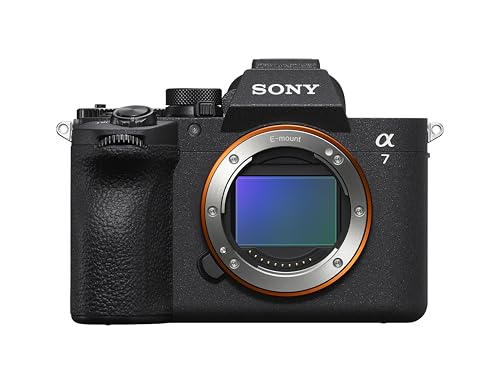
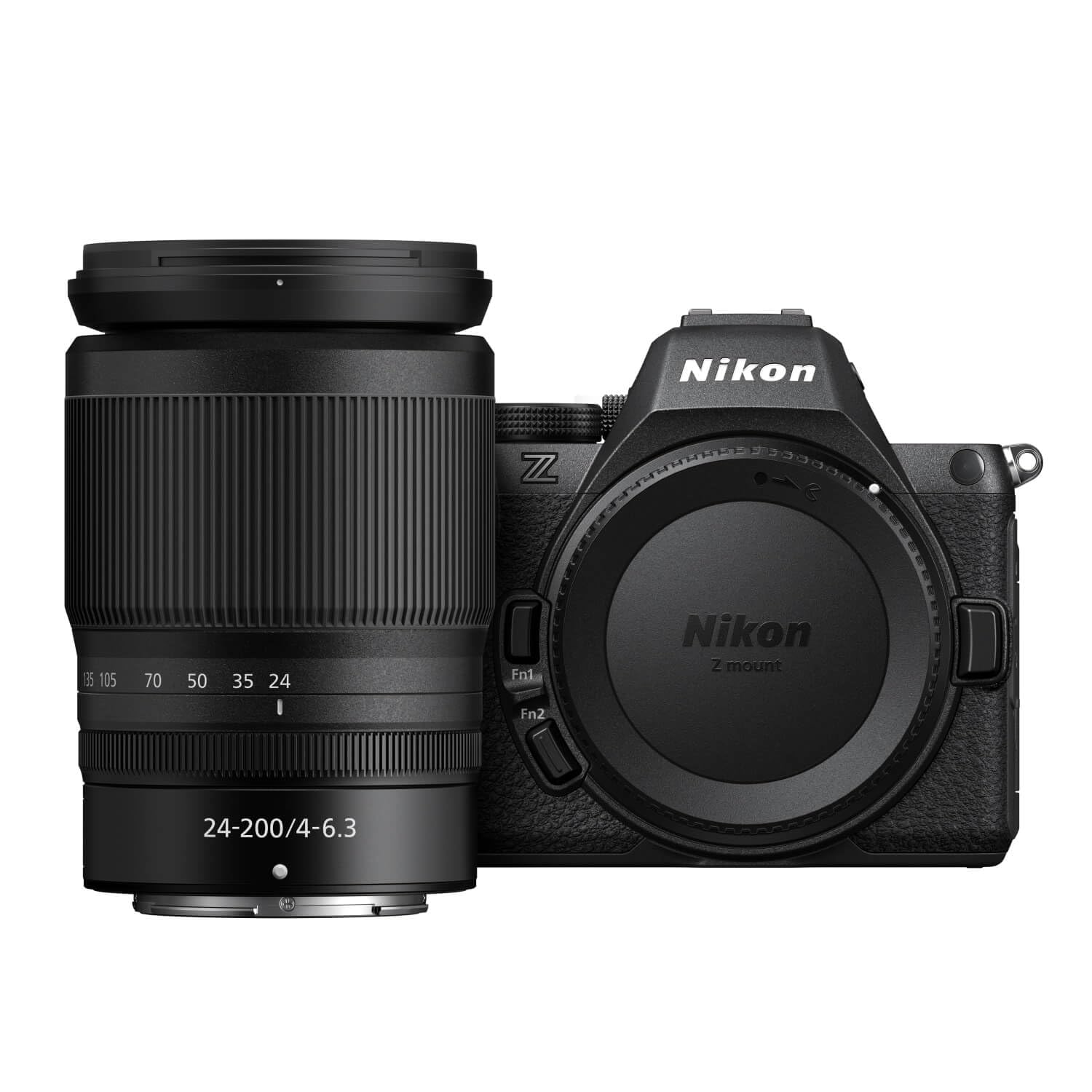
Buying your first camera for paid work feels different from buying one for fun, because clients will judge the files, not the fun you had making them. The best cameras for photography business use are the ones that deliver clean files on deadline, survive weekly shoots, and leave budget for the lenses and lights that complete the kit. This guide starts with the basics, explains the specs in plain English, and ends with the mistakes that cost new businesses money. The comparison table below puts the main camera classes side by side.
A note before the specs: no single body makes a business. Reliability, backup gear, and a sane file workflow protect your income more than any one feature, and the craft basics behind them are the same ones covered in guides to the best cameras for photography. Each section below returns to that balance between gear and workflow.





Cameras 101: The Basics
A camera for paid work is a business purchase. Clients book you for portraits, products, events, or property, and they expect sharp, well exposed files delivered on time, every time. That expectation changes what matters: a backup body and a second memory card are data safety measures, because a failed card or a dead body mid wedding cannot be reshot, and a single point of failure is a business risk, not a minor gap. Treat redundancy as part of the camera budget from day one.
In plain terms, a digital camera records light on a sensor, and sensor size, lens choice, and controls decide the look of the file. Film is a separate medium with per shoot film and lab costs: guides to the best film photography cameras cover that route, while this guide stays with digital bodies that deliver files the same day. One more distinction matters: guides to the best cameras for business cover the premises cameras that watch a shop or office, a different purchase from the camera you hold at a session.
Key Specs Explained in Plain English
Features That Matter for a Photography Business
Budget honestly across the whole kit. Budget in lines: the body is one line, while lenses, lights, and backup gear are the rest, and new owners routinely spend the whole fund on a body, then shoot paid work with one slow kit lens and no spare. A working rule is to keep the body near half the startup budget. Dual card slots, a fast standard zoom, and one prime lens protect more sessions than a flagship body with gaps around it.
Sensor Size and Image Quality
Sensor size shapes depth of field, low light cleanliness, and print size. Full frame bodies give the shallowest focus and the cleanest high ISO files, APS C bodies cost less and stretch lens reach, and smaller formats suit web only delivery. Megapixels matter less than clients assume: about 24 megapixels covers large prints and moderate cropping, and files beyond that mostly add storage cost. Judge sample files at the size your clients actually order.
Durability and Weather Sealing
Paid work happens in rain, dust, and crowded rooms, so sealing and build decide how long a body earns. Sealed bodies and lenses shrug off drizzle and beach sand, while unsealed kits need covers and care. Shutter ratings are the other durability figure: a body rated near 200,000 cycles suits years of weekly shoots. Keep in mind that sealing slows water entry rather than making a camera waterproof, so dry and clean gear after every wet session.
Ease of Use for Your Skill Level
Controls you can run without looking free your attention for the client. Look for dual control dials, a joystick or touch focus point control, and menus you can search by function. Guided auto modes help during your first paid sessions, and app transfer sends preview files to a phone for a quick client check on site. If you are still learning the craft, guides to the best beginning photography cameras sort friendly bodies by learning curve before you commit business money.
Size, Weight, and Ergonomics
A wedding or event day runs eight hours or more, and the camera hangs from your neck or shoulder for most of it. Deep grips, balanced weight with a standard zoom, and a strap system you trust prevent the hand and shoulder ache that slows late day work. Smaller bodies travel lighter for location shoots, but tiny controls can cramp large hands during fast paced sessions. Hold any shortlisted body with its working lens before you buy.
File Formats and Client Delivery
File formats and delivery are part of the purchase, not an afterthought. RAW files hold editing room for paid corrections, JPEG files deliver fast for same day galleries, and most businesses shoot both. Ask how you will hand work over: online galleries, shared folders, and printed proofs each favor different file sizes and color settings, with sRGB the safe choice for screens. Clients never see your spec sheet; they see the gallery, and the best cameras for photography business workflows are the ones whose files move from card to client without friction.
Rookie Mistakes to Avoid
- Spending the whole budget on one body, then having no backup when it fails during a paid session.
- Buying a lens mount with few rental options in your town, then facing a broken lens with no same day replacement.
- Shooting a paid job on a single memory card, so one card error erases the entire gallery.
- Judging a camera by megapixels alone, while ignoring autofocus speed and the low light files clients actually see.
- Skipping a written contract and a file backup routine until the first lost shoot teaches the lesson at full price.
Getting Started: Setup and First Use
Open the box with a checklist. Charge both batteries, format both cards in the camera, set the clock and file numbering, and turn on dual card recording as backup before your first practice shoot. Fit a strap, clean the lens with a lens cloth rather than your shirt, and run a full test session on a friend or a pet so the settings become habit. Readers still comparing starter systems will find guides to the best cameras for starter photography useful for sorting bodies by budget while the business plan firms up.
Frequently Asked Questions
Which features matter most when a camera earns money for a business?
Reliable autofocus, dual card slots, and clean files at the ISO range your venues demand matter most, because clients pay for delivered results. One figure new buyers overlook is repair turnaround, since a camera sitting in a service queue earns nothing while it waits. Ask how fast authorized service runs in your country before you choose a system. A slightly older body with fast local service can protect a season better than a newer body with slow support.
How much should a first photography business camera cost?
Plan about $1,000 to $2,500 for the body, then match that amount across lenses, lighting, and backup gear before you book paid work. Renting a body for a weekend shoot is a smart test, because rental fees are small next to a purchase you regret. If funds are tight, a used midrange body with a new fast lens usually serves clients better than a new entry body with a slow kit zoom.
Which camera setup handles low light venues best for paid work?
A full frame body with a fast prime lens is the common answer, but lighting skill often beats sensor size. A small flash or a portable light panel lets an APS C kit match costlier gear in dark halls, and lighting costs far less than a body upgrade. Learn one light setup well before you chase cleaner high ISO files, because clients notice even, flattering light before they notice grain.
What specs matter most for a beginner starting a photography business?
Start with autofocus you can trust, a lens mount with a deep used market, and controls you can learn fully within a month. A deep used market matters more than spec sheets, because it keeps spare bodies, lenses, and flashes affordable as bookings grow. Skip exotic features until clients ask for them by name. Your first portfolio, built with simple gear, sells the next booking better than any specification.
Does a photography business need two camera bodies from the start?
Not always two equal bodies. Many new businesses run one main body plus a cheaper body on the same lens mount as the backup, which keeps the spare affordable while still covering a failure. The backup also speeds up events, since one body can carry a wide lens and the other a longer one. What you cannot skip is some form of backup before the first paid booking, because reshoots are rarely possible.
The Bottom Line
Judge every camera as business equipment: does it focus reliably, record to two cards, and fit a kit you can back up and afford? The best cameras for photography business choice for a first purchase is rarely the most expensive body; it is the body that leaves money for lenses, light, and a spare. Compare your shortlist in the product table above, price the whole kit rather than the body alone, and let your first clients, not the spec sheet, set the upgrade order.