Best Cameras for Pet Photography by Budget in 2026
Disclosure: We may earn a commission when you buy through links on this page, at no extra cost to you. As an Amazon Associate I earn from qualifying purchases. Learn more

Compare the best cameras for pet photography by budget, and learn which autofocus, burst speed, and lens features matter most before you spend at any tier.
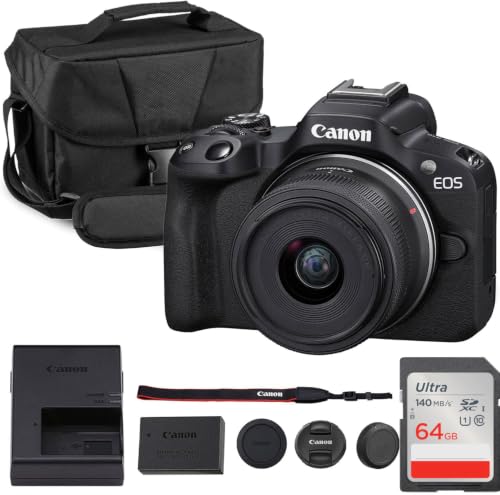
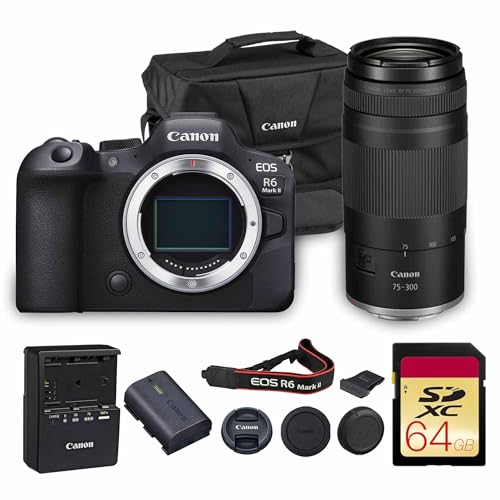
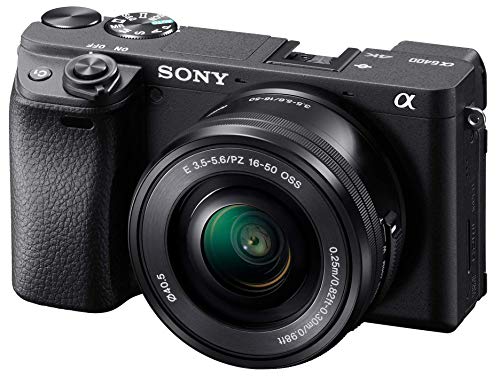
Pet photography punishes slow cameras. A dog crosses the yard in seconds, a cat turns its head without warning, and the moment you wanted is gone before a sluggish camera wakes up. Choosing among the best cameras for pet photography is mostly a question of budget, because each price tier buys a different level of focus speed and low light ability. This guide walks through the tiers in order, so you can see exactly what each step up adds and where extra spending stops helping. The comparison table below collects the main options side by side.
One point shapes everything that follows. Pets are motion subjects first and portrait subjects second, so the money in every tier should go to autofocus and burst speed before it goes to resolution. A camera that locks onto a running animal and holds focus through a burst gives you keepers. A camera with more megapixels and weaker tracking gives you larger files of missed moments.





Start With the Subject: Pets Rarely Sit Still
Pet subjects are fast and unpredictable. They sprint, wrestle, shake off water, and change direction without the courtesy of a warning. That is why this guide weighs focus and burst speed by keeper rate: what counts is how many frames in a typical burst come back sharp on a moving animal, not how large the burst number looks on a box. The tracking skills involved build on the same basics covered in guides to the best cameras for photography, but pets raise the bar because the subject never poses on request.
What Your Money Gets You at Each Price Tier
Every shopper for the best cameras for pet photography meets the same three tiers, and every camera in them belongs to the wider family covered by guides to the best digital cameras. Prices below are approximate class ranges for a body with a starter lens bought new in the US. Used gear stretches each tier further, and the product table above shows how current options group by price.
Budget Tier: Honest Basics for Calm Moments
At about $300 to $600 you get a compact camera or an entry interchangeable lens body with a kit zoom. Autofocus is contrast based or simple phase detection, bursts run about 3 to 6 frames per second, and animal eye detection is usually absent. That still covers sleeping pets, posed portraits, and slow walkers in good light. Buyers who are learning the craft often start with guides to the best beginning photography cameras and accept that fast action stays out of reach until the next tier.
Midrange Tier: Where Tracking Becomes Reliable
At about $600 to $1,200, pet photography changes character. Subject detection appears, bursts climb to about 8 to 15 frames per second, and buffers hold longer sequences before slowing down. Low light focusing improves as well, so indoor shots stop hunting in dim rooms. For most owners this tier answers the real need: sharp photos of an active dog at the park without professional prices. The trade is build quality and weather sealing, which stay modest at this level.
Premium Tier: Speed and Headroom
At about $1,200 to $2,500 and beyond, bodies add fast sensor readout, bursts of 20 frames per second or more, and tracking that holds an eye through turns and partial cover. Sealing improves, dual card slots appear, and high ISO files stay cleaner for printing. You pay for reliability under pressure: shelter events, dog sports, and paid sessions where a missed frame is a lost deliverable. Casual owners rarely need this tier, and the size and price are its honest limits.
Features Worth Paying For (and Ones to Skip)
Tier names only sort cameras by price. The features below decide whether a given body inside a tier actually suits pets, and they matter more than the badge on the box.
Autofocus and Animal Eye Detection
Animal eye focus is a maker specific feature: each brand builds pet detection in its own way, and the label alone does not promise results. What matters is whether the system finds the eye quickly, holds it while the head turns, and lets you move the focus point fast when it guesses wrong. Bodies that detect dogs and cats by name usually track birds and other animals with the generic subject mode. Treat eye detection as a strong helper, then judge the whole tracking system around it.
Burst Speed and Buffer Depth
A burst is only useful while the buffer keeps up. Entry bodies may advertise a quick burst, then slow to a crawl after a second of shooting while files write to a slow card. Midrange and premium bodies pair faster bursts with deeper buffers and quicker card formats, so a full play sequence stays at full speed. Pair any body with a fast card, because a bargain card can cap a premium camera at budget behavior.
Indoor Light Is the Home Test
Most pet photos happen at home, and that means indoor light: lamps, windows, and evening rooms rather than daylight. A lens that opens to f/2.8 or wider gathers far more light than a kit zoom at f/5.6, and a larger sensor keeps high ISO files cleaner when you raise sensitivity instead. Stabilization helps with still subjects, but it cannot freeze a wagging tail, so shutter speed stays your main tool indoors.
Size, Weight, and Handling
You will carry this camera to parks, beaches, and family visits, so weight decides how often it leaves the house. Compact bodies with a short zoom suit daily walks. Larger bodies balance better with long lenses at dog sports, where reach matters more than pocket size. Grip depth and button layout matter during bursts, because you adjust settings while watching the animal, not the camera.
Features to Skip
Very high megapixel counts add cost and file size while doing nothing for focus, so skip resolution races at every tier. A built in flash is weak and startles animals, and scene modes aimed at landscapes or food add nothing here. Film is a separate medium with its own costs per roll: guides to the best film photography cameras cover that path, while every camera in this guide is digital and lets you review the shot at once.
Long Term Costs to Factor In
The body is only the first bill. Budget for a fast memory card, a spare battery, and a lens that suits your animals, because a long zoom for the dog park or a fast prime for indoor shots often costs as much as an entry body. Add a padded bag and sensor cleaning, and price an extended warranty only if the camera works hard outdoors. If this is your first interchangeable lens system, guides to the best cameras for starter photography sort the same entry bodies by learning curve, which pairs well with the tiers above.
Frequently Asked Questions About Pet Cameras
Which features matter most for photographing a moving pet?
Focus tracking and buffer depth matter most, because a running pet gives you a second or two of usable action. A newer point worth adding is shutter sound: silent electronic shutters keep shy cats and nervous rescue dogs calm, while a loud mechanical shutter can end a session early. Check whether the body offers a fully silent mode, and remember that electronic shutters can bend very fast motion, so test the setting on easy subjects first.
How much should a first time buyer spend on a pet camera?
About $600 to $900 covers the midrange tier where animal detection and useful bursts begin, and that is the honest starting point for action shots. Spend less only if your pets are calm and your light is good. One cost new buyers miss is the second lens: reserve about $150 to $300 for a fast prime or a longer zoom, because the kit lens alone limits indoor and park shooting more than the body does.
Can a pet camera take good photos in a dark living room?
Yes, if the lens is fast and the sensor handles high sensitivity well. Raise the ISO, open the aperture, and keep shutter speed near 1/250 second for a moving animal. Avoid the built in flash, since direct flash flattens fur and can stress the animal. Window light in daytime is the easiest upgrade of all: move the bed or the play session near a window and the same camera performs far better.
Is a smartphone enough for pet photography?
For sharing online, often yes, because phones focus fast and handle mixed light well. A dedicated camera pulls ahead when you crop, print, or shoot in dim rooms, since its larger sensor keeps detail that a phone file loses. Phones also struggle with long bursts at full quality. If your prints stay small and your pets pose outdoors, a phone covers the job and the camera money is better saved.
Does a pet photographer need a zoom lens or a prime lens?
Most owners end up wanting both, but the order matters. A zoom covers parks and events where you cannot move closer, while a fast prime wins indoors where light is scarce. Start with the zoom if your pets play outdoors, and start with the prime if your photos happen on the sofa. Either way, buy the lens for the light and distance you face most often, not for the rare outing.
Final Thoughts
Sort your shortlist by subject before price. Calm indoor pets reward a fast lens and a clean high ISO file, while active outdoor dogs reward tracking and burst depth, and those two needs sit in different tiers. The best cameras for pet photography for your home is the one whose focus system matches your animal at a price that still leaves room for the right lens. Check the product table above once more with that match in mind, and spend the step up only where it buys sharper keepers.