
Best Cameras for Non Professionals: Which One Fits the Way You Use It for 2026
Disclosure: We may earn a commission when you buy through links on this page, at no extra cost to you. As an Amazon Associate I earn from qualifying purchases. Learn more

Not every camera fits every routine. See which best cameras for non professionals match how you shoot, which features to prioritize, and what you can skip.
There is no single camera that suits every casual shooter, because the way you use a camera matters more than a spec sheet ranking. A parent filming school plays, a traveler packing light, and a home cook recording recipe clips all need different things. The best cameras for non professionals share one trait, though. They get out of your way, focus reliably on their own, and produce files that look good without hours of editing.
This guide starts with your routine rather than with model names. Work through the user groups and feature sections below, note which points match your habits, and then compare your shortlist against the comparison table below. That order saves money, because it stops you paying for capability you will never touch.



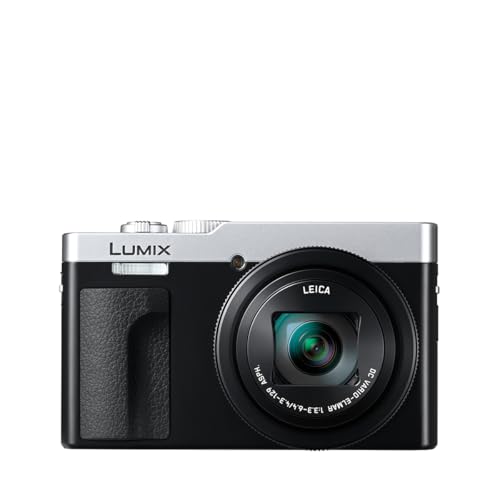


Who Should Buy Which Type of Camera?
Most buyers fall into one of three broad groups, and each group points toward a different style of camera. Read the group that sounds most like you first, then skim the other two, because many people blend two routines, such as travel plus family video. Readers whose main aim is polished portraits for paid work can also check our guide to the best cameras for professional photos for how those needs differ from casual use.
Remote Workers and At Home Creators
If your camera earns its keep on video calls, recorded lessons, or product clips for a small shop, video features outrank photo specifications. Look for clean autofocus that holds on a face without hunting, a screen that flips around so you can frame yourself, and a microphone input so your voice sounds clear instead of hollow. A camera that connects to your computer as a webcam without extra boxes is a real convenience. Reliability matters most of all here, so favor models known for running a full hour of recording without overheating warnings or sudden shutdowns during a live session.
Travelers and Daily Commuters
When a camera rides in a jacket pocket or a small day bag, size decides whether you carry it at all. Point and shoot compacts shine here because the lens retracts, the controls stay simple, and the whole thing weighs less than a water bottle. Battery life matters on long sightseeing days, so check the rated shots per charge and plan on a spare. A weatherproof build or at least solid dust and splash resistance helps on beaches and rainy city walks. Zoom range also counts, since you cannot always walk closer to a landmark, a stage, or wildlife behind a fence.
Gamers and Streamers Who Record Themselves
Streamers and gaming creators need a camera that behaves like a dependable capture device. Low delay output over HDMI keeps your face in sync with gameplay, and reliable face tracking keeps you sharp while you move in your chair. High frame rate recording, such as smooth slow motion modes, helps if you also film desk setups, keyboard builds, or hardware closeups for your channel. Good performance in a dim room matters too, because many streaming spaces use soft colored lighting rather than bright overhead light. A compact mirrorless body with a small lens usually fits a crowded desk better than a bulky setup.
Key Features to Compare
The sections below translate common specifications into everyday results, so you can judge a camera by what changes in your photos and clips. If you want a wider view of formats before narrowing down, see our guide to the best digital cameras, which covers the main categories side by side.
Video Capabilities
4K video gives you crisp detail and room to crop a clip later without it looking soft, which helps when you film a wide scene and later pull out a tighter view. If you mostly post short clips to social apps, strong 1080p quality with good stabilization may serve you just as well and keeps file sizes smaller. A flip screen matters for anyone filming themselves, and a microphone input matters for anyone speaking to the camera outdoors. Check recording time limits as well, since some cameras stop a single clip at around 30 minutes, which can interrupt a lesson, a service, or a long interview.
Sensor Size and Image Quality
The sensor is the light sensitive surface behind the lens, and its size shapes image quality more than the megapixel count does. A 1 inch sensor, common in premium compacts, gathers far more light than a phone sensor and gives cleaner indoor shots. APS C sensors in entry mirrorless cameras go a step further, with softer background blur and better results after sunset. Full frame sensors sit at the top and are usually more camera than a casual shooter needs. Readers curious about that upper end can see our guide to the best professional cameras to understand what the extra money buys. For most hobby use, a larger sensor paired with a decent lens beats a huge megapixel number every time.
Size, Weight, and Handling
A camera you enjoy holding gets used, and a camera that annoys you stays home. Try to picture your longest typical outing, then judge weight and grip against that day rather than against a five minute store demo. Small compacts slip into a coat pocket but can feel fiddly if you have large hands or wear gloves in winter. Mirrorless cameras with a modest grip feel secure during long walks and give you direct dials for settings you adjust often. Also weigh the full kit, because a body that feels light alone grows heavy once you add a zoom lens, a strap, and a spare battery.
Features That Set the Best Cameras for Non Professionals Apart
Casual shooters benefit most from help that works quietly in the background. Dependable autofocus with eye detection keeps people and pets sharp without you picking focus points. Image stabilization steadies handheld shots and walking video, which covers most real use. A good automatic mode is not a weakness here, since it lets you hand the camera to a friend and still get a usable photo. Simple WiFi transfer to your phone matters as well, because photos you cannot share quickly tend to sit forgotten on a memory card. If you already suspect you will grow into advanced paid work later, see our guide to the best professional cameras for beginners before you commit to a system.
Low Light Performance
Evenings, restaurants, and living rooms are where casual cameras struggle most, so low light ability deserves real weight in your decision. A lens with a wide maximum aperture, shown as a low f number such as f/1.8 or f/2.8, lets in more light and keeps shutter speeds fast enough to avoid blur. A bright objective lens paired with a larger sensor lets the camera hold image quality at higher ISO settings, where smaller sensors turn grainy and smeared. In body or lens based stabilization also helps for still subjects, because it lets you shoot slower without camera shake, though it cannot freeze a moving child or pet.
Common Mistakes to Avoid When Buying a Camera
- Chasing the highest megapixel count, which mostly gives you bigger files rather than visibly better photos at normal sizes.
- Ignoring video features and then discovering the camera lacks a flip screen or microphone input you need for clips.
- Buying a body that is too large for your routine, so it stays home while your phone does all the work.
- Forgetting the cost of extras such as memory cards, a spare battery, and a case, which can add a real sum to the total.
- Skipping the warranty and return terms, which leaves you stuck if the camera develops a fault in the first months.
How to Make Your Camera Last Longer
Gentle habits protect both the lens and the electronics. Clean the front glass with a soft lens cloth rather than your shirt, because shirt fabric often holds grit that can scratch coatings over time. Carry a spare battery and rotate between the two, and store the camera in a dry, padded bag away from bathroom steam and car heat. Keep the lens cap or the retracting cover closed when the camera rides in a bag with keys and coins. Finally, install firmware updates when the maker releases them, since updates often improve autofocus and fix small bugs.
FAQs
What features matter most in cameras for non professionals?
Reliable autofocus, image stabilization, and a sensor large enough for indoor light matter most in cameras for non professionals. These three decide whether everyday shots come out sharp and clean without effort on your part. A simple menu and a good automatic mode rank close behind, because they shorten the path from switching on to a photo worth keeping. One extra worth checking is how fast the camera starts up, since slow start times mean missed moments at parties and games.
Which type of camera handles low light photos best?
A mirrorless camera with an APS C or larger sensor handles low light photos best, especially with a bright lens fitted. The larger sensor gathers more light per pixel, so images stay cleaner when you raise the ISO in a dim room. Premium compacts with a 1 inch sensor are the next best choice when you need pocket size. Whichever type you choose, a tripod or a steady surface helps more than any setting when the subject sits still, because it allows slow shutter speeds without blur from your hands.
What camera specs matter most for beginners?
The camera specs that matter most for beginners are sensor size, autofocus quality, and stabilization, in that order. A beginner gains little from advanced manual controls or exotic video formats, but gains a lot from a camera that focuses on faces automatically and forgives shaky hands. Screen quality also matters more than many expect, because you compose and review every shot on it. Look for a touchscreen that lets you tap to focus, which feels natural if you are coming from a phone and shortens the learning curve.
How much should a non professional spend on a first camera?
A non professional should expect to spend about $300 for a capable compact, or about $800 for an entry mirrorless kit, to feel a clear step up from a phone. The lower figure covers compacts with a fixed lens, while the higher one opens up mirrorless bodies sold with a starter zoom. Budget a little extra for a memory card and a spare battery. Spending beyond that range mainly buys features aimed at serious hobbyists, so let your routine, not a sale price, set the ceiling.
What does optical zoom mean on a compact camera?
Optical zoom on a compact camera means the lens physically moves to change magnification, so distant subjects fill the frame without losing detail. A rating such as 10x means the longest setting magnifies the scene about ten times compared with the widest setting. This differs from digital zoom, which simply crops the image and throws away pixels. When you compare compacts, also check the zoom range in 35 mm terms, such as 24 to 240 mm, because that tells you how wide the lens starts, which matters for group photos indoors.
Is a smartphone enough instead of a dedicated camera?
A smartphone is enough instead of a dedicated camera if you only shoot in good light and share small images online. A dedicated camera pulls ahead when you need real optical zoom, stronger low light results, or a flip screen and microphone input for video. It also frees your phone battery and storage during a full day of shooting. Many people keep both, using the phone for quick snaps and the camera for trips, family events, and any project they care about keeping at full quality.
The Bottom Line
Start with your routine, then weigh sensor size, autofocus, and stabilization before anything else on the spec sheet. Match the camera type to how and where you actually shoot, and the best cameras for non professionals for your life will be easy to spot in the product table above. If your hobby later turns into paid work, see our guide to the best cameras for professional photography to plan the next step with clear eyes.


