
Best Cameras for Moms: Buying Guide for 2026
Disclosure: We may earn a commission when you buy through links on this page, at no extra cost to you. As an Amazon Associate I earn from qualifying purchases. Learn more

Compare camera types, sensor sizes, battery life and video features for busy family life, and pick a simple, durable camera that fits your budget and routine.
Family life moves fast, and the moments worth keeping rarely wait for perfect settings. Best cameras for moms should therefore be simple to grab, quick to focus and easy to carry while you juggle bags, snacks and small hands. This guide compares camera types, features and spending levels so you can choose with confidence, and the comparison table below lays out the main options side by side.
The right choice depends less on the biggest sensor and more on how you actually use a camera day to day. A parent photographing toddlers at the park needs different strengths from a parent filming school plays or weekend trips. Work through the sections below, note the features that match your routine, and let those priorities guide your shortlist.




Spending Levels That Fit Family Life
Budget shapes what you get, but it does not decide whether a camera is useful. A modest camera you carry everywhere will capture more memories than an expensive camera left at home. Think about how often you shoot, how much video you record and how much weight you will happily carry before you set a spending level.
A Simple Start for Everyday Moments
This level suits parents who want better photos than a phone gives without learning a complex menu system. Look for reliable automatic focus, a bright screen that stays readable outdoors and a zoom range that covers playgrounds and birthday parties. Battery life matters more than extra megapixels here, since a dead camera misses the moment entirely. Expect simple controls, a light body and enough video quality for family clips, and plan to spend about $150 to $400.
A Step Up for Growing Skills
This level suits parents who enjoy photography and want room to learn manual controls at their own pace. Larger sensors help in dim living rooms and evening events, while faster focus helps with children who never sit still. A flip screen helps for self portraits and video diaries, and a microphone input improves sound for school performances. Expect a sturdier build, better low light results and more lens choices, and plan to spend about $400 to $900.
Room to Grow for Serious Projects
This level suits parents who print large photos, edit video regularly or shoot in demanding light. Stronger focus tracking, cleaner high sensitivity images and longer battery life all help when you shoot for hours. Weather sealing adds peace of mind on beach trips and rainy sports days, and a wider lens range covers everything from wide group shots to distant stage performances. Expect a heavier kit and a learning curve, and plan to spend about $900 to $1,800.
How to Choose a Camera for Family Life
Family photography has its own demands. Children move, light changes quickly and you often shoot one handed while holding something else. The features below matter most for that reality, so weigh them against your routine rather than chasing the longest specification list.
Features That Matter for Moms
Fast, dependable focus is the single most useful feature for family photos, because children rarely pose for long. Face and eye detection helps the camera lock onto a child even in a busy scene, and a burst mode lets you pick the sharp frame from a quick sequence. A touchscreen that lets you tap to focus speeds things up further, and simple automatic modes keep the camera ready when you have only seconds to react. Our guide to best digital cameras covers the basics that apply across camera types.
Sensor Size and Image Quality
Sensor size affects how a camera handles dim rooms and how much detail it keeps in shadows and highlights. A one inch sensor beats most phone sensors in low light, while larger APS C and full frame sensors give cleaner results still and more control over background blur. Megapixel count alone tells you little, since a well designed smaller sensor can outperform a crowded larger one. Judge image quality by low light performance and color, not by the headline number, and see our guide to best cameras for photography for more on image quality basics.
Battery Life and Charging
Check the rated shots per charge, but treat that number as a rough guide, since video and screen use drain power faster. A camera rated for about 300 to 400 shots may last a full day of casual photos yet fall short on a day of heavy video. Charging over a standard USB C cable makes top ups easy from a car charger or power bank. Carrying one spare battery removes most battery anxiety on trips and long event days.
Video Capabilities
Video quality matters more every year, as families record recitals, games and holidays alongside still photos. Resolution of 4K at 60 frames per second gives smooth, detailed clips, but steady focus and clean sound matter just as much. A flip screen helps you frame yourself for video diaries, and a microphone input lets you add a small external microphone for clearer voices. Check whether video recording has a time limit, since some cameras stop after a set period.
Ease of Use for Your Skill Level
A camera should match the time you want to spend learning it. Strong automatic modes and scene presets let new photographers get good results right away, as our guide to best starter cameras explains, while guided menus explain settings in plain language. App transfer matters too, since quick sharing to a phone keeps family photos moving to grandparents and friends. If you plan to learn manual controls later, choose a camera with easy access to aperture and shutter speed rather than menus buried several layers deep.
Durability and Weather Sealing
Family cameras face drops, spills, sand and rain, so build quality deserves real attention. Sealed bodies resist dust and light rain, which helps on beach days and sideline duty in poor weather. A sturdy grip reduces slips when your hands are busy, and a screen protector guards against scratches from keys and toys in a bag. No camera is indestructible, so a padded bag and a wrist strap remain cheap insurance for any model.
Size, Weight, and Ergonomics
Weight decides whether a camera actually leaves the house. A compact camera slips into a diaper bag pocket, while a larger camera with a long lens needs its own bag and a plan. Hold the camera if you can, and check that buttons fall naturally under your fingers and the grip feels secure with one hand. A camera that feels comfortable during a two hour outing will get used far more than a heavier camera with slightly better specifications, a point our guide to best quality cameras covers in its build quality section.
Types of Cameras
Camera types differ mainly in size, lens choice and control. The table below compares the main types at a glance, and the sections that follow explain who each type suits best.
| Type | Best For | Watch Out For |
|---|---|---|
| Action cameras | Active days and video | Small sensor, limited zoom |
| Point and shoot compacts | Simple everyday photos | Fixed lens, modest low light results |
| Mirrorless cameras | Growth and image quality | Higher cost, larger kit |
| Vlogging cameras | Video diaries and clips | Shorter battery life, fewer still photo controls |
Action Cameras
Action cameras are small, tough and built for movement, which makes them handy for pool days, bike rides and muddy adventures. They record wide, steady video and survive splashes that would worry a larger camera. Their small sensors and fixed wide lenses limit zoom and low light quality, so they work best as a second camera for active moments rather than the only camera for portraits and events.
Point and Shoot Compacts
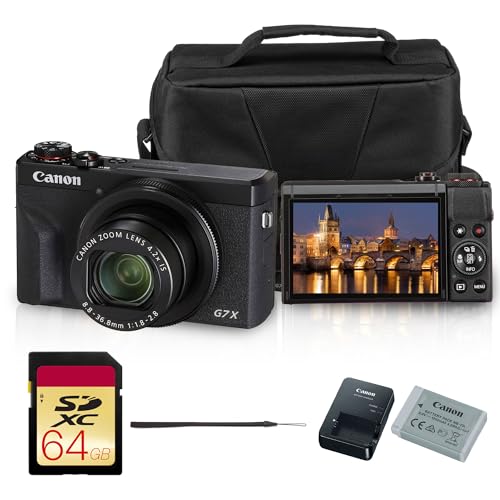
Point and shoot compacts offer the simplest path to better family photos. They fit in a pocket, start quickly and handle focus and exposure on their own, which suits parents who want good results without studying settings. Their fixed lenses limit reach for distant subjects, and small sensors struggle in dim rooms. Choose one with a bright lens and reliable focus if simplicity matters more than lens choice.
Mirrorless Cameras
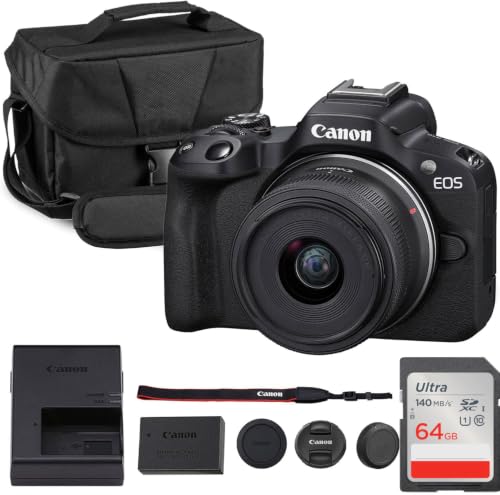
Mirrorless cameras use interchangeable lenses, which gives you room to grow from a simple kit lens to lenses for portraits, sports and travel. Larger sensors deliver cleaner low light photos and softer backgrounds, and fast focus systems track moving children well. The trade off is size, cost and a learning curve, since lenses add weight and choice. They suit parents who enjoy photography and plan to keep shooting for years.
Vlogging Cameras
Vlogging cameras prioritize video, with flip screens, strong stabilization and microphones built for clear voices. They suit parents who film daily life, school projects and travel diaries more than they shoot still photos. Still photo controls may be simpler than on a mirrorless camera, and battery life can run short during long recording sessions. Carry a spare battery and a small tripod to get the most from this type.
Picking the Right Camera for Different Uses
Match the camera to your most common shooting situation, not to an imagined ideal. Everyday snapshots call for pocket size and speed, while stage performances call for zoom reach and low light strength. Travel calls for light weight and long battery life, and video diaries call for a flip screen and steady footage. One camera can cover several uses, and our guide to best digital cameras for moms compares options across types, but it should excel at the use that matters most to you.
Best Mirrorless Cameras for Moms
Mirrorless cameras stand out for moms who want image quality that grows with their skills. Look for dependable eye detection, a comfortable grip for one hand shooting and a kit lens that covers everyday distances without constant lens changes. A tilting screen helps for low angle photos of toddlers, and clean high sensitivity performance helps for indoor birthdays and evening events. Start with one versatile lens, and add lenses only when a clear need appears.
Care and Maintenance Tips
Simple habits keep a family camera working well for years. Use these tips after outings and before trips:
- Use a lens cloth, not your shirt, since fabric and grit can scratch coatings over time.
- Carry a spare battery, and charge both batteries the night before a big event.
- Store the camera in a dry, padded bag, away from sand, sunscreen and leaking bottles.
- Update firmware for focus improvements, but only from the maker update tool.
- Wipe the body with a dry cloth after beach or pool days, and check seals for sand.
- Back up photos regularly, so a lost card never means lost memories.
Frequently Asked Questions
What features matter most in cameras for moms?
Fast focus, simple controls and reliable battery life matter most, because family moments rarely wait. Face and eye detection helps with moving children, while a bright screen and a comfortable grip help when you shoot one handed. Low light performance matters for indoor birthdays and evening games, and a flip screen helps for self portraits and video. Sensor size and lens choice come next, since they shape image quality once the basics are covered.
What specs matter most for beginners?
Beginners should focus on focus speed, usable high sensitivity range and battery life rather than megapixel count. A camera that focuses quickly and cleanly at indoor light levels will produce better family photos than a camera with more megapixels but slow focus. Check the maximum video length and whether the camera charges over USB C, since both affect everyday convenience. Simple automatic modes with room to learn manual controls give the best path forward.
How much should I spend on my first camera?
Most first time family photographers do well spending about $300 to $700, which buys a capable compact or an entry level mirrorless kit. That range covers reliable focus, decent low light results and video suitable for sharing. Spending less still works for daylight snapshots, while spending more buys better low light performance and lens choice. Set aside part of your budget for a spare battery, a memory card and a padded bag.
What is the best way to protect a camera from kids?
Use a wrist strap, a padded bag, and a screen protector, and keep the camera out of reach of small hands when it is not in use. Compact and action cameras with tougher bodies survive knocks better than large kits. Teach older children to hold it with both hands, and store the lens cap and memory card where they cannot be lost.
Is a smartphone enough instead?
A smartphone is enough for many everyday snapshots, especially in bright light with nearby subjects. A dedicated camera pulls ahead for distant subjects, dim rooms, fast action and video with clear sound, thanks to larger sensors, real zoom and better focus tracking. Many parents use both, keeping a phone for quick snaps and a camera for events, trips and prints. If you print large photos or shoot often in low light, a dedicated camera earns its place.
Wrapping Up
Start with your routine, then match features to it. Fast focus and simple controls help every parent, while sensor size, video strength and weather sealing matter more for specific uses. Compare the types in the product table above, set a spending level that leaves room for a spare battery and a bag, and choose the camera you will actually carry. Best cameras for moms are the ones that make capturing family life easy, so pick the camera that fits your hands, your bag and your days.


