
Best Cameras for Low Light Point and Shoot: Buying Guide for 2026
Disclosure: We may earn a commission when you buy through links on this page, at no extra cost to you. As an Amazon Associate I earn from qualifying purchases. Learn more

Compare sensor size, lens brightness and stabilization to pick the best cameras for low light point and shoot use in dim rooms and evenings.
Most dim-room disappointments come from a small sensor paired with a slow lens, not from the person holding the camera. The best cameras for low light point and shoot use are the compact, fixed lens models that gather enough light to keep faces clear at dinner, on an evening street or at an indoor family event, without the bulk of a lens system. This guide explains which features decide night performance and what each budget realistically buys.
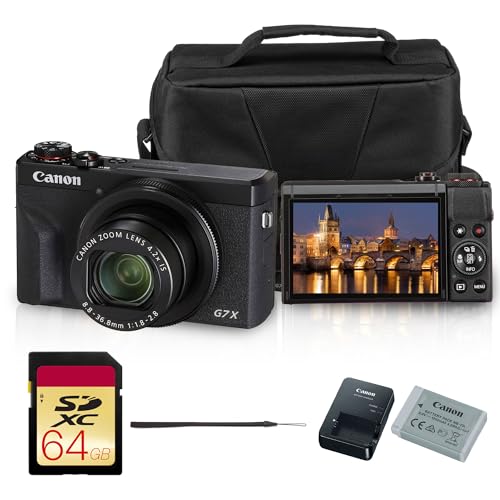
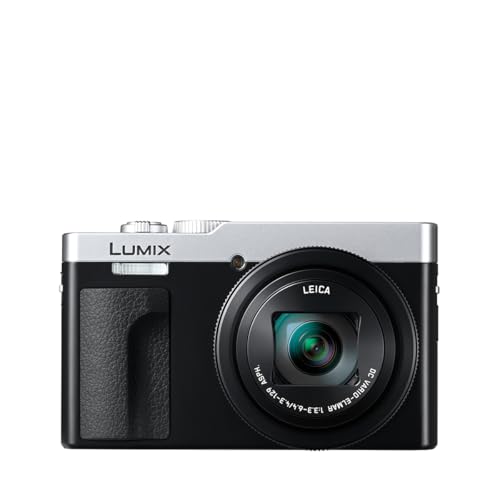
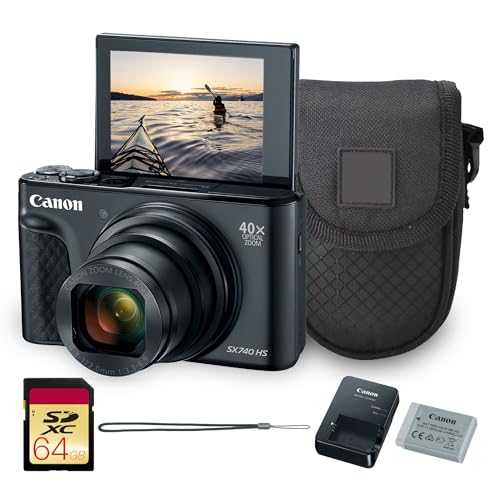
The product table above lines up compact models you can carry every day. Read the sections below to understand why sensor size, lens aperture and stabilization matter more than headline megapixels or zoom numbers, and to spot the compromises that cheaper models make after dark.




What Makes a Point and Shoot Good in Low Light
A camera records light, so anything that gathers more of it helps when a room is dim. Three parts do most of the work: the sensor, the lens and the processing that cleans up noise. A compact camera that scores well on all three can produce clean, natural looking pictures in rooms where a basic model fills the image with grain.
Sensor Size Comes First
A larger sensor collects more light per pixel, which keeps shadows smooth when you raise the ISO setting. Most budget compacts use a small sensor not much bigger than a phone sensor, and they struggle once the lights go down. A 1 inch sensor is the usual step up, and it is the main reason premium pocket cameras look so much cleaner at night. If you can afford only one upgrade, make it sensor size.
Lens Brightness and the Zoom Trade Off
The maximum aperture, written as an f number, shows how much light the lens admits. A lower number such as f/1.8 or f/2.8 is brighter. Many compact zoom lenses start bright at the wide end and then darken as you zoom, so a camera with a huge zoom range often loses its low light advantage at full reach. For evening use, favor a shorter zoom with a bright lens over a long zoom with a dim one.
Stabilization and Shutter Speed
In dim light the shutter stays open longer, which makes hand shake visible. Optical or sensor stabilization lets you hold the camera steady at slower shutter speeds, so you can keep ISO lower and the picture cleaner. Stabilization helps with still subjects such as a plated meal or a quiet street. It cannot freeze a moving child or a dancing guest, which still needs a faster shutter speed and therefore a brighter lens or higher ISO.
Autofocus in Dim Rooms
Many compacts hunt for focus when light is low, and a missed focus ruins a shot more completely than a little noise. Look for face and eye detection, and for a small focus assist lamp you can switch off when it would disturb the scene. A camera that locks focus quickly in a dim restaurant is worth more than one with extra scene modes.
Choosing Among Compact Camera Types
Not every compact is built for the dark. The three groups below cover most shoppers, and each makes a different trade between size, reach and picture quality after sunset.
Premium Compacts With a 1 Inch Sensor
These pocket cameras pair a large sensor with a bright lens and stabilization, and they deliver the cleanest night pictures in this size class. They cost more, often several hundred dollars, and their zoom range is usually modest. They suit travelers, parents and anyone who wants better evening photos than a phone gives without carrying a bag of lenses.
Travel Zoom Compacts
Travel zoom models fit a long lens into a small body, which helps with distant landmarks and stage events. The cost is a smaller sensor and a lens that darkens as it zooms, so they perform best in daylight and in lit interiors. For night use, keep the zoom near the wide end and step closer to your subject instead.
Entry Level Compacts
Basic point and shoot cameras are the cheapest route to a dedicated camera, and they work well in bright rooms and outdoors. In dim light they raise ISO aggressively, and fine detail turns soft. Buy one only if your shooting is mostly daylight, or if you accept grain as the price of a pocket friendly kit.
How to Shop for the Best Cameras for Low Light Point and Shoot Use
Start with how dark your usual scenes are. A well lit cafe asks far less of a camera than a candlelit table or an evening concert, and the right model changes with that answer. The checklist below keeps the decision practical.
- Check the sensor size in the full specifications, not only in the headline, and prefer 1 inch where your budget allows.
- Read the maximum aperture at both ends of the zoom, and favor a lens that stays at f/2.8 or brighter in the range you use most.
- Confirm that stabilization is built in, and that autofocus uses face or eye detection.
- Look at sample images taken at ISO 1600 and ISO 3200 to judge how much detail survives.
- Choose a flip or tilting screen if you shoot low, over a crowd or at arm length.
- Budget for a spare battery, because screens and stabilization drain power quickly in the evening.
What Each Budget Buys
Under about $200, expect a small sensor and good results in bright light only. Between about $300 and $600, you reach better lenses and more reliable autofocus, and some models step up to a larger sensor. Above about $600, premium compacts add the 1 inch sensor, brighter lenses and stronger video, and they give the largest gain after dark. Spend where the gain is biggest: sensor and lens first, extra zoom and scene modes last.
Common Mistakes When Buying a Low Light Compact
- Choosing on megapixels, which says little about night quality and can make noise worse on a small sensor.
- Trusting digital zoom figures, since digital zoom only crops the picture and discards detail.
- Ignoring the aperture at full zoom, which is where many compacts lose their brightness.
- Relying on the built in flash for every scene, even though direct flash flattens faces and washes out a mood.
- Forgetting the screen, since a dim or fixed screen makes framing hard in a dark room.
Getting Better Night Photos From Any Compact
Technique closes much of the gap between budget and premium models. Brace the camera against a wall, a table or your body to steady slow shutter speeds. Turn on the self timer for still subjects so your finger does not shake the shot. Add light where you can, because a nearby lamp or a window does more than any camera setting.
Shoot in the camera's night or low light mode only when your subject is still, and switch to a sports or action mode when people move. Clean the lens with a soft cloth, never your shirt, since a smudge scatters light and softens every night shot. Carry a spare battery in an inside pocket, and keep the camera in a dry, padded case between outings.
Frequently Asked Questions
What features matter most in cameras for low light point and shoot use?
Sensor size, lens brightness and stabilization matter most, in that order. A larger sensor and a bright lens gather the light, and stabilization lets you keep the shutter slow enough to avoid raising ISO too far. Reliable autofocus in dim rooms comes next, because a sharp, slightly noisy picture beats a clean but blurred one.
Is a 1 inch sensor worth the higher price for a point and shoot?
Yes, if you shoot often indoors or after dark. A 1 inch sensor is noticeably cleaner at high ISO than the small sensors in budget models, and the difference shows in faces, skin tones and shadow detail. For mostly daylight use, a smaller sensor is fine and keeps the price lower.
Can a smartphone replace a low light point and shoot camera?
A recent phone handles still evening scenes well by combining several frames into one image. It struggles with moving subjects and optical zoom. A dedicated compact earns its place when you want real zoom, quicker shooting, a physical grip and cleaner pictures of people in motion.
How much should I spend on a first low light compact?
Most buyers do well between about $300 and $700. That range covers brighter lenses, stabilization and in some cases a 1 inch sensor. Keep a little of the budget for a spare battery and a fast memory card, which improve everyday use more than a small step up in model.
Does a flash help in a dim room?
A built in flash lights nearby subjects, but it flattens faces and leaves the background dark. It is best as a fill for close portraits. For natural looking evening pictures, rely on a bright lens, stabilization and the available light, and use flash only when the subject is within a few feet.
Final Thoughts
Choose for sensor size first, lens brightness second and stabilization third, and leave zoom range and megapixels to the end. Match the type to how dark your usual scenes are, then compare the models in the product table above on those three points. Chosen that way, the best cameras for low light point and shoot photography are the ones that stay clean and in focus when the lights go down, and that you will carry with you every evening.

