
Best Cameras for Low Light Conditions: Every Type Explained for 2026
Disclosure: We may earn a commission when you buy through links on this page, at no extra cost to you. As an Amazon Associate I earn from qualifying purchases. Learn more

Compare sensor size, lens brightness, stabilization and autofocus to choose the best cameras for low light conditions for stills and video.
Dim rooms, evening streets and indoor events punish weak cameras. Small sensors turn faces grainy, slow lenses force blur, and autofocus hunts while the moment passes. The best cameras for low light conditions solve those problems in different ways, and the comparison table below lets you weigh each type against your budget and your subjects.
Start by naming your hardest regular scene. A school concert, a night market and a candlelit dinner each stress a camera in a different way. This guide compares mirrorless, compact, action and vlogging types side by side, then covers sensor size, lens brightness and price.
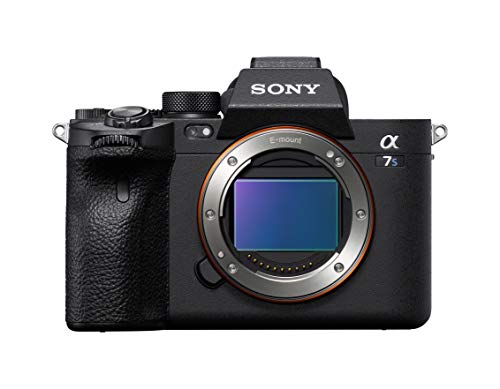


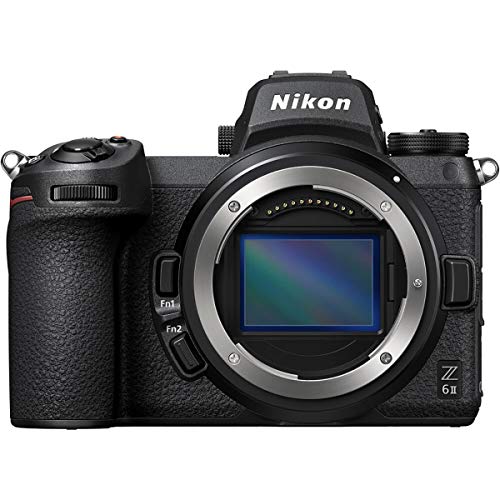


Types of Cameras Compared for Dim Scenes
Each type below trades sensor size against body size differently. That trade shapes your clean ISO range, lens choice and handheld shooting. No single design wins everywhere, which is why the best cameras for low light conditions can look so different while doing the same job well.
Mirrorless Cameras for Interchangeable Bright Lenses
Mirrorless bodies pair larger sensors with interchangeable lenses, so you can mount a bright prime or a travel zoom. APS C models balance price with clean output at high ISO values, while full frame models hold detail and color into the night. Many bodies add in body stabilization, but lenses add bulk and cost. If stills lead your work, see our guide to the best cameras for low light photography.
Bright Lens Compacts for Night Shooting
Compact models keep the lens fixed and the body small, so you actually carry the camera. Most use a 1 inch sensor, far larger than a phone sensor and cleaner at night. The lens is brightest at its wide end, around f/1.8 to f/2.8, and narrows as you zoom, so step closer when light drops. You trade lens swaps for quiet shooting and simple controls.
Action Cameras for Movement in Dim Places
Action cameras are tiny, rugged and weatherproof, with a wide fixed lens and stabilization that smooths walking footage. They shine for travel clips and sports, and most record 4K video. Their small sensors are the limit, since dark rooms turn noisy sooner than on a 1 inch sensor, and distant faces look small. They serve best as a second camera or for active trips.
Vlogging Cameras Built Around Video
Vlogging cameras are shaped around talking to the lens in ordinary rooms. A flip screen lets you frame yourself, autofocus tracks your face as light changes, and many models add a microphone input. Designs split into compact bodies with a fixed 1 inch sensor lens and small mirrorless bodies that accept bright primes. Both handle mixed indoor light well. If video leads your work, see our guide to the best low light video cameras.
Action Cameras vs Vlogging Cameras: Which Should You Choose?
These two types overlap in size, so judge them on the scene, not the spec sheet. An action camera mounts anywhere, shrugs off rain and stays steady while you move, but its small sensor limits dark interiors. A vlogging camera offers a larger sensor, a flip screen and better sound, but it needs gentler handling. Choose the action design for movement and mounts. Choose the vlogging design for faces, speech and indoor recording.
How to Choose the Right Camera for Low Light Conditions
Judge every type with the same five checks below. Together they predict how clean your files look, how many keepers you bring home and how the camera feels in the dark.
Features That Matter for Low Light Conditions
Dim scenes offer few photons, so a camera must gather more light or amplify its signal cleanly. Three settings share that work: lens aperture, shutter speed and ISO value. Look for a lens that opens to f/2.8 or wider, autofocus that locks on in dim rooms and processing that holds color as ISO climbs. A bright lens with honest high ISO output beats a single headline spec.
Why Bigger Sensors Stay Cleaner After Dark
Sensor size sets the ceiling for night quality. A larger sensor spreads light across larger photosites, so images stay cleaner at ISO 1600 to ISO 6400 and shadows keep more detail. Full frame sits at the top, APS C follows for less money and 1 inch sensors lead compacts. Megapixel count matters less, since cramming pixels onto a small sensor raises visible noise.
Grip, Dials and Weight on Long Night Shoots
You hold a night camera for long stretches, so grip shape and dial placement matter. A deeper grip steadies a heavier lens, while raised dials keep your eye on the scene. Screen brightness counts too, since a bright screen strains your eyes and drains the battery. A lighter body you carry daily beats a heavier body left at the hotel.
Controls That Help Beginners and Room to Grow
Good auto modes help in dim light when they cap ISO at a level you choose and pick shutter speeds that avoid blur. Touchscreen focus lets you tap a face instead of moving a focus point, and WiFi transfer sends shots to your phone. If you plan to grow, choose clear manual dials too, so the camera can move from full auto to manual control at night.
What You Can Realistically Get on a Budget
Around $300 to $500 buys small sensor compacts and action cameras that cope with lit streets, not dark halls. About $500 to $900 reaches 1 inch compacts and entry mirrorless kits. Above about $1,000, brighter lenses and full frame bodies open up. Save on body features you rarely touch, never on lens brightness, since that choice limits every dark scene. For a shorter list at each price, see our guide to the best cameras low light.
Two Compact Routes Worth a Closer Look
Best point and shoot cameras for low light conditions
Point and shoot designs suit you when you want the camera to handle settings while you watch the scene. For dim rooms, look for a 1 inch sensor, a bright lens at the wide end and autofocus that finds faces fast. Zoom gently, since the aperture narrows as you zoom.
Best very small cameras for low light conditions
The smallest bodies earn their place by being present, since a pocket camera catches dinner, street fairs and the last train home. Expect a tradeoff, because tiny sensors need help from stabilization and scene light. Choose the largest sensor in this class, keep shutter speeds modest and brace against a wall in very dark scenes.
Common Mistakes to Avoid
These errors cost more at night, since dim light leaves no spare margin.
- Judging by megapixel count alone leaves you with noisy files, since sensor size drives clean output in dim light.
- Buying a long zoom for night events leaves you shooting through a narrow aperture, so faces blur or noise swallows detail.
- Ignoring autofocus ratings for dim scenes leaves you with focus that hunts while the moment passes at indoor events.
- Spending the whole budget on the body leaves nothing for a bright lens, so the kit stays slow where it matters.
- Packing a damp camera into a closed bag after rain invites fogged glass and corrosion on contacts and dials.
Night Shooting Care for Lenses, Batteries and Storage
Clean the front glass of the objective lens with a lens cloth, never your shirt, since grit in fabric can scratch the coating. Carry a spare battery, because screens, stabilization and autofocus draw power all evening. Wipe rain off the body, store it in a dry padded bag, and turn it off before changing lenses in dusty places.
Low Light Questions Beginners Ask Most
What features matter most in cameras for low light conditions?
Sensor size and lens brightness matter most in cameras for low light conditions. Judge them with files at ISO 3200, a value you will use often indoors, not the maximum ISO on the spec sheet. A camera that stays clean at that working value beats one with a higher headline number.
Which matters more for low light conditions, sensor size or lens brightness?
For video, lens brightness usually matters more, since your shutter speed is tied to your frame rate. For still scenes, stabilization can offset a slower lens, so sensor size carries more weight. Moving subjects change the answer, because only a faster shutter, fed by a bright lens or higher ISO, freezes motion.
What camera specs matter most for beginners in low light conditions?
Reliable face detection matters most for beginners in low light conditions, since parties are full of moving faces. A tilting screen also helps, because it lets you shoot low at a table or high over a crowd. Start with an auto ISO cap near ISO 3200, and raise it only when blur ruins your frames.
Is a smartphone enough instead of a dedicated camera for low light conditions?
A smartphone is enough for still scenes at screen size, since phones stack several frames into one cleaner image. That trick fails with moving subjects, so dancing and sports often smear. A dedicated camera pulls ahead when you zoom, print large or shoot moving people, since its larger sensor gathers real light at once.
Do you need a tripod with a camera for low light conditions?
You need support only when your shutter speed drops below what you can hold steady, even with stabilization active. Stabilization calms your hands, but it cannot freeze a walking subject, so support helps most with still scenes. Many venues ban full tripods, so a tabletop support or a monopod often proves more useful.
How much should you spend on a first camera for low light conditions?
Spend enough to reach a 1 inch sensor or larger, which usually means about $500 to $900 for a first serious body or compact. Keep part of the budget for a spare battery and a fast memory card. A recent body with a modest lens you can upgrade later is the smarter buy.
Final Thoughts
Rank the checks by your hardest scene: sensor size for clean files, lens brightness for moving subjects and stabilization for handheld stills. Compare the product table above with those priorities in hand, and let size and price settle the tie. Chosen that way, the best cameras for low light conditions for you will stay clean, stay in focus and stay with you on the nights that matter.

