
Best Cameras for Long Videos in 2026: What Actually Matters Before You Buy
Disclosure: We may earn a commission when you buy through links on this page, at no extra cost to you. As an Amazon Associate I earn from qualifying purchases. Learn more

Compare cameras for long videos by recording limits, heat control, battery power, storage and autofocus, with a clear buyer checklist and care tips.
A camera that shines in short clips can still fail you forty minutes into a ceremony or a class. When you shop for the best cameras for long videos, the deciding factors are not headline resolution or photo specs. They are whether the camera keeps recording without a time cap, stays cool, holds power, and saves every minute safely.
This guide walks you through a simple evaluation checklist built around those demands. You will learn which user groups need which strengths and how core specs behave after an hour, so you can compare the comparison table below knowing what will finish your shoot.




Who Should Buy a Camera Built for Long Videos?
Event and Ceremony Recorders Who Cannot Ask for a Retake
Weddings, graduations, and worship services run on their own schedule, and pausing to restart a clip is not an option. You need a camera with no short recording cap, calm heat behavior in warm rooms, and dual card slots so one card mirrors the other. A tally light visible from the back of the room confirms recording never stopped mid vow.
Teachers, Coaches, and Hosts Who Record Hour Long Sessions
Lectures and podcast conversations often run sixty to ninety minutes at a stretch. Your priority is steady power from a wall outlet or a large power bank, plus autofocus that tracks a speaker who shifts in a chair without hunting. Clean audio input matters as much as the picture, because viewers forgive soft video sooner than distant sound.
Solo Creators Who Film Long Takes Without a Crew
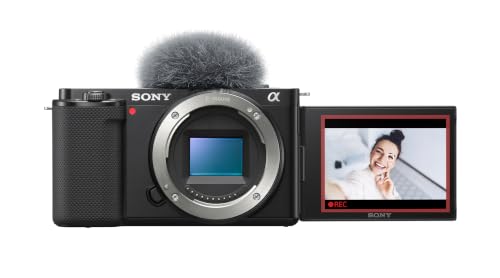
If you record tutorials or talking head videos alone, you start the camera and then step in front of it. A flip screen that faces you, reliable face tracking, and a remote start option keep long takes usable. See our guide to the best cameras for video blogging for framing and audio ideas in this style.
Key Features to Compare for Uninterrupted Recording
Short clip cameras and long session cameras diverge on endurance more than on image quality. If you mostly shoot brief clips, see our guide to the best cameras for video instead. For sessions measured in hours, judge every model against the six factors below, in this order, because a weakness in the first three ends a recording.
Recording Limits and File Handling
Some cameras stop recording at about 30 minutes because of older design rules or heat caution, which ruins any single take. Look for models with no stated time limit, or a limit well past your longest planned session. Good models also split a long recording into linked files without dropping frames, so you can join them in editing with no gap.
Heat Control During Long Sessions
Video processing generates steady heat, and a camera that warms up will warn you and then shut down to protect itself. Bodies with an internal fan, generous vents, or a heat threshold you can set higher handle warm rooms and summer work far better. If a maker lists a maximum recording time at a stated room temperature, treat that number as your real limit.
Battery Life and External Power Options
A standard battery often lasts about 60 to 90 minutes of video, short of many events. Look for a dummy battery that draws wall power, or USB C power that runs the camera while it records. Confirm recording continues while powered this way, since some models charge only when switched off. Carry a spare battery in case an outlet sits far from your tripod.
Storage Capacity and Card Speed
Long 4K video fills cards quickly, so capacity and write speed both matter. A card rated for video, such as a V30 or faster class, keeps up with high bitrate recording without stopping mid take. Dual slots add real value. Record to both cards at once for an instant backup, or let the second take over when the first fills.
Sensor Size for Clean Footage in Dim Halls
Sensor size shapes how clean your footage looks in dim halls. A 1 inch sensor improves on small compact sensors, APS C gathers more light again, and full frame gives the cleanest results at high ISO settings. Megapixels matter far less for video, because 4K uses only part of the sensor readout. Choose the larger sensor for dark venues, and a smaller one when portability rules.
Autofocus and Image Stabilization for Long Takes
Continuous autofocus has to hold a subject for an hour, not just nail a quick clip. Face and eye detection that stays locked while a speaker turns or steps back keeps long footage usable. Image stabilization matters most when the camera sits in your hands rather than on a tripod. In body stabilization smooths slow drift during handheld segments, while a locked tripod shot can look steadier with stabilization switched off.
Camera Types Compared for Long Video Work
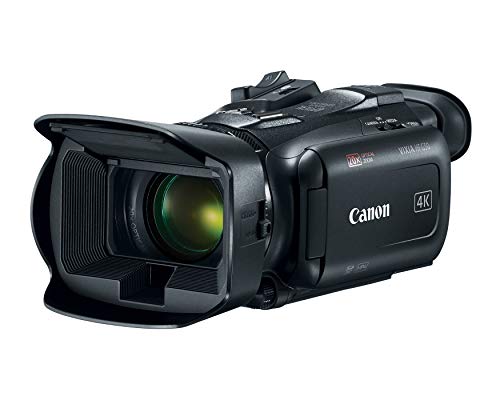
Mirrorless cameras give you large sensors, interchangeable lenses, and strong autofocus in a body you can also use for photos. They suit most long session buyers. For stills capable bodies, see our guide to the best digital cameras. Dedicated camcorders trade lens choice for endurance, with fans and power options built around hours of recording, the calm choice for fixed event work.
Action cameras record for long stretches in rough conditions, though their small sensors struggle in dim rooms. For long videos on boats, bikes, or sidelines, see our guide to the best action video cameras. Choosing among the best cameras for long videos usually means matching the type to your venue first, then checking endurance specs within that type.
Questions to Ask Before Buying for Long Shoots
Readers watching costs should also see our guide to the best inexpensive video cameras. Run through these questions for any model on your short list. A no on the first three should end your interest, no matter how attractive the price looks.
- Can the camera record past 60 minutes in one take at your settings?
- Does the stated heat limit exceed your longest session with margin?
- Can the camera run from wall power or a power bank while it records?
- Do your cards meet the speed class required for 4K video?
- Does the camera offer dual slots or relay recording?
- Can you monitor the picture on a screen facing your position?
- Does the body accept an external microphone for clearer speech?
Common Mistakes to Avoid
- Judging a camera by photo specs, so you miss a 30 minute video cap that splits every take.
- Recording a first long session at a real event, so a heat shutdown costs footage you cannot stage again.
- Buying one small card for an afternoon of 4K video, so recording stops when it fills mid ceremony.
- Trusting the internal microphone across a large room, so speech arrives faint under room echo.
- Leaving stabilization on for locked tripod shots, so the frame drifts while the camera hunts for movement.
- Ignoring spec sheets with no stated recording limit, so you learn the cap after buying.
Care Habits for Cameras That Record for Hours
Heat and dust shorten a hard working camera life, so let the body cool between long sessions and keep vents clear of tape and straps while you record. Clean the lens with a proper lens cloth rather than a shirt, since gritty fabric can scratch the coating. Store the camera in a dry, padded bag.
Charge batteries before they sit empty for months, rotate them so they age evenly, and format cards in the camera after you have backed up the footage twice. A spare battery and card in your bag turn most mid session problems into a brief pause instead of a lost recording.
FAQ
What features matter most in a camera for long videos?
The features that matter most are an absent or generous recording limit, proven heat control, and a way to power the camera beyond one battery. After those three, look at card capacity and calm autofocus. One point buyers overlook is the record lamp. A lamp visible from behind the camera lets you confirm recording from your seat.
How much storage does a two hour 4K video need?
A two hour 4K video needs about 90 to 180 gigabytes, depending on bitrate. At a common rate near 100 megabits per second, footage grows by roughly 45 gigabytes per hour. Multiply the listed bitrate by your session length, then buy card capacity with at least a third to spare, because a card that fills early ends the take.
Is a smartphone enough for recording long videos?
A smartphone is enough for casual long recordings in good light, and it is the camera you already own. For regular hour long work, though, phones heat up, fill internal storage with no card swap option, and interrupt recordings for calls. A dedicated camera also gives you a microphone input and steadier controls. Many creators start on a phone, then move up once heat ends a session that mattered.
How much should you spend on a first camera for long videos?
Spend about $400 to $900 for a first camera that records long sessions reliably, keeping part of the budget for cards and a microphone. Below that range, recording caps and weak heat control appear often. Above it, you gain larger sensors and dual slots. Your venue matters more than the tier, because a dim hall rewards sensor size, while a bright classroom rewards endurance first.
How can you test a camera for overheating before an important event?
You can test for overheating by recording a full rehearsal at home at your exact event settings, in a room of similar warmth, with the screen open as you plan to use it. Note when any heat warning appears and whether recording continues past your event length. If the warning arrives early, lower the frame rate before the real day.
Wrapping Up
Endurance decides this purchase. A camera with no short recording cap, honest heat behavior, and flexible power will finish your longest sessions, while storage, sensor size, and autofocus shape how good the footage looks. Match the type to your venue, run the checklist, and test at home before the day that counts. Chosen with those priorities, the best cameras for long videos disappear into the background of your shoot, so compare the product table above and pick the body you will not have to watch with worry.

