
Best Cameras for Long Exposure Photography: What Actually Matters Before You Buy for 2026
Disclosure: We may earn a commission when you buy through links on this page, at no extra cost to you. As an Amazon Associate I earn from qualifying purchases. Learn more

Compare the best cameras for long exposure photography with a buying checklist covering sensors, bulb mode, noise control, lenses, and battery life.
Choosing the best cameras for long exposure photography starts with shutter control, clean files during long exposures, and controls you can use in the dark. Burst speed matters far less here than bulb mode and steady tripod work.
Compare sensor size, lens options, battery life, and build quality against the subjects you plan to shoot. Then match your shortlist against the comparison table below, where you can check the key specs side by side.


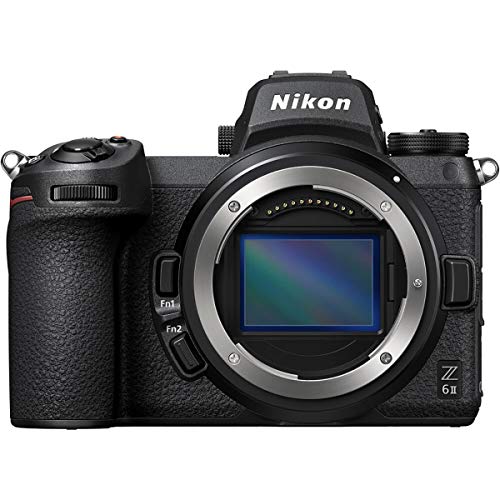


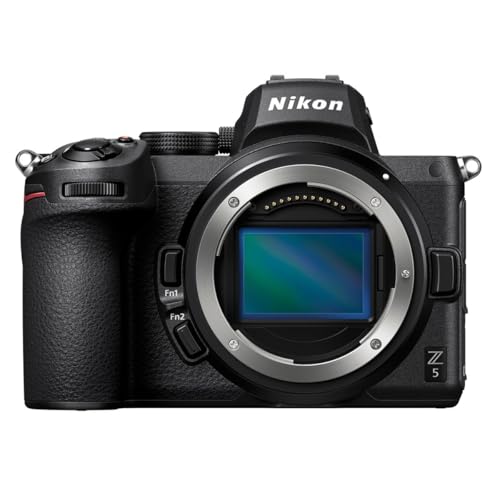

Key Features to Compare for Long Exposure Work
The product table above is a useful starting point, but the numbers only help when you know what each one changes in the field.
Features That Matter for Long Exposure Photography
Full manual exposure control is the foundation, because the camera meter will often misjudge a dark scene. Look for bulb mode, which holds the shutter open for as long as you choose, plus a built in interval timer for stacking frames into star trails. A remote release option also matters, since touching the camera can blur the frame.
Sensor Size and Image Quality
Sensor size shapes how clean your files look when you raise ISO in dark scenes. A 1 inch sensor can work for waterfalls in good light, but APS C and full frame sensors usually hold shadow detail better at night. More megapixels help with large prints, yet pixel count alone does not guarantee clean shadows. Readers who also shoot portraits and travel may want to see our guide to the best cameras for photography for a broader balance.
Video Capabilities
Video may seem unrelated, but many long exposure shooters also record time lapse sequences, and both share the same tripod and lenses. A camera with 4K video and an interval shooting mode can turn hundreds of still frames into a smooth clip of moving clouds or traffic. Heat control matters too, because a body that overheats will stop recording on warm nights.
Durability and Weather Sealing
Long exposure work often means dew on grass, sea spray on a pier, and cold wind on a hill. Weatherproof sealing around the dials, doors, and lens mount helps keep moisture out, though it never makes a camera safe in heavy rain without cover. Confirm that the lens you plan to use carries similar sealing, because a sealed body alone leaves a gap at the mount.
Lens and Zoom Range
The objective lens decides your framing and how much light reaches the sensor, so judge the camera and its lens system together. For night skies, a wide lens around 14 to 24 mm on a full frame body with an aperture of f/2.8 or wider is a strong start. A smooth manual focus ring matters because autofocus often hunts in darkness, and live view magnification lets you focus by hand with real precision.
Battery Life and Charging
A long exposure drains power in ways a normal shooting day does not, because the sensor and screen stay active for the full exposure. Plan on at least one spare battery for a night session. USB C charging is a real convenience, since you can top up from a power bank between locations. Cold air shortens battery life further, so keep spares in an inside pocket.
Size, Weight, and Ergonomics
You will carry this camera, a tripod, and lenses to places chosen for darkness or moving water, so total weight shapes how often you go out. Compact action cameras are light and tough, yet their small sensors and limited shutter control make them a poor main tool for this work. Look for well marked dials and a screen that tilts for low angles. Image stabilization helps handheld shots, but you will switch it off on a tripod.
How to Choose by Subject and Budget
The best cameras for long exposure photography are the ones that match your subjects, because a waterfall shooter and a star trail shooter stress different parts of the camera. Match features to your real subjects first, then set your budget around the lens and tripod you need.
Some photographers still choose film for long exposures, enjoying the slow pace and the look of grain in night scenes. If that route appeals to you, see our guide to the best film photography cameras before you commit to digital.
For Night Skies and Star Trails
Prioritize a full frame or APS C sensor, clean results at high ISO, and a wide lens with a bright aperture. An interval timer earns its place here, because star trails are built from dozens of shorter exposures stacked later. A screen that dims deeply also helps, since a bright display ruins your night vision.
For City Light Trails and Architecture
City work rewards dynamic range and precise manual control more than extreme high ISO performance. You will often shoot at low ISO with exposures of 10 to 30 seconds, using a small aperture to stretch shutter time and shape light trails from traffic. A tilting screen helps with low viewpoints on pavements and bridges.
For Seascapes, Waterfalls, and Travel
Moving water responds well to exposures from a fraction of a second up to several minutes, so a camera that pairs well with neutral density filters is essential. Weather sealing earns its cost where spray and drizzle are part of the subject. Travel shooters should weigh the whole kit, because a smaller body often gets carried more than a heavier setup.
For Your First Dedicated Camera
Your first camera for this work needs clear manual controls, bulb mode or long timed settings, and a lens system you can afford to grow. New shooters comparing starter options can see our guide to the best beginning photography cameras for models aimed at learning the basics well. Spending less on the body leaves money for the tripod and filters that long exposures truly depend on.
Budget honestly by adding the body, one suitable lens, a sturdy tripod, a remote release, and a basic filter set before you compare totals. Many starter kits land at about $600 to $1500 once those pieces are included. For a second view of entry level choices, see our guide to the best cameras for starter photography.
Setting Up for Your First Long Exposure
Mount the camera on a firm tripod and turn image stabilization off, since the system can drift while trying to correct movement that is not there. Focus using live view magnification on a bright star or a distant light, because autofocus often settles on the wrong point in darkness. Use a remote release or the self timer so your hand is clear when the shutter opens.
Start with a test frame at a high ISO and a short exposure to check framing and focus quickly, then lower ISO and lengthen the shutter time for the real shot. Review the result at full magnification on screen, checking corners as well as the center.
Quick Buyer Checklist
Run through these questions before you order, and treat any no answer as a reason to pause and check the product table above.
- Does the camera offer bulb mode or timed exposures long enough for your subjects?
- Can you trigger the shutter with a remote release or a phone app?
- Does the camera include a built in interval timer for star trail sequences?
- Is the sensor size large enough for the light levels you plan to shoot in?
- Does a suitable wide lens exist for the mount at a price you can accept?
- Can you fit neutral density filters to that lens without costly adapters?
- Does the battery system support USB C charging or affordable spare batteries?
- Are the dials and buttons easy to use with cold hands or thin gloves?
Red Flags to Watch For
Weak cameras for this work usually reveal themselves in the fine print rather than in the headline specs.
- Vague shutter claims that never state a maximum timed exposure or confirm bulb mode.
- A lens mount with few wide lenses available, which limits you long after the purchase.
- No remote release option at all, leaving you to touch the camera for every frame.
- Very short warranty coverage paired with no clear support route in your country.
- Listings that praise burst speed and tracking but never mention manual control.
Common Mistakes to Avoid
- Buying on megapixel count alone, so you end up with noisy shadows in every night scene.
- Using a flimsy tripod, so a light breeze blurs frames that took minutes to expose.
- Leaving image stabilization on while the camera sits on a tripod, so the system drifts and softens detail.
- Trusting autofocus in darkness, so the lens settles on a bright sign instead of your subject.
- Skipping a remote release, so your touch at the start of the exposure shakes the frame.
- Forgetting spare batteries, so a star trail sequence ends early on a cold night.
How to Make Your Camera Last Longer
Wipe the lens with a proper lens cloth rather than your shirt, because grit trapped in fabric can scratch the coatings on the objective lens. Use a blower to clear dust from the mount before you swap lenses. Store the camera in a dry, padded bag with the battery removed if it will sit unused for weeks.
Long sessions in damp air call for extra care, so let the camera warm up slowly indoors inside the closed bag to limit condensation on cold glass. Check the tripod plate screw before each outing, and clean the battery contacts with a dry cloth.
Frequently Asked Questions
What features matter most in cameras for long exposure photography?
Bulb mode, full manual control, and a remote release option matter most in cameras for long exposure photography. Add a sensor that keeps shadows clean and a lens system with suitable wide options. One factor many buyers miss is screen brightness control, because a screen that dims far enough protects your night vision during long waits between frames.
What does bulb mode mean on a camera for long exposure photography?
Bulb mode means the shutter stays open for exactly as long as you hold or lock the release, rather than stopping at a preset time. It lets you time exposures of several minutes for dark skies or deep filter effects. A locking cable release is the practical partner here, since holding a button by hand for minutes invites shake.
How much should you spend on your first camera for long exposure photography?
Plan on about $600 to $1500 for a first kit once the tripod, remote release, and filters are included alongside the body and lens. The body alone is only part of the real cost of this style. Spending a little less on the body to afford a sturdier tripod almost always improves your early results more than a higher spec sensor would.
Can a smartphone replace a camera for long exposure photography?
A smartphone can record light trails and smooth water with its night modes, so it is a fine way to learn composition. It cannot match a dedicated camera for manual control, filter use, lens choice, or clean files in very dark scenes. Think of the phone as practice, and the camera as the tool for serious night work.
Which camera specs matter most for beginners in long exposure photography?
Beginners should rank clear manual dials, a timed shutter range up to at least 30 seconds, and an affordable wide lens above advanced video or tracking specs. A tilting screen is another quiet advantage at low tripod heights. Start with scenes close to home, such as traffic trails or a local waterfall, so you can repeat the session easily.
Final Thoughts
Judge every candidate against the same short list: shutter control you can trust, a sensor that keeps shadows clean, and a lens system that fits your subjects. The comparison table above can then confirm price and core specs for the models that pass your checklist. Choose with the best cameras for long exposure photography in mind as a standard to test against, and your first night out will reward the care you took.

