
Best Cameras for Lifestyle Photography: What Actually Matters Before You Buy for 2026
Disclosure: We may earn a commission when you buy through links on this page, at no extra cost to you. As an Amazon Associate I earn from qualifying purchases. Learn more

Sensor size, autofocus, low light results, lenses and battery life explained to help you choose the best cameras for lifestyle photography.
Lifestyle photography is about real moments as they unfold, from a quiet morning at home to a birthday, a market stroll, or a weekend trip. The best cameras for lifestyle photography are not always the models with the longest spec sheet. They are the ones you will carry often, start quickly, and trust in ordinary light. The comparison table below gives you a quick starting point for comparing size, price, and core features.
This guide turns that quick look into a clear checklist covering sensor size, lenses, autofocus, battery life, budgets, and the warning signs that should make you pause before ordering.


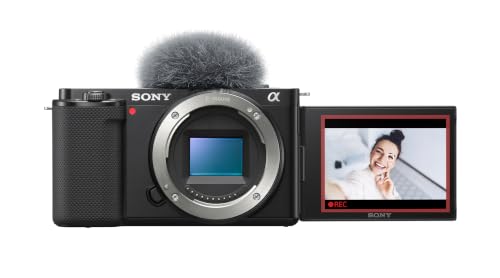



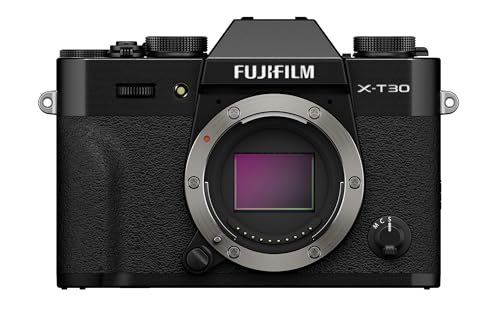


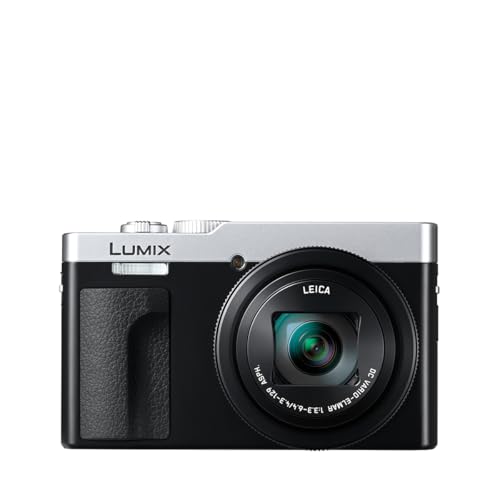
Key Features to Compare Against a Simple Checklist
Start with how you actually shoot, not with a brand name. Most lifestyle work happens at arm length or across a room, in mixed indoor light, with people who will not hold a pose for long. A camera that feels good in your hands and focuses without fuss will serve you better than a larger model that stays in a closet.
Features That Matter for Lifestyle Photography
Lifestyle images depend on speed, comfort, and natural color more than on extreme reach or studio power. Look for a responsive start up, controls you can reach without lowering the camera, and a screen that tilts for low or high angles when you shoot children, food, or street scenes. A weatherproof body or at least solid seals help if you shoot outdoors often. Built in WiFi matters too, since quick sharing is part of how many people use these photos.
Sensor Size and Image Quality
Sensor size shapes detail, background blur, and clean results after sunset. Compact models often use a 1 inch sensor, a strong step up from most phones while keeping the body small. APS C sensors gather more light and pair well with interchangeable lenses, while full frame sensors give the most control over depth of field and the cleanest files in dim rooms. Megapixels matter less than many listings suggest. Around 20 to 26 megapixels is plenty for large prints and careful cropping.
For a broader view of camera types before you decide, see our guide to the best digital cameras for a plain language overview of the main formats.
Lens Choice, Optical Zoom, and Magnification
The objective lens in front of the sensor decides what you can frame without moving. On a fixed lens compact, optical zoom changes magnification by moving glass inside the lens, so detail stays sharp across the range. Digital zoom only crops the image and should not drive your choice. For interchangeable lens models, a versatile zoom covering wide to short telephoto views handles most daily scenes.
Ease of Use for Your Skill Level
Good auto modes let you focus on the moment while you learn. Scene modes, face detection, and simple exposure controls help new owners get pleasing results right away, and a guided menu is worth more than custom settings you may never open. If this is your very first dedicated camera, see our guide to the best beginning photography cameras for features aimed at new owners.
Low Light Performance
Kitchens, restaurants, and living rooms are where lifestyle photos live, and they are rarely bright. A lens with a wide maximum aperture lets in more light and keeps shutter speeds fast enough for moving people. Useful high ISO settings matter as well, because a camera that stays clean at ISO 3200 or 6400 gives you options when flash would spoil the mood. Favor cameras that keep skin tones natural as sensitivity rises.
Autofocus and Stabilization
People blink, laugh, and turn away, so autofocus speed and eye detection are central to this style of shooting. Eye autofocus locks onto a face and holds it as your subject moves, which raises your share of sharp portraits without extra effort. Image stabilization, whether in the body, in the lens, or both, steadies small hand movements at slower shutter speeds and smooths short video clips. For moving subjects, a faster shutter speed still matters more than any stabilizer.
Battery Life and Charging
Check the rated shots per charge, but read it as a rough guide, since heavy screen use and WiFi transfer drain a battery faster than the rating assumes. A camera that charges over USB C is easier to live with on trips, because one cable can serve your phone and your camera. Include a spare battery in your budget from the start, since proprietary packs vary in price.
Buying Guidance by Budget and Shooting Style
When you shop for the best cameras for lifestyle photography, think in terms of what each budget level actually changes. Money spent well buys light gathering ability, focusing confidence, and lenses you will enjoy using. Money spent poorly buys features that rarely leave the menu. The three groups below describe what to expect, so you can judge any model in the product table above against your own needs.
Modest Budgets and Simple Needs
At the lower end, point and shoot compacts and entry level mirrorless bodies can still deliver warm, pleasing images in good light. Prioritize a lens with a bright wide end, a tilting screen, and simple controls over a long zoom range you will seldom use. This level suits casual family records, travel snapshots, and social sharing. If learning the basics on a tight budget is your main goal, see our guide to the best cameras for starter photography.
Midrange Budgets and Growing Skills
The middle of the market is where most lifestyle shooters find their long term camera. APS C mirrorless cameras in this range offer eye autofocus, good 4K video, and a wide choice of affordable lenses. Plan to spend part of the budget on one bright prime lens, since it will change your indoor results more than a small step up in body price. Total spending here often lands around $800 to $1500 with a first lens.
Higher Budgets and Client Work
Spending more should buy consistency, not just prestige. Full frame bodies bring stronger low light files, wider dynamic range for bright windows and shaded faces in the same frame, and dual card slots that protect paid work against a card failure. This level makes sense for weddings, brand sessions, or regular paid portraits. For unpaid personal work, the midrange gains above usually cover your needs, with money left for lenses.
Quick Buyer Checklist
Run through these questions before you order, and let a no answer point you to a different model rather than a bigger accessory bundle. Compare your answers against the product table above as you go.
- Can you hold the camera comfortably in one hand without strain?
- Does the lens range cover wide room views and closer portraits?
- Does the camera offer eye autofocus and tracking for moving subjects?
- Is the widest aperture bright enough for indoor photos without flash?
- Can you charge the battery over USB C, and is a spare priced fairly?
- Does the screen tilt or flip for low angles and self recording?
- Will the WiFi app move photos to your phone in a few simple steps?
- Does the total cost, with a card and a bag, still fit your budget?
Red Flags to Watch For
Some listings work hard to sound impressive while saying very little. Slow down when you meet any sign below, and check the full specification on the maker site before you trust a marketplace description.
- The listing leads with a huge digital zoom number and never states the true optical zoom range.
- Megapixels are the only image quality claim, with no mention of sensor size at all.
- The warranty is very short or handled by an unnamed seller, leaving you without support later.
- Reviews praise the camera in vague, repeated language and never mention focusing or battery life.
- The camera uses an unusual memory card or a discontinued battery type that is hard to replace.
Picking the Right Camera for Different Uses
Two buyers can read the same checklist and land on different cameras, because their subjects differ. A parent recording school plays needs reach and simple controls, while a creator filming apartment tours needs a flip screen and clean audio options. For a wider comparison across photography styles, see our guide to the best cameras for photography.
Mirrorless Cameras for Professional Lifestyle Work
For paid or portfolio level work, mirrorless cameras built for professionals add three things that matter daily. First, autofocus that holds an eye through movement and partial turns of the head. Second, files that tolerate strong editing, with wide dynamic range and reliable color under mixed window and lamp light. Third, a lens lineup with bright zooms and primes on one mount, so your kit grows without adapters.
Family Days, Travel, and Everyday Stories
For family and travel use, size decides whether the camera comes along at all. A compact body with a moderate zoom covers school events, market visits, and evening walks without a separate bag. Fast start up and a simple auto mode help when a moment lasts two seconds. If you enjoy a slower, deliberate style on trips, see our guide to the best film photography cameras for a very different way to record the same days.
Tips to Get the Most From Your Camera
Clean the front lens element with a soft lens cloth rather than a shirt, since shirt fabric can drag grit across the coating and leave fine marks. Carry a spare battery and a spare card in the same small pouch every time, so you never guess where they are. Store the camera in a dry, padded bag away from bathroom steam and car heat, and let a cold camera warm up slowly indoors to limit condensation.
Settings habits matter just as much. Set the date and file naming once, so your archive stays in order as it grows. Turn on the level display if your camera has one, since straight horizons make home and travel scenes look calmer.
Frequently Asked Questions About Lifestyle Cameras
What features matter most in cameras for lifestyle photography?
Fast and reliable eye autofocus matters most, because lifestyle subjects move and rarely pose. A bright lens, a sensor that stays clean in indoor light, and controls you can use without thinking follow close behind. One point the main checklist only touches briefly is audio. If you record family moments as video, a microphone input gives far clearer sound than any built in microphone, so check for that port if video is part of your plan.
Which camera sensor size is better for low light lifestyle photos?
A full frame sensor is better for low light lifestyle photos, since its larger surface gathers more light and keeps noise lower at high ISO settings. APS C is a close second and often the smarter buy once lens prices enter the picture. The lens aperture can outweigh the sensor gap. A bright prime on a smaller sensor will often beat a slow kit zoom on a larger one in a dim living room.
How much should I spend on my first lifestyle camera?
Most first time buyers do well spending about $500 to $1000 on a camera and a first lens together. That range covers capable compacts and entry mirrorless kits with eye autofocus and good screens. Keep roughly a fifth of your budget aside for a spare battery, a fast memory card, and a padded bag. Spending a little less on the body and keeping that reserve almost always leads to a better first year.
Is a smartphone enough instead of a dedicated lifestyle camera?
A smartphone is enough for quick sharing and bright outdoor scenes, and it is always the camera you have with you. A dedicated camera earns its place when light drops, when you want natural background blur that software cannot fake well, or when you print large. Battery life is another practical gap. A camera can shoot a full family day on one charge while your phone also handles maps, messages, and calls.
What camera specs matter most for beginners shooting lifestyle photos?
For beginners, a helpful auto mode, eye detection autofocus, and a tilting touch screen matter more than raw resolution. A kit zoom covering a wide room view to a mild portrait view handles most early subjects. One beginner friendly detail worth checking is the in camera help text, since some models explain each setting in plain words on the screen.
Final Thoughts
Keep your decision anchored to three things: a sensor and lens pairing that handles indoor light, autofocus that finds eyes without help, and a body pleasant enough to carry daily. Compare your shortlist once more in the comparison table above, then choose the model that fits your hands, your subjects, and your budget with the least compromise.
The best cameras for lifestyle photography are simply the ones you will reach for tomorrow morning. Pick that one, learn it well, and let the moments in front of you do the rest.

