
Best Cameras for Journalists in 2026: Which Type Is Right for You?
Disclosure: We may earn a commission when you buy through links on this page, at no extra cost to you. As an Amazon Associate I earn from qualifying purchases. Learn more

Compare mirrorless, compact, action and vlogging types to choose the best cameras for journalists by strengths, ideal uses and typical price range.
Choosing between mirrorless bodies, compacts, action models, and vlogging designs can feel confusing when every type promises speed and sharp images. This guide compares the best cameras for journalists by type, so you can match the format to your beat.
You will see what each type does well, where it falls short, and what it usually costs. Start with the comparison table below, then read the sections on video, sensors, and low light to narrow your shortlist with confidence.




Types of Cameras Compared
Journalists rarely shoot one kind of scene. The four types below cover that range, and most reporters end up favoring one main body plus a smaller backup.
Mirrorless Cameras
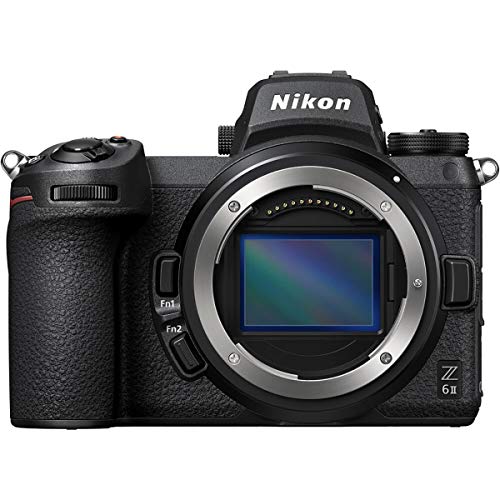
Mirrorless cameras use an electronic viewfinder or the rear screen instead of a mirror and optical finder. That design keeps bodies compact while still accepting interchangeable lenses.
For reporting, the strengths are fast autofocus, strong 4K video, and excellent stills quality from larger sensors. The trade offs are price and complexity. A capable body with a kit lens costs about $1,000, and fuller kits reach about $3,000 or more. Choose this type if image quality and flexibility matter most.
Point and Shoot Compacts
Point and shoot compacts keep the lens fixed to the body, and many fit in a jacket pocket. Better models use a 1 inch sensor that clearly beats a phone in dim light.
The limits are real. You cannot swap lenses, controls are smaller, and the smallest sensors struggle after dark. Prices range from under $200 for basic models to about $1,000 for premium versions with strong optical zoom. Choose a compact if discretion, speed, and simple carrying matter more than maximum quality.
Action Cameras
Action cameras are tiny, rugged, and usually weatherproof without an extra housing. Wide angle lenses capture a whole scene from close range, and strong image stabilization keeps footage steady while you walk through a crowd or ride along on a story.
Their weakness is flexibility. The fixed wide view distorts faces at close range, zoom is mostly digital, and tiny controls make manual settings awkward. Most cost about $200, and the top models reach about $500. Choose an action camera as a second angle or for harsh conditions, rarely as your only reporting tool.
Vlogging Cameras
Vlogging cameras are built around video and the person holding them. Expect a flip screen you can see from the front, a microphone input, reliable face tracking autofocus, and a wide lens that keeps both you and the background in frame.
For journalists who record stand ups, interviews, and explainers, that layout saves time and extra crew. The compromises are shorter battery life, less rugged bodies, and stills features that lag behind photo focused models. Prices sit around $500, with stronger models at about $1,500. Choose this type if on camera video is the core of your work.
Mirrorless Cameras vs Point and Shoot Compacts: Which Should You Choose?
Start with image quality. A mirrorless body with an APS C or full frame sensor gathers far more light than most compacts, so files stay clean at high ISO settings and you can crop without losing the story. A premium compact narrows the gap in daylight but not at night.
Next, weigh speed and discretion. A compact starts fast, looks unobtrusive, and draws little attention at sensitive scenes. A mirrorless kit takes more room and signals that you are press, which helps at official events and hurts when you need to blend in.
Finally, compare cost and growth. A compact is one purchase with nothing else to buy. A mirrorless body costs more once lenses, cards, and a bag are added, but it grows with your assignments. If you shoot mostly stills for print and web features, mirrorless wins. If you file quick web stories all day, a good compact may serve you better.
How to Choose the Right Camera
Video Capabilities
Most newsrooms now expect video with every story, so look for 4K video recording at 24 or 30 frames per second at minimum, with 60 frames per second useful for smoother motion. A microphone input matters more than almost any other video feature, because clear speech carries an interview and camera microphones pick up wind and room echo.
A headphone jack lets you monitor audio while recording, and a flip screen helps when you film yourself. Log profiles give editors more room to adjust color, but they add work in post production, so treat log as a bonus rather than a requirement for daily news.
Sensor Size and Image Quality
Sensor size shapes image quality more than megapixel count does. Full frame sensors lead in low light and shallow depth of field, APS C sensors balance quality and lens size well, and 1 inch sensors power the best compacts. A 20 to 24 megapixel count is plenty for front pages and large web displays.
More megapixels mainly help when you crop hard, and they create larger files that slow down filing from the field. Otherwise, favor the larger sensor over the bigger number.
Low Light Performance
Journalists cannot choose the light at a vigil, a night protest, or a dim council chamber. A fast lens, meaning a low maximum aperture number such as f1.8 or f2.8, lets in more light and keeps shutter speeds usable. In body image stabilization also helps by steadying slow handheld shots of still subjects.
Check how a camera handles high ISO settings in sample images rather than trusting the maximum ISO on the spec sheet. Clean files at ISO 3200 or 6400 mean you can publish without heavy noise reduction.
Features That Matter for Journalists
Certain features separate a reporting tool from a hobby camera. Weather sealing protects against rain at outdoor scenes. Dual card slots let you write a backup copy of every file, which guards irreplaceable images against a card failure. Fast, quiet burst shooting helps at press events, and a silent shutter avoids disturbing courtrooms, ceremonies, and hospital settings where policy allows photography.
Connectivity matters too. WiFi and Bluetooth transfer lets you send a publishable photo to your phone and on to your editor within minutes. If your work leans toward studio style features and portraits, see our guide to the best cameras for photography for a deeper look at that side of shooting.
Size, Weight, and Ergonomics
You may carry your camera for ten hours at a festival, a trial, or a disaster scene. A heavy kit that felt fine in a store can punish your neck and shoulders by evening, so count the full load of body, lens, batteries, and bag rather than the body alone.
Grip shape, button placement, and menu layout decide how fast you can change settings without looking away from the scene. When in doubt, the camera you willingly carry everywhere will outshoot the better camera left at the office.
Cameras for Specific Reporting Needs
Needs differ by beat and deadline, so the best cameras for journalists for one reporter may be the wrong fit for another. Use the two guides below to match the format to your dominant assignment type.
Best Video Cameras for Journalists
When video leads the assignment, the best video cameras for journalists are the ones that record clean audio and start fast. Prioritize a microphone input, dependable continuous autofocus, and stabilization that smooths walking shots. A mirrorless or vlogging model usually fits best, while an action camera adds a rugged second angle for vehicles, weather, and crowds.
Best Digital Cameras for Journalists: Which Type Works Best
Every option in this guide is digital, so the real question behind best digital cameras for journalists is which format fits your filing routine. If you send images straight from the field, favor models with strong phone apps and fast transfers. If your desk edits everything, favor raw file quality and battery life. For a wider view of the category, see our guide to the best digital cameras and compare how general models stack up.
Quality focused buyers who plan to keep one body for years should also weigh build, support, and lens selection. Our overview of the best quality cameras explains how those long term factors show up in daily use.
Tips to Get the Most From Your Camera
- Clean the front lens element with a lens cloth, not your shirt, because shirt fabric can hold grit that scratches coatings.
- Carry a spare battery and a spare card, since cold weather drains batteries and a full card always seems to arrive mid quote.
- Store the camera in a dry, padded bag, and let a wet body dry slowly at room temperature before charging.
- Format cards in the camera after your files are safely backed up, which keeps the card file system healthy.
- Practice with new gear on a quiet assignment first, so menus and buttons feel automatic when news breaks.
New reporters building a kit from zero can also browse our guide to the best starter cameras for entry level context before committing to a professional body.
Frequently Asked Questions
What features matter most in cameras for journalists?
Fast autofocus, a microphone input, weather sealing, and reliable battery life matter most in cameras for journalists. Add dual card slots if your images cannot be replaced. One point the spec sheets hide is file transfer speed, because a camera that sends photos to your phone quickly can decide whether your image leads the story or arrives after a rival publishes.
How much should a journalist spend on a first camera for reporting?
A journalist should expect to spend about $500 at the low end and about $1,500 for a fuller first camera setup for reporting. That range covers a solid compact or an entry mirrorless body with a kit lens. Budget for a bag, spare battery, and fast cards as well, and remember that a used lens in good condition often adds more value than stretching for a newer body.
Is a smartphone enough for journalism work instead of a dedicated camera?
A smartphone is enough for breaking news stills and short clips in good light, and editors accept phone images when speed matters. A dedicated camera pulls ahead for zoom reach, night scenes, long interviews, and print use. Many reporters file phone shots for the first alert, then switch to the camera for the fuller story that follows.
Which camera type is better for journalists shooting in low light?
A mirrorless camera with a full frame sensor and a fast lens is better for journalists shooting in low light than any compact or action model. It holds detail at high ISO settings and keeps colors usable. One extra trick is to expose slightly brighter than feels safe, within reason, because lifting deep shadows in editing adds more visible noise.
What does optical zoom mean on a camera for journalists?
Optical zoom means the lens changes focal length physically, so magnification increases without throwing away pixels. A 3x or 10x rating compares the widest and longest settings of that lens. Digital zoom simply crops the image, which lowers quality. For press events where you cannot move closer, genuine optical reach matters far more than a large digital zoom number.
What camera specs matter most for journalists who are beginners?
For journalists who are beginners, the specs that matter most are sensor size, autofocus speed, and battery life, plus a simple auto mode that stays dependable. Skip chasing the highest megapixel count or the fastest burst rate. A beginner gains more from a camera with clear menus and a good kit lens, because confidence with basics produces publishable files sooner.
The Bottom Line
Match the type to your beat first. Mirrorless bodies lead on quality and growth, compacts lead on speed and discretion, action models survive rough scenes, and vlogging designs serve on camera reporters.
Whichever route you take, the best cameras for journalists are the ones that start fast, record clear audio, and get files to your editor without fuss. Use the comparison table above to confirm price and format, and your next assignment will be easier to cover well.

