
Best Cameras for Intermediate Photographers 2026 Guide
Disclosure: We may earn a commission when you buy through links on this page, at no extra cost to you. As an Amazon Associate I earn from qualifying purchases. Learn more

Run a simple checklist over the best cameras for intermediate photographers: sensor, autofocus, battery, lenses, and handling, plus red flags to avoid.
Spec sheets reward whoever shouts the biggest numbers, which is a poor way to choose your next camera. A short checklist works better, and this guide applies one to the best cameras for intermediate photographers so you can score each candidate on the same points. You will check the sensor, the focus system, the battery, the lens range, and the handling before you look at price.
The comparison table below gathers the main camera types in one place. Keep it open while you read, and mark off each checklist point against the bodies you are considering.



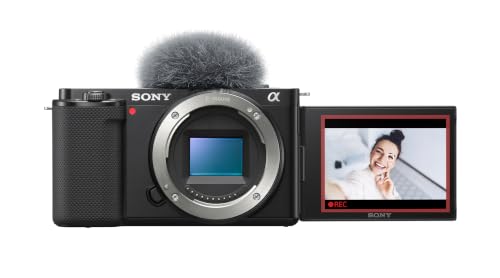

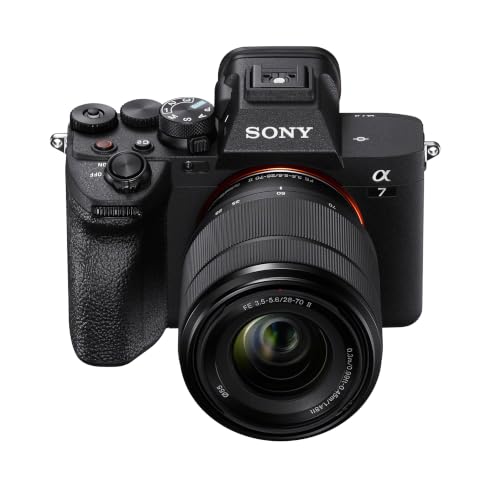
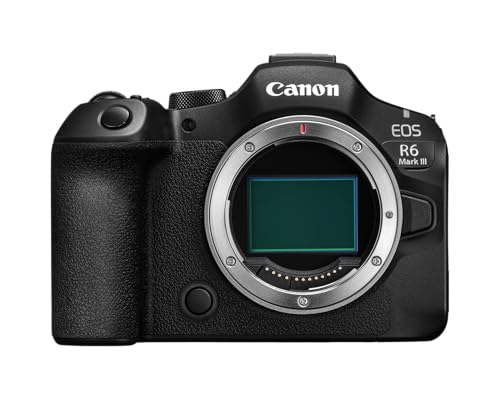


The Checklist: What to Check Before You Buy
Work through the six points below in order. Each point names what to check and what a passing result looks like. A camera that passes the first four and feels right on the last two will serve you longer than a fashionable body that fails on basics.
Features That Matter for Intermediate Photographers
Intermediate shooters have outgrown full auto shooting, so the checklist starts with control: two command dials, a way to save custom settings, and raw files you can edit hard without banding. If you are still building those habits, our overview of the best cameras for starting photographers shows the step before this one. Cameras at this level should also offer a hot shoe, a microphone input, and focus aids such as peaking for manual lenses.
Sensor Size and Image Quality
Judge the sensor by the prints and crops you plan, not by the megapixel headline. APS C remains the value center, full frame earns its price when you crop heavily or shoot after sunset, and smaller sensors repay you with tiny lenses. Across the wider market for best digital cameras, the pattern holds: file quality rises with sensor area, while size and lens cost fall as the sensor shrinks.
Battery Life and Charging
Check the rated shots per charge, then discount that figure for cold days, long reviews of your shots, and heavy screen use. USB C charging earns checklist points because a power bank in your bag can rescue a travel day. A body that shares batteries with its predecessor also saves money if you are upgrading within one system.
Lens and Zoom Range
Score the lens lineup, not just the kit zoom in the box. You want an affordable fast prime, a standard zoom with a bright aperture option, and a telephoto that fits your budget within two years. Focal length ranges should cover how you actually shoot: wide for rooms and landscapes, midrange for people, and long for wildlife or field sports.
Autofocus and Stabilization
Run three checks on paper: does the focus system cover most of the frame, does it recognize your main subjects, and does tracking hold while the burst runs? Stabilization in the body or the lens should cover your slowest handheld shutter speeds. A camera that misses focus on moving kids or pets fails the checklist no matter how fine its still subject results look.
Handling, Size, and Controls
Hold the camera with your longest lens mounted and work the dials without looking down. Buttons you can find by touch, a grip that fills your palm, and a screen that tilts for low angles all pass. Weight matters on a scale of hours: a body that feels fine for ten minutes in a shop can tire your wrist across a wedding day. A body that balances well also reduces the small shakes that blur slow shutter shots.
Quick Buyer Checklist
- Can you set aperture, shutter speed, and ISO without opening a menu?
- Does the focus system track your main subject across the frame?
- Will one battery last your longest typical shooting day, or is a spare cheap?
- Do the lenses you want next exist in this mount at prices you accept?
- Is the grip comfortable with your heaviest planned lens attached?
- Does the body record the video quality you need without strict time limits?
- Can you charge the battery in the body while you travel?
Red Flags Worth Walking Away From
- A spec sheet that hides the sensor size or lists only digital zoom figures.
- No raw file option, which blocks the editing growth this stage is about.
- A lens mount with only one or two native lenses and no clear roadmap.
- A warranty that excludes the shutter or lasts only a few months.
- Kit pricing that jumps once you add the battery, charger, and card the box omits.
Picking the Right Camera for Different Uses
DSLR Cameras for Intermediate Photographers
Shoppers who prefer an optical viewfinder and long battery life often land on DSLR bodies. Score them with the same checklist: pentaprism brightness, focus points spread, and live view quality for tripod work. Their mature lens mounts also open a deep pool of used glass, which stretches a budget further than any body discount.
Travel Kits That Stay Light
For travel, pass the checklist with the smallest kit that still covers your subjects: a compact body, a standard zoom, and one fast prime for evenings. Total bag weight under about 2 kilograms keeps the camera on your shoulder all day. Readers comparing upgrade paths may also weigh best intermediate cameras that trade a little sensor size for a much lighter bag.
Portrait and Event Work
People photography rewards eye detection that never hunts, quiet shutter options for ceremonies, and lenses with smooth background blur. A second card slot or a fast backup routine protects work you cannot reshoot. Skin tone handling in the default color settings deserves a look, because hours of editing multiply when faces come out wrong. Try the eye detection on glasses wearers and moving children, because those cases expose weak systems quickly.
Tips to Get the Most From Your Camera
- Wipe the front element with a clean lens cloth, and keep a rocket blower for dust, so grit never grinds the coating.
- Carry a spare battery on any shoot that matters, and top up both batteries the night before.
- Store the kit in a dry padded bag, and air it out after rainy days so moisture leaves the foam.
- Practice one new setting per outing, such as back button focus, until it becomes automatic.
- Never look at the sun through an optical viewfinder, and avoid pointing any camera at the sun for extended periods, since focused light can injure eyes and damage sensors.
Frequently Asked Questions
How many megapixels does an intermediate photographer actually need?
Most intermediate photographers need fewer megapixels than marketing suggests, because about 24 megapixels already prints sharply at large sizes and crops moderately. Higher counts help only when you crop hard or print very big, and they bring larger files and slower bursts. Spend the difference on a lens first. Your computer storage and backup drives will also thank you for the smaller files.
Should an intermediate photographer buy a body only or a kit?
Buy the kit when the bundled zoom costs far less inside the bundle than it does alone, which is common at this level. Buy body only when you already own a compatible standard zoom or plan to start with a fast prime instead. Either way, price the full basket with battery, card, and bag before you judge which route is cheaper.
Is weather sealing worth paying for on an intermediate camera?
Weather sealing is worth paying for when you regularly shoot in rain, dust, or sea spray and your lenses are sealed as well. An unsealed lens on a sealed body leaves the mount as the weak point. If most of your work happens indoors or in fair weather, put the money toward glass and treat a rain cover as your protection plan.
When should an intermediate photographer upgrade a lens instead of the body?
Upgrade the lens when your body focuses reliably and its files satisfy you, but a focal length or aperture blocks the shots you want. New glass changes your pictures more than a similar priced body swap at this stage. Upgrade the body instead when missed focus, poor low light files, or missing video features are the limits you keep hitting.
Can an intermediate photographer rely on a smartphone for paid work?
A smartphone can support paid work as a backup and for behind the scenes content, but clients expect the depth, lens choice, and reliability of a dedicated camera for the main deliverables. Phones also struggle with long zooms and fast action. Treat the phone as your safety net and scout, and let the camera carry the images you are hired to produce.
Final Thoughts
Score every candidate against the checklist, reject anything showing the red flags, and let the product table above confirm how the types compare. Sensor, focus, and lenses decide your ceiling, while handling decides whether you reach for the camera at all. Picked this way, the best cameras for intermediate photographers choice is the body that passes your list today and still passes it after two more years of growth.

