
Best Cameras for Instagram Models for 2026: Budget, Midrange, and Premium Picks
Disclosure: We may earn a commission when you buy through links on this page, at no extra cost to you. As an Amazon Associate I earn from qualifying purchases. Learn more

Compare cameras for Instagram models by budget, with clear guidance on sensors, autofocus, lenses, flip screens and video for daily posting and reels.
Camera prices for Instagram work stretch from under $300 to well over $2,000, and the gap is not always visible in a finished post. The best cameras for instagram models are the ones that match how you shoot, alone or with a photographer, indoors or on location. Start with the comparison table below, then use the tiers in this guide to see where extra money actually changes your images.
You do not need the most expensive body to build a strong feed. You need reliable focus on your eyes, pleasing skin tones, a lens that flatters your face and outfits, and a fast way to move files to your phone.

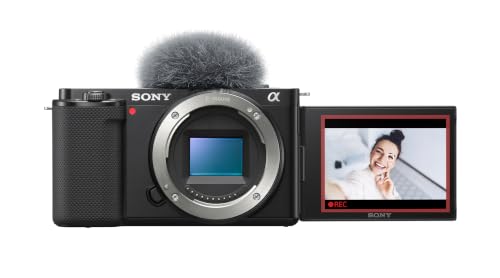


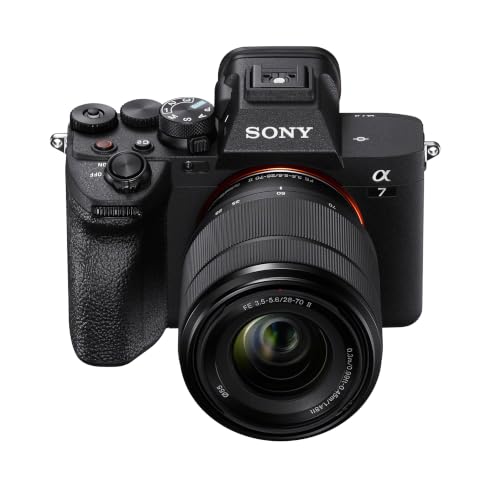

Who Should Buy Which Camera for Instagram Modeling?
Your posting pace and shooting setup matter more than your follower count. Match the camera type to the way you already work each week.
New Models Building a Portfolio on a Small Budget
You shoot mostly at home or outdoors in daylight, often with a tripod and a timer or remote. A point and shoot compact or an entry mirrorless body with a kit lens covers those sessions well and keeps your bag light. Spend first on good window light and a sturdy tripod.
Working Models Posting Daily Stories and Reels
You publish every day, film yourself talking to the camera, and move between outfits, cafes, and events. Choose a mirrorless camera with a flip screen, dependable autofocus, and WiFi transfer so drafts reach your phone in minutes. For a broader look at posting formats, see our guide to the best cameras for instagram.
Established Models Shooting Brand Campaigns
You deliver files to brands that may crop images for ads, print lookbooks, or reuse a shot across a campaign. A larger sensor, sharper lenses, and dual card slots protect that paid work and give editors more room to crop. A second lens also helps for full length outfit shots in small rooms.
Key Features to Compare
Compare these factors in order, because the first three shape image quality in nearly every post you publish.
Sensor Size and the Clean Files Your Feed Needs
Sensor size controls how much light a camera gathers and how clean files look when you crop or brighten them. A 1 inch sensor in a compact already steps up from most phones, an APS C sensor gives cleaner shadows and softer backgrounds, and a full frame sensor offers the most detail and lens choice. Megapixels matter less, since Instagram compresses every upload and a sharp 24 megapixel file is plenty for posts and most brand crops.
Autofocus That Locks Onto Eyes
Autofocus decides how many of your solo shots stay sharp. Eye detection finds your nearer eye and holds focus as you shift pose, turn your head, or walk toward the camera, which saves you from checking every frame. Test any camera with your hair, glasses, or lashes in place, because styling can confuse weaker systems. Face tracking also helps a photographer during movement.
Low Light Performance for Evening and Indoor Shoots
Many model shoots happen in restaurants, hotels, or streets after sunset, where a small sensor turns grainy and skin looks patchy. A larger sensor and a lens with a wide maximum aperture, such as f/1.8 to f/2.8, let you keep ISO lower and shutter speeds fast enough to avoid blur. Raise ISO only as far as your test shots stay clean on a phone screen.
Lenses, Focal Length, and Optical Zoom
The lens shapes your face and body more than the camera body does. Focal lengths around 35 mm to 50 mm on a full frame camera, or the matching range on smaller sensors, give natural proportions for portraits and outfit shots. Optical zoom lets you change framing from the same spot, which helps in tight dressing rooms, while digital zoom only crops and loses detail. A wide aperture objective lens also softens busy backgrounds.
Screens, Stabilization, and Fast Posting Tools
A flip screen that faces forward lets you check pose, hair, and framing while you shoot alone, and a phone app remote lets you trigger the shutter without a timer dash. Image stabilization smooths handheld video, and 4K video gives you room to crop vertical reels from a horizontal clip. WiFi and Bluetooth transfer finish the job, because a file that takes an hour to reach your phone will miss your planned post time.
What Each Spending Level Adds to Your Kit
Price tiers for the best cameras for instagram models follow a clear pattern, and knowing it stops you from paying for power you will never use.
Budget Tier: Light Compacts for Daylight and Learning
At about $300 to $600, expect point and shoot compacts and entry mirrorless bodies with a kit lens, a 1 inch or APS C sensor, and basic eye detection. Images look clean in daylight, but evening shots show more grain and focus hunts in dim light. This tier fits new models who shoot outdoors and want to learn exposure and posing first.
Midrange Tier: Stronger Focus and Cleaner Video for Daily Posting
At about $600 to $1,200, you gain a larger or newer APS C sensor, far more reliable eye autofocus, a forward facing screen, and 4K video that holds up after cropping to vertical format. Skin tones usually look more accurate straight from the camera, which cuts editing time. This is where most working models should land.
Premium Tier: Full Frame Detail for Paid Campaign Work
At about $1,200 to $2,500 and above, full frame bodies bring the cleanest low light files, the softest background blur, and the widest lens systems, along with weather sealing and dual card slots on many models. Full frame lenses cost more and weigh more, so choose this tier when brands pay for files.
Long term costs sit outside the body price. Budget for a spare battery, two fast memory cards, a tripod, a small continuous light, and a padded bag. Lenses often outlast bodies, while cheap cards that fail can cost you a whole paid shoot.
Common Mistakes to Avoid
These errors cost money or spoil shoots more often than a modest camera does.
- Buying on megapixels alone leaves you with a huge file count but weak focus and poor low light results.
- Shooting every portrait at the widest lens setting stretches faces near the edges and makes outfits look distorted.
- Skipping a flip screen or remote forces solo models to guess framing and reshoot whole sets.
- Ignoring transfer speed delays posting for hours and breaks a planned daily schedule.
- Spending the whole budget on a body leaves nothing for light, cards, or a spare battery.
Care and Maintenance for Cameras Used on Location
Keep a soft cloth in your bag and wipe the lens before each set, because makeup, sunscreen, and hair spray settle on glass during outfit changes and soften every frame. Store the camera in a padded bag away from perfume and water bottles, and use the lens cap whenever you move between locations.
Charge batteries the night before a shoot and format cards in the camera after you have backed up files in two places. Use a blower for loose dust on the sensor, and leave deeper cleaning to a service shop. Dry a damp camera at room temperature before packing it away.
FAQ
What features matter most in cameras for Instagram models?
Reliable eye autofocus, a sensor large enough for your usual light, and a flattering lens matter most. Together they decide whether your face stays sharp, your skin looks clean, and your proportions look natural in the frame. A flip screen ranks just behind them for solo work. For stills only guidance, see our guide to the best cameras for instagram photos for a closer look at photo focused choices.
What camera specs matter most for new Instagram models?
A new model should value simple controls, guided shooting modes, and a kit lens that covers wide room shots and closer portraits. Those basics let you learn posing and light without fighting menus during a session. One spec many new buyers miss is minimum focus distance, since a lens that cannot focus close enough will blur makeup detail shots even in bright light.
How much should Instagram models spend on a first camera?
Most first time buyers should spend about $500 to $900 on a body and kit lens, then reserve money for a tripod and light. That range buys dependable autofocus and clean daylight files without locking you into pricey lenses too early. If most of your work is paid brand work from the start, a higher budget makes sense, but borrowed or rented gear can confirm your needs first.
Which camera type is better for low light Instagram photos?
A mirrorless camera with an APS C or full frame sensor is better for low light than a small compact. The larger sensor gathers more light, so evening portraits keep smoother skin and less grain at the same settings. Pair it with a wide aperture lens rather than relying on the flash, because direct flash flattens features and creates harsh shadows on walls behind you during indoor shoots.
Is a smartphone enough instead of a camera for Instagram models?
A smartphone is enough for casual posts, quick stories, and testing new poses or locations. It falls short when you need soft backgrounds, clean evening shots, or files a brand can crop for ads. If you mostly post from your phone, see our guide to the best phone cameras for instagram. Many models keep both, using the phone for daily life and the camera for planned shoots.
Our Verdict
Set your budget by your light and your clients, not by the longest spec list. Prioritize eye autofocus, a sensor that suits your usual shooting hours, and a lens range that flatters your face and full outfits, then check screens, stabilization, and transfer speed for solo work. Compare your short list against the product table above before you order.
Chosen that way, the best cameras for instagram models become a practical tool rather than a status purchase. Start at the tier that matches your current paid work, keep money aside for light and lenses, and upgrade the body only when your present camera is the reason a shot fails.

