
Best Cameras for Image Quality by Budget: A Spending Guide for 2026
Disclosure: We may earn a commission when you buy through links on this page, at no extra cost to you. As an Amazon Associate I earn from qualifying purchases. Learn more

Compare cameras for image quality at every price level and learn which sensor, lens, and low light features are worth paying for before you buy.
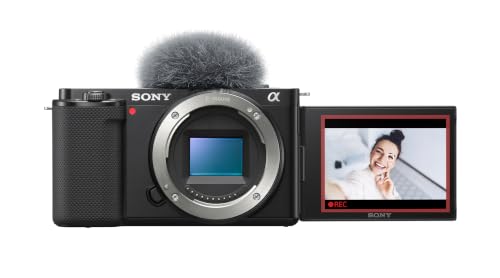
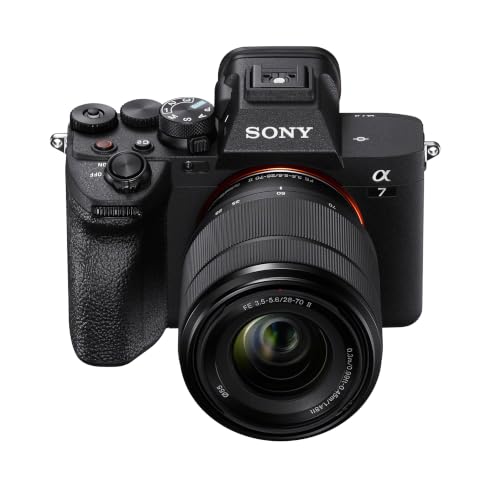
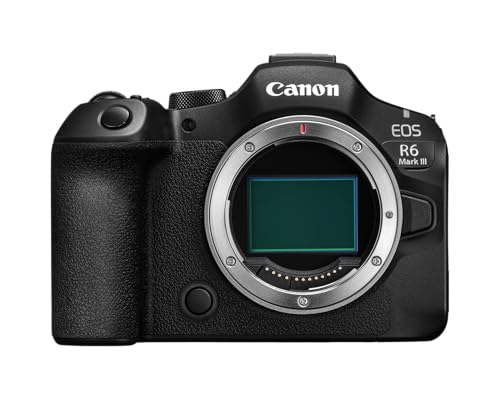
Camera prices cover a very wide range, and a higher price does not always mean visibly better photos for the way you shoot. The best cameras for image quality are the ones whose sensor, lens, and processing match your subjects, your light, and your budget, so this guide shows where extra spending helps and where it does not. Use the comparison table below to see how the main camera types line up before you read the detail.
Image quality is not one single spec. It comes from how much light the sensor gathers, how sharp and bright the lens stays across its zoom range, how well focus locks onto a moving subject, and how cleanly the camera handles noise when light drops. A camera that excels at daylight landscapes may struggle at indoor events, and a camera built for fast action may be more than a casual shooter needs. The sections below walk through spending levels, the features that matter most, and the long term costs that are easy to miss.






How Spending Level Changes What You Get
Budget tiers are useful only when they are tied to real shooting differences. A sensible starting budget buys a capable sensor and a decent kit lens, while higher budgets mainly buy larger sensors, brighter lenses, faster focus, and stronger build. The product table above shows the spread, and the guidance below helps you match a tier to your own subjects rather than chasing the highest number on a spec sheet.
Sensible Starting Budgets
At a starting budget of about $300 to $600, you can expect a compact camera or an entry level interchangeable lens camera with a standard kit lens. Images in daylight will look clean and detailed, and colors will hold up well for prints and online sharing. Low light is the main trade off at this level, since smaller sensors gather less light and show more noise as sensitivity rises.
Autofocus will handle still subjects and slow movement, but it may hunt in dim rooms or lose fast subjects. This tier suits travel, family events, and everyday shooting where convenience matters as much as ultimate sharpness.
Balanced Middle Budgets
A middle budget of about $700 to $1,200 opens up larger sensors, better high sensitivity performance, and faster, more confident focus. You also get more lens choices, including brighter zooms that stay sharp at the long end and primes that gather far more light than a kit lens. Weather sealing often appears at this level, which matters if you shoot outdoors in rain or dust.
Image files hold up better to cropping and larger prints, and video quality usually improves alongside stills. This tier suits hobbyists who shoot often, print their work, or need reliable results in mixed light.
Higher Budgets for Demanding Work
Above about $1,500, you are paying for larger full frame sensors, professional grade focus tracking, and lenses with wide maximum apertures and consistent sharpness. Low light images stay cleaner at high sensitivity settings, and dynamic range improves, so bright skies and dark shadows hold detail in the same frame. Build quality, dual card slots, and longer battery life also tend to improve, which matters for long shoots and paid work. For most casual shooters, this level is more than needed, but for demanding subjects such as indoor sports, weddings, or large prints, the difference is visible.
Features Worth Paying For (and Ones to Skip)
Not every headline feature improves your photos. The five factors below have the largest effect on image quality, and each one matters more for some subjects than others. Features worth skipping include extreme zoom ranges that sacrifice sharpness, gimmick filters that you can recreate in editing, and megapixel counts far beyond what your printing and sharing needs require. Spend first on the sensor and the lens, then on focus and stabilization, and treat the rest as convenience.
Low Light Performance
Low light performance decides whether indoor photos, evening scenes, and night streets look clean or grainy. Larger sensors gather more light, so they produce less noise at the same sensitivity setting than smaller sensors. A lens with a wide maximum aperture also helps, because it lets in more light and allows a lower sensitivity setting for the same exposure.
Look at sample images taken at high sensitivity rather than trusting a maximum sensitivity number alone, since usable quality matters more than the top figure. If you shoot mainly outdoors in daylight, this feature deserves less of your budget than it does for event or indoor work.
Sensor Size and Image Quality
Sensor size shapes noise, dynamic range, and depth of field, and it is one of the most reliable predictors of image quality. A 1 inch sensor beats a phone sized sensor in low light, an APS C sensor improves on that further, and a full frame sensor gathers the most light of all. Megapixels are not the whole story, since cramming more pixels onto a small sensor can increase noise rather than detail.
For most buyers, a moderate pixel count on a larger sensor beats a very high pixel count on a tiny one. Match sensor size to your print size and your low light needs, not to the largest number on the box. For a closer look at stabilization, see our guide to the best cameras with image stabilization.
Autofocus and Stabilization
Autofocus decides whether the subject is sharp at the moment you press the shutter, and stabilization decides whether camera shake blurs the shot. Eye detection helps with portraits, while subject tracking helps with children, pets, and sports. In body stabilization steadies the sensor itself, which helps every lens you mount, while lens based stabilization helps mainly with longer focal lengths.
Both systems help most in low light and at long zoom settings, where small movements are magnified. If your subjects move, prioritize focus speed and tracking over raw resolution, since a sharp lower resolution image always beats a blurry high resolution one.
Lens Quality and Aperture
The lens in front of the sensor often matters as much as the sensor itself. A sharp lens holds detail from the center to the edges of the frame, controls flare when you shoot toward light, and keeps colors consistent across the zoom range. Maximum aperture matters because a brighter lens gathers more light and gives softer backgrounds for portraits.
Zoom lenses trade some sharpness and brightness for flexibility, while prime lenses trade flexibility for sharpness and light gathering. Budget for at least one good lens, since a strong body paired with a weak lens will never reach its potential. Compact camera shoppers can compare options in our guide to the best image quality compact cameras.
Durability and Weather Sealing
Durability and weather sealing protect image quality in the field, because a camera you cannot use in rain, dust, or cold cannot take the photo at all. Sealed bodies and lenses resist moisture and dust at joints, dials, and mounts, though no consumer camera is fully waterproof unless it is rated as such. A sturdy grip and well placed controls also matter, since fumbling in gloves or wet conditions leads to missed shots.
If you shoot mainly indoors, sealing deserves little of your budget. If you hike, travel, or shoot events outdoors, it is worth paying for, along with a good strap and a protective case.
Cameras for Specific Needs
Some buyers want one camera that covers many situations without swapping lenses. That need points toward a distinct camera type with its own trade offs, and it is worth judging on its own terms rather than against interchangeable lens cameras.
Best Bridge Cameras for Image Quality
Bridge cameras pair a fixed superzoom lens with a larger than average compact sensor, so they suit travelers and wildlife watchers who want long reach without carrying extra lenses. Judge them on three criteria that matter more than zoom length alone: sharpness at the long end of the zoom, focus speed on moving subjects, and noise at the sensitivity settings you will actually use. A very long zoom that turns soft past its middle range is less useful than a shorter, sharper one. For general comparisons across camera types, see our guide to the best digital cameras, and for a broader view of photography focused models, see our guide to the best cameras for photography.
Long Term Costs to Factor In
The camera body is rarely the full cost of ownership. Extra batteries, memory cards, a protective case, and a cleaning kit add up, and interchangeable lens cameras invite future lens purchases that can exceed the body price over time. Software for editing may carry a subscription, and sensor cleaning or repairs add occasional costs.
Warranty length and local service availability matter too, since a camera that must be shipped far away for repair costs time as well as money. Before you commit to a tier, add up the accessories you will need in the first year so the total stays inside your budget. Shoppers weighing overall build standards can also read our guide to the best quality cameras.
Frequently Asked Questions
What features matter most in cameras for image quality?
Sensor size, lens quality, and low light performance matter most, followed by autofocus accuracy and stabilization. A larger sensor gathers more light and keeps noise lower, while a sharp lens preserves detail from the center of the frame to the edges. Focus and stabilization decide whether that detail actually lands on the subject, so check sample images for your own subjects before judging megapixels, which matter mainly for very large prints or heavy cropping.
Which camera type is better for low light?
Interchangeable lens cameras with larger sensors and bright lenses generally perform best in low light, because they gather more light and offer wider aperture choices. Compact cameras with 1 inch sensors are a strong middle ground for travelers who want better indoor results without carrying extra lenses. For the cleanest evening and indoor results, pair a larger sensor with a lens whose maximum aperture is f/2.8 or wider, and judge by sample images at high sensitivity rather than by the maximum sensitivity number alone.
What specs matter most for beginners?
Beginners benefit most from reliable automatic modes, fast and forgiving autofocus, and a lens range that covers everyday subjects without swapping lenses. A simple menu system and a clear viewfinder or screen matter more at first than advanced video settings or deep customization, and good battery life keeps a full day of shooting frustration free. Choose a camera you will actually carry and enjoy using, because the best image quality comes from the camera that is with you when the moment happens.
How much should I spend on my first camera for image quality?
Most first time buyers get strong results at about $400 to $800, which buys a capable sensor, a decent kit lens, and reliable autofocus for everyday subjects. Spending less can still work for daylight travel and family photos, especially if you prioritize a larger sensor over extra zoom range. Spending more makes sense once you know you need better low light results, faster focus, or larger prints, so start in the middle range and let your first frustrations guide your next upgrade.
What does focal length mean for everyday photos?
Focal length describes how wide or narrow the field of view is, and it shapes how subjects look in the frame. Wide focal lengths around 24mm to 28mm suit landscapes, interiors, and group photos, while standard lengths around 35mm to 50mm give a natural look for street and family shots. Longer lengths around 85mm and above suit portraits and distant subjects, since they compress the scene and soften backgrounds, and a kit zoom covering roughly 24mm to 70mm handles most everyday situations without lens changes.
Final Thoughts
The smartest way to buy is to match sensor size, lens quality, and focus performance to the subjects you shoot most, then choose the lowest tier that covers those needs well. Extra spending pays off mainly in low light, fast action, and large prints, while daylight and casual sharing need far less. Keep the total cost in view, including batteries, cards, and future lenses, so the camera you choose stays enjoyable rather than a source of regret. Review the product table above once more, then choose the best cameras for image quality for your budget and your subjects.


