
Best Cameras for Hunting Photography: What Actually Matters Before You Buy for 2026
Disclosure: We may earn a commission when you buy through links on this page, at no extra cost to you. As an Amazon Associate I earn from qualifying purchases. Learn more
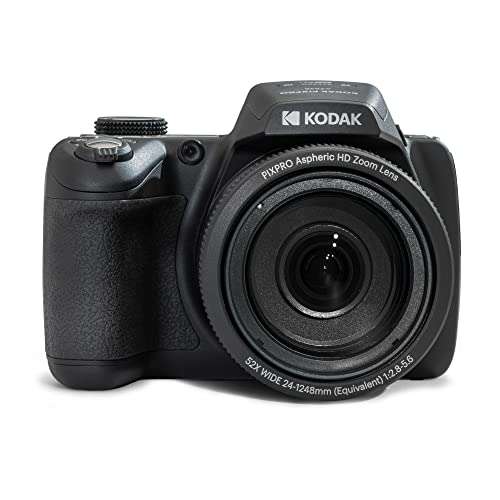
Compare the best cameras for hunting photography by reach, low light detail, autofocus speed, and field ready build with this practical buying checklist.
Hunting photography asks a lot of a camera. You often work at dawn or dusk, at a distance, and in weather that punishes careless gear choices. The best cameras for hunting photography pair real reach with clean low light detail, fast autofocus, and a body you can carry for miles without fuss. Use the comparison table below as your shortlist while you check each model against the criteria in this guide.
This guide skips hype and scores nothing on a single spec. Instead, it walks through the checklist hunters actually use in the field, from sensor size and lens reach to battery life in cold air. By the end, you will know which tradeoffs fit a tree stand, a blind, or a long walk into public land.


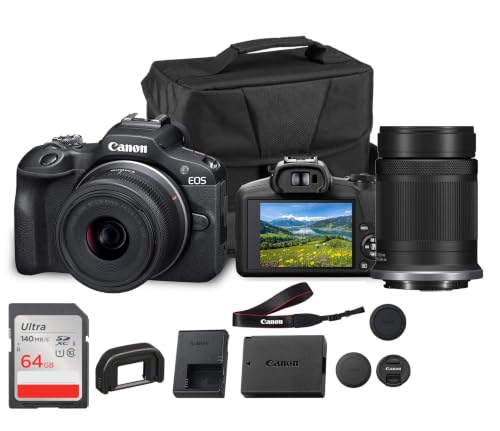


Evaluation Checklist: Key Features to Compare
Score every candidate on the same seven points below, and weak options fall away fast. A camera that wins on paper but fails in cold, dim, or wet conditions will cost you the one moment you waited all morning for. If your hunts also cover family and landscape shots, see our guide to the best cameras for photography to weigh broader everyday needs against field specific ones.
Features That Matter for Hunting Photography
Hunting work is not studio work. Your subject moves on its own schedule, keeps its distance, and rarely poses in good light. That is why reach, quiet operation, and dependable low light autofocus matter more here than studio flash ports or exotic color modes. A mechanical shutter click can also startle game at close range, so an electronic shutter option is a real plus for blind and stand work at short distances.
Sensor Size and Image Quality
Sensor size shapes how much fine detail and clean shadow detail you keep at dawn. A 1 inch sensor in a compact body travels easily and still beats a phone at distance. APS C sensors gather more light and hold feather and fur texture better at higher ISO settings. Full frame sensors lead in dim woods, but they add cost, weight, and larger lenses. Megapixels matter less than many buyers think, since a modest count on a larger sensor often looks cleaner than a huge count on a tiny one.
Lens and Zoom Range
Reach decides whether an animal fills the frame or stays a small shape in the brush. Look for optical zoom or a telephoto lens that reaches an equivalent of about 300 mm or more for deer sized game at typical stand distances. Wider apertures such as f/4 gather more light than f/6.3 at the long end, which helps at first light. A teleconverter can add reach, but it costs a stop of light, so it suits bright midday scouting better than dawn hunts.
Ease of Use for Your Skill Level
Controls you can run with gloves on beat menus you must dig through while a buck steps into a lane. New shooters should value clear auto modes, a guided menu, and simple wireless transfer to a phone for sharing from camp. If you are still building basic skills, see our guide to the best beginning photography cameras for models built around learning. Experienced shooters may prefer dual dials, custom buttons, and manual focus aids that speed up quiet adjustments.
Autofocus and Stabilization
Autofocus earns its keep when an animal turns its head or crosses a clearing. Animal eye detection can hold focus on a face in brush, while continuous tracking follows movement without hunting back and forth. In body image stabilization, often called IBIS, steadies handheld shots at long focal lengths and slow dawn shutter speeds. Pair it with a lens that has its own stabilization for the calmest view, and practice half pressing the shutter so focus settles before the moment peaks.
Video Capabilities
Many hunters film the hunt as well as photograph it. Look for 4K video at 60 frames per second if you want smooth motion, plus a microphone input for clear calling and ambient sound. A flip screen helps when you film yourself in a blind. Small action cameras can serve as a quiet second angle on a stand, though their fixed wide view suits context shots rather than distant game. Log profiles give grading room later, but they need more editing time.
Battery Life and Charging
Cold air drains batteries faster, and long sits drain them slowly all morning. Check the rated shots per charge, then plan on less in freezing weather. USB C charging lets you top up from a power bank at camp, which matters on multi day trips. Spare batteries carried in an inside pocket stay warm and ready. A battery grip can help on all day sits, though it adds bulk that still hunters may not want to carry.
How to Choose by Hunting Style and Budget
Plenty of guides rank the best cameras for hunting photography as if one model fits every hunter, and that is where buyers go wrong. With the checklist set, match the camera to how you actually hunt. The product table above groups options by the traits that matter most, so use the groups below to decide which row deserves your money. There is no single winner here, only the fit that matches your ground, your game, and your patience for carrying weight.
Sitting in a Stand or Blind
Stationary hunters can trade portability for reach and image quality. A heavier body with a long lens is manageable when it rests on a rail or tripod a few steps from your parking spot. Prioritize quiet shutter modes, strong low light detail, and a flip screen for filming. Scouting still matters before the season, and many hunters pair a photo camera with a scouting unit, so see our guide to the best hunting cameras for that separate job.
Walking and Stalking on Public Land
Mobile hunters should count every ounce. A compact body with a moderate zoom, fast startup, and a secure strap beats a flagship kit left at the truck. Weather sealing matters more here because brush, drizzle, and dust are part of the day. Choose a harness that keeps the camera silent against your chest, since metal buckles and loose lens caps can click at the worst moment.
Starting Out Without Overspending
A first field camera should teach you the craft without punishing early mistakes. Spend first on reach and autofocus, then on a padded bag and a spare battery, and let exotic video features wait. Total starter kits often land about $600 to $1200 depending on lens choice. If you want a gentler learning curve, see our guide to the best cameras for starter photography before you commit to a long telephoto lens.
Quick Buyer Checklist
Run through these questions before you order. A single no does not end the search, but two or more should send you back to the comparison table above.
- Can the lens reach far enough to frame game at your normal hunting distance without heavy cropping?
- Does the camera focus reliably on animals in dim light at dawn and dusk?
- Can you work the main controls while wearing hunting gloves?
- Is the body sealed well enough for rain, dust, and cold mornings?
- Will the battery last a full sit, with a warm spare in your pocket?
- Is the shutter quiet enough for close encounters from a blind?
- Can you carry the full kit comfortably for the miles you actually walk?
- Does the kit, bag, and spare battery fit your total budget?
Red Flags to Watch For
Some listings look strong until you read them closely. Treat the points below as reasons to pause, not as minor quirks, because field failures rarely show up during a quick test at home.
- Chasing a huge digital zoom number instead of real optical reach leaves distant game soft and blocky.
- Trusting a weatherproof claim with no sealing details risks a dead camera after one wet morning.
- Buying a long lens with a very slow aperture forces high ISO settings that smear feather and fur detail.
- Ignoring shutter noise can spook wary animals before you ever press the button fully.
- Skipping a return window on a first field camera can lock you into controls that fight your gloves and habits.
Care and Maintenance Tips
Field care is simple and specific to the camera in your hands. Wipe the lens with a clean lens cloth or blower, never your shirt, since grit in fabric scratches coatings. After a wet hunt, dry the body with a soft towel, open the battery door, and let it air in a room before sealing it in a bag. Store the camera in a dry padded bag with a small desiccant pack.
Keep a spare battery warm in an inside pocket during cold sits, and rotate batteries so each one gets regular use. Check strap lugs and lens contacts before each trip, and clean contacts only with a dry cloth. Remove the memory card and back up your images at camp each night, so one lost card never costs you a whole trip.
FAQs
What features matter most in cameras for hunting photography?
Reach, low light autofocus, and quiet operation matter most for cameras used in hunting photography. Add a fast burst rate to that list, since a short sequence catches the instant an animal lifts its head and looks your way. A quick startup time also counts more than many buyers expect, because a camera that wakes slowly misses animals that appear between lanes in timber and vanish within seconds.
How much should you spend on a first camera for hunting photography?
Most first time buyers do well with a total kit budget of about $600 to $1500, lens included. Put the largest share into the lens, since reach shapes your results more than body extras. Reserve a small part of the budget for a monopod or a simple tripod, which steady long lenses during long sits and cost far less than upgrading the camera body later.
Is a smartphone enough for hunting photography instead of a dedicated camera?
A smartphone is enough for camp scenes, habitat shots, and animals that wander close, but it falls short at real hunting distances. Phones crop digital images to fake reach, and fine fur detail breaks down fast. A phone still earns a place in your pocket for documenting tracks and sign, recording calls for later practice, and noting stand locations, while the dedicated camera handles the distant work.
What specs matter most for beginners choosing a camera for hunting photography?
Beginners should put a simple auto mode, reliable autofocus, and a guided menu at the top of the spec list. A dedicated wildlife or sports scene mode is a quiet bonus, since it sets faster shutter speeds and continuous focus for you while you learn. Skip deep video menus and custom color profiles at first, because simple settings you understand will beat advanced settings you avoid.
Should I use a tripod or a monopod for hunting photography?
A monopod is the usual choice for walking and stalking, because it steadies a long lens in seconds and folds small. A tripod suits long sits in a stand or blind, where you can set up once and wait. Whichever you pick, switch off lens stabilization only if the maker advises it for that support, and practice smooth, quiet panning at home before the season so the first real chance does not catch you fumbling.
Final Thoughts
Focus your decision on reach, low light autofocus, and a build that suits how far you walk and how long you sit. The product table above is the fastest way to compare those traits side by side. A camera that feels natural with gloves on will serve you better than a spec leader you hesitate to carry.
When the light fades and a deer steps to the edge of the clearing, the best cameras for hunting photography are the ones already focused, quiet, and in your hands. Choose the kit you will actually carry, keep a spare battery warm, and let patience do the rest of the work.


