
Best Cameras for House Protection: The Buyer Checklist We Use in 2026
Disclosure: We may earn a commission when you buy through links on this page, at no extra cost to you. As an Amazon Associate I earn from qualifying purchases. Learn more

Compare house protection cameras by night vision, smart alerts, storage and power, using a clear buyer checklist for indoor and outdoor coverage at home.
Protecting a house starts with seeing what happens at your doors, driveway and yard, even when you are away. The best cameras for house protection give you clear video, fast alerts and footage you can find again without fuss. This guide turns that goal into a simple checklist, so you judge coverage first and extras second.
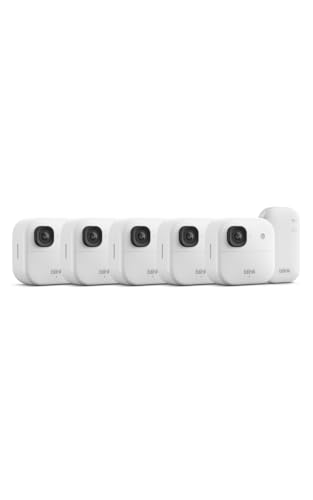
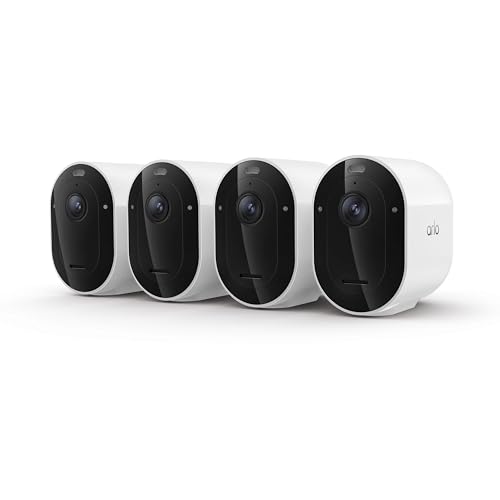
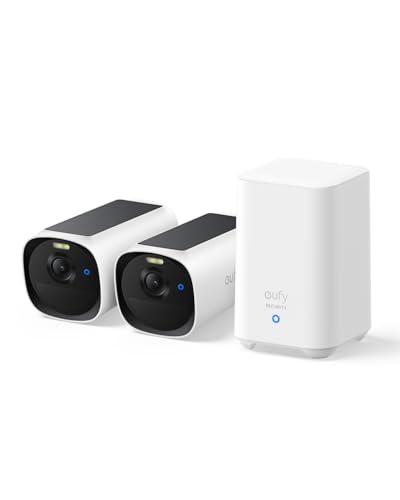
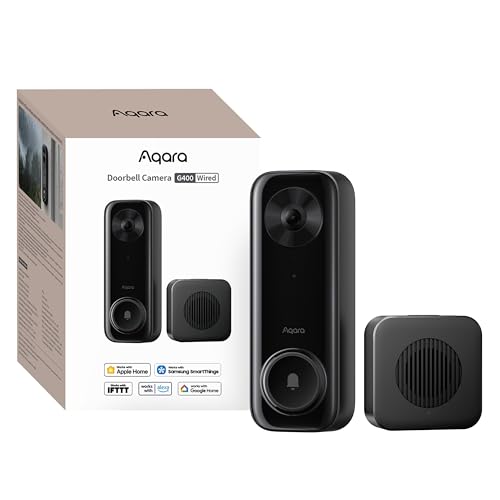
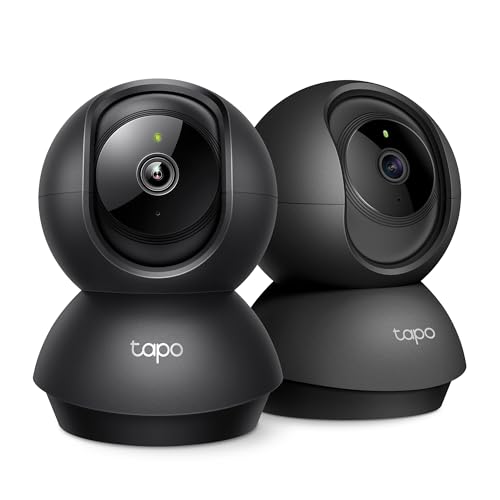
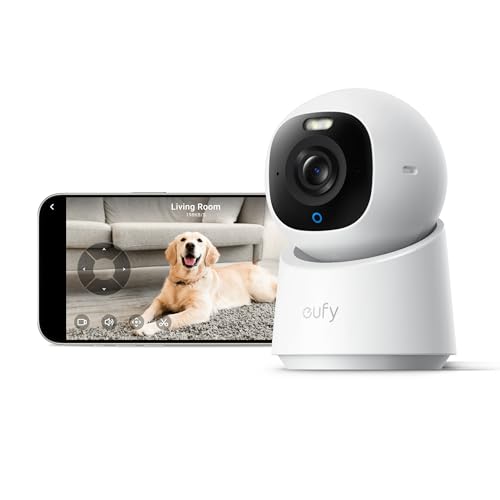
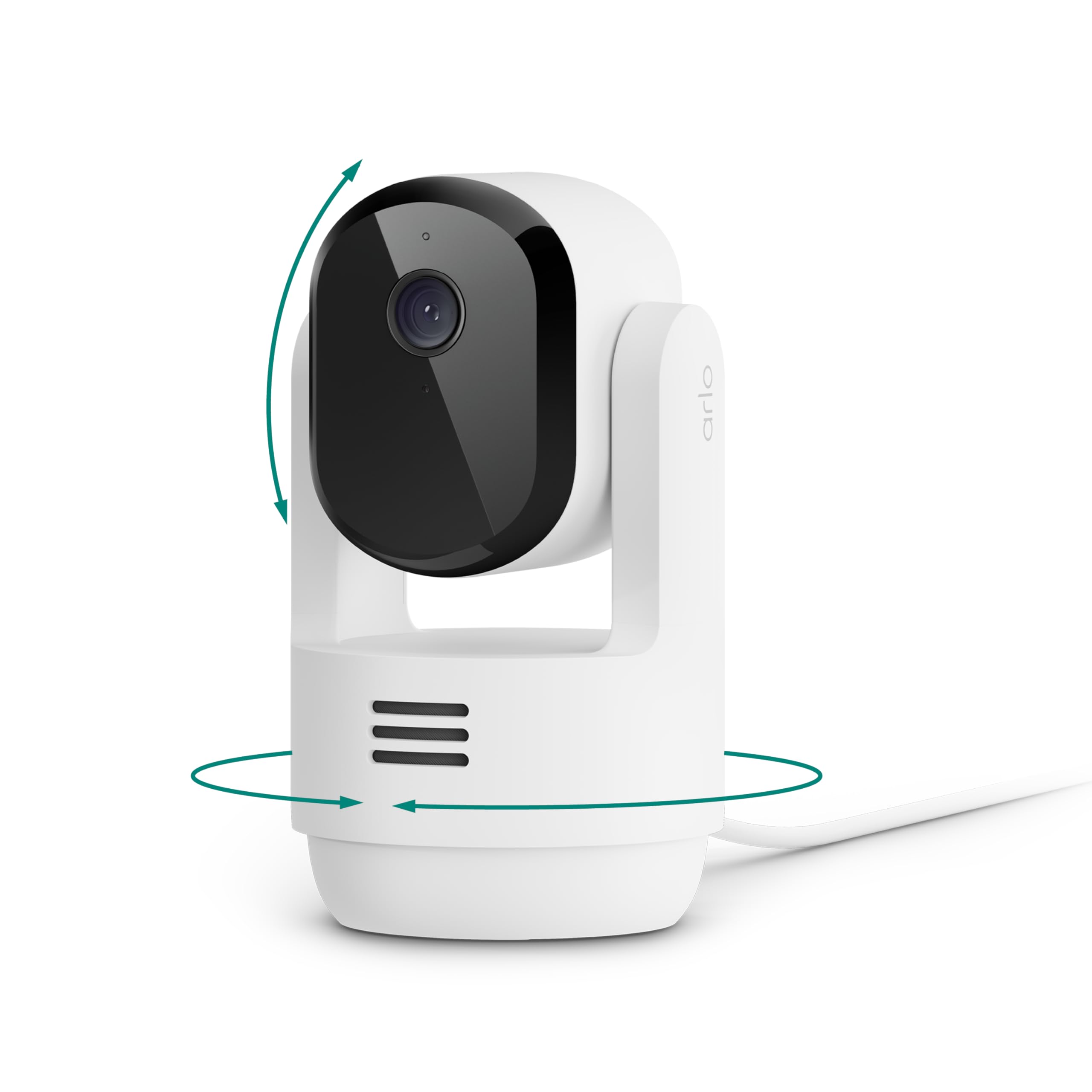
Start by naming the spots where an intruder, a delivery problem or a dispute is most likely to occur. Match each spot to a camera type, a power source and a storage plan before you compare prices. Use the comparison table below to check those basics.



Who Should Buy Cameras for House Protection?
Your layout decides more than any single spec. A house with a yard, a rental you cannot rewire and a flat with shared halls each need a different mix of cameras.
Homeowners Guarding Doors, Driveways and Yards
You need outdoor cameras that watch the front door, driveway and any side gate where someone could enter unseen. Choose weatherproof models with a wide view and strong night coverage. For a broader whole house view, see our guide to the best security cameras for house setups. Plan power at each mount point first.
Renters and Apartment Dwellers Who Cannot Drill or Rewire
You need cameras you can set on a shelf or hang at a door without opening walls. Battery powered and plug in indoor models suit rentals well. If you focus on rooms first, see our guide to the best cameras for inside house placement. Confirm your lease rules on hallway recording, because shared areas often carry limits a private house does not.
Families Covering Entrances and Busy Rooms Indoors
You need indoor cameras that confirm children arrived home, watch a sleeping baby from another room or check on an older relative who lives alone. Choose models with clear two way audio, plus privacy modes you can switch on when everyone is home. Keep indoor cameras pointed at entry doors and shared rooms, not at bedrooms or bathrooms.
Key Features to Compare
When you shop for best cameras for house protection, work through these factors in order. Coverage, night clarity and alerts decide whether footage helps you, while power and storage decide whether it exists when you need it.
Resolution, Field of View and Detail at a Distance
Resolution tells you how much detail a camera records, and field of view tells you how wide an area one camera can watch. Most home models record at 1080p, 2K or 4K and watch about 100 to 130 degrees. A wide view covers a yard with fewer cameras, but faces at the far edge look small. Place a narrower camera at the front door and choose higher resolution for long driveways.
Night Vision and Low Light Clarity Outdoors
Most incidents you care about happen after dark, so night performance matters more than daylight sharpness. Infrared models record in black and white using light you cannot see, often reaching about 25 to 30 feet. Color night vision uses a small spotlight to record color, which helps you describe clothing or a car. Check the stated range against your longest sight line, because a bright light aimed at the lens can wash out faces.
Motion Detection, Person Alerts and Activity Zones
A camera that records all day helps only if it flags the moments that matter. Basic motion sensing reacts to any change in the image, including trees and passing headlights, so it sends many false alerts. Person detection filters much of that noise, and activity zones let you watch the path and door while ignoring the street. Tune sensitivity during the first week.
Power Source, WiFi Reach and Wired Options
Battery cameras are quick to install and can run for weeks or months per charge, but busy spots drain them faster and cold weather shortens each charge. Plug in and hardwired cameras record without charging, yet they need power near the mount. Test WiFi strength at each mount before you drill. For hardwired work, hire a licensed electrician, and if footage shows an attempted break in, contact the police rather than confronting anyone yourself.
Storage, Subscriptions and Keeping Footage Private
Local storage saves clips to a memory card or a home hub, so footage stays in your house with no monthly fee, but the card fills and loops over old clips. Cloud storage keeps clips safe if a camera is stolen, yet it usually needs a paid plan, so check how many days each plan keeps. Use a strong password and two step sign in where offered.
Weather Resistance, Audio and Visible Deterrence
Outdoor cameras need a sealed body rated for rain and dust, shown as IP65 or IP66 on many models, and mounts that stay firm in wind. Two way audio lets you greet a visitor or warn a stranger from your phone. A spotlight or small siren can deter someone who lingers. For exposed mounts, see our guide to the best house cameras outdoor buyers choose for porches and yards.
Indoor, Outdoor and Doorbell Types Compared
Indoor cameras are small plug in units for shelves and tables. They suit living rooms and halls and cost less, but they cannot handle rain, and their view through a window fails at night when infrared light reflects off glass. Outdoor cameras add sealed bodies and longer night range. Doorbell cameras watch the front step at face height and record deliveries.
Most houses need a mix rather than one type repeated everywhere. Put a doorbell or outdoor camera at the front entry, an outdoor camera over the driveway and back door, and one indoor camera in the main hall. If you are weighing one starter camera against a full set, see our guide to the best house cameras for simple layouts.
Quick Buyer Checklist for House Protection Cameras
Answer each question before you order. A no answer points to the factor you should fix first.
- Can the camera see every entry door and the driveway without a blind spot?
- Is the night range long enough for your longest sight line?
- Does the camera offer person alerts and activity zones you can adjust?
- Have you tested WiFi strength or planned wiring at each mount point?
- Do you know where clips will be stored and how long they will be kept?
- Is the outdoor model rated for rain, dust and winter cold?
- Have you checked local rules and neighbor privacy for outward facing cameras?
Common Mistakes to Avoid
- Mounting a camera too high gives you the tops of heads instead of faces you can identify.
- Buying on resolution alone leaves you with sharp daytime video and weak, grainy night footage.
- Ignoring WiFi strength at the mount leads to dropped clips and alerts that arrive minutes late.
- Skipping a storage plan means the clip you need has already looped over or sits behind a paywall.
- Pointing a camera at a busy street without activity zones floods your phone until you mute all alerts.
- Trusting vague specs with no stated night range or weather rating often hides a weak camera.
Care and Maintenance Tips for House Protection Cameras
Wipe each lens with a soft, clean cloth every few weeks, because dust, pollen and spider webs blur the image and can trigger false alerts at night. Clear webs from the housing, check mounts after storms, and test each view in the app after any router change.
Recharge or swap batteries before they run flat, and install firmware updates when the maker offers them, because updates often fix security flaws. Once a season, play back a night clip and confirm the picture can still identify a face at your door.
FAQ
What features matter most in cameras for whole house protection at night?
Night range, person alerts and reliable power matter most for house protection after dark. A camera that misses movement or dies before morning leaves the riskiest hours uncovered. Choose a model whose night range exceeds your longest dark sight line by a few feet. Walk your path at night during the first week and review the clips to confirm faces stay readable.
How much should I spend on my first house protection camera?
Most buyers should plan about $50 to $150 for a solid first house protection camera, plus any storage plan. Lower priced models often cut night range or alert quality, while higher prices add sharper video and longer clip storage. Start with the entry you use most, live with it for a month, and note what you miss before you buy a second camera.
Do house protection cameras need WiFi to keep recording?
Many house protection cameras keep recording to local storage when WiFi drops, but alerts and live viewing stop until the connection returns. Models that rely only on cloud storage may pause recording during an outage. If your internet fails often, favor a camera with a memory card or a home hub, and place a mesh node closer to distant mounts.
Is a smartphone enough instead of a house protection camera?
No, a smartphone is not enough as a house protection camera, because it cannot watch your home while you carry it elsewhere. A phone also lacks a fixed mount, weather sealing and automatic night recording at a door. An old phone can serve as a short term indoor monitor, but treat it as a stopgap until you need alerts and saved clips while you travel.
Where should I place house protection cameras for the best coverage?
Place house protection cameras at each entry door first, then cover the driveway, garage and any side path to a back door. Mount outdoor cameras about 7 to 9 feet up, angled down, so faces pass close beneath the lens. Avoid aiming straight at the rising or setting sun, because glare can blank the image at the same hours each day.
Final Thoughts
Build your setup around coverage, night clarity and alerts you will actually read, then confirm power and storage at each mount point. One well placed camera at the main entry protects a house better than several aimed at the wrong spots. Use the product table above to compare those basics.
When you choose the best cameras for house protection with this checklist, you get footage that helps on the one night you need it, not just a live view on a quiet day at home.

